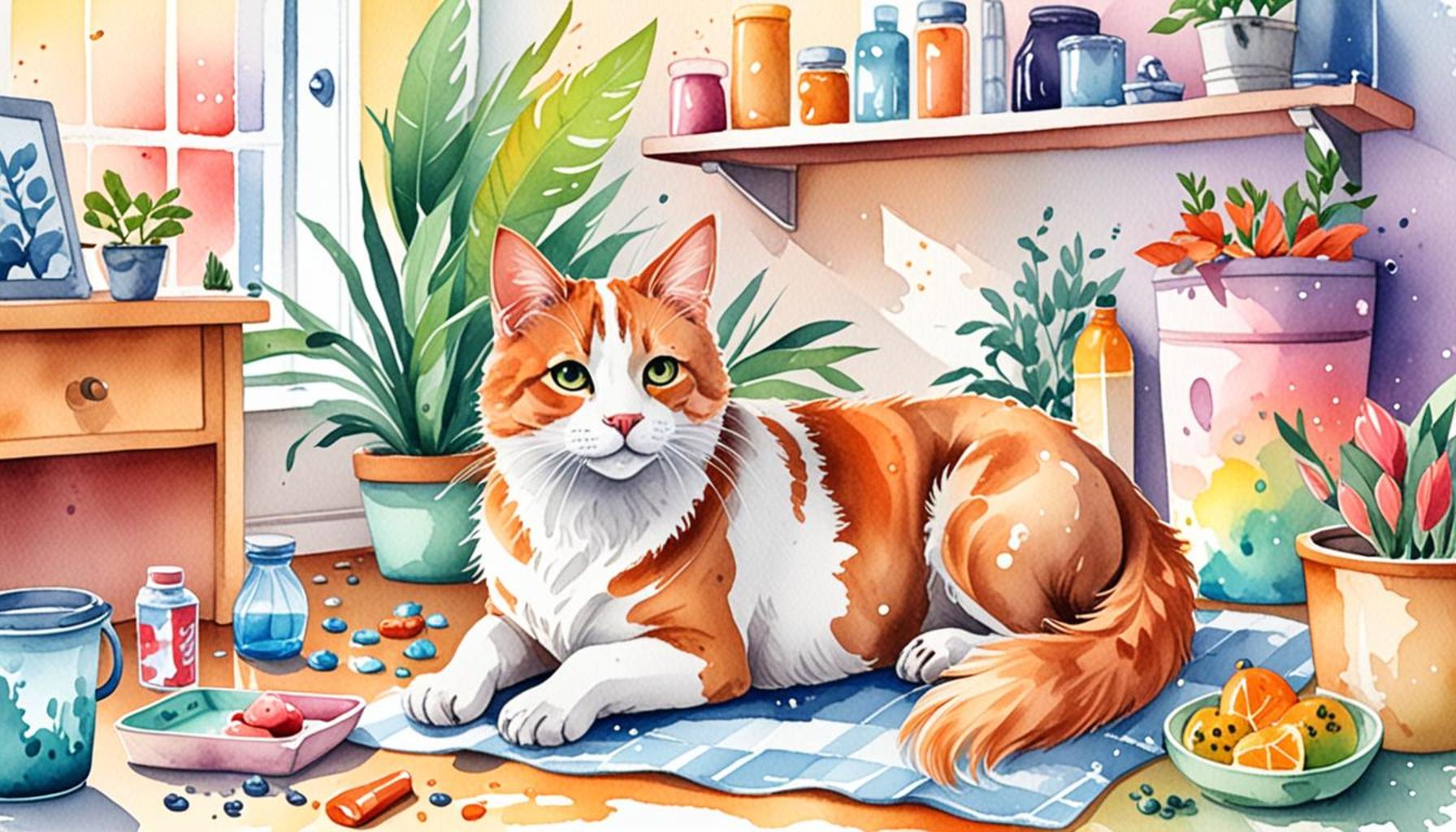
Strategies for Socializing Pets in Nigerian Families

The Importance of Socialization for Pets in Nigerian Households
As pet ownership rises in Nigeria, families are increasingly viewing their pets as vital members of the household. However, socializing these furry companions is critical for ensuring they become well-adjusted and harmonious within the family structure. The process of socializing pets is multifaceted, involving strategies that encourage adaptability and positive behavior in various settings.
One of the primary methods of socialization is regular exposure. This involves systematically introducing pets to a variety of environments, sounds, people, and other animals. For example, taking a dog for walks in different neighborhoods can help it acclimatize to bustling situations or calm rural settings. Similarly, allowing a cat to sniff and explore new rooms in the house can foster confidence and curiosity. In Nigeria, where crowded marketplaces and local festivals are common, exposing pets to these lively environments can help them adjust to the vibrant sounds and sights around them.
In addition, positive reinforcement plays a crucial role in socialization. This involves rewarding pets with treats, affection, or verbal praise when they exhibit desirable behaviors, such as greeting guests politely or not barking excessively. For instance, when a dog meets a visitor without jumping or barking, providing a small treat can reinforce this behavior and teach the dog how to interact positively with strangers. This technique is particularly effective in homes with children, as it encourages pets to develop friendly interactions with younger family members.
Structured interactions, such as playdates with other pets, can also enhance social skills. Organizing safe meet-ups at parks or community areas, where pets can interact under supervision, can help them learn necessary social cues. This is especially relevant in urban areas of Nigeria, where limited space may pose challenges. Engaging in community initiatives or local pet clubs can provide these essential social opportunities for pets, fostering a sense of community among pet owners.
Moreover, cultural perceptions towards pets can impact socialization efforts. In some Nigerian households, the notion of pets is still evolving, where dogs may be perceived primarily as guard animals rather than companions. Education about the benefits of socialization can shift these views, emphasizing the joy and companionship pets can bring into family life. Workshops and seminars hosted by veterinary clinics or community centers can offer insights and practical tips for families seeking to improve their pets’ socialization skills.
As families continue to explore the joys of pet ownership, investing time in effective socialization strategies becomes essential. Not only does this help pets thrive in different environments, but it also enriches family life by enhancing bonds and creating joyful experiences. By understanding and implementing these socialization techniques, families can nurture well-rounded pets that are not only beloved companions but also integral members of the household. Engaging in local pet communities enables families to share experiences, tips, and resources, ultimately contributing to a vibrant culture of responsible pet ownership across Nigeria.
Effective Strategies for Socializing Pets in Nigerian Households
Socializing pets effectively requires a thoughtful approach, particularly in the vibrant and diverse cultural landscape of Nigeria. As families embrace the joy of pet ownership, implementing strategies tailored to the unique Nigerian environment can significantly enhance the pets’ socio-behavioral development. Here are several practical tips to consider:
1. Gradual Exposure to New Experiences
Gradual exposure is the cornerstone of successful socialization. This means slowly introducing pets to new people, environments, and experiences. For instance, Nigeria is dotted with various social settings, from bustling streets of Lagos to tranquil village markets. Regularly taking your pet to these different surroundings can help them adjust to various noises and activities.
- During walks, choose different neighborhoods each time to expose dogs to various sounds and sights.
- Involve pets in family celebrations or local festivities, exposing them to crowds and lively atmospheres.
- Allow cats to explore diverse areas of the home while supervised, helping them build confidence.
By doing so, pets become desensitized to novel stimuli, reducing anxiety and promoting calmness in varying situations. Consistency in exposure is crucial, as it encourages adaptability and fosters a well-rounded character in pets.
2. Engaging in Positive Reinforcement Training
Positive reinforcement is a powerful tool in training pets. This method encourages desired behaviors by rewarding pets for their good actions. For instance, praising a dog for behaving calmly around visitors or congratulating a cat for using its scratching post can solidify these behaviors. Using locally sourced treats, such as pieces of cooked chicken or fish, can also be very effective; these are often highly motivating for pets.
- Reward pets immediately after exhibiting good behavior, strengthening the association between the action and the reward.
- Utilize verbal praise and affectionate petting as additional forms of encouragement during training sessions.
- In households with children, teaching pets to respond well to kids can be rewarding through special group activities or games.
This method not only nurtures positive behavior but also builds trust between pets and their owners, ultimately enhancing their bond. Moreover, it creates a friendly environment where pets feel secure and loved, facilitating their overall social development.
3. Building a Safe Pet Community
Creating a safe pet community is essential for fostering pets’ social skills. This can be achieved through organizing or participating in local dog parks, pet meet-ups, or training classes. In Nigerian cities, pet owners can collaborate to create opportunities for their pets to engage and interact, reinforcing communication and social skills among them.
- Seek out local pet clubs or organizations that focus on socialization and responsible pet ownership.
- Involve pets in community events, such as charity walks or animal welfare campaigns, to promote interaction with various people and pets.
- Encourage and establish a network of pet owners who can share experiences, challenges, and solutions to common pet issues.
Such initiatives not only benefit the pets but also strengthen community ties among pet owners, creating a supportive atmosphere for responsible pet ownership across Nigeria.
By employing these strategies, families can ensure their pets thrive in multiple settings, leading to happier and healthier relationships between pets and their owners. Engaging in socialization activities opens the door to numerous adventures, fostering an enriched family life while cultivating a more adaptable and well-mannered pet.
| Advantages | Description |
|---|---|
| Enhanced Bonding | Socializing pets fosters a stronger relationship between pets and family members, leading to increased trust and affection. |
| Behavioral Development | Effective socialization techniques help reduce anxiety and aggression in pets, promoting better behavior in social situations. |
| Cultural Integration | Incorporating traditional Nigerian practices can enhance the pet’s adaptability to family life and communal activities. |
| Health Benefits | A well-socialized pet experiences lower stress levels, which can lead to better overall health and longevity. |
In Nigerian families, adopting effective strategies for socializing pets not only enhances the relationship within the household but also aligns with the cultural significance of community and togetherness. These advantages reflect an understanding of the deep-seated bond between humans and pets. As families consider various approaches to integrate pets into their lives, the emphasis on behavioral development becomes paramount. Properly socialized pets interact positively with both family and visitors, aligning with the nurturing ethos pervasive in Nigerian homes. Understanding the importance of cultural practices leads to a more suitable environment for pets, allowing for smoother integration into family activities. Furthermore, the health benefits stemming from reduced stress and improved behavior cannot be overstated, leading to a vibrant and harmonious home atmosphere. This balance creates an intriguing opportunity for families to explore ways to include their pets as active members of their community.
Creating a Dynamic and Interactive Environment for Pets
To cultivate well-adjusted pets in Nigerian families, it is essential to create a dynamic and interactive environment that encourages exploration and social connections. This entails not just regular outings, but also tailoring the home setting to be conducive to both mental and physical stimulation. Here are some effective strategies to consider:
1. Enriching Indoor Spaces
Pets often spend a significant amount of time indoors, making the home environment vital for their socialization. Providing enrichment opportunities can help keep pets mentally engaged. For instance, setting up an agility course using everyday household items or creating a dedicated play zone can challenge pets in enjoyable ways.
- Use items like chairs, broomsticks, and cardboard boxes to create obstacles for dogs to navigate.
- For cats, utilize climbing shelves or scratching posts that encourage exploration and provide vertical space to play.
- Incorporate local toys made from safe, readily available materials—such as soft fabric or recycled containers—to stimulate curiosity and playfulness.
This level of engagement not only improves social skills by providing challenges but also enhances physical health by encouraging exercise. A bored pet may develop behavioral issues; therefore, keeping them entertained is essential for a harmonious household.
2. Incorporating Rituals and Routines
Establishing rituals and routines can significantly enhance a pet’s social development. Regular schedules for feeding, walks, and playtime build a sense of security in pets, allowing them to understand when to expect social interactions. In many Nigerian families, everyday practices can be aligned with enjoyable activities for pets.
- Set specific times for daily walks, and encourage family members to participate, ensuring pets associate outings with positive team experiences.
- Involve pets in family game nights with interactive play that includes everyone, helping pets become comfortable in social settings.
- During traditional celebrations, create designated times for pets to be involved in family activities, allowing them to experience the joy and excitement in a controlled manner.
Consistency in routine fosters a sense of reliability, aiding in the pet’s adaptation to various conditions and visitors that may enter the home.
3. Encouraging Cross-Species Socialization
In multi-pet households, promoting cross-species socialization can be an enriching experience that teaches pets to develop social skills beyond their immediate species. For example, dogs and cats can learn to coexist peacefully and form bonds if introduced properly.
- Supervised introductions allow pets to interact safely, fostering trust and respect through gradual exposure to each other’s presence.
- Utilize shared spaces where both pets can engage in activities simultaneously, such as playing with toys or lounging in a common area.
- Encourage playful behaviors by rewarding both animals for positive interactions, reinforcing the idea that companionship is beneficial.
This strategy not only prepares pets for interactions with other animals outside the home, such as during walks or at parks, but also builds a well-rounded understanding of companionship and social dynamics.
By adopting these innovative approaches, Nigerian families can create a vibrant ecosystem that supports a pet’s overall development while enriching family life. Instead of viewing pet ownership as solely a responsibility, consider it an opportunity to foster lasting bonds and mutual benefits, resulting in well-socialized pets that harmoniously integrate into family life.
Conclusion: Nurturing Strong Bonds Through Thoughtful Socialization
In conclusion, the journey of pet ownership in Nigerian families can be significantly enriched through a deeper understanding of socialization strategies. By recognizing the importance of creating engaging environments, establishing consistent routines, and promoting cross-species interactions, families can cultivate not only well-adjusted pets but also strengthen the bonds that tie them together. These strategies serve as tools that help pets thrive in both social settings and everyday life, ensuring they become integral members of the family unit.
Additionally, pet owners are encouraged to engage with local communities, participate in social events, and seek out professional guidance when necessary. This holistic approach can lead to a more fulfilled and enriched experience for both pets and their owners. Embracing the unique cultural context of Nigeria can further enhance these socialization practices, allowing pets to experience the typical family warmth and vibrancy.
Ultimately, socializing pets should not be merely seen as an obligation but rather as an opportunity for personal growth, joy, and connection. As families invest time and effort into nurturing their pets’ social skills, they will discover the benefits of companionship, enhanced communication, and a more harmonious home environment. The journey of responsible pet ownership is filled with learning, laughter, and love, paving the way for a bright future where both pets and families can flourish together.