Special Diets for Pets with Food Allergies
The Impact of Food Allergies on Your Pet’s Health
Food allergies in pets can lead to uncomfortable and even serious health issues. As many as 10% of pets may suffer from food allergies, often triggered by common ingredients such as beef, chicken, or dairy. These allergies can negatively affect a pet’s overall well-being, leading to symptoms that significantly diminish their quality of life. Properly identifying the right dietary regimen is crucial for alleviating these symptoms and enhancing your pet’s health.
Types of Food Allergies
Pet owners should be aware that food allergies can manifest in various forms, and recognizing the triggers is the first step toward ensuring your pet’s health. Common culprits include:
- Animal Proteins: Beef, chicken, and fish are frequent offenders in pet food allergies. Dogs and cats can develop allergies over time, sometimes even to proteins they have consumed without issue for years.
- Grains: Ingredients such as wheat, corn, and soy are often used in commercial pet foods and can cause allergies or intolerances, particularly in pets with sensitive digestive systems.
- Dairy Products: Many pets are lactose intolerant, which can lead to a range of unpleasant symptoms, including gastrointestinal distress. Even products with a small amount of lactose can trigger reactions.
Recognizing Symptoms
It’s essential to recognize the signs of food allergies in pets early on. Symptoms can be varied, and some may be mistaken for other conditions. Common indicators include:
- Itchy Skin: Persistent scratching, licking, or biting at the skin are often signal flags of an allergic reaction. This can lead to secondary infections or hot spots if not addressed promptly.
- Gastrointestinal Issues: Symptoms like vomiting or diarrhea are common consequences of food intolerance. If you notice these symptoms occurring frequently after mealtime, it may indicate an underlying food allergy.
- Ear Infections: Recurring ear infections can signal an allergy, particularly to food. Signs may include scratching at the ears, foul odor from the ears, or excessive ear wax.
Proper diagnosis is the key to managing your pet’s food allergies. A veterinarian may recommend an elimination diet, where potential allergens are removed from the pet’s diet to identify the source of the allergic reaction. Following identification, a special diet that caters to your pet’s unique requirements can make a world of difference in their health. Options like limited ingredient diets or hydrolyzed protein formulas are tailored to reduce allergic responses while still providing essential nutrients. By investing in your furry friend’s dietary needs, you can significantly improve their quality of life, allowing them to thrive without discomfort from food allergies.
Understanding Special Diets for Food Allergic Pets
When your beloved pet suffers from food allergies, managing their diet becomes an essential aspect of their care. Special diets designed for pets with food allergies not only aim to alleviate symptoms but also ensure that your furry friend receives the nutrients they need to thrive. As such, finding the right diet can be a game changer, offering relief and significantly improving their overall health and quality of life.
Types of Special Diets
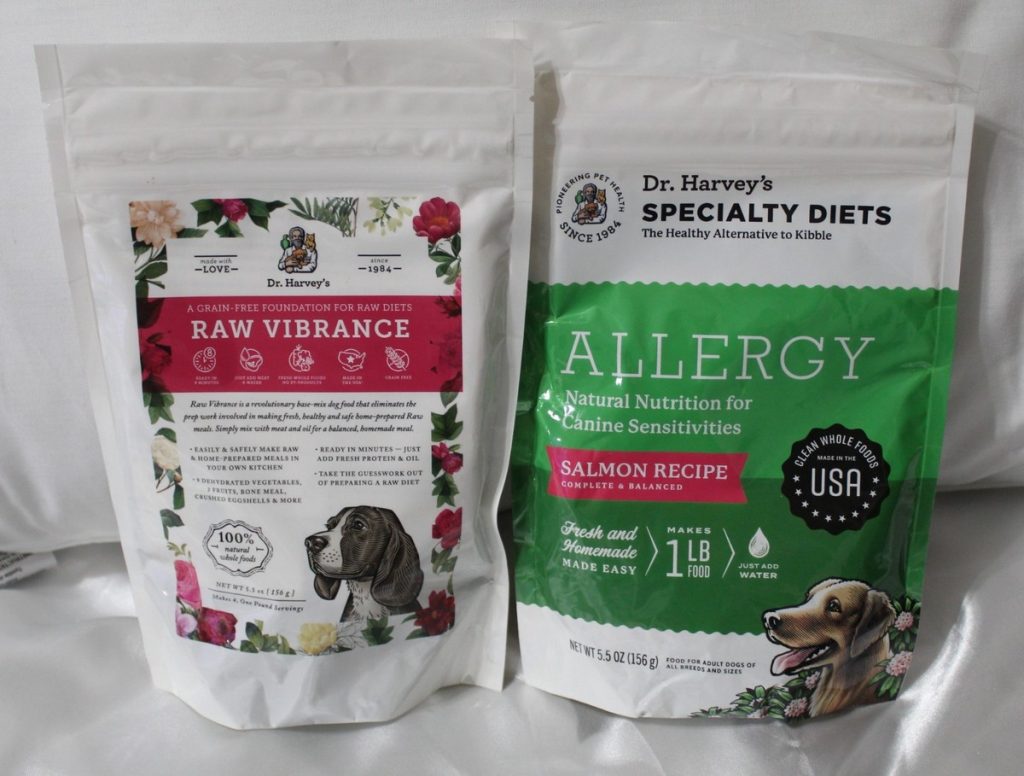
There are several dietary approaches that pet owners can explore when catering to pets with food allergies. Each of these diets serves a specific purpose in managing allergic reactions while promoting nutritional balance:
- Limited Ingredient Diets: These diets are formulated with fewer ingredients, making it easier to identify and avoid potential allergens. By using novel protein sources—such as duck, lamb, or venison—and single carbohydrate sources like sweet potatoes or peas, limited ingredient diets help minimize the risk of allergic reactions.
- Hydrolyzed Protein Diets: This type of diet employs proteins that are broken down into smaller components, making them less likely to trigger an allergic response. By using protein sources that have undergone extensive hydrolysis, these diets offer a safe alternative for pets with severe allergies.
- Homemade Diets: For pet owners willing to invest time and effort, cooking homemade meals allows for complete control over ingredients. However, consultations with a veterinarian or a pet nutritionist are essential to ensure that meals are balanced and safe for your pet’s specific dietary needs.
- Prescriptive Diets: Many veterinarians provide specially formulated diets available through pet clinics or veterinary pharmacies. These diets are crafted to support pets with food allergies and are often backed by research regarding their efficacy.
Navigating Commercial Pet Foods
While many commercial pet foods cater to specific dietary needs, reading labels meticulously is key to avoiding allergens. Ingredients can sometimes be hidden under different names, and cross-contamination during processing can also pose a risk. Look for brands that specify a clear list of ingredients and do not contain fillers or common allergens. In the United States, the Association of American Feed Control Officials (AAFCO) establishes guidelines to assist pet owners in selecting high-quality food options.
It’s also worth mentioning that not all pets require a completely hypoallergenic diet. Some pets may benefit from gradual changes, often known as a “rotational diet.” This approach allows pet owners to introduce various protein and carbohydrate sources over time, which has been shown to help pets tolerate a broader range of foods while minimizing allergic reactions.
Choosing the right special diet for your pet involves careful consideration and, often, a bit of trial and error. With the right support and resources, pet owners can effectively manage food allergies, ensuring their pets live a happier and healthier life free from discomfort.
| Advantages | Details |
|---|---|
| Enhanced Health | Special diets can alleviate chronic allergies, reducing symptoms such as itching and gastrointestinal distress. |
| Customization | These diets can be tailored to individual pets, ensuring they receive the right nutrients while avoiding allergens. |
| Improved Quality of Life | Proper nutrition can lead to vital improvements in energy levels and overall disposition in pets. |
| Preventative Measures | Introducing an appropriate diet can prevent future allergies and health issues, securing a longer, happier life. |
Special diets designed for pets with food allergies not only address current issues but also pave the way for sustainable health solutions. With increasing awareness of pet food sensitivities, pet owners now have access to an array of specialized nutritional options that benefit their beloved companions. The combination of these advantages not only emphasizes better health outcomes but also reflects a growing trend in pet wellness that is worthy of exploration. Understanding the various dietary choices available can empower pet owners to make informed decisions that lead to longer, healthier lives for their pets. It’s essential to consider professional guidance when selecting a specific diet to ensure that all nutritional needs are met efficiently.
Customizing Diets for Optimal Results
One of the most challenging aspects of addressing food allergies in pets is recognizing that there is no one-size-fits-all solution. Each pet is unique, which necessitates a customized approach to their dietary needs. Collaborating with veterinary professionals can greatly enhance your understanding of your pet’s specific allergies and health conditions. This partnership is key to developing a tailored diet plan that not only minimizes allergic reactions but also promotes overall wellness.
Conducting an Elimination Diet
Implementing an elimination diet is a highly effective strategy for identifying specific allergens affecting your pet. This process involves feeding your pet a very limited diet that contains only a few ingredients—ideally a novel protein and carbohydrate that they have never consumed before. This allows potential allergens to be removed from their diet, while also closely monitoring for any changes in symptoms. After a period of strict adherence, typically lasting 8-12 weeks, owners can gradually reintroduce other ingredients one at a time. Such a method can help pinpoint the exact food allergens, thus informing future dietary decisions.
Supplementing the Diet
Incorporating the right dietary supplements can also play a crucial role in addressing food allergies. Essential fatty acids, such as omega-3 and omega-6, can help support your pet’s skin and coat health, which may be compromised by allergies. Furthermore, probiotics can enhance gut health and improve nutrient absorption, thereby boosting your pet’s immune system. Always consult with your veterinarian before introducing new supplements to ensure they align with your pet’s dietary restrictions and health objectives.
Monitoring and Adjustments
As your pet grows and their health needs change, monitoring their dietary response is vital. Regular check-ups with your veterinarian can help assess the effectiveness of the current diet and facilitate necessary adjustments. Notably, some pets may develop new allergies over time, necessitating further changes to their dietary regimen. Maintaining an open communication line with your vet can assist you in navigating these changes smoothly, ensuring your pet’s diet remains both safe and nutritious.
Tips for Transitioning Diets
Transitioning to a special diet can be tricky but crucial to your pet’s health. It’s generally advised to make changes gradually to avoid gastrointestinal upset. A slow transition over 7 to 10 days can help your pet adapt to their new food. Start by mixing a small amount of the new food with their existing diet, gradually increasing the new food’s proportion while decreasing the old food. Observing your pet for any signs of distress will also aid in gauging their acceptance of the new diet.
All pet owners should be equipped with the knowledge to spot adverse reactions. Common symptoms may include itchy skin, ear infections, gastrointestinal disturbances, or changes in coat quality. By recognizing these signals early, owners can proactively engage healthcare providers and revise dietary plans as needed. Ultimately, the journey of managing food allergies may take time and patience, but understanding the nuances of special diets can profoundly improve your pet’s well-being.
Conclusion: Navigating Special Diets for Pet Food Allergies
Understanding and managing food allergies in pets can be a complex and demanding journey for any pet owner. However, by exploring special diets for pets with food allergies, you can significantly enhance your furry friend’s quality of life. Through personalized diet plans developed in collaboration with veterinary professionals, implementing elimination diets, and incorporating essential supplements, you can effectively address and alleviate the symptoms of allergies. Additionally, it is crucial to remain vigilant and proactive by closely monitoring your pet’s reactions to dietary changes and adjusting their diet as needed.
The importance of a well-structured transition to a new diet cannot be overstated. A gradual shift, accompanied by careful observation, allows your pet to adapt comfortably while minimizing potential negative reactions. Remember that your pet’s health is a priority, and being proactive about their dietary needs can greatly contribute to their overall well-being. As you navigate the complexities of food allergies, remain informed and involved; continued learning and adaptation are key components to success.
In conclusion, while managing food allergies in pets presents challenges, it can also be an opportunity for pet owners to deepen their understanding of nutrition and health. By advocating for your pet’s dietary needs and maintaining open communication with your veterinarian, you can ensure a safe and nutritious diet. This not only fosters a happier, healthier life for your beloved companion but can also transform your experience into one filled with insights and memories worth cherishing.