Sleep Environment: How Lighting and Noise Influence the Quality of Rest
The Role of Light and Sound in Sleep Quality
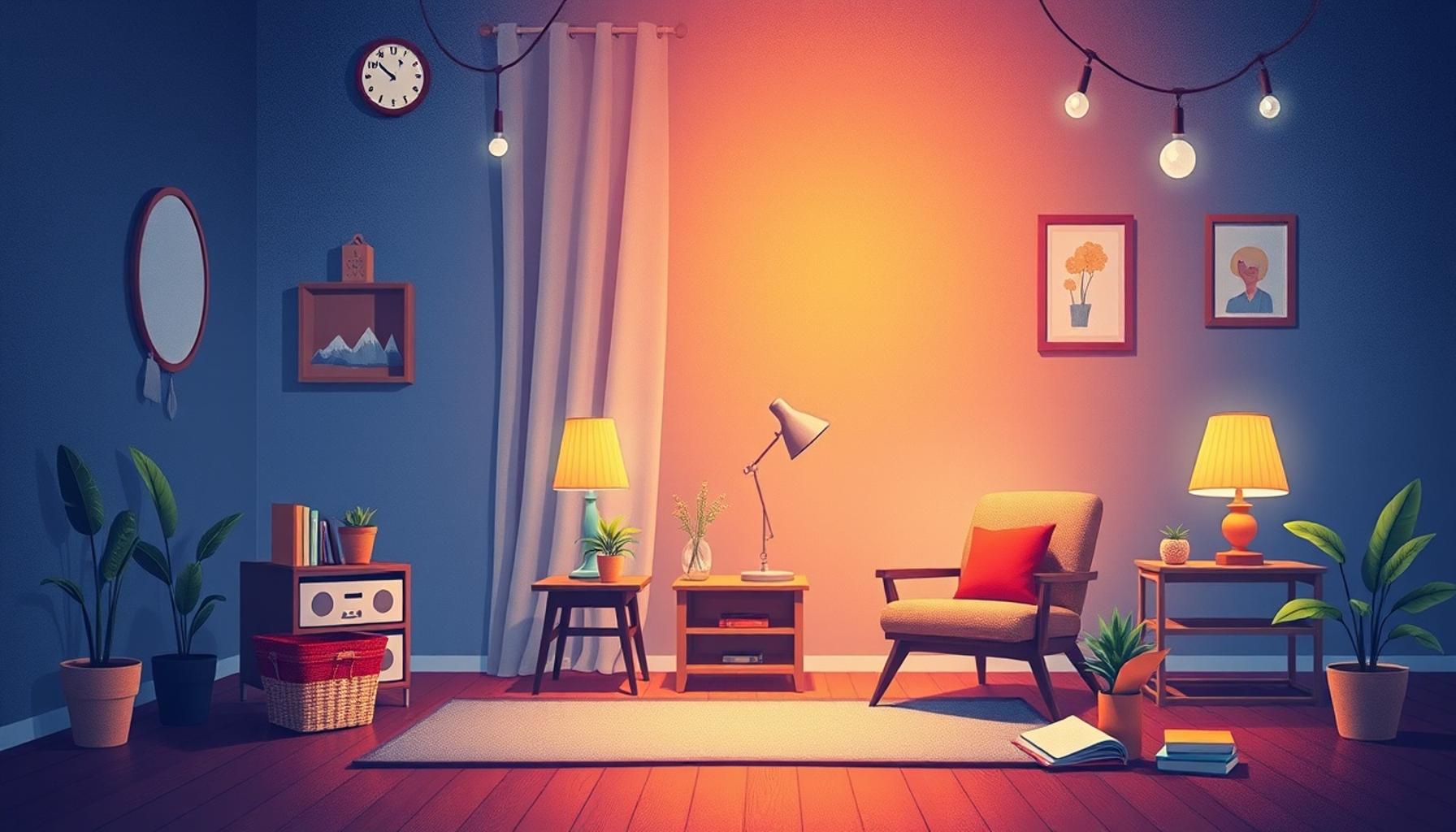
Sleep is a vital component of our overall health, yet many struggle to achieve the restful slumber they desire. Factors within our sleep environment, particularly lighting and noise, can significantly affect the quality of rest. Research indicates that these elements create either a sanctuary of calm or a tumultuous arena for your nightly repose.
Natural Light: The Circadian Influence
Natural light plays an essential role in regulating our internal clock, known as the circadian rhythm. Exposure to sunlight during the day prompts the body to produce serotonin, a hormone that boosts mood and alertness. In the evening, diminished light encourages the production of melatonin, the hormone responsible for promoting sleep. Therefore, cultivating habits such as getting outside during daylight hours can enhance your body’s natural sync with the day-night cycle. For example, a morning walk can not only invigorate your day but also prepare your body for a restful night.
Artificial Lighting: The Evening Dilemma
On the flip side, artificial lighting poses challenges for quality sleep. Bright screens from smartphones, tablets, or televisions emit blue light, which can trick your brain into thinking it is still daytime. This disrupt proportionate melatonin production and delays sleep onset. Experts recommend establishing a device curfew, ideally two hours before bedtime, to reduce exposure to these disruptive lights. Instead, consider dimming the lights or using warmer bulbs to create a more conducive environment for rest.
Noise Levels: Disruption and Its Consequences
Noise levels are another critical factor in our sleep landscape. Sounds from outside, such as traffic, barking dogs, or loud neighbors, can interrupt the sleep cycle, particularly during the deeper stages of sleep, which are essential for recovery. This disruption can have far-reaching effects on cognitive function, mood, and overall health. To combat this, adopting a noise-reducing approach, such as using white noise machines, can mask disruptive sounds. White noise creates a consistent auditory backdrop, enabling your mind to focus on rest without interruptions.
Creating a Sleep Sanctuary
Understanding how to manipulate light and sound in your sleep environment can empower you to craft a sleep haven. For instance, blackout curtains can shield against intrusive morning light, while soundproofing your bedroom or using soft music can provide a soothing ambiance. Furthermore, consider implementing relaxation techniques, such as guided imagery or deep breathing exercises, to enhance your mental state as you prepare for sleep.
As you delve deeper into the intricacies of your sleep environment, the multifaceted impact of light and sound will reveal itself. Armed with this information and practical tips, you can significantly improve your nightly rest, ultimately leading to better health and enhanced well-being. Prioritizing these often-overlooked elements may be the key to unlocking the restorative sleep we all crave.
Understanding the Impact of Lighting and Noise on Sleep Quality
The quest for a good night’s sleep often leads us to ponder our routines and habits, yet the sleep environment itself is a key player in our ability to rest well. As we explore the realms of lighting and noise, it becomes clear that these elements profoundly shape our nightly experiences. By understanding their influence, we can make informed choices to enhance our sleep quality.
The Science Behind Light Exposure
Light has a profound effect on human physiology, particularly concerning the sleep-wake cycle. The body’s circadian rhythm is finely tuned to the natural light-dark cycle of the day. This rhythm not only regulates sleep patterns but also influences other biological processes, such as hormone regulation and metabolism. Studies have shown that exposure to natural light during the daytime boosts alertness and mood, while insufficient light exposure can lead to sleep disturbances.
Research highlights the importance of keeping our sleep spaces dark during the night. The less light there is, the more melatonin our body produces, making it easier to fall asleep. This is where effective measures such as blackout curtains come into play. They can block out intrusive streetlights and morning sun, creating the ideal conditions for deep sleep.
The Perils of Nighttime Illumination
As night falls, the battle against artificial lighting begins. Many of us are guilty of staring at screens late into the evening, a behavior that can significantly disrupt our sleep cycles. The blue light emitted by smartphones and computers is known to inhibit melatonin production, prolonging the time it takes to fall asleep. Consider these strategies to mitigate nighttime light exposure:
- Implement a device curfew, turning off screens at least two hours before bed.
- Use blue light filters available on most devices.
- Opt for warm lighting in your home during the evening.
These simple changes can lead to a calmer evening routine, preparing your mind and body for sleep.
The Influence of Noise on Sleep Stability
No less critical is the role of noise in our sleep sanctuary. External sounds, such as traffic, construction, or even household noises, can disrupt our sleep cycles, particularly during the deeper REM stages crucial for restorative rest. This disruption can result in a myriad of issues, from daytime fatigue to an impaired ability to focus.
To address noise interference, consider these impactful approaches:
- Utilizing white noise machines to create a soothing soundscape that masks disruptive noises.
- Employing earplugs or noise-canceling headphones to minimize external disturbances.
- Designing a quiet, tranquil space that is far from common household noise sources.
With an awareness of how light and sound shape the quality of our sleep, we unlock the potential to create an optimal sleep environment. As we navigate through the next sections, the journey toward a peaceful night’s sleep becomes ever more attainable, as we explore practical strategies to enrich our restorative hours.
Understanding the Role of Lighting in Sleep Quality
Lighting plays a crucial role in regulating our sleep-wake cycle, known as the circadian rhythm. Exposure to natural light during the day helps to reinforce this cycle, improving alertness, mood, and overall well-being. However, the presence of artificial light, especially before bedtime, can negatively influence our ability to fall asleep. Studies show that blue light emitted by screens can inhibit the production of melatonin, the hormone responsible for sleep readiness. By controlling the lighting in your sleep environment, such as utilizing dim lighting or blue light filters in the evening, you can create a more restful setting that promotes healthy sleep patterns.
The Impact of Noise on Sleep Quality
Noise can significantly disrupt sleep, leading to fragmented rest and a decline in sleep quality. Most adults experience disturbances from various sources, which may include traffic sounds, household appliances, or neighborhood activities. Research indicates that consistent exposure to noise pollution can elevate stress levels, making it difficult to reach the deep sleep stages essential for restful recovery. To enhance your sleep environment, it may be beneficial to invest in soundproofing solutions or utilize white noise machines or apps that mask disruptive sounds, offering a more tranquil sleeping atmosphere.
| Lighting Effects | Noise Considerations |
|---|---|
| Natural light enhances mood and sleep quality. | Noise disturbances can lead to fragmented sleep. |
| Avoid blue light exposure before bedtime. | White noise can mask disruptive sounds effectively. |
Creating an Ideal Sleep Environment
To optimize your sleep environment, consider the interplay between lighting and noise. Implementing blackout curtains can reduce unwanted light exposure, while earplugs or noise-canceling headphones may further improve your ability to achieve restful sleep. By making these adjustments, individuals can cultivate a tranquil environment conducive to high-quality rest, ultimately benefiting their overall health and daily performance. Understanding and controlling these elements is key to achieving restorative sleep, emphasizing the need for awareness and proactive strategies in managing one’s sleep environment.
Creating a Sleep-Conducive Atmosphere
While understanding the impacts of lighting and noise on sleep is crucial, taking tangible steps to cultivate a serene sleep environment is equally vital. As we invest time and effort into refining our home ambiance for optimal rest, we unlock the full potential of a rejuvenating night’s sleep.
Optimizing Your Sleep Lighting
In the modern age, where light pollution is prevalent in urban settings, creating a dark haven for sleep can be challenging. Beyond blackout curtains, consider integrating smart lighting systems that adjust in intensity and color temperature as dusk approaches. These systems can transition into a dim, warm glow, signaling to your body that it’s time to wind down. Research indicates that warm light is less disruptive to melatonin compared to harsh, bright LED lighting, enhancing our ability to fall asleep faster.
Another effective strategy involves the use of task lighting in areas where you might engage with technology or reading before bed. Employing lamps with soft-glow bulbs can create an inviting atmosphere while limiting exposure to intense lighting. Additionally, installing dimmer switches throughout your living space can provide flexibility, allowing you to balance illumination needs while staying mindful of sleep promotion.
Managing Noise Levels for Peaceful Sleeping
When it comes to managing noise, understanding the decibel level of your sleeping environment is essential. Studies show that noise levels above 30 decibels can be problematic for uninterrupted sleep. It may be wise to invest in soundproofing elements if you reside in high-noise areas. Simple solutions like sealing gaps in windows and doors can drastically reduce noise leakage from the outside.
Moreover, experimenting with various sounds can foster a more favorable atmosphere for sleep. Some individuals find comfort in ambient sounds such as gentle rain or ocean waves. Nature sound machines or apps can offer a customizable soundscape tailored to your preferences. Alternatively, for those more inclined to silence, the use of heavy curtains not only blocks light but also dampens sound, aiding in overall noise reduction.
Personalizing Your Sleep Environment
Every individual has unique preferences when it comes to their sleep environment. Establishing a nightly ritual that includes personalized elements helps signal your body that it’s time to rest. Consider incorporating your favorite aromatherapy scents, such as lavender or chamomile, known for their calming properties. Using a diffuser or pillow spray can add an aromatic layer of relaxation that complements your visual and auditory sanctuary.
Adjusting your bedding and mattress is also crucial in promoting comfort. Ensuring quality sheets and a supportive mattress aligned with personal sleeping positions can greatly enhance sleep quality. Remember, maintaining a cool bedroom temperature—ideally between 60 to 67 degrees Fahrenheit—has been linked to improved sleep. A fan or air conditioning unit can assist in regulating the environment, making sleep smoother and more restorative.
Emphasizing the elements of light, sound, and personal comfort fosters an ambiance conducive to refreshing sleep. By actively engaging with these aspects of your sleep environment, you pave the way for improved rest, inviting deeper sleep patterns that rejuvenate your mind and body.
Enhancing Your Sleep Quality
In conclusion, the intricate relationship between lighting and noise profoundly influences the quality of our sleep. A well-structured sleep environment, characterized by optimum lighting and minimal noise, is essential for achieving the restorative rest that rejuvenates both mind and body. By making mindful adjustments—such as implementing smart lighting systems that promote a natural wind-down process, or incorporating ambient sounds like nature noise machines—we can create a sanctuary that encourages deeper and more restorative sleep.
Moreover, recognizing the individuality of sleep preferences opens doors to personalized adjustments that enhance comfort. From incorporating soothing aromatherapy to curating cozy bedding setups, these personal touches can significantly uplift our nighttime experience. Simple actions, such as blocking external light and sound, not only enhance sleep quality but also contribute to overall well-being and productivity during waking hours.
The journey toward an optimal sleep environment begins with awareness and the willingness to experiment with various elements to find what works best for you. As you invest time in understanding and refining your personal sleep sanctuary, you improve your sleep quality and lay the foundation for a healthier lifestyle. By prioritizing your sleep environment, you unlock your potential for better rest, allowing each new day to begin with greater energy and focus.