Preventive Veterinary Care: The Role of Vaccination and Regular Examinations
Understanding Preventive Veterinary Care
The well-being of our pets hinges on proactive measures. Among the most critical aspects of preventive veterinary care are vaccinations and regular examinations. These practices not only help maintain pet health but also prevent outbreaks of diseases that can affect entire communities, particularly as we see an increase in pet ownership across the United States.
Key Benefits of Preventive Care
- Early Detection: Routine check-ups can uncover health issues before they escalate. For instance, a vet may identify early signs of dental disease, which, if left untreated, could lead to more serious systemic health issues, including heart and kidney problems.
- Vaccination Protection: Vaccines defend pets against serious diseases such as rabies, parvovirus, and distemper. In 2022, over 1,000 cases of rabies were reported in pets, emphasizing the critical role vaccinations play in protecting our furry companions and community members alike.
- Cost Efficiency: Preventive care often reduces long-term veterinary costs by avoiding expensive treatments for advanced illnesses. For example, treating diabetes in a dog can cost thousands of dollars annually, but routine testing and early detection can help manage and mitigate these health issues proactively.
In the United States, the importance of vaccination and regular veterinary exams is underscored by national trends showing rising pet ownership. According to the American Pet Products Association, around 70% of U.S. households own a pet, equivalent to about 90.5 million families. With such a substantial number of pets at home, understanding these preventive practices is vital for responsible pet ownership. Regular vet visits not only support the health of pets but also educate owners about proper nutrition, behavior, and wellness strategies that can enhance their pets’ lives.
Looking Ahead
As you explore this article, prepare to discover practical insights, expert recommendations, and the lasting benefits that preventive veterinary care offers. Engaging in these preventive measures means not only extending the life of your furry friend but also enhancing their overall quality of life. By investing in regular veterinary visits and staying up to date with vaccinations, pet owners can ensure they are taking the necessary steps to protect their beloved companions against preventable diseases and health issues.
In addition to the physical health benefits, preventive care can also support mental well-being. Social interactions with veterinary staff and exposure to the clinic environment can help pets become more comfortable with veterinary visits, reducing anxiety for future check-ups. As we navigate through a world that increasingly recognizes the importance of pet wellness, staying informed and proactive is essential for every pet owner.
The Importance of Vaccination in Preventive Veterinary Care
Vaccinations are an essential component of preventive veterinary care, offering a shield against a myriad of potentially life-threatening diseases. While many pet owners recognize the necessity of vaccinating their pets, an alarming number remain unaware of the broader impacts vaccinations have, not just on individual pets but on community health as well. According to the Centers for Disease Control and Prevention (CDC), routine vaccinations can significantly reduce the incidence of various diseases, protecting not only animals but also humans from zoonotic infections.
Core Vaccines Vs. Non-Core Vaccines
Veterinarians categorize vaccines into two primary types: core and non-core. Core vaccines target diseases deemed fundamental for all pets, irrespective of their lifestyle. These include:
- Rabies: A viral infection that affects the nervous system and is virtually 100% fatal once symptoms appear. Most states mandate rabies vaccinations, not only to protect pets but also for public safety.
- Canine Parvovirus: A highly contagious and severe viral illness that can lead to fatal gastrointestinal issues in dogs. Vaccination remains the best line of defense against this disease.
- Feline Distemper (Panleukopenia): This virus can devastate feline populations, causing severe illness or death. Vaccination is crucial for safeguarding cats, particularly those who are outdoor roamers.
On the other hand, non-core vaccines are recommended based on specific circumstances, such as geographical location and pet lifestyle. For instance, dogs who frequently visit dog parks may benefit from the Bordetella vaccine to protect against kennel cough, while cats living in high-risk areas may receive the feline leukemia vaccine. This tailored approach ensures that each pet receives optimal protection tailored to their individual needs.
Regular Examinations: The Companion to Vaccination
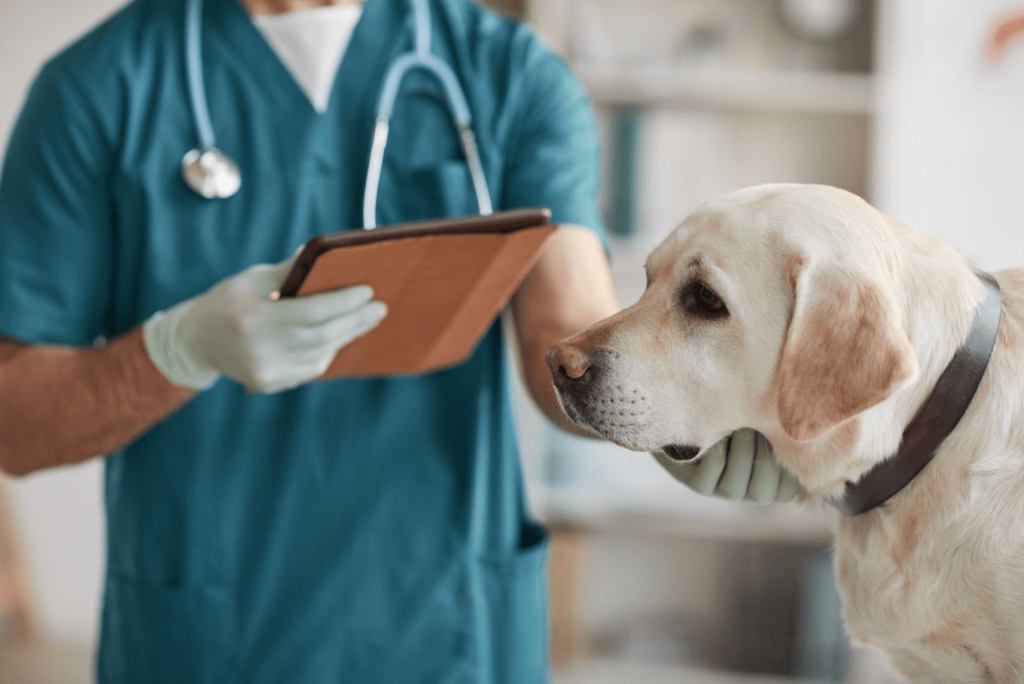
Complementing vaccinations, regular veterinary examinations serve as a cornerstone of preventive care. These check-ups provide veterinarians the opportunity to conduct comprehensive physical evaluations, identify health issues, and administer booster shots to enhance immunity. The American Animal Hospital Association (AAHA) recommends annual examinations for pets and semi-annual visits for older or at-risk animals.
During these visits, veterinarians assess various health aspects, including:
- Weight Management: Obesity in pets can lead to a range of health issues, including diabetes and joint problems. Regular visits enable veterinarians to monitor weight and recommend appropriate dietary adjustments.
- Dental Health: Tooth decay and gum disease can affect not only a pet’s mouth but also their overall health. Routine examinations allow vets to recommend dental cleanings and monitor oral health.
- Behavioral Assessments: Behavior changes can indicate underlying health concerns. Regular check-ups provide owners the chance to discuss any changes observed in their pets, ensuring timely intervention if needed.
As the landscape of pet ownership continues to evolve, the significance of vaccinations and regular veterinary check-ups cannot be overstated. By understanding the necessity for both preventive measures, pet owners can cultivate a healthier environment for their furry friends, enhancing their lives and ensuring they remain an integral part of the family for years to come.
Understanding the Importance of Vaccinations
Vaccination plays a crucial role in preventive veterinary care, not only for protecting individual pets but also for ensuring public health safety. Vaccines work by stimulating the immune system to recognize and combat specific pathogens. Various vaccines are available for common diseases such as rabies, parvovirus, and distemper, each substantially reducing the incidence of these potentially deadly illnesses in animals.Regular vaccinations are more than just a compliance measure; they are an essential part of your pet’s health care routine. For example, annual boosters for core vaccines can maintain your pet’s immunity over time, thus minimizing the risk of outbreaks within communities. Moreover, newer vaccines are being developed, allowing for advanced protection against emerging diseases. Keeping up with vaccinations can also decrease the need for more expensive medical treatments later on.
The Role of Regular Examinations
Alongside vaccines, regular veterinary examinations are vital for early detection and treatment of health issues. These check-ups allow veterinarians to assess your pet’s overall health status, monitor vital signs, conduct blood work, and evaluate dental health. Early intervention can lead to successful management of conditions like dental disease, obesity, and chronic illnesses, significantly prolonging your pet’s lifespan.During these examinations, your veterinarian can also provide tailored advice on nutrition and lifestyle, fostering a healthier environment for your pet. For instance, regular weight checks can lead to dietary adjustments that help prevent obesity-related diseases. By prioritizing these health visits, pet owners can create a proactive care strategy that not only enhances their pets’ quality of life but also reinforces the bond between owner and animal.
Conclusion
In summary, understanding the significance of vaccinations and regular examinations in preventive veterinary care can lead to more informed decisions for your pet’s health. These practices are not just about meeting standards but are fundamental to maintaining a healthy, happy life for your beloved companions. Explore the various options available and consult with your veterinarian to tailor a preventive care plan specific to your pet’s needs.
The Significance of Preventive Care Beyond Vaccination
While vaccinations play a vital role in ensuring the health of pets, preventive veterinary care encompasses a broader spectrum of practices that contribute to a pet’s overall well-being. One crucial aspect involves the implementation of parasite control measures, which are essential in maintaining a healthy environment for pets and their families. Pets exposed to parasites such as fleas, ticks, and heartworms can suffer from a variety of serious health problems, ranging from skin infections to life-threatening diseases.
Parasite Prevention: Protecting Pets from Hidden Threats
The significance of parasite control cannot be overstated. Fleas and ticks are not just nuisances; they can transmit diseases such as Lyme disease and ehrlichiosis to both pets and humans. Regular veterinary consultations can establish a personalized parasite prevention plan, incorporating products such as topical treatments, oral medications, and even vaccines in certain cases. It’s noteworthy that the American Heartworm Society emphasizes the importance of annual heartworm testing and consistent administration of preventive medication. These steps are vital, especially in warmer states where heartworm disease is endemic and poses serious risks.
The Role of Nutrition and Exercise in Preventive Care
An often-overlooked component of preventive care is the role of proper nutrition and physical exercise. Obesity is a growing issue among pets in the United States, leading to serious health concerns such as diabetes, osteoarthritis, and cardiovascular diseases. According to the Association for Pet Obesity Prevention, 60% of cats and 56% of dogs in the U.S. are classified as overweight or obese. Regular veterinary visits provide pet owners with valuable insights into appropriate dietary choices and tailored exercise plans to maintain healthy weight levels.
Veterinarians can recommend high-quality pet foods that meet the specific metabolic needs of different breeds and life stages, ensuring pets receive the right balance of nutrients. Additionally, during routine examinations, vets can suggest monitoring weight changes and provide guidance on various activity levels appropriate for each pet’s age and health condition.
The Emotional Aspect: Behavioral Monitoring
In today’s fast-paced society, one cannot ignore the significance of mental health in pets. Behavioral problems such as anxiety, aggression, or compulsive behaviors can often be the first signs of underlying health issues or emotional distress. Regular vet visits serve as a platform for owners to discuss any behavioral concerns, allowing for timely assessments and interventions. Veterinary behaviorists can work with pet owners to develop strategies that promote mental stimulation and reduce stress, ultimately leading to a more harmonious household.
Moreover, it’s important to recognize the significance of veterinary-client communication in fostering a successful preventive care plan. Open dialogues enable pet owners to articulate their concerns and receive tailored advice, reinforcing the partnership between veterinarian and owner in ensuring optimal health outcomes.
Preventive veterinary care, which combines vaccination and vigilant monitoring of health and behavior, is the key to enhancing the quality of life for pets. Understanding and embracing these practices not only protects individual animals but also promotes community health, ensuring our animal companions thrive in a safe and nurturing environment.
Conclusion: Embracing a Holistic Approach to Pet Health
In conclusion, preventive veterinary care is an indispensable cornerstone in maintaining the health and longevity of our beloved pets. While vaccination is a critical component, it is merely the tip of the iceberg in a more comprehensive strategy that includes regular examinations, parasite control, proper nutrition, and behavioral assessments. By integrating these practices, pet owners can significantly mitigate health risks and improve their pets’ quality of life.
Regular veterinary check-ups allow for early detection of potential health issues, fostering timely interventions that can prevent minor problems from escalating into severe conditions. Furthermore, the alarming rates of pet obesity underscore the need for tailored nutritional advice and exercise plans, both pivotal in enhancing physical well-being. In addition, addressing mental health through behavioral monitoring serves to enrich our pets’ lives, ensuring they thrive emotionally as well as physically.
Ultimately, the relationship between veterinarians and pet owners is foundational to creating an effective preventive care plan. Engaging in open communication allows for a better understanding of each pet’s unique needs. As we continue to prioritize these preventive measures, we not only safeguard our four-legged family members but also contribute to the collective health of our communities. A proactive approach to veterinary care lays the groundwork for a long, fulfilling life for our pets, making it a responsibility we should all embrace with enthusiasm.