Preventive Care: Vaccination and Pet Health in the Nigerian Context
Understanding the Importance of Preventive Care in Pet Health
In Nigeria, the bond between pets and their owners is deeply rooted in culture and companionship. However, ensuring the health and well-being of these beloved animals requires proactive measures, especially through preventive care and vaccination. As the pet population continues to grow, the importance of informed health practices becomes even more critical. The responsibility of pet ownership extends beyond affection; it encompasses a commitment to the long-term health of these animals.
The Role of Vaccination
Vaccination is essential for preventing widespread diseases that can impact both pets and communities. For instance, highly contagious diseases such as rabies and canine parvovirus remain prevalent in Nigeria. Rabies not only threatens the life of the animal but also poses significant risks to human health, making it imperative for pet owners to ensure their pets receive timely vaccinations. Vaccination drives organized by local governments and animal welfare organizations are valuable opportunities to ensure pets are protected against these life-threatening diseases.
Regular Check-ups Matter
In addition to vaccinations, regular check-ups with a veterinarian play a crucial role in keeping pets healthy. Routine visits allow for early detection of potential health issues. Many pet owners may not realize that dogs and cats can hide signs of illness effectively, often until the condition becomes severe. A routine examination can help identify problems such as dental issues, obesity, heartworm, and other hidden ailments before they escalate into more significant health crises. By making these visits a priority, owners can enhance their pets’ quality of life and longevity.
The Importance of Parasite Control
Parasite control is vital for keeping pets safe from common threats such as ticks, fleas, and intestinal worms. In Nigeria, the hot climate fosters the proliferation of these external and internal parasites, which can lead to various health issues, including skin infections and blood loss. Implementing a regular parasite control program—through medications or preventive treatments—protects not only the pet but also contributes to the well-being of the household. It helps prevent the transmission of zoonotic diseases, which can affect humans as well.
Access and Community Awareness
Access to veterinary services is essential for ensuring vaccinations are up-to-date and for ongoing health maintenance. In many urban and rural areas, creating awareness about available veterinary services can empower communities to take proactive steps towards responsible pet ownership. Initiatives that promote spaying and neutering, alongside education on the importance of reproductive health, can dramatically decrease the number of unwanted litters, contributing to a more controlled pet population.
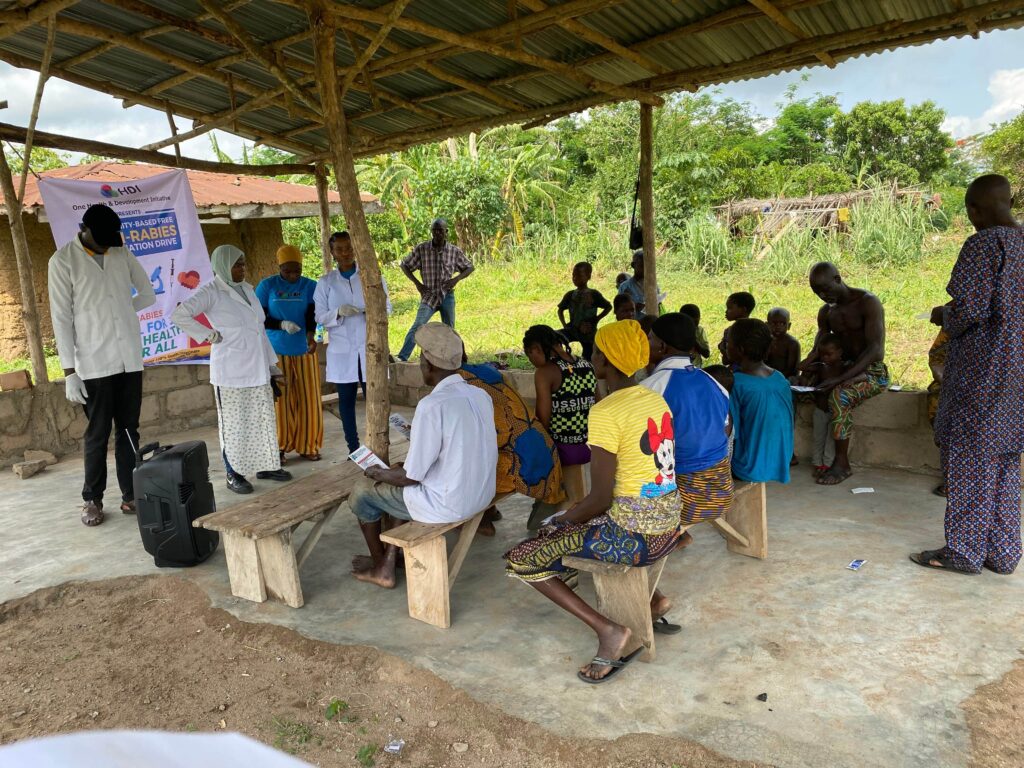
Community awareness must extend to responsible practices, such as leash laws and proper waste disposal, which can help mitigate many public health concerns. Engaging in community programs that advocate for animal welfare can also foster a culture of empathy and responsibility towards pets.
Government Initiatives
Government initiatives supporting vaccination drives and public health campaigns are integral in enhancing the health and safety of pets across Nigeria. Collaborations between veterinarians, local authorities, and animal welfare organizations can facilitate outreach programs that educate pet owners about the importance of preventive care. Such efforts can lead to comprehensive health strategies that not only protect pets but also promote a healthy environment for communities.
By delving into the intricacies of pet health management, this article aims to shed light on how Nigerian pet owners can effectively navigate the landscape of preventive care. The journey to a healthier pet not only enhances their lives but also strengthens the overall human-animal bond, creating a culture that views pets not merely as companions but as cherished members of the family.
CHECK OUT: Click here to explore more
Vaccination: A Cornerstone of Pet Health
Vaccination serves as a pivotal cornerstone in the field of pet health, especially in the Nigerian context where various zoonotic diseases are prevalent. The importance of immunizing pets cannot be understated, as vaccinations help safeguard not only the animals themselves but also the larger community. Diseases such as rabies and canine distemper pose risks that extend beyond the household, threatening public health and safety. In fact, rabies is a significant concern in Nigeria, with thousands of reported cases annually. This highlights the necessity for mass vaccination campaigns and accessibility to veterinary care.
The Necessity of Regular Vaccination Schedules
To ensure optimal protection, pet owners in Nigeria must adhere to regular vaccination schedules. Vaccines are typically administered in a series, starting from a young age, to build a robust immune system. The core vaccines recommended by veterinarians often include:
- Rabies: Essential for all pets, helping to prevent transmission to humans.
- Parvovirus: Particularly crucial for puppies, as the virus can lead to severe gastrointestinal distress.
- Distemper: A viral infection that affects multiple systems in the body, often leading to fatalities.
- Hepatitis: Essential for preventing contagious liver disease that can affect dogs.
By following through with these vaccinations, pet owners are not only protecting their furry friends but also contributing to herd immunity, effectively reducing the chances of outbreaks within their communities.
Challenges in Vaccination Awareness and Accessibility
Despite the clear benefits, challenges persist in achieving widespread vaccination coverage. Issues such as insufficient access to veterinary services, especially in rural areas, pose significant barriers. Many pet owners might be unaware of the importance of vaccinations, or they may lack the financial means to seek veterinary care. Community education plays a vital role in addressing these challenges. Through workshops, informational sessions, and outreach programs, local governments and animal welfare organizations can raise awareness and encourage responsible pet ownership.
Moreover, initiatives such as mobile veterinary clinics have emerged as effective solutions to reach underserved populations, demonstrating that with innovative thinking, communities can overcome barriers to pet healthcare.
The Broader Impact of Vaccination on Community Health
The positive ripple effects of vaccinating pets extend far beyond individual animals. By successfully managing vaccination rates, Nigeria can significantly reduce the incidence of disease outbreaks that could have dire public health implications. The correlation between pet vaccination and human health is clear; preventing diseases in pets serves as a proactive measure to safeguard human populations. This interconnectedness highlights the responsibility of pet owners not only to their animals but also to society as a whole.
In conclusion, ensuring timely and regular vaccinations for pets is a critical aspect of preventive care in Nigeria. By prioritizing these measures, pet owners can foster a healthier environment for both their pets and their communities, ultimately paving the way for a culture that values animal welfare and public health.
| Advantage | Explanation |
|---|---|
| Prevention of Diseases | Vaccination significantly reduces the risk of serious illnesses in pets such as rabies and parvovirus, which are prevalent in Nigeria. |
| Economic Benefits | By investing in preventive care, pet owners can avoid costly treatments for diseases that could have been prevented through vaccination. |
| Community Health | Vaccinating pets helps to protect not only the animals but also public health, as some diseases can be transmitted between pets and humans. |
| Improved Quality of Life | Healthy pets lead to happier homes, fostering a strong bond between pets and owners, and reducing worry about potential health issues. |
Exploring the essential role of preventive care through vaccinations is crucial for achieving optimal pet health in the Nigerian context. Such practices not only protect pets but also enhance the overall quality of life for both pets and their owners. Understanding the interconnectedness of pet health and community well-being can encourage more pet owners to prioritize vaccines and regular health check-ups.
CHECK OUT: Click here to explore more
Enhancing Pet Health through Community Initiatives
While vaccination remains a vital aspect of pet health, the wider network of preventive care encompasses various community initiatives aimed at improving overall animal welfare in Nigeria. Engaging local communities in veterinary practices not only nurtures responsible pet ownership but also fosters a culture of empathy and care towards animals.
The Role of Community Health Workers
Community health workers play an essential role in bridging the gap between veterinary services and pet owners. These workers can help disseminate accurate information regarding preventive care, including the significance of vaccination, regular check-ups, and proper nutrition for pets. By increasing awareness and accessibility, they can empower pet owners to take charge of their pets’ health.
Through localized community programs, pet owners receive tailored advice that considers the unique challenges faced by pet owners in different regions of Nigeria. For instance, in urban areas where pet populations are concentrated, addressing issues such as overcrowding and disease transmission becomes paramount. Conversely, in rural settings, focusing on accessible vaccination and treatment options can alleviate health disparities among pets and improve overall community well-being.
School Programs and Youth Engagement
School programs aimed at educating young people about animal health and welfare represent another catalyst for change. By introducing curricula that emphasize the importance of vaccinations and responsible pet ownership, schools can nurture a generation of conscientious pet owners. Engaging children through interactive workshops can significantly improve their understanding of how to care for pets and the implications of neglecting their health.
Furthermore, youth engagement initiatives, such as pet care clubs or “vet-performed” vaccination drives led by veterinary students, can spark interest in animal care careers among young adults. These programs not only promote community involvement but also instill a deeper sense of responsibility for individual pets and their contributions to overall public health.
Technological Innovations and Veterinary Support
In today’s digital age, leveraging technology can aid in the dissemination of important information regarding pet vaccinations and preventive care. Mobile applications that track vaccination schedules, offer reminders for upcoming appointments, and provide resources related to pet health can be valuable tools for pet owners. Such innovations can effectively address the knowledge gap regarding the necessary vaccinations and preventive measures that every pet should receive.
Additionally, telemedicine has emerged as a viable option to provide prompt veterinary advice and consultations, particularly in regions where veterinary clinics might be sparse. By seeking expert advice through online platforms, pet owners can ensure their animals receive timely and appropriate care, thereby reinforcing the importance of vaccinations.
Success Stories from Collaborative Efforts
Numerous success stories from around Nigeria highlight the positive outcomes derived from collaborative efforts dedicated to pet health. Initiatives focused on free vaccination drives, organized by animal welfare groups in collaboration with local governments, have seen significant participation rates. For example, in Lagos State, a joint effort successfully vaccinated thousands of dogs and cats in a single campaign, showcasing the potential for high community engagement.
Moreover, these campaigns not only reduce the incidence of infectious diseases among pets but also foster a greater sense of responsibility among pet owners, ultimately benefiting public health. With the collective participation of veterinary practitioners, animal advocates, and concerned citizens, Nigeria can pave the way towards a sustainable framework for pet health and preventative care.
RECOMMENDED: Check out this similar article
Conclusion: A Call to Action for Pet Health in Nigeria
In summary, the significance of preventive care through vaccination and community-driven initiatives cannot be overstated in the context of Nigerian pet health. As explored throughout this article, engaging local communities, schools, and leveraging technology proves crucial in enhancing awareness and accessibility of veterinary services. The roles of community health workers and school programs highlight the interconnectedness of pet health and public welfare, emphasizing that informed pet owners are the cornerstone of a healthier society.
Through the collaborative efforts of veterinary practitioners, local governments, and passionate citizens, Nigeria has witnessed inspiring success stories that illustrate the power of collective action in addressing pet health challenges. These initiatives not only protect pets but also safeguard public health by reducing the spread of zoonotic diseases.
Moreover, the advent of technological solutions such as mobile apps and telemedicine opens new avenues for innovative pet care practices, making vital information available and accessible to pet owners across varying regions. As more Nigerians acknowledge the implications of responsible pet ownership and the benefits of vaccines, a cultural shift toward humane treatment and care for animals will emerge.
Ultimately, fostering a culture of preventive care in Nigeria demands sustained effort from all stakeholders. Whether you are a pet owner, a community health worker, or an advocate for animal welfare, your involvement is essential. Let us embrace this journey towards comprehensive pet health, ensuring not just the well-being of our loyal companions but the enhancement of our communities as a whole.