Nutritional Supplements for Pets: When and How to Use Them Correctly
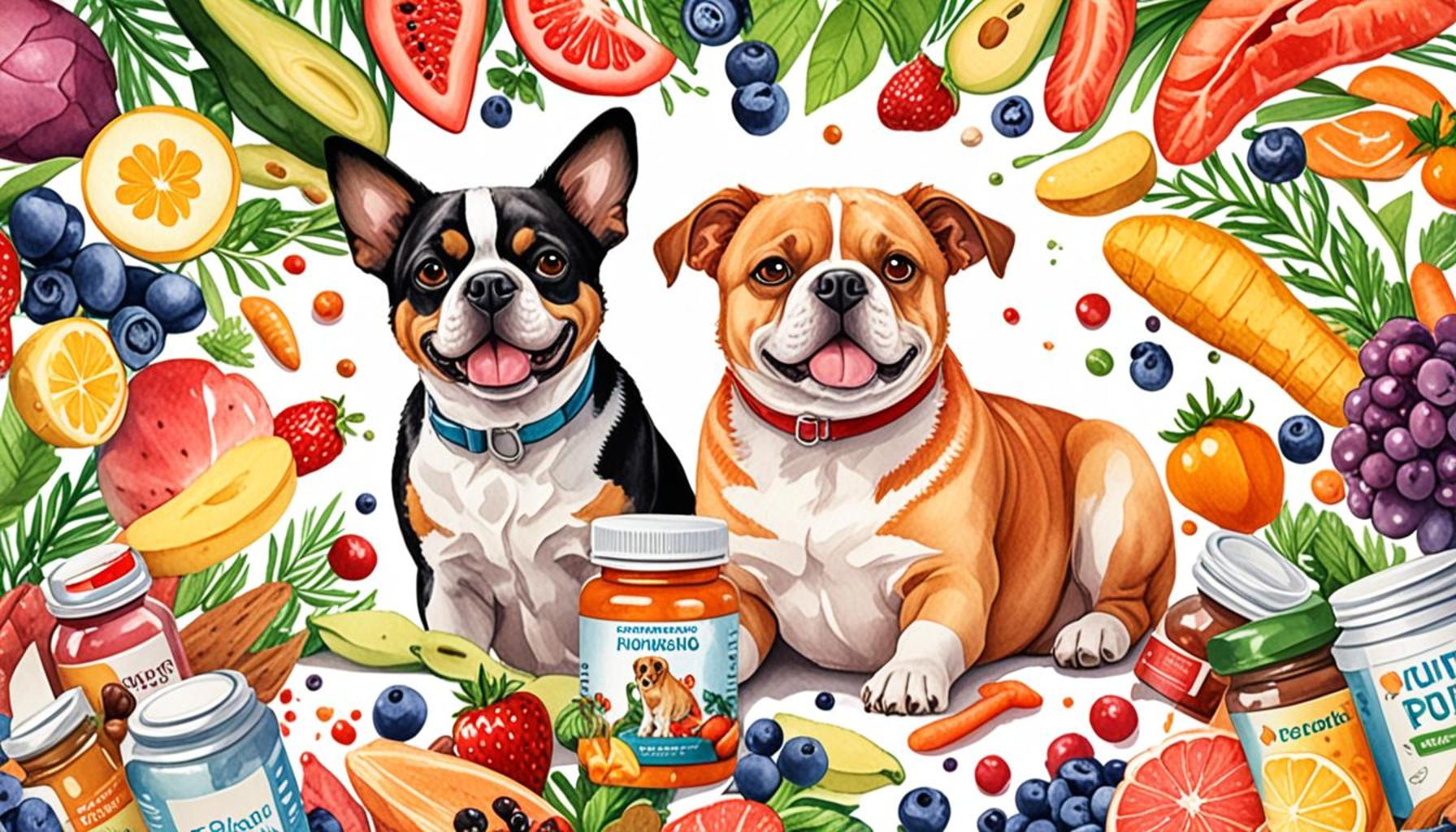
Understanding Nutritional Supplements for Pets
Nutritional supplements have emerged as a trending solution for pet owners eager to enhance their furry friends’ health and longevity. These products, which encompass a wide array of formulations, promise various benefits, but choosing the right ones can be a daunting task. With the growing market, it’s essential for pet parents to understand the nuances of these supplements to make informed decisions for their pets.
Types of Supplements
Nutritional supplements can be categorized into several key types:
- Vitamins: Essential for numerous bodily functions, vitamins can help prevent deficiencies. For instance, Vitamin E, known for its antioxidant properties, supports skin health, which is particularly beneficial for breeds prone to skin issues.
- Minerals: Crucial for various metabolic processes, minerals like calcium and phosphorus are vital for strong bones and teeth, especially in growing puppies or senior dogs.
- Fatty Acids: Omega-3 and Omega-6 fatty acids are well-known for their anti-inflammatory properties. They can support joint health and enhance shiny, healthy coats. Consider products with fish oil or flaxseed oil for dogs exhibiting signs of arthritis or skin discomfort.
- Probiotics: These beneficial bacteria are essential for maintaining gut health. Probiotics can help pets with digestive irregularities and may also boost overall immunity—an important consideration in the humid climate of Nigeria where food spoilage is common.
Health Conditions Addressed
Nutritional supplements can be a game changer for specific ailments. For example, older dogs may suffer from joint pain, and supplements containing glucosamine can help alleviate this discomfort, improving mobility and enhancing their quality of life. Similarly, pets with digestive problems can benefit from fiber supplements or probiotics, helping to restore balance in their gut flora.
Quality Matters
When considering supplements, the quality of ingredients is paramount. Pet owners should always opt for reputable brands that provide clear and transparent ingredient lists. Look for certifications from third-party testing organizations; this ensures that the products meet safety and quality standards. This is especially important in Nigeria, where access to regulated products can vary, making it vital to purchase from trusted sources.
Local Considerations
In Nigeria, varying dietary habits and availability of veterinary services can significantly impact pet health. Thus, using the right supplements can be vital in addressing nutritional gaps. It is wise for pet owners to explore local options and consult with experienced veterinarians who understand regional dietary challenges and can recommend suitable supplementation for different breeds and ages.
Conclusion
As pet owners seek to optimize their furry companions’ diets, understanding the role and importance of nutritional supplements becomes essential. By remaining informed and engaging with local professionals, pet parents can make thoughtful decisions that cater to their pets’ unique health requirements. In doing so, they not only contribute to their pets’ well-being but also foster a healthier and happier environment for them to thrive. Stay tuned as we explore actionable strategies for effectively incorporating these important products into your pet’s daily routine.
Identifying the Right Time for Supplementation
Using nutritional supplements for pets is not merely a matter of choice; it requires careful consideration of a pet’s specific needs, age, and overall health. Recognizing when your pet might benefit from supplementation is crucial for enhancing their well-being. Many pet owners may wonder whether their pet’s diet alone is sufficient or if they should introduce supplements to their feeding routine.
When to Consider Supplements
A good rule of thumb is to consider nutritional supplements under the following circumstances:
- Age-related Changes: As pets age, their nutritional requirements often change. Senior pets may have diminished nutrient absorption or specific health issues, such as arthritis or kidney disease, that necessitate additional support.
- Dietary Deficiencies: If a pet is predominantly fed a homemade diet or low-quality commercial food, they might not receive all the essential nutrients necessary for optimal health. This is especially pertinent in regions where access to high-quality pet food may be limited.
- Health Conditions: Chronic health issues such as obesity, allergies, or digestive problems warrant careful dietary adjustments, often requiring targeted supplements to manage symptoms effectively.
- Recovery from Illness: Pets recovering from surgery or illness may benefit from nutritional support to help restore strength and boost their immune systems, making supplements a key aspect of their recovery.
Choosing the Right Supplements
Once you’ve identified that your pet may need supplementation, the next step is selecting the appropriate products. It can be overwhelming given the vast selection available in the Nigerian market. Pet owners should prioritize supplements that are scientifically-backed and specifically tailored for their pet’s needs. For instance, puppies in their growth phase may require different vitamins and minerals than older dogs needing joint support. Additionally, consulting with a veterinarian before starting any new supplement regimen can provide invaluable guidance and ensure the safety and efficacy of chosen products.
Understanding Dosage and Administration
The effectiveness of nutritional supplements heavily relies on proper dosing and administration. Incorrect dosages can lead to toxicity or insufficient benefits. Most supplements come with dosage recommendations based on the pet’s weight, age, and specific health needs. However, these guidelines can vary based on the formulation and should always be adhered to closely.
Incorporating supplements into a pet’s routine can be done in several ways, such as:
- Direct Administration: Some supplements can be given directly, especially if they are in liquid form or chewable tablets.
- Food Mixing: Many pet owners find it convenient to mix powdered supplements into their pet’s food, ensuring they receive their daily dosage with meals.
- Treat Form: Nutritional supplements are often available in treat form, turning the administration process into a rewarding experience for pets.
Understanding the proper methods and times to use nutritional supplements is a foundational step in facilitating better health for your pets. As we delve deeper into the various aspects of pet supplementation, remaining informed and vigilant will empower you to make the best choices for your beloved companions.
| Category | Details |
|---|---|
| Types of Supplements | There are various types such as omega fatty acids, probiotics, and multivitamins designed to target specific health issues in pets. |
| Proper Usage | Consult your vet for dosage and appropriate timing to ensure safety and effectiveness. |
| Monitoring Health | Regular check-ups are crucial to monitor your pet’s response to supplements and adjust as needed. |
| Quality of Ingredients | Choose high-quality supplements free from harmful additives for enhanced pet health. |
When considering nutritional supplements for pets, it’s essential to understand both when and how to use them correctly. Supplements can serve as a valuable addition to your pet’s diet, particularly in addressing specific health concerns or enhancing overall well-being. However, not all pets require the same supplements, and inappropriate use can lead to health issues or contraindications with existing medications.Remember, the most beneficial approach involves collaboration with your veterinarian. They can provide essential insights into the specific nutritional needs of your pet based on their age, breed, and health conditions. For instance, older pets may benefit from supplements rich in glucosamine to support joint health, while young, active pets might require extra energy-boosting nutrients.Moreover, quality control is paramount. Opt for brands that adhere to stringent quality testing and transparency regarding ingredient sourcing. Preparation methods, such as cold-pressing and encapsulation, can significantly affect a supplement’s effectiveness and bioavailability. Ultimately, a well-informed approach can enhance your pet’s health significantly, paving the way for a longer and happier life.
Navigating Types of Nutritional Supplements
For pet owners in Nigeria, it is essential to understand the various types of nutritional supplements available on the market. Each type caters to different aspects of health and nutrition, providing targeted benefits that can significantly influence your pet’s well-being. From vitamins and minerals to specialized formulations for specific health conditions, knowledge about these options can help you make informed decisions.
Vitamins and Minerals
Vitamins and minerals serve as the building blocks for a pet’s immune system and overall health. Common deficiencies include Vitamin E, which supports skin health, and Omega-3 fatty acids, which are vital for a healthy coat and cognitive function. In Nigeria, where access to a balanced diet can be inconsistent, ensuring that pets receive a comprehensive vitamin supplement can bridge these gaps. For instance, if a dog primarily consumes a high-cereal diet, incorporating a vitamin mix can enhance their nutritional intake.
Joint Support Supplements
As pets age, they become more susceptible to joint issues, especially breeds prone to hip dysplasia. Nutritional supplements aimed at joint health often contain glucosamine and chondroitin sulfate, which can alleviate discomfort and improve mobility in older pets. Studies have shown that consistent use of these supplements can help maintain joint integrity and reduce inflammation, enhancing the quality of life for your furry friend.
Digestive Health Products
Pets suffering from digestive issues, such as gas or irregular bowel movements, benefit from probiotics and prebiotics. These supplements help balance gut bacteria and improve nutrient absorption, particularly for pets who have undergone antibiotics or have sensitive stomachs. Natural options like pumpkin puree are increasingly popular among pet owners in Nigeria, providing a wholesome alternative to commercial digestive health products.
Skin and Coat Conditioners
If you notice your pet scratching excessively or experiencing hair loss, it may be time to consider skin and coat supplements. Many contain essential fatty acids that work to improve skin hydration and overall coat health. Ingredients like fish oil are particularly beneficial and have been shown to reduce allergies and promote a shiny, lustrous coat. Regular administration can lead to marked improvements in skin condition, particularly for breeds prone to skin issues.
Brands and Quality Assurance
When selecting nutritional supplements, it is vital to choose reputable brands that adhere to quality control standards. In Nigeria, look for products that have undergone veterinary testing or have certifications from recognized organizations. This ensures that the supplements not only contain the promised ingredients but are also free from harmful substances that could adversely affect your pet’s health.
Moreover, being cautious of marketing claims is important; sometimes, products may promote exaggerated benefits without substantial scientific backing. Researching online reviews, consultations with veterinarians, and checking for authenticity can provide clarity in selecting the best supplements for your pet’s needs.
In an expanding market where misinformation can be prevalent, equipping yourself with knowledge about nutritional supplements will safeguard your pet’s health. By understanding the various types available and initiating informed discussions with your veterinarian, you are taking a vital step toward ensuring a healthier, happier life for your cherished companion.
Concluding Thoughts on Nutritional Supplements for Pets
In an era where pet care is increasingly viewed as an extension of family well-being, understanding nutritional supplements for pets becomes paramount. As we have explored, the various types—ranging from vitamins and joint support products to digestive health and skin and coat conditioners—can play vital roles in enhancing your pet’s quality of life. Notably, ensuring your pet receives well-rounded nutrition is essential, especially in Nigeria where dietary gaps may exist due to resource limitations or a lack of variety.
Before introducing any supplement into your pet’s routine, it is crucial to engage with a veterinarian who can offer valuable insights tailored to your pet’s specific needs. A professional can help to identify potential deficiencies and determine the right form and dosage of supplements, ensuring optimal outcomes. Remember, not all supplements are created equal; focusing on reputable brands that meet quality standards is imperative for safeguarding your pet’s health.
Ultimately, taking a careful, informed approach to nutritional supplements can significantly enrich your animal’s life. As a dedicated pet owner, your commitment to weaving together a balanced diet with targeted nutritional support will not only enhance your pet’s health, longevity, and happiness but also foster a deeper bond between you and your beloved companion. Continue to explore reliable resources and remain vigilant in your efforts, as a well-nourished pet is indeed a happy pet.