How Natural Diets Can Improve Pet Health
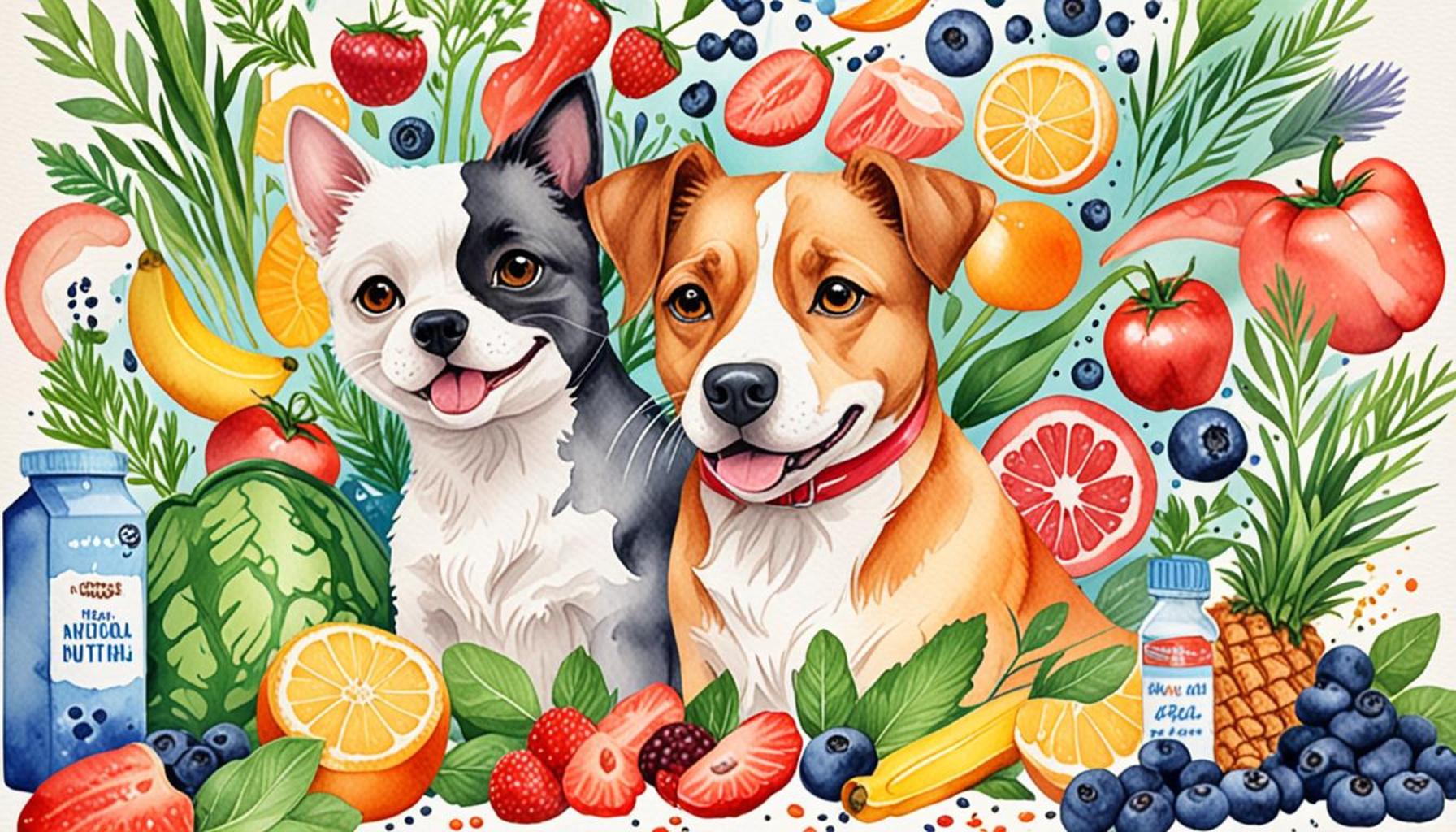
Understanding Natural Diets for Pets: A Comprehensive Approach
For pet owners, ensuring the best health for their companions is a top priority. One transformative approach to achieving this goal is through the adoption of natural diets. These diets prioritize whole, minimally processed foods, a choice that can lead to significant health improvements for our pets.
Natural diets focus on incorporating ingredients that mirror what pets would consume in the wild. This includes:
- Fruits and vegetables: These provide essential vitamins and minerals. Examples like carrots, apples, and spinach are rich in antioxidants, which can boost the immune system.
- High-quality proteins: Protein sources such as chicken, beef, or fish support muscle development and provide energy. Local favorites like goat meat or tilapia can also be excellent protein choices.
- Healthy fats: Incorporating oils such as fish oil can enhance skin health and improve joint mobility. Omega-3 fatty acids found in these fats are particularly beneficial for reducing inflammation.
Transitioning to a natural diet has been shown to yield substantial benefits. Research indicates that many pets experience:
- Improved digestion: Natural diets can enhance gut health, leading to better nutrient absorption and reduced gastrointestinal issues.
- Healthier skin and a shinier coat: Ingredients rich in omega-3 and omega-6 fatty acids contribute to a glossy coat and can alleviate skin issues like dryness or allergies.
- Increased energy levels: A balanced diet aids in maintaining optimal energy, allowing pets to enjoy their playful antics without fatigue.
In Nigeria, there is a growing trend among pet owners toward utilizing local food sources to create balanced meals for their animals. Fresh fish, vegetables, and locally sourced proteins are gaining popularity, not only enhancing the health of pets but also supporting local farmers and the economy. This approach can foster a sense of community and promote sustainability.
However, transitioning to a natural diet should be approached with care. Every pet has unique nutritional needs based on several factors such as age, breed, and activity level. Engaging a veterinarian is vital in crafting a natural diet tailored to these specific requirements. They can offer guidance on the right balance of ingredients to ensure your pet receives all necessary nutrients.
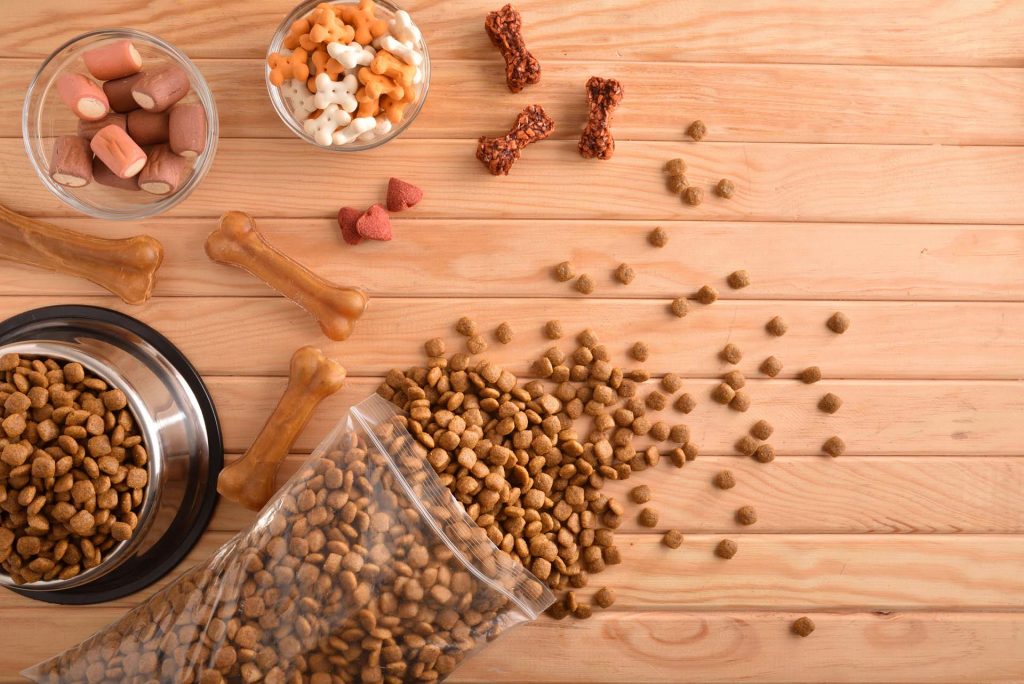
Join us as we explore the specific components of pet diets, delve into case studies of successful transitions, and share practical tips to help you embrace natural diets for your pets effectively. Exploring these options can lead to happier, healthier companions, and a deeper bond between you and your furry friends.
The Benefits of Natural Diets for Pets: Unlocking Health Potential
By choosing a natural diet, pet owners can unlock a myriad of health benefits that go beyond basic nutrition. Natural diets reflect the diets of feasting animals in the wild, emphasizing wholesome, organic ingredients. These diets have garnered significant attention as they pave the way for improved health, vitality, and longevity in pets.
The positive impact of a natural diet on a pet’s health can manifest in several distinct areas:
- Enhanced Immune Function: The inclusion of natural ingredients like fruits such as guava and vegetables such as bitter leaf can bolster the immune system. These foods are packed with antioxidants that combat free radicals, potentially reducing the likelihood of diseases.
- Weight Management: Many commercial pet foods are laden with fillers and artificial additives. Natural diets allow for precise control over ingredients, which can help maintain an ideal weight and combat obesity-related issues, often prevalent amongst urban pets in Nigeria.
- Reduced Allergies: A natural diet often avoids the common allergens found in processed pet foods, such as artificial colors and preservatives. Ingredients like local grains and legumes can potentially alleviate skin irritations and digestive issues linked to food sensitivities.
In Nigeria, pet owners are increasingly becoming aware of how local produce can play a crucial role in their pet’s diet. For example, ingredients such as cassava leaves, peanuts, or even local fish varieties can be integrated into a pet’s meals. These foods not only provide essential nutrients but also promote sustainable practices by reducing reliance on imported pet food products.
Moreover, introducing a variety of natural ingredients can lead to a more regulated digestive process. Ingredients like sweet potatoes and plantains are known for being highly digestible while providing vital fiber content. This can alleviate common gastrointestinal disturbances such as diarrhea or constipation in pets.
Research supports these claims; a study published in the Journal of Animal Nutrition found that pets transitioned to a natural diet showed a remarkable improvement in digestive health, showcasing more consistent bowel movements and reduced instances of gas and bloating. Such improvements often contribute to an overall happier disposition in pets, as evidenced by increased playfulness and reduced lethargy.
However, adopting a natural diet isn’t a one-size-fits-all solution. Factors such as a pet’s age, breed, and existing health conditions must be taken into account. A customized approach is imperative, and consulting with a veterinarian who understands your pet’s unique needs can lead to an effective, health-enhancing dietary plan.
As we navigate through the complexities of pet nutrition, the transformative effects of natural diets clearly speak to the potential they hold in improving the overall health of our beloved companions. Interested pet owners can delve deeper into practical recipes and insights into setting up balanced meals in the following sections of this article.
| Advantage | Details |
|---|---|
| Enhanced Digestion | Natural diets rich in fiber support better digestion in pets, reducing gastrointestinal issues. |
| Improved Skin and Coat Health | Natural ingredients provide essential fatty acids, promoting shiny coats and healthy skin. |
Natural diets for pets consist of whole foods that seek to mimic the evolutionary diet of the species. One of the most significant advantages of these diets is the potential for enhanced digestion. With a rich fiber profile from vegetables, fruits, and whole grains, pets benefit from optimal digestion, leading to fewer gastrointestinal issues such as bloating and constipation.Furthermore, another remarkable benefit of natural diets is their ability to improve skin and coat health. Many commercial pet foods are laden with fillers and artificial ingredients that do not contribute to overall health. In contrast, natural diets are packed with nutrient-dense foods that include essential fatty acids necessary for maintaining a shiny and healthy coat. By focusing on natural and organic ingredients, pet owners can significantly improve their furry friends’ quality of life and vitality. Additionally, incorporating a variety of proteins and vegetables ensures that pets receive all the necessary vitamins and minerals tailored to their specific needs. As the interest in holistic pet care continues to grow, exploring the rotating options within natural diets can yield even greater health benefits.
Customizing Natural Diets for Optimal Pet Health
Delving deeper into the concept of natural diets, it’s essential to consider how these diets can be tailored to meet the specific needs of pets, ensuring a balanced and nutrient-rich intake. The understanding that not all pets are the same paves the way for a more nuanced approach to nutrition.
One significant factor to consider is protein sources. In Nigeria, locally sourced proteins such as chicken, goat, or even eggs from free-range poultry can provide a rich protein profile essential for muscle development and overall vitality. These sources are not only cost-effective but are also fresher and free from harmful chemicals often found in imported options.
Moreover, the incorporation of healthy fats is vital in a natural diet. Oils derived from sources like coconut or fish can enhance skin and coat health, combating issues like dryness and irritability that many pets face. Additionally, healthy fats play a critical role in brain health, particularly for growing puppies and kittens. By selecting oils that are rich in Omega-3 and Omega-6 fatty acids, pet owners can greatly improve their pets’ cognitive function and emotional well-being. As these ingredients become more accessible through local vendors, pet owners should consider using them to enhance their pets’ diets.
- Variety is Key: Introducing a mix of meats, vegetables, and grains can help ensure a spectrum of nutrients. For example, combining rice with green leafy vegetables like ugu (pumpkin leaves) not only offers fiber but also augments vitamins necessary for optimal health.
- Supplements and Nutraceuticals: While whole foods are paramount, sometimes pets can benefit from supplementary minerals and vitamins. Natural supplements derived from local herbs like moringa and neem can provide additional health benefits, contributing to enhanced vitality and resistance to ailments.
- Hydration Matters: A natural diet that includes moisture-rich foods can help keep pets hydrated. Foods like watermelon or cucumber can be invaluable for hydration, especially during the hotter months, promoting healthy kidney function and overall well-being.
Furthermore, pet owners should not overlook the importance of food rotation. Regularly changing a pet’s diet by introducing new ingredients can prevent the development of food sensitivities and intolerances. By diversifying their meals, owners naturally keep their pets excited about meal times while ensuring that a wide range of nutrients is consistently delivered.
Consideration of age and health conditions is imperative when customizing natural diets. Puppies, for instance, have vastly different nutritional needs compared to senior pets. Younger animals require higher levels of protein and calories to support growth, while older pets benefit from a diet that includes joint-supporting nutrients such as glucosamine. Additionally, pets suffering from specific health conditions, like obesity or diabetes, may need tailored nutritional approaches that limit certain types of carbohydrates or sugars found in conventional diets.
Finally, the role of quality control in sourcing natural ingredients cannot be overstated. Pet owners in Nigeria should aim for organic or minimally processed foods to maximize the health benefits of their pets’ diets. Engaging with local farmers and reputable suppliers who prioritize sustainable practices can ensure that pets receive the best possible nutrition without the risks associated with industrial pet food production.
As pet owners assess the potential of enhancing their pets’ health through natural diets, the choice to prioritize local and wholesome ingredients offers a path not only to healthier pets but also to fostering a sustainable community ecosystem.
Conclusion: Unlocking the Potential of Natural Diets for Your Pet’s Health
In the quest for optimal pet health, natural diets present a transformative approach that prioritizes well-being through local and wholesome ingredients. As we have explored, customizing these diets based on specific needs not only enhances nutrition but also fosters vitality and longevity. By incorporating locally sourced proteins, healthy fats, and a variety of fruits and vegetables, pet owners can significantly improve their furry companions’ energy levels, coat quality, and overall health status.
It is vital to recognize that a one-size-fits-all approach does not work in pet nutrition. Taking into account age, health conditions, and dietary preferences can tailor diets that promote better health outcomes. Furthermore, the integration of moisture-rich foods and the practice of food rotation can keep pets engaged and help prevent dietary sensitivities, while supplements derived from native herbs can provide added nutritional boosts.
As the pet food landscape evolves, pet owners should remain vigilant about quality control, opting for organic or minimally processed ingredients that enhance nutritional value without the risks associated with commercial pet foods. Embracing a sustainable approach by supporting local agriculture not only benefits pets but also strengthens community ties.
In conclusion, embracing natural diets stands as a powerful strategy for improving pet health and fostering a balanced, vibrant lifestyle. As you contemplate transitioning your pet to a natural diet, consider the multitude of options available and be prepared for the positive changes you will witness in your pet’s life.