How Climate and Environment Affect Pet Health

The Impact of Climate on Pet Health: Insights for Nigerian Pet Owners
Changes in climate and environmental conditions significantly influence the well-being of our cherished pets. Factors such as rising temperatures, humidity levels, and pollution not only affect the ecosystem but also the health of our furry friends. Pet owners in Nigeria, where climatic influences can vary substantially across regions, must be acutely aware of these shifts to better ensure the health and happiness of their pets.
- Heat Stress: As temperatures continue to rise due to climate change, pets are increasingly becoming susceptible to heat-related illnesses. Unlike humans, pets cannot efficiently regulate their body temperature. Conditions like heat exhaustion and heatstroke can develop rapidly, especially in breeds with shorter snouts or thicker fur. For instance, Nigerian pet owners in areas like Lagos, where temperatures can soar above 30°C, should provide ample water and shade during peak sun hours to avoid these health threats.
- Allergies: The fluctuation in climate can alter local flora, leading to variations in pollen counts. These changes can trigger allergies in pets, manifesting as itching, sneezing, or gastrointestinal issues. For example, a rise in humidity could encourage the growth of mold, which can be a substantial irritant. Pet owners ought to monitor their pets for signs of allergies and consult with veterinarians for effective treatments.
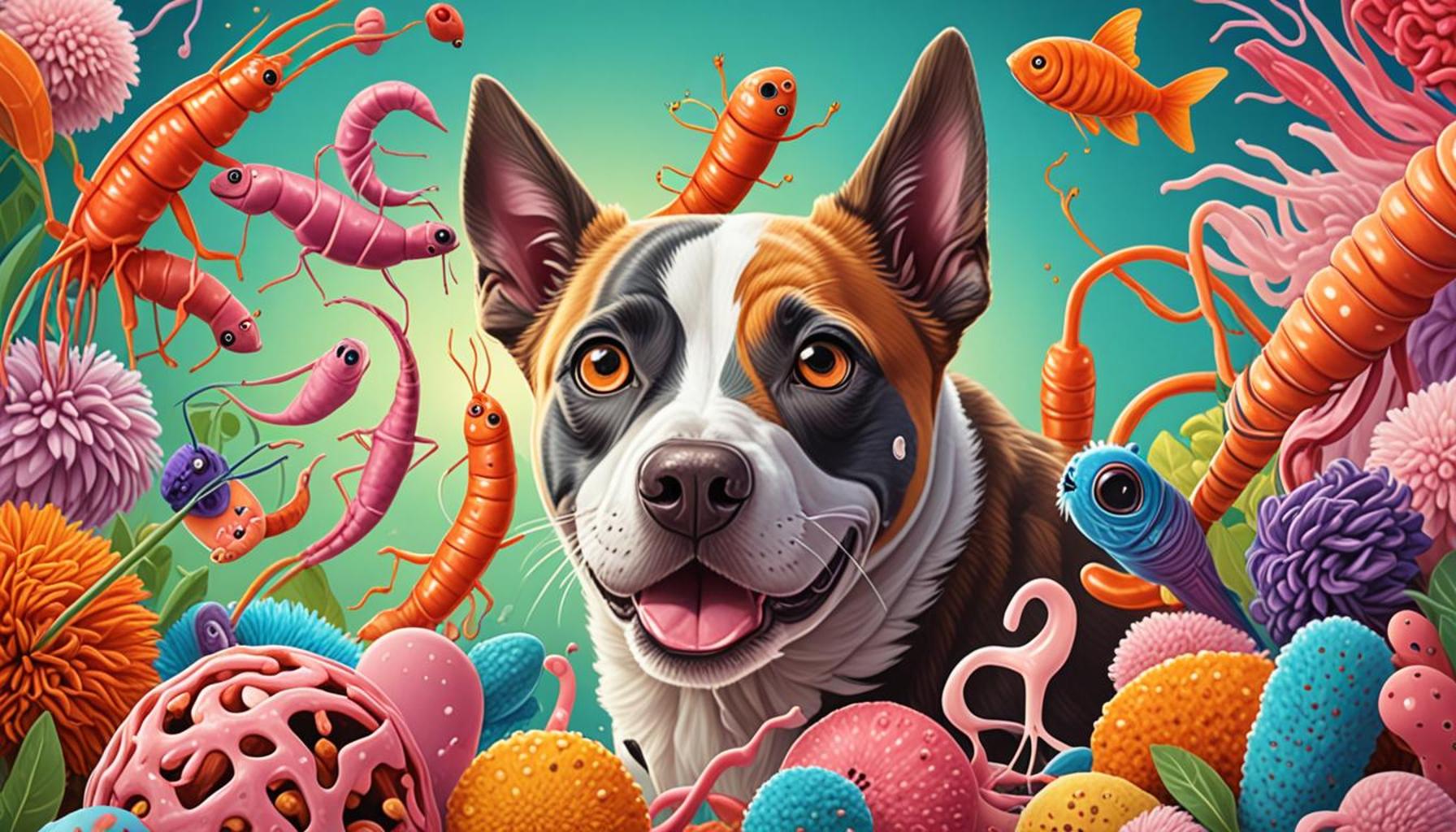
- Parasites: Warmer temperatures provide a more hospitable environment for parasites such as fleas and ticks. In Nigeria, where prolonged rainy seasons can create ideal breeding conditions for these pests, pet owners must be extra vigilant. Regular preventive treatments are crucial to safeguard pets against these harmful intruders. Moreover, keeping living areas clean and inspecting pets regularly can help mitigate these risks.
The implications of climate change in Nigeria can be especially pronounced, as unpredictable weather patterns can drastically alter pet living conditions. For instance, increased rainfall can lead to mud and standing water, areas where mosquitoes breed, potentially increasing the risk of diseases like heartworm. Conversely, prolonged dry spells can lead to water scarcity, complicating pet care.
Additionally, nutrition, exercise, and regular veterinary visits can all be impacted by environmental shifts. Dusty, dry conditions can provoke respiratory issues in pets, while high humidity levels can affect their activity levels. It’s crucial for pet owners to adapt their feeding and exercise routines according to the weather, ensuring proper hydration and safe environments for exercise.
By recognizing the delicate interplay between climate, environment, and pet health, Nigerian pet owners can adopt proactive measures to foster their pet’s well-being. Awareness and informed actions can make all the difference in ensuring that pets not only survive but thrive, even amidst changing climates.
Essential Health Risks Faced by Pets Due to Climate Change
The changing climate poses various health risks to our pets, and understanding these potential threats is crucial for pet owners in Nigeria. Each region has distinct environmental challenges that can directly impact pet health, and awareness of these issues can lead to improved measures for protection and care. Here are some key risks that pet owners should consider:
- Skin Conditions: With the increase in temperature and humidity levels, pets often suffer from skin conditions such as hot spots or fungal infections. Areas like Enugu, with higher humidity, can contribute to the rapid growth of fungi and bacteria, which may lead to sore, itchy skin. Regular grooming and moisture management can alleviate some of these issues for pets.
- Waterborne Diseases: The rise in heavy rainfall and flooding can contaminate water sources, increasing the likelihood of pets contracting waterborne diseases. Leptospirosis, for instance, is particularly concerning during the rainy season. Pet owners should ensure that their pets drink clean water and avoid stagnant pools that can harbor harmful pathogens.
- Respiratory Issues: Changes in air quality due to pollution and dust storms can lead to significant respiratory problems in pets. In urban areas like Lagos, high traffic emissions can worsen air quality, making it difficult for pets, especially those with pre-existing conditions like asthma, to breathe comfortably. It’s essential to limit outdoor activity during high pollution days.
- Behavioral Changes: Environmental stressors, including extreme weather or changes in habitat, can affect a pet’s mood and behavior. Pets may exhibit anxiety or fear due to unexpected loud environments caused by storms or construction. Recognizing these behavioral cues and providing a calm environment can help reduce stress.
Furthermore, the nutritional needs of pets can shift with the changing climate. As the temperature rises, pets may require adjustments in their diets to ensure they are receiving adequate nutrition while preventing obesity and other health issues. For instance, in hot weather, lighter meals and fresh water are imperative to combat heat stress.
Regular veterinary check-ups become even more critical in these changing conditions. Vaccinations and preventive care can help shield pets from illnesses that thrive in warmer climates. Pet owners should take advantage of local veterinary resources to stay informed about the best practices for maintaining their pets’ health in light of environmental changes.
As pet owners in Nigeria navigate the various health challenges presented by climate fluctuations, being proactive is essential in preserving the health and happiness of pets. By recognizing potential risks and adapting care strategies, pet owners can mitigate the effects of a changing environment and enhance their pets’ quality of life.
| Advantage | Impact on Pet Health |
|---|---|
| Improved Air Quality | Clean air reduces respiratory issues in pets, promoting overall health. |
| Temperature Regulation | A stable environment aids in thermoregulation, supporting pet comfort and health. |
| Preventing Pests | Optimal climate can reduce the prevalence of pests that carry diseases affecting pets. |
| Enhanced Food Sources | Healthy environments support better nutrition, influencing pet vitality and immunity. |
Understanding how climate and environmental factors interact with pet health is a vital aspect for pet owners. For instance, improved air quality can significantly reduce the prevalence of respiratory issues in pets, translating to longer and healthier lives. Regular temperature regulation is not just a comfort matter; it plays a crucial role in pets’ ability to maintain their internal heat—keeping them healthy and active. Moreover, controlling environmental conditions can lead to a decrease in pests like ticks and fleas that are notorious for harboring diseases. Furthermore, the quality of food sources in a stable climate environment directly influences not just a pet’s energy levels but also their immunity against various ailments. This interlinking of climate and pet health calls for awareness and proactive measures among pet owners to ensure their furry friends thrive in a healthy environment.
Environmental Changes Impacting Pet Well-Being
The intersection of climate and environmental shifts creates a cascading effect on pet health that is often underestimated by pet owners. As urbanization increases and constants like deforestation and pollution take hold, the ramifications can deeply affect the physical and psychological well-being of pets. Understanding these factors is essential for safeguarding the health of our furry companions.
- Increased Parasite Activity: Warmer temperatures have shown a correlation with the proliferation of parasites such as fleas, ticks, and mosquitoes. Regions like Lagos and Port Harcourt, with their humid climates, become breeding grounds for these pests. These parasites not only cause irritation but can also transmit serious diseases such as heartworm and Lyme disease. Regular pest prevention treatments and routine checks for signs of infestations become critical, especially during the warmer months.
- Heat Stress and Heatstroke: The risk of heat stress skyrockets as temperatures climb. Pets, especially those with thick coats or brachycephalic breeds like Bulldogs and Pugs, may struggle to cope with heat. Many owners may overlook the signs of heat exhaustion — excessive panting, drooling, or lethargy — which can lead to heatstroke, a condition that can quickly become fatal. Keeping pets cool during hot spells, and limiting exercise to cooler hours of the day, is paramount to prevent heat-related illnesses.
- Contaminated Food Sources: Climate fluctuations can affect food sources and exacerbate contamination issues. Extreme weather events may lead to crop failures, which can decrease the quality of pet food available. In addition, rising temperatures can affect the shelf life of commercially packaged food, making it more susceptible to spoilage and bacteria growth. Pet owners should be vigilant about food quality and consider consulting veterinarians about nutritional needs that could fluctuate due to these environmental factors.
- Allergies and Sensitivities: Changes in climate can also influence allergen levels in the environment. Pollen from trees, grasses, and weeds tends to increase with warmer temperatures, which can trigger allergic reactions in pets. Symptoms may include itching, sneezing, or even gastrointestinal upset. Identifying specific allergies and working with a veterinarian on treatment options can greatly improve a pet’s quality of life during allergy season.
In addition to these health risks, the mental well-being of pets is also susceptible to environmental stressors. Sudden changes in weather leading to thunderstorms or shifts in routine due to flooding can cause anxiety in pets, leading to behavioral issues such as destructive chewing or excessive barking. Creating a safe space or providing comfort through familiar toys can help alleviate some of this anxiety.
Understanding the intricate ways in which climate and environmental changes impact pet health allows Nigerian pet owners to think critically about preventative measures. By staying informed and preparing for the various challenges these shifts bring, not only can pet owners advocate for their pets’ health, but they can also contribute to a more stable and nurturing environment for their four-legged family members.
Conclusion
As we have seen, the impact of climate and environmental changes on pet health cannot be overstated. With rising temperatures, increased urbanization, and shifting weather patterns becoming the norm, pets are facing numerous health challenges that require our immediate attention. From the increased prevalence of parasites and heat stress to food quality concerns and allergies, the effects of these environmental changes ripple through the lives of our furry companions.
Moreover, the psychological toll on pets, as they navigate the stresses of environmental fluctuations and shifting routines, is equally concerning. As responsible pet owners in Nigeria, we must take proactive steps to mitigate these challenges. This includes implementing consistent pest control measures, ensuring a balanced diet, monitoring for signs of heat stress, and providing emotional support during thunderstorms or other stressful events.
By being informed and prepared, we can not only safeguard our pets’ health but also promote a healthier and more stable environment for all animals. Recognizing the intricate relationship between climate effects and pet well-being invites us to act—not just for our own pets, but for the broader ecosystem that sustains them. As we continue to adapt to environmental changes, let us prioritize the health of our beloved companions and educate ourselves about best practices for their care.
In essence, understanding how climate affects pet health empowers every pet owner, leading to informed decisions that contribute to the overall vitality of our pets and a caring community. Engaging in further research on this critical topic will only enhance our ability to advocate for our pets’ best interests in a rapidly changing world.