How aromatherapy can contribute to emotional well-being
Exploring the Benefits of Aromatherapy
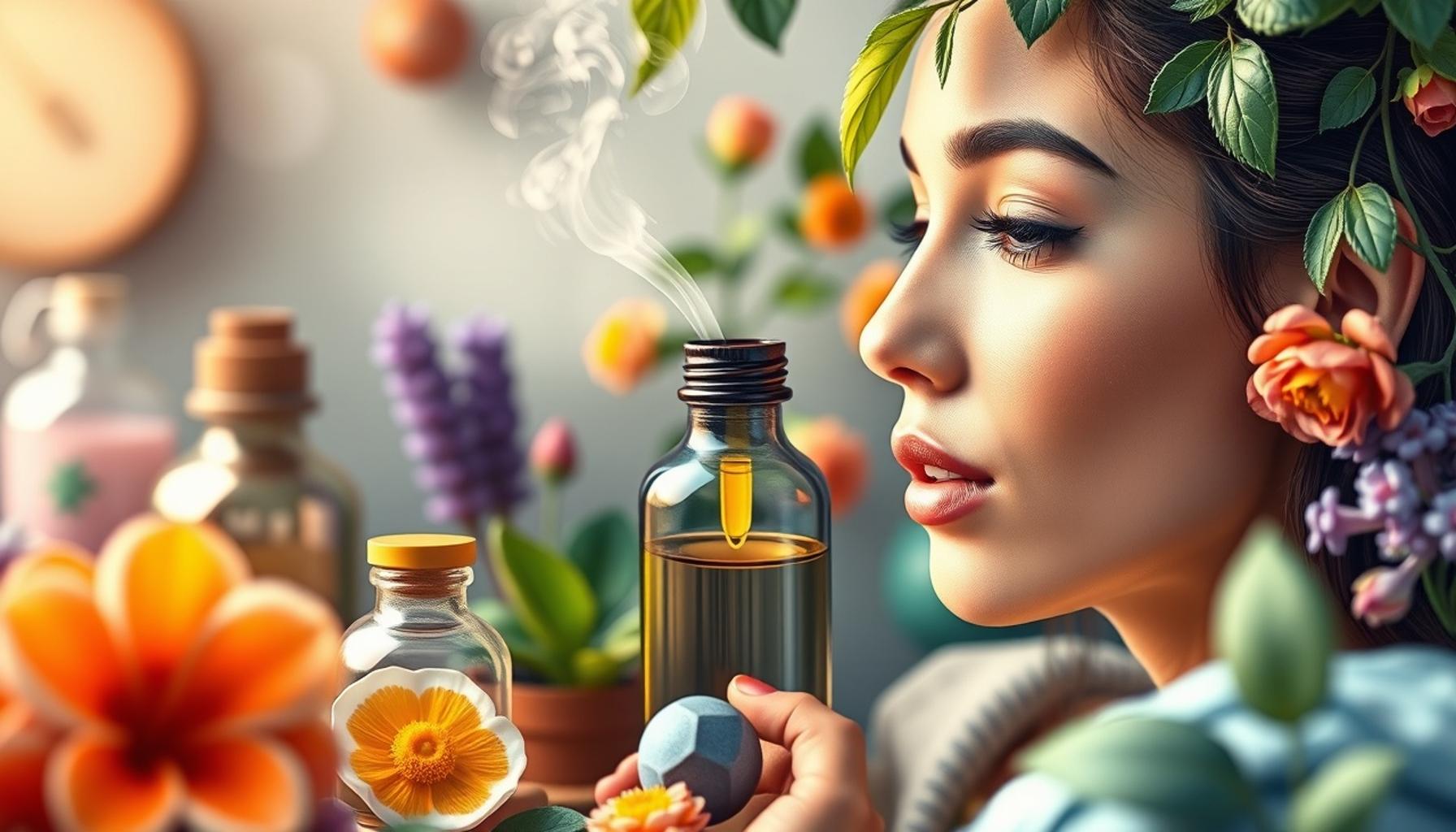
Aromatherapy is gaining traction as a holistic practice that offers a range of potential benefits for emotional well-being. By utilizing the natural properties of essential oils, this approach serves as a therapeutic avenue for many individuals seeking to enhance their mental health and emotional balance. The scientific basis behind aromatherapy lies in the brain’s olfactory system, where scents are processed, leading to profound emotional and physiological responses.
The connection between scent and emotion is both complex and deeply rooted in our biology. For instance, the limbic system, the part of the brain involved in emotional regulation, is highly responsive to fragrance. When individuals seek to improve their well-being, many turn to aromatherapy for a variety of reasons, including:
- Stress Reduction: Essential oils such as lavender and chamomile are frequently chosen for their calming properties. Studies have shown that inhaling lavender oil can significantly reduce anxiety levels, making it a popular choice for those seeking relief from daily stresses.
- Improving Mood: Citrus oils like orange and lemon are known for their uplifting scent, which may evoke feelings of euphoria and motivation. Research has indicated that these oils can effectively combat feelings of depression, thus promoting a positive outlook.
- Enhancing Sleep: Oils like vetiver and sandalwood are often utilized to create a soothing sleep environment. Many people incorporate these scents into bedtime rituals, which can lead to improved sleep quality and duration.
- Boosting Cognitive Function: Oils such as rosemary and peppermint are renowned for their ability to enhance focus and clarity. For example, studies suggest that the aroma of rosemary can improve memory retention and overall cognitive performance, making it a suitable accompaniment for studying or working.
This ancient practice has modern-day relevance, perfectly aligning with the increasing emphasis on mental health in the United States. With a surge in awareness regarding the importance of self-care, many people are discovering how <>aromatherapy can be integrated into their daily lives. By diffusing oils at home, using them in massage therapy, or incorporating them into meditation practices, individuals can explore the positive impacts of these natural remedies on emotional well-being.
Moreover, the field of aromatherapy continues to advance, with new research validating its effectiveness. As more studies emerge, individuals interested in natural remedies are encouraged to investigate how tailored approaches to aromatherapy can address their specific emotional needs. Regardless of how one chooses to incorporate scents into their routine, the potential benefits suggest aromatherapy is more than just a pleasant experience—it’s a pathway to improved mental health.
The Science Behind Scent and Emotion
The impact of aromatherapy on emotional well-being can be traced back to its roots in ancient healing practices, where essential oils were utilized for their therapeutic properties. In contemporary society, the growing interest in mental health has led to a resurgence in the use of essential oils as a means of self-care. Research indicates that inhaling specific scents can induce physiological changes that promote relaxation, boost mood, and create a sense of well-being.
The role of the olfactory system in our emotional responses cannot be overstated. When we inhale a particular fragrance, the scent molecules interact with receptors in the nasal cavity, sending signals to the limbic system—the area of the brain responsible for emotional processing. This explains why certain smells can evoke vivid memories or feelings, often linked to past experiences. For example, the aroma of freshly baked cookies may remind someone of their childhood, instigating feelings of nostalgia and comfort. Such connections underscore the potential power of aromatherapy in influencing our emotional landscapes.
Essential Oils and Their Effects
Different essential oils possess unique characteristics that can cater to various emotional needs. Here are several essential oils commonly associated with specific emotional benefits:
- Lavender: Renowned for its calming properties, lavender oil is frequently employed to combat anxiety and stress. Studies indicate that lavender can decrease heart rate and blood pressure, providing a physical response to emotional unrest.
- Ylang Ylang: This exotic scent is believed to promote relaxation and happiness, often used to alleviate feelings of fear and anger. Its fragrant profile can instill a sense of balance, contributing to emotional stability.
- Frankincense: Historically utilized in spiritual practices, frankincense is noted for its grounding effects. It can enhance meditation and promote a sense of inner peace, assisting in reducing feelings of overwhelming anxiety.
- Citrus Oils: Oils such as lemon, orange, and grapefruit are celebrated for their energizing properties. These bright scents can uplift mood and invigorate mental clarity, making them ideal for those experiencing fatigue or lethargy.
The versatile nature of essential oils allows for individualized aromatherapy experiences. By understanding the unique properties of each oil, individuals can curate their own blends or select specific scents that resonate with their emotional needs. This element of personalization is crucial, as it empowers individuals to take an active role in their emotional health journey.
Incorporating aromatherapy into daily practices can be as simple as diffusing essential oils in one’s living space, adding a few drops to a warm bath, or employing them during meditation sessions. These practices not only enhance the ambiance but also foster a deeper connection to self-care and emotional well-being.
| Aromatherapy Benefits | Emotional Enhancements |
|---|---|
| Stress Reduction | Essential oils like lavender and chamomile are known to reduce stress levels significantly, promoting a sense of calm. |
| Mood Lifting | Citrus oils such as lemon and orange can uplift the mood, providing natural energy boosts that help relieve feelings of sadness and anxiety. |
Investigating further, it is evident that the use of essential oils extends beyond mere fragrance. The impact on mental health is profound, as many studies have shown that specific aromas can trigger positive emotional responses. For instance, the scent of peppermint has been linked to increased alertness and cognitive performance, making aromatherapy a practical tool not just for relaxation, but also for enhancing mental clarity.Another compelling aspect of aromatherapy is its ability to aid in the treatment of sleep disorders. Oils such as bergamot and sandalwood can create a soothing atmosphere conducive to sleep, thus improving the quality of rest and, consequently, emotional stability. The interconnectedness of sleep, mood regulation, and overall psychological health cannot be overstated—it is vital for anyone looking to enhance their emotional well-being.Furthermore, the act of engaging with aromatherapy can also contribute to heightened mindfulness. When individuals take the time to involve their senses, especially through their sense of smell, they often find themselves more present and engaged in the moment. This practice can mitigate the harmful effects of stress and elevate one’s overall quality of life.
The Therapeutic Applications of Aromatherapy
Aromatherapy is transforming the way individuals approach their emotional health, now more than ever establishing itself as a powerful tool in both complementary and alternative medicine. Beyond personal use, the integration of aromatherapy within therapeutic practices like massage therapy, psychotherapy, and holistic wellness is gaining recognition. These setting adaptations highlight the versatile nature of essential oils to cater not only to individual wellness but also to collective healing environments.
One significant area where aromatherapy shines is in the realm of stress reduction. According to a study published in the Journal of Alternative and Complementary Medicine, individuals who participated in aromatherapy massages reported a remarkable decrease in stress levels compared to those who received traditional massages alone. The combination of physical touch and targeted scents results in a synergistic effect, amplifying the benefits of both modalities. Incorporating essential oils like peppermint for invigorating energy or bergamot for stress relief can create a more effective therapeutic environment, propelling one toward emotional stability.
Aromatherapy in Mental Health Supports
The link between aromatherapy and mental health cannot be ignored. Mental health practitioners are now considering essential oils as a complementary approach for varying conditions such as depression, anxiety, and PTSD. For instance, small-scale studies have shown that patients with generalized anxiety disorder may experience significant symptom relief when exposed to scents like chamomile or neroli. These oils not only promote relaxation but also foster a sense of tranquility that can facilitate more profound therapeutic conversations during treatment sessions.
Furthermore, the incorporation of scents into one’s daily routine can play an essential role in managing emotional conditions. A person grappling with sporadic panic episodes might find that keeping a small vial of geranium oil on hand can serve as an effective grounding technique. Inhaling the aroma during heightened anxiety can help shift emotional responses, turning moments of panic into opportunities for calm restoration.
Additionally, several studies highlight the impact of specific scents on sleep quality, a critical element of emotional well-being. Poor sleep patterns are often interlinked with a host of emotional disturbances. Utilizing essential oils like vetiver or roman chamomile in pre-sleep routines can enhance the quality of sleep by promoting relaxation, thus indirectly benefiting emotional health. Proper sleep not only restores energy levels but also helps stabilize mood and cognitive function, essential for daily life.
Creating Personalized Aromatherapy Blends
One of the most engaging aspects of aromatherapy is the creative opportunity to mix and match essential oils to formulate personalized blends. Knowledge about the aromatic profile of each oil allows individuals to craft combinations that resonate with their specific emotional needs. For example, blending lavender with sandalwood may deliver a serene ambiance ideal for evening meditation, while mixing eucalyptus and lemon may invigorate one’s sense of motivation during the workday.
- Awareness of individual needs: Customizing aromatherapy practices fosters an in-depth understanding of one’s emotional landscape, encouraging individuals to identify what calms or uplifts them.
- Seasonal Adjustments: Encouraging individuals to change their oils with the seasons can enhance emotional connections tied to natural rhythms, promoting well-being year-round.
By effectively creating personalized solutions, aromatherapy becomes not just a passive tool, but an active process in managing emotional health. As research continues to unravel the scientific underpinnings of how scent influences emotion, the potential for aromatherapy to integrate further into mainstream therapeutic practices remains promising.
Conclusion: Embracing Aromatherapy for Enhanced Emotional Health
As we navigate the complexities of modern life, the quest for emotional well-being becomes increasingly vital. Aromatherapy, with its rich history and scientifically-backed applications, presents a unique avenue for individuals seeking to foster a balanced emotional state. The profound effects of essential oils, whether experienced through massage therapies, mental health practices, or self-care routines, underscore their potential to enhance emotional resilience and stability.
From reducing stress and anxiety to promoting restful sleep, the therapeutic benefits of specific scents such as chamomile and vetiver can play an important role in managing emotional challenges. Moreover, by creating personalized blends that resonate with individual emotional needs, practitioners can empower themselves to take charge of their mental health in innovative ways.
Aromatherapy is not merely an alternative method but an increasingly recognized complement to traditional mental health strategies. As research continues to illuminate the relationship between scent and emotional processing, we can anticipate a future where essential oils are more widely integrated into holistic wellness practices across the United States. Whether you are seeking tranquility through meditation or seeking to alleviate daily stressors with invigorating fragrances, the possibilities offered by aromatherapy invite each individual to explore their emotional landscapes more deeply. Like a gentle breeze carrying the scent of blooming flowers, the journey with aromatherapy can usher in a fresh perspective on emotional health, encouraging us all to embrace the healing power of nature.