Homemade diets vs. commercial food: which is the better choice for cats?
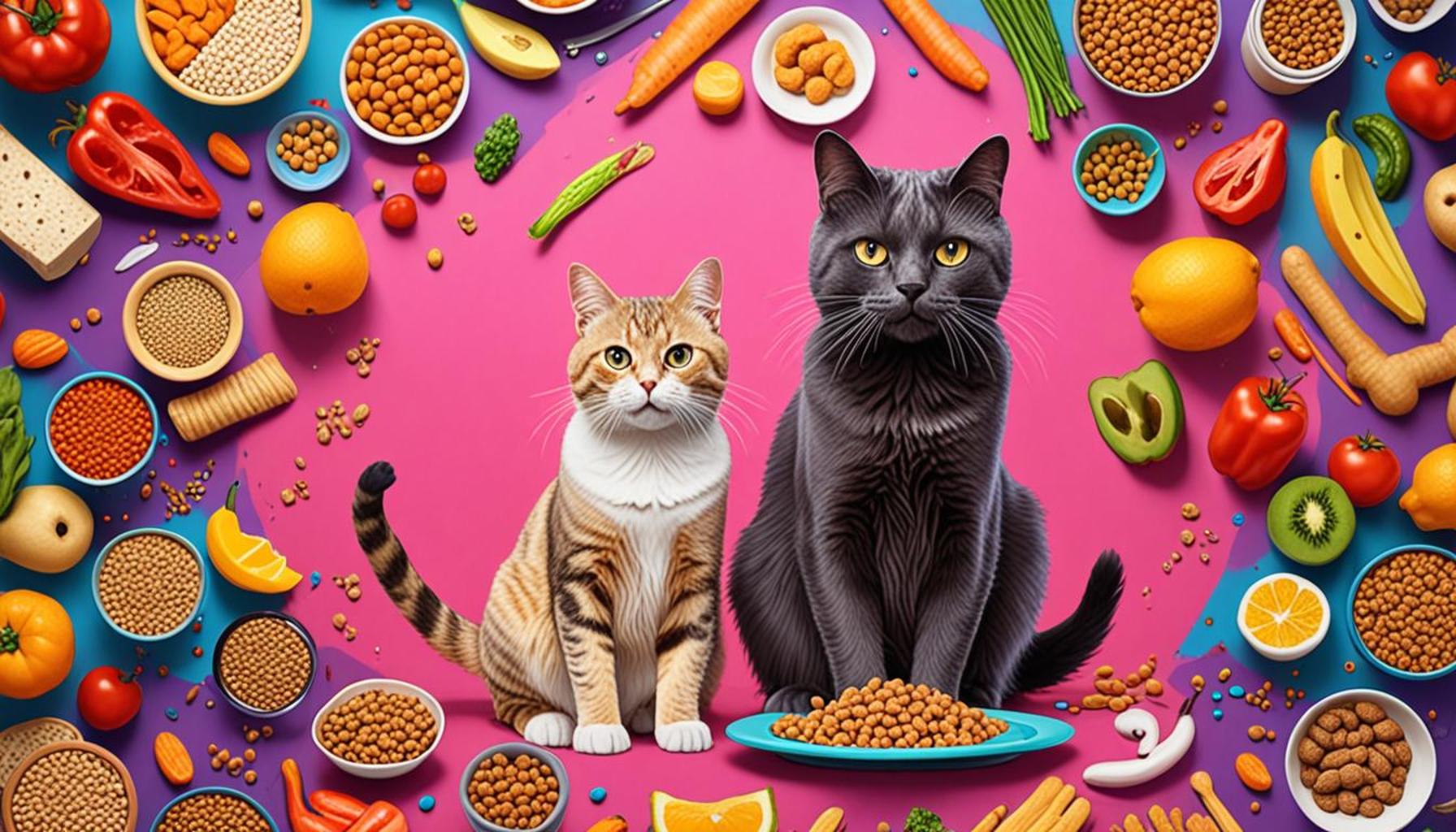
Understanding the Choices for Your Feline Friend
The world of cat nutrition offers two main avenues to explore: homemade diets and commercial cat food. Each has its own set of pros and cons, making the decision quite complex for pet owners. With the rise in awareness of pet health, many cat parents in Nigeria are increasingly weighing these options.
Why Consider Homemade Diets?
Homemade diets are often seen as a way to provide fresher, more wholesome ingredients, which is a significant factor for many conscientious pet owners. A primary advantage is the control of ingredients. You know exactly what goes into your cat’s meal, ensuring it’s free from fillers, artificial preservatives, and by-products that can sometimes be present in commercial foods.
Moreover, customization of meal plans can greatly benefit cats with specific health concerns, such as allergies or sensitivities to certain ingredients. For example, if a cat is known to have a reaction to poultry, a homemade diet can be tailored by substituting chicken with other protein sources like fish or beef. This level of control can lead to improved health outcomes for pets.
Another compelling factor is freshness. Homemade meals can be prepared shortly before they are served, helping to retain essential nutrients that might otherwise degrade over time in packaged foods. Ingredients such as fresh meats, vegetables, and grains can contribute to a more natural diet, closely mimicking what felines might have consumed in the wild.
The Appeal of Commercial Food
On the other hand, commercial cat food offers significant benefits, particularly in terms of convenience and consistency. This convenience can be a game-changer for busy households or for those who might feel uncertain about preparing meals from scratch. With the right commercial brand, pet owners can be assured that their cats receive balanced nutrition, as most products meet the dietary requirements set by pet food authorities. Many reputable brands provide a well-calibrated mix of proteins, fats, vitamins, and minerals critical for feline health.
Furthermore, accessibility is another hallmark of commercial cat food. In cities across Nigeria, from bustling Lagos to the quieter outskirts of Enugu, a variety of cat food brands can be found in local shops, enabling pet owners to easily maintain their cats’ diet. This is particularly helpful for first-time cat owners who may feel overwhelmed by the complexities of homemade diets.
Lastly, the variety of flavors and formulations available caters to even the pickiest of eaters. Brands often create specialized foods, like those tailored for weight management or enhanced digestion, ensuring that there is an option for every cat’s preference and need.
As a cat owner, the choice between these two options will significantly impact your feline’s health. Understanding the nuances involved can help you make a more informed decision for your pet’s diet. By weighing the benefits of homemade versus commercial food, you are taking an essential step towards ensuring a happier and healthier life for your beloved companion.
Evaluating the Ingredients: Quality Over Quantity
When navigating the debate of homemade diets vs. commercial food, one of the most critical factors to consider is the quality of ingredients. Homemade diets can be meticulously crafted to include high-quality proteins, fresh vegetables, and wholesome grains, avoiding the secondary ingredients often found in mass-produced commercial options. However, the journey to a balanced homemade diet is paved with challenges.
Creating well-rounded meals at home requires both knowledge and dedication. It is crucial for cat owners to ensure that their homemade meals provide all essential nutrients. Cats are obligate carnivores, meaning they need certain nutrients that are primarily found in animal products, such as taurine, arginine, and vitamin A. Neglecting any vital component can lead to severe health issues over time. Therefore, it’s advisable to consult with a veterinarian or a pet nutritionist before embarking on a homemade diet for your feline.
To help cat owners navigate these tricky waters, here are some considerations to keep in mind when crafting a homemade diet:
- Ingredient Variety: Incorporating a range of protein sources such as fish, turkey, and organ meats can enrich your cat’s diet.
- Nutritional Balance: There must be a balance of proteins, fats, carbohydrates, vitamins, and minerals. Supplements may be needed to fill nutrient gaps.
- Hygiene Practices: Fresh ingredients must be handled properly to prevent contamination, as raw food diets can carry risks of bacterial infections.
Commercial Cat Food: The Science of Convenience
In contrast, commercial cat food brands have invested significantly in research and development. Most products undergo rigorous testing to meet standards set by associations such as the Association of American Feed Control Officials (AAFCO), ensuring cats receive complete and balanced diets. This convenience resonates particularly with busy cat owners in Nigeria who may lack the time or expertise necessary for meal preparation.
It is important to note that not all commercial cat foods are created equal. The market boasts an array of options, from budget brands that may employ low-quality fillers to premium lines formulated with organic ingredients. Here are some pointers for selecting high-quality commercial food:
- Read Labels: Look for named meat sources as the first ingredient, such as “chicken” or “salmon,” instead of vague terms like “meat by-products.”
- Avoid Artificial Additives: Steer clear of products that contain artificial flavors, colors, or preservatives.
- Check for Special Formulations: Brands often have specific formulas for different life stages (kitten, adult, senior) and health issues (weight management, sensitive stomachs).
As cat lovers sift through the options available, understanding the nutritional implications behind both homemade diets and commercial food choices can guide them toward making the best decision for their pets. Ultimately, whether you lean towards the personalized touch of homemade meals or the consistency of commercial products, the health and happiness of your feline friend should always be the priority.
| Aspect | Details |
|---|---|
| Nutritional Control | Homemade diets allow owners to know exactly what their cats are consuming, enabling balanced nutrition tailored to specific health needs. |
| Ingredient Quality | With homemade diets, ingredients can be chosen based on quality, possibly leading to fresher and healthier meals than some commercial foods. |
When exploring the world of feline diets, pet owners often confront a crucial question: “Should I opt for a homemade diet or stick with commercial cat food?” The answer is not straightforward, as both meat-based home-cooked meals and processed kibbles have distinct advantages. With homemade meals, you gain optimal nutritional control; adjusting meals to suit your cat’s unique dietary requirements becomes effortless. Some cats may have specific allergies or health issues that necessitate a tailored meal plan. Furthermore, the ingredient quality used in homemade diets allows conscientious pet owners to select premium components, potentially enhancing their pets’ overall well-being. In contrast, commercial cat food is formulated to meet the nutritional standards set by veterinary authorities, ensuring all essential vitamins and minerals are included for a balanced diet. Understanding the balance between these two food sources grants cat owners invaluable insight into the best dietary choices for their furry companions.
The Cost Factor: Balancing Budget and Nutrition
Another pressing issue in the debate of homemade diets vs. commercial food lies in the financial implications. Many cat owners in Nigeria are conscious about their spending, particularly in an economy where costs can be unpredictable. Homemade diets can sometimes appear to be more cost-effective due to perceived savings on bulk ingredients; however, the reality is nuanced.
When calculating the cost of homemade meals, owners must consider not only the price of fresh ingredients but also the potential for waste and the time commitment involved in meal preparation. On the other hand, while premium commercial cat foods may come with a higher price tag, they often include a formulation that is nutritionally complete, offering convenience and expert guidance that can offset any additional costs for busy households.
Budget Constraints and Nutritional Needs: It’s essential for cat owners to assess their own budget against the nutritional needs of their pets. Research indicates that high-quality commercial foods can provide a complete dietary solution tailored to your cat’s specific requirements, potentially saving cat owners money in the long run by reducing the risk of costly veterinary visits due to nutritional deficiencies.
Furthermore, local markets in Nigeria offer a range of commercial cat foods at various price points. Exploring these options, including lesser-known brands that may be more affordable, can lead to discovering nutritious products that meet AAFCO guidelines without straining your wallet.
Impact on Health: Short-term vs. Long-term Considerations
Health implications associated with homemade and commercial diets can differ significantly. While a homemade diet allows for control over ingredients, it can result in long-term health issues if not balanced adequately. For instance, a cat fed an unbalanced homemade diet may experience a deficiency in taurine, which can lead to heart disease or vision problems, a fate that could be avoided with a well-researched commercial diet.
On the flip side, some commercial cat foods are criticized for including low-quality filler ingredients, which may impact your cat’s overall health over time. However, many reputable brands are stepping up to offer grain-free, high-protein alternatives that align with the nutritional needs of modern cats.
Allergies and Sensitivities: Another important consideration is food allergies and sensitivities. Some owners find that homemade diets allow them to pinpoint and eliminate specific allergens, providing a tailored nutrition plan that addresses their pet’s unique needs. Meanwhile, commercial options are increasingly accommodating allergies and sensitivities, with many brands offering specialized lines for cats with specific dietary requirements.
Ultimately, understanding the risks associated with both feeding approaches—such as nutrient deficits in homemade diets or the potential for recalls in commercial foods—can empower cat owners to make informed choices. In Nigeria, it is crucial to stay updated on food safety recalls and emerging nutrition science that may inform your feeding strategy, whether you choose to whip up something at home or reach for a bag from the store.
Conclusion: Navigating the Best Choice for Feline Nutrition
As cat owners weigh the options of homemade diets vs. commercial food, it becomes evident that each approach comes with its unique set of advantages and challenges. Homemade diets can provide the benefit of ingredient control, allowing owners to tailor meals to their cat’s specific tastes and sensitivities. However, achieving a balanced diet that meets all nutritional needs requires extensive knowledge of feline nutrition, which can be daunting for many.
On the other hand, commercial cat foods, especially those from reputable brands, are formulated to deliver balanced nutrition with convenience. They often incorporate expert research and quality control measures, reducing the chances of nutritional deficiencies that could arise with poorly managed homemade diets. Additionally, with a plethora of options available at various price points in Nigerian markets, cat owners can discover cost-effective solutions that don’t compromise on quality.
Ultimately, the choice between homemade and commercial diets should be based on a thorough understanding of a cat’s individual needs, budget constraints, and the owner’s ability to commit to meal preparation. By staying informed about the latest health and nutrition developments in pet care, Nigerian cat owners can make empowered decisions that prioritize their feline companions’ well-being.
In a world where pet health is increasingly recognized as integral to the family dynamic, it is essential to consider the implications of our choices in pet nutrition. Whether one opts for homemade recipes or prioritizes commercial options, the focus should always remain on health, balance, and ensuring that our beloved cats lead vibrant, fulfilling lives.