Holistic Nutrition for Cats: How to Choose Natural and Sustainable Foods
Understanding Holistic Nutrition for Cats
When it comes to your feline companion’s health, choosing the right nutrition is critical. With increasing awareness of pet diets, holistic nutrition has emerged as a popular approach among cat owners. This method prioritizes natural, balanced diets that cater to the overall well-being of your cat.
Why Choose Holistic Nutrition?
- Promotes Overall Health: Holistic nutrition supports not just the physical aspects but also the emotional well-being of your cat. For example, a balanced diet can help reduce stress and anxiety, which are common issues in many domestic cats.
- Natural Ingredients: This approach focuses on food derived from natural sources, free from artificial additives. For instance, brands that utilize real meat and whole grains rather than fillers like corn or soy can provide the necessary nutrients for your cat’s health.
- Sustainability Matters: Making sustainable choices fosters environmental health while caring for your pet. Many companies are now developing eco-friendly packaging and sourcing ingredients that are not only good for cats but also for the planet.
But what exactly does it mean to choose natural and sustainable foods for your cat? The process involves understanding food labels, sourcing ethical products, and ensuring balanced nutrition. Here are key factors to consider when selecting food:
- Ingredients: Look for high-quality proteins such as chicken, turkey, or fish, and avoid fillers and by-products. It’s important to read the ingredient list carefully; ideally, you should see recognizable, whole food ingredients listed at the top.
- Local Sourcing: Choose brands that prioritize local ingredients to reduce carbon footprint. Supporting local farmers and suppliers not only enhances the freshness of the food but also helps strengthen your community’s economy.
- Transparency: Opt for companies that openly share their sourcing and production processes. A reputable brand should be transparent about where they obtain their ingredients and how the food is manufactured, allowing you to make informed choices.
In this article, explore how to navigate the world of holistic nutrition for your cat, making informed decisions that benefit both their health and the planet. By choosing holistic nutrition, you empower yourself to become an advocate for your pet’s health, ensuring they receive the best care possible while actively participating in sustainable practices.
It’s also worth noting that holistic nutrition is not just about the food itself; it encompasses a broader lifestyle approach. This may include incorporating regular exercise and mental stimulation for your cat, such as interactive playtime with toys or providing climbing structures to satisfy their natural instincts. Investing effort into a holistic lifestyle can lead to a happier, healthier feline companion who thrives in their home environment.
Key Considerations for Choosing Holistic Nutrition
When venturing into the realm of holistic nutrition for cats, several critical factors must be weighed carefully. Understanding these elements can empower you to make informed decisions that cater to your feline friend’s health and the environment. Here are some essential considerations to guide you in selecting natural and sustainable foods:
Analyzing the Ingredient List
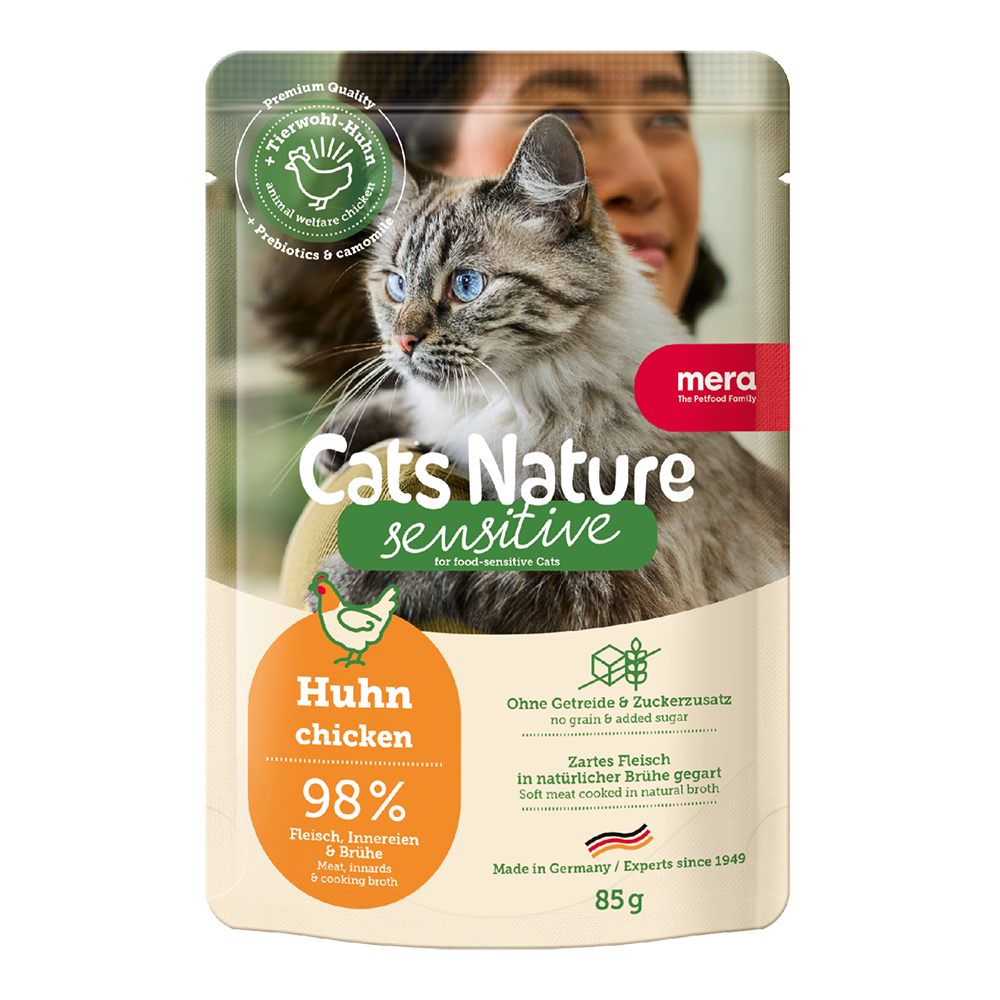
One of the foundation stones of holistic nutrition is a keen attention to the ingredient list. High-quality cat food should ideally highlight protein sources at the top of the list. Look for whole meats such as chicken, turkey, or fish as the primary ingredients. Avoid food that contains fillers, by-products, or vague terms like “meat meal” which can indicate lower-quality ingredients.
- Meat Content: Choose brands with at least 70% real meat, as felines are obligate carnivores and thrive on protein-rich diets.
- Whole Grains and Vegetables: If grains are included, prefer whole grains like brown rice or oats. Additionally, vegetables can provide essential vitamins and minerals, but they should be in moderation.
- Avoid Artificial Additives: Stay clear of foods with artificial colors, flavors, or preservatives, which serve no nutritional purpose and may adversely affect your cat’s health.
The Importance of Nutritional Balance
An effective holistic diet must not only be centered around high-quality ingredients but also focus on nutritional balance. Cats require specific vitamins and minerals to maintain their health. Look for foods that are labelled as complete and balanced, meaning they meet the nutritional standards set by the Association of American Feed Control Officials (AAFCO). This certification ensures that the food provides all the necessary nutrients your cat needs for optimal health.
Sourcing Ethically and Sustainably
Selecting brands that emphasize sustainable sourcing is crucial. Many holistic pet food companies have adopted eco-friendly practices, from responsible farming methods to environmentally conscious packaging. When choosing a food brand, consider the following:
- Company Certifications: Look for companies certified as sustainable or those receiving eco-labels, which validate their commitment to the environment.
- Local Ingredients: Opt for brands that source local ingredients. This helps reduce the carbon footprint associated with transportation and supports local economies.
- Animal Welfare: Ensure that the company adheres to humane practices in animal husbandry and encourages sustainable farming practices. Brands that emphasize ethical treatment of animals appeal to socially conscious pet owners.
By recognizing and understanding these key elements of holistic nutrition, you equip yourself with the knowledge needed to choose a diet that benefits your cat’s physical and emotional health. Armed with this information, you can confidently navigate the aisles of pet food, making choices that promote a healthier life for your cat while contributing positively to the health of the planet.
Understanding Ingredients: Key Factors in Natural Cat Food
When deliberating on holistic nutrition for cats, understanding the ingredients is crucial. Not all cat foods labeled as “natural” or “holistic” meet the same standards, and discerning pet owners should examine product labels with a critical eye. 1. High-Quality Protein Sources: Cats are obligate carnivores, which means they require protein derived from animal sources to thrive. Look for products that list real meats, such as chicken, turkey, or fish, as the first ingredient. This leads to better health outcomes, improved energy levels, and a healthier coat.2. Whole Grains and Vegetables: While cats primarily need animal protein, some whole grains and vegetables can be beneficial for their digestion. Ingredients like brown rice or peas add fiber and valuable nutrients that aid in maintaining healthy digestion.3. Avoiding Fillers: Many commercial pet foods include fillers such as corn and soy, which provide minimal nutritional value. These can lead to obesity and veterinarians frequently recommend grain-free options as more suitable for a cat’s natural diet. 4. Natural Preservatives: Opting for foods that use natural preservatives such as tocopherols (Vitamin E) instead of artificial preservatives can contribute to better long-term health. Cats exposed to fewer chemicals in their food are less likely to experience health issues related to toxins and additives.5. Sustainability Practices: Choosing cat food from companies that commit to sustainable sourcing is not only beneficial for the environment but also adds to the integrity of your cat’s diet. Brands focusing on sustainable fishing or farm practices often lead the way to healthier options.
Benefits of Holistic Nutrition
The advantages of embracing holistic nutrition for cats extend well beyond mere sustenance. The right nutrition can enhance a cat’s vitality, lessen the incidence of diseases, and lead to longer lifespans. Incorporating whole ingredients into your cat’s diet ensures they receive essential vitamins and minerals needed for optimal health. When you provide your feline friend with natural, wholesome foods, you can contribute positively to their quality of life. A nutritious diet tailored to your cat’s specific needs is a pivotal step toward achieving a balanced and thriving pet. Consider exploring new brands and options to find the best fit for your companion, and remember, a few simple changes in nutrition can yield significant positive outcomes.
| Category | Benefits |
|---|---|
| Nutritious Ingredients | Provides essential nutrients and enhances overall health. |
| Sustainable Practices | Supports environmentally friendly practices and better food sources. |
Understanding these facets of holistic nutrition allows cat owners to make informed decisions, benefiting their pets both in the short and long term.
Understanding Your Cat’s Unique Nutritional Needs
As you delve deeper into holistic nutrition for cats, it becomes increasingly important to understand your cat’s unique nutritional needs. Just like humans, every cat has specific dietary requirements that depend on their age, breed, activity level, and health status. Here are some insights into how to tailor their food choices to fit these individual needs:
Life Stage Considerations
Cats have different nutritional needs throughout their lives. Kittens, adults, and senior cats require differing levels of protein, fat, and other nutrients:
- Kittens: As they grow, kittens require food rich in protein and calories to support their rapid development. Look for foods specifically formulated for kittens, which often contain higher fat and protein content.
- Adult Cats: Once they reach their optimal growth stage, adult cats need a balanced diet that helps maintain their energy levels and overall health. Select foods with moderate protein and controlled fat levels to keep them fit and active.
- Senior Cats: Older cats may require diets that are lower in calories but higher in easily digestible proteins and essential nutrients to support maintaining muscle mass while managing weight.
Special Health Considerations
Some cats may have specific health requirements that necessitate a specialized diet. These can include:
- Allergies: If your cat has known food allergies, it is essential to select foods that are free from common allergens like grains or specific proteins. Options like limited ingredient diets can be beneficial.
- Dental Health: Dental disease is prevalent in cats, and certain foods formulated to promote dental hygiene can help. Look for products designed to reduce plaque and tartar buildup.
- Obesity: If your cat struggles with obesity, consult your veterinarian about low-calorie or weight management diets that can assist in reaching a healthier weight without compromising on nutrition.
Exploring Different Diet Types
In the quest for natural and sustainable foods, you may encounter various types of diets available for your cat. Each type has its advantages, and understanding them can help you make the best choice:
- Raw Diet: Some cat owners opt for a raw diet consisting mainly of raw meats, organs, and bones. While raw feeding can mimic a natural feline diet, it’s crucial to consult with veterinarians or pet nutritionists to ensure that the diet is balanced and safe.
- Home-Cooked Meals: Cooking at home gives you complete control over the ingredients and can be a great option if you have the time. However, this can be tricky, as you must ensure that all nutritional needs are met.
- Commercial Dry and Wet Food: Both options come with a variety of formulations and types. Wet food often provides hydration and can be lower in carbohydrates, while dry food is convenient and can support dental health. Aim for high-quality brands that prioritize natural ingredients.
As you navigate the landscape of holistic nutrition for cats, consider these essential aspects that cater to your cat’s unique needs, ensuring both a healthy diet and environmental responsibility. Investing in quality food for your feline companion can nurture their health and contribute positively to the planet.
Final Thoughts on Holistic Nutrition for Cats
In conclusion, holistic nutrition for cats transcends mere feeding; it is about fostering a balanced and enriched lifestyle for your feline friend. By understanding your cat’s unique nutritional needs, considering factors such as life stages and health conditions, you can make informed choices that promote their well-being. The diversity in diet types—from raw to home-cooked to commercial options—offers you flexibility, allowing you to find the best fit for your cat’s specific requirements.
Choosing natural and sustainable foods not only benefits your cat’s health but also plays a vital role in environmental stewardship. Opting for high-quality, ethically sourced products from trusted brands can make a significant difference. Moreover, exploring locally produced pet foods can support community businesses and reduce your carbon footprint.
As you embark on this journey, it’s essential to stay educated and proactive, seeking guidance from pet nutritionists or veterinarians when needed. Remember, a well-nourished cat is a happy and healthy companion, enhancing the bond you share. Continue to research, adapt, and evolve your cat’s diet as new information becomes available, ensuring their nutrition is as vibrant and dynamic as they are.
In the realm of pet care, every meal is an opportunity for wellness. By embracing holistic nutrition, you commit not only to your cat’s health but also to a healthier planet.