Creative Outlets: Using Art and Hobbies as Tools for Stress Relief
The Therapeutic Power of Creative Engagement
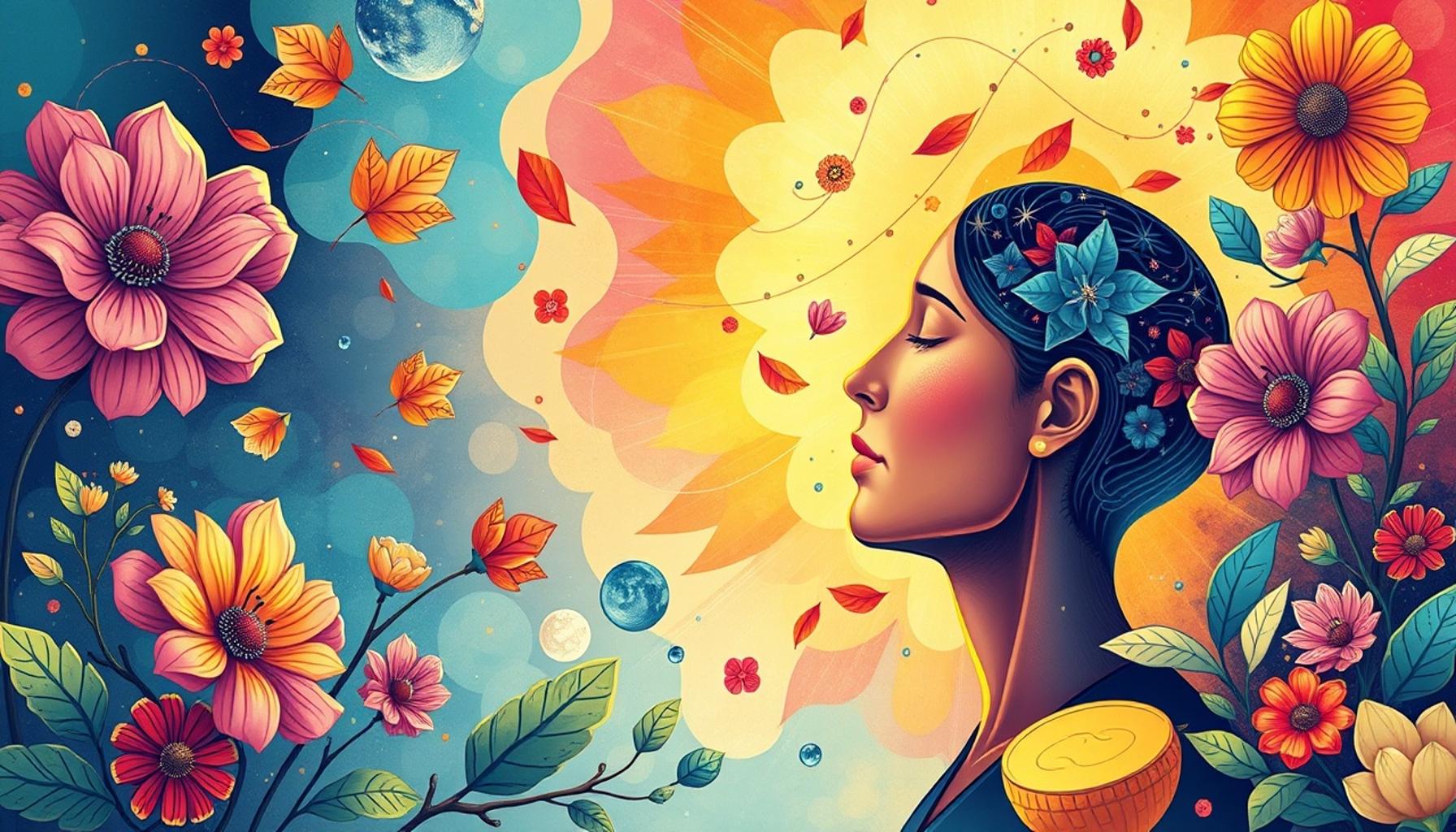
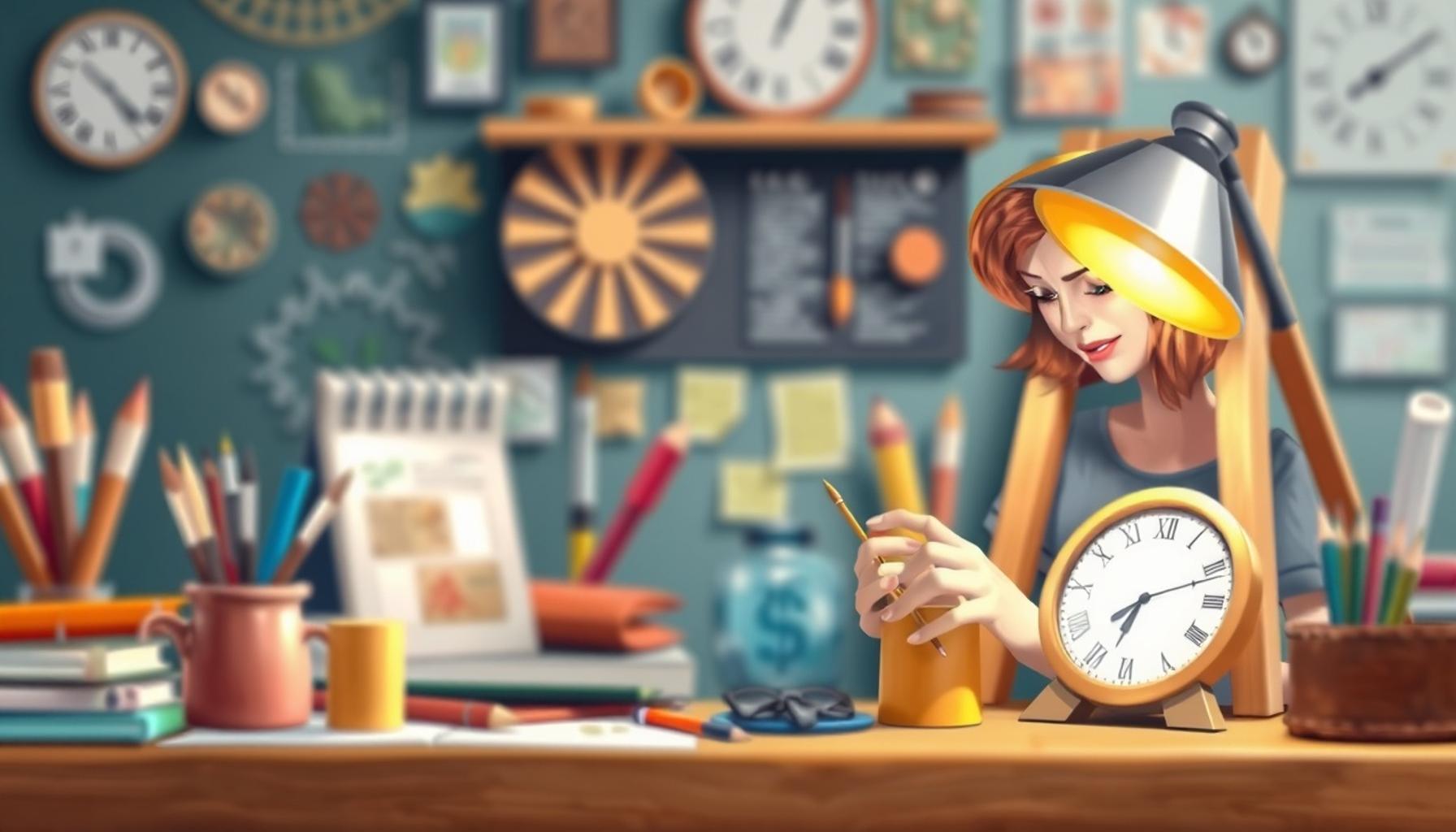
In our modern society, marked by rapid advancements and demanding schedules, the quest for effective stress relief has become paramount. An emerging avenue that many are exploring is the transformative power of creativity. Engaging in artistic activities does not merely provide an escape from the daily grind; it is increasingly recognized as a powerful catalyst for enhanced mental health and emotional resilience.
One of the most significant benefits of creative pursuits is artistic expression. Whether through painting, drawing, or crafting, these activities offer individuals the freedom to channel their thoughts, emotions, and experiences onto a canvas or into a tangible form. For instance, a study conducted by the American Journal of Public Health found that individuals who regularly engage in creative expression report lower levels of anxiety and depression, indicating that such activities allow for emotional catharsis and understanding.
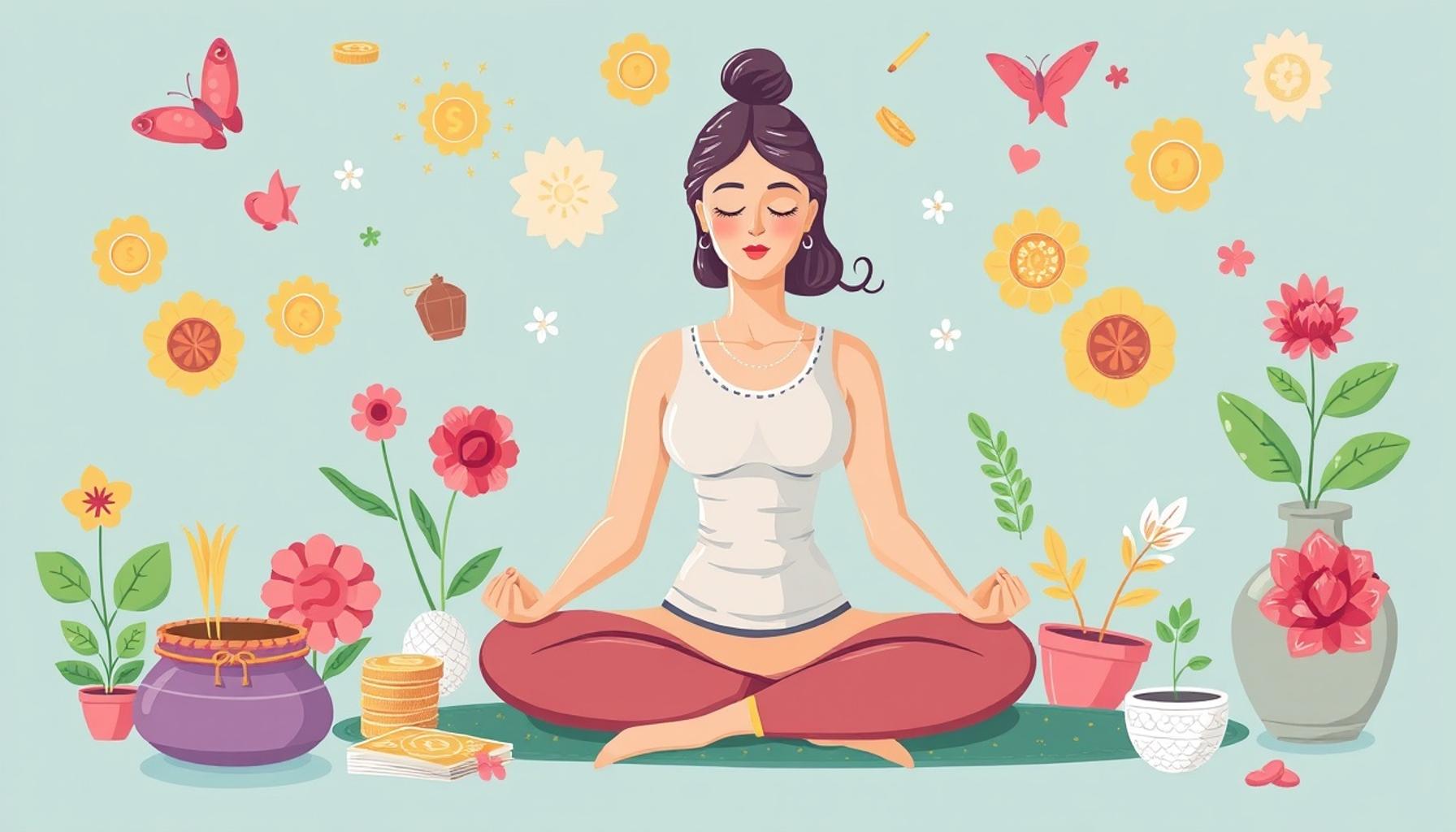
Moreover, creativity fosters mindfulness. Activities like coloring, which have surged in popularity among adults, encourage individuals to focus on the present moment, thus inducing a state of tranquility. The rhythmic motion of coloring can shift one’s focus away from stressors, offering a meditative experience that calms the mind and reduces anxiety levels. Sculpting and pottery, too, engage the hands and head, rooting individuals in the here and now, which is pivotal in combating the overwhelming effects of stress.
- Community connection: The social aspect of creativity cannot be overlooked. Joining local art workshops, craft nights, or photography clubs can foster a sense of belonging and connection among participants. In a world where feelings of isolation can be common, these gatherings can help alleviate loneliness. For example, community art projects, often facilitated in urban areas, encourage collaboration and shared experiences, which build social ties and promote mental wellness.
Furthermore, research consistently indicates that dedicating time to art and hobbies can significantly improve stress management. A survey from the National Endowment for the Arts found that individuals who engage in creative activities regularly report higher life satisfaction compared to those who do not. The therapeutic benefits of creativity extend beyond professional artists and can greatly enhance the lives of anyone willing to explore new interests.
Integrating these creative outlets into daily life may unveil pathways to peace and rejuvenation. Whether one picks up a paintbrush, joins a local knitting circle, or immerses in photography, these hobbies can serve as powerful tools for stress relief and self-discovery. As the chaos of daily responsibilities continues, exploring creative avenues could be the key to unlocking a more balanced and fulfilling existence.
Unleashing Creativity: Art as a Stress-Relief Strategy
As stress becomes an inevitable part of modern life, the search for efficient stress-relief techniques has led many to re-evaluate traditional approaches. One particularly captivating strategy involves engaging in creative activities, which not only offer respite but also contribute to improved mental health. The realms of art and hobbies provide fertile ground for cultivating inner peace, emotional release, and cognitive engagement, helping individuals navigate through stressful times.
Engaging in visual arts, such as painting and drawing, serves as a compelling means to combat stress. The process of creating art—whether it involves splashing vibrant colors onto a canvas or meticulously sketching a life drawing—allows individuals to express emotions that might be challenging to articulate with words. According to research conducted by the University of Kansas, just 45 minutes of creative activity can significantly lower cortisol levels, the hormone associated with stress. This demonstrates that immersing oneself in the creation of art can produce not just enjoyment but also genuine physiological benefits.
Furthermore, hobbies like gardening offer a unique sensory experience, combining physical activity with creative expression. Numerous studies have suggested that spending time in nature can enhance mental health, and gardening provides an avenue to connect with the environment while engaging in productive artistry. The act of nurturing plants—selecting colors, observing growth, and designing layouts—can be revitalizing, offering a counterbalance to the often chaotic nature of urban life. The National Gardening Association notes that engaging in gardening can improve mood, decrease feelings of anxiety, and promote a sense of accomplishment.
- Crafting and DIY Projects: The popularity of crafting has surged in recent years, with a wide array of DIY (Do-It-Yourself) projects becoming staples in homes across the United States. From sewing quilts to creating handmade jewelry, these activities not only stimulate creativity but also foster a sense of achievement. Research indicates that completing a crafting project can lead to increased feelings of self-worth and purpose, which are essential for emotional well-being.
- Photography: Taking up photography allows individuals to view the world from a fresh perspective. It encourages mindfulness while exploring artistic concepts like composition and lighting. Studies show that engaging in photography can stimulate creative thinking and result in enhanced emotional well-being, as individuals learn to capture moments that resonate with their feelings and experiences.
- Writing and Journaling: For those who prefer the written word, creativity can be found in writing and journaling. Whether it’s composing poetry, fiction, or even keeping a daily journal, writing can serve as a therapeutic outlet. The introspective nature of writing invites reflection, enabling individuals to process their thoughts and emotions, which can lead to improved mental clarity and reduced anxiety.
By incorporating any of these creative outlets into daily routines, individuals may pave the way toward stress reduction. Stimulating the imagination and allowing for self-expression can be pivotal in reclaiming control over one’s emotional landscape. Hence, exploring these art forms not only nurtures talent but also acts as a bridge leading to a calmer, more balanced life.
Discovering the Therapeutic Benefits of Creative Outlets
Engaging in creative outlets such as painting, knitting, or playing an instrument provides profound emotional benefits that can greatly reduce stress levels. These activities not only distract the mind from daily pressures but also foster a sense of accomplishment. Research shows that engaging in arts and crafts can lower cortisol levels, the hormone primarily associated with stress.
In addition to these immediate benefits, developing a hobby can lead to improved mental health. For many, creating art or engaging in a preferred hobby offers a means to express feelings, making it an excellent tool for emotional regulation. Communities often form around artistic endeavors, promoting social connections that contribute to emotional resilience and support networks.
| Category 1 | Category 2 |
|---|---|
| Artistic Expression | Enables individuals to showcase their feelings and thoughts in a tangible way. |
| Enhanced Focus | Promotes mindfulness and concentration, diverting attention from stressors. |
Furthermore, selecting a creative hobby that aligns with personal interests can facilitate self-discovery and authenticity. Each brushstroke, stitch, or note allows for a deeper dive into one’s identity and emotional world. As individuals connect with their creative sides, they often uncover profound insights, enriching their lives beyond the immediate stress relief.
Therapeutic Hobbies: Finding Calm Through Passion Projects
In addition to traditional artistic expressions, a multitude of hobbies can serve as powerful tools for stress relief. These activities, regardless of the medium or method, enable individuals to dive into different realms of creativity while simultaneously distracting them from daily stressors. The multifaceted benefits of hobbies are clearly substantiated by various studies and anecdotal evidence.
Cooking and Baking have emerged as popular outlets for creative expression, often leading to a satisfying and delicious end product. The rhythmic process of chopping, mixing, and baking allows individuals to engage their senses and create something tangible. Attention to detail is also enhanced, whether that means perfecting a soufflé or developing a signature spice blend. According to a study published in the Journal of Positive Psychology, cooking can lead to enhanced emotional well-being and reduced feelings of depression. The act of preparing meals for oneself or loved ones fosters a sense of community and connection, resulting in improved mental health.
Music and Dance also rank high on the list of effective stress-relief outlets. Whether it involves playing an instrument, singing, or simply dancing to favorite tunes, music serves as a universal language that can evoke strong emotions and memories. Engaging in music has been linked to the release of dopamine in the brain, a neurotransmitter associated with feelings of happiness and pleasure. A study from the University of Utah even found a correlation between playing music and a decrease in anxiety levels. Dance, on the other hand, not only promotes physical fitness but also provides an expressive release, encouraging individuals to connect with their bodies in a joyous way.
- Mindfulness Practices: Activities like origami or adult coloring books have gained traction as means not just of creative expression but also as forms of mindfulness. These ventures cultivate a heightened sense of focus and concentration, pulling individuals into the present moment. Such practices can significantly reduce stress and anxiety, as evidenced by a report from the American Psychological Association, which emphasizes the benefits of mindfulness-based interventions.
- Building and Model Making: For those inclined towards construction and design, model building and DIY home improvement projects can provide an exhilarating and fulfilling creative outlet. Engaging in hands-on projects not only taps into the creator’s problem-solving abilities but also instills a sense of accomplishment as designs materialize. Research shows that physically engaging tasks, like building models, can lead to a meditative state, allowing individuals to disconnect from their worries while enhancing their dexterity.
- Volunteer Work: While not always categorized as a traditional hobby, volunteering can be a profoundly fulfilling way to unleash creativity. From organizing community art classes to planting trees in local parks, engaging in volunteer efforts captures the creative spirit while fostering a sense of purpose. The Corporation for National and Community Service reported that individuals who volunteer regularly experience lower levels of depression and greater happiness, suggesting that altruistic endeavors serve as not just good for the community, but often wonderful for one’s mental health.
As individuals navigate their busy lives, discovering these diverse hobbies can lead to newfound channels of creativity that serve as effective stress relievers. Each activity offers a unique opportunity for self-discovery and mindfulness, creating pathways to a more balanced and serene lifestyle. The invitation to express oneself through these leisurely pursuits not only mitigates stress but also enriches overall well-being, making the journey of exploration all the more worthwhile.
Conclusion: Embracing Creativity for a Healthier Mind
In an ever-busy world, the importance of creative outlets cannot be overstated. Engaging in artistic pursuits and hobbies not only serves as a means of creative expression but also acts as a formidable tool for stress relief. From exploring the culinary arts to immersing oneself in the rhythms of music and dance, each hobby presents an opportunity to escape the whirlwind of daily life, offering a moment of peace and self-reflection.
The data supporting the mental health benefits of these activities are compelling. As illustrated by various studies, whether it’s through cooking, music, mindfulness practices, or even volunteering, engaging in creative endeavors leads to enhanced emotional well-being and reduced anxiety. Engaging one’s mind and hands in hobbies creates a meditative state where worries can dissipate, replaced by feelings of accomplishment and joy.
Ultimately, embracing these creative forces not only allows individuals to discover new facets of their personality but also fosters a sense of community and purpose. By valuing the time spent on hobbies and artistic expressions, individuals can carve out a balanced lifestyle that prioritizes mental health. As we encourage everyone to seek out their personal favorites and dive into these enriching experiences, the path to a calmer, more fulfilled existence becomes not just a distant goal, but an attainable reality. Explore, create, and let the healing powers of creativity transform your life.