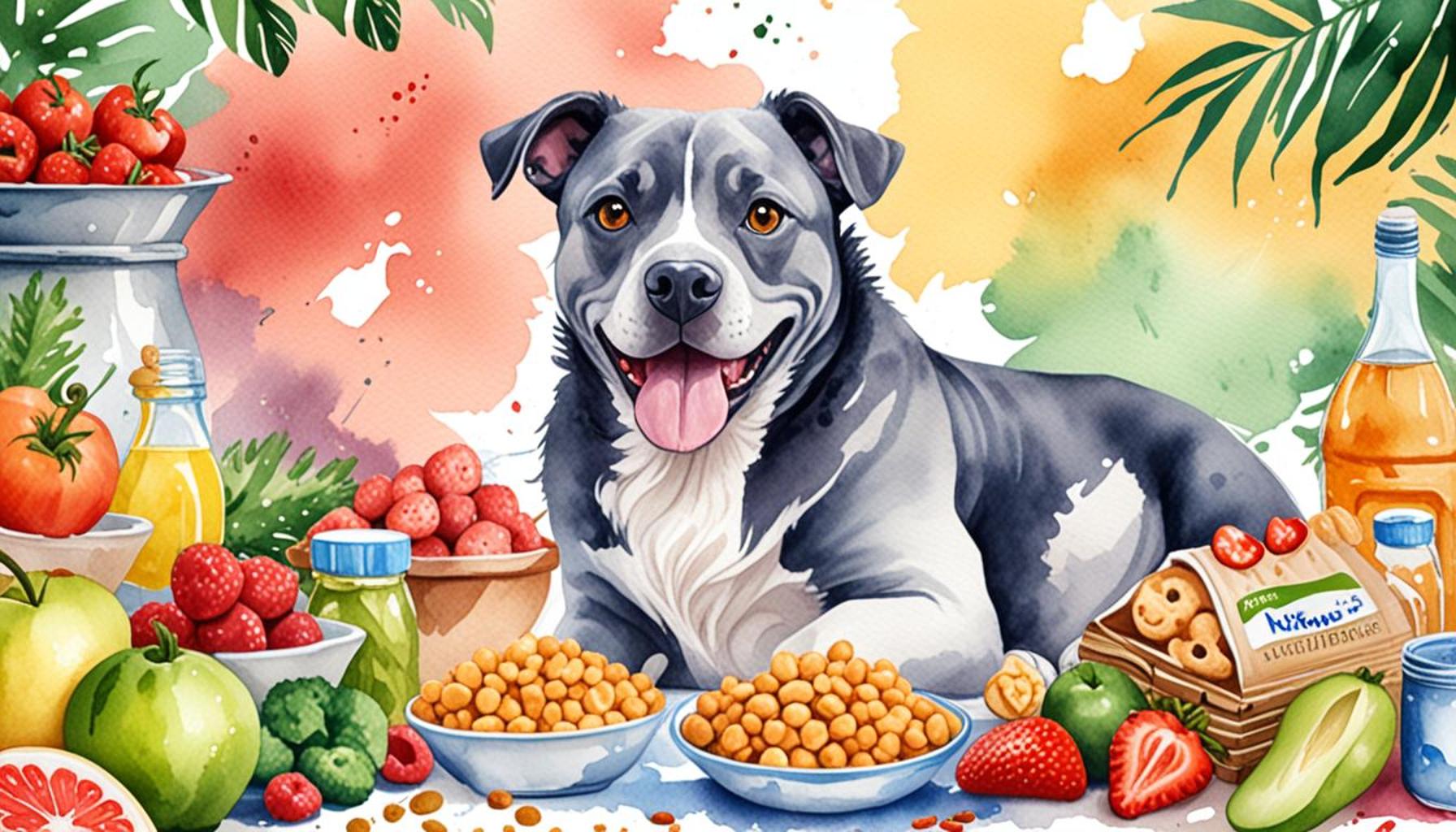
Common Foods in the Diet of Nigerian Pets: Benefits and Risks
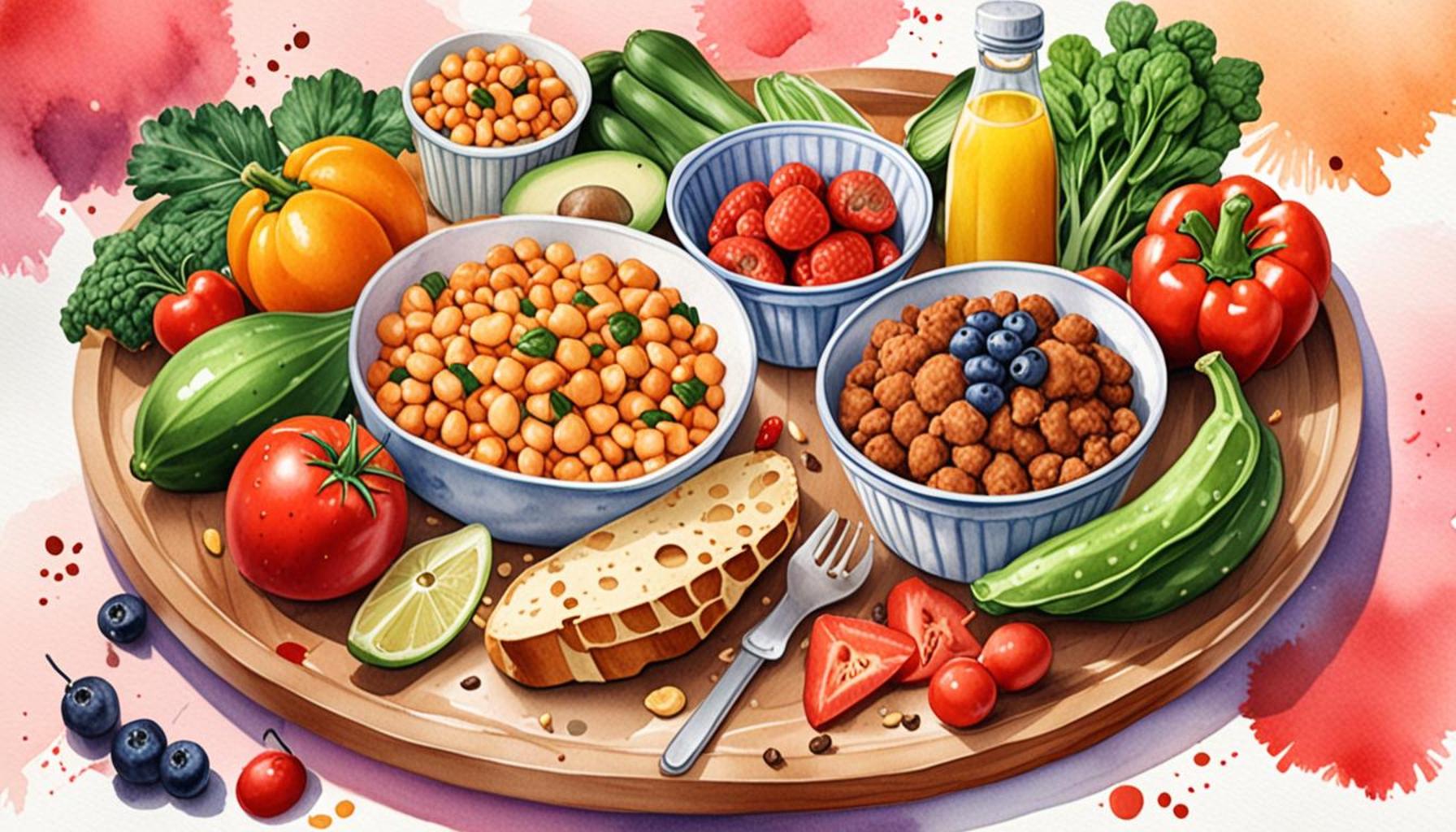
Nourishing Our Furry Friends
In recent years, there has been a significant shift in the dietary practices of pet owners in Nigeria. As more individuals recognize the value of extensive dietary options for their pets, they tend to gravitate towards familiar, locally sourced foods. This evolving trend encompasses not only a variety of pets but also highlights the growing awareness of the nutritional needs of these animals. Nevertheless, while many pet owners take pride in providing wholesome meals from the local market, understanding the complexities of pet nutrition is paramount.
Familiar Ingredients and Their Benefits
Among the many foods making their way into the bowls of Nigerian pets, certain staples stand out due to their nutritional profiles:
- Rice – Often deemed a digestible staple, rice provides a reliable source of energy and can serve as a base ingredient in pet meals, especially in managing dietary sensitivities.
- Plantains – These are not just delicious; they are also rich in vitamins A and C, along with minerals like potassium, contributing to a pet’s overall vitality.
- Meat (like chicken or goat) – A primary protein source, the inclusion of fresh meat in pet diets helps build strong muscles and supports healthy tissue development.
- Beans – Known for their incredible fiber content, beans can help in digestion and provide essential nutrients, although they should be cooked thoroughly to avoid any potential toxicity.
- Vegetables – Incorporating vegetables like carrots and spinach not only adds variety to a pet’s diet but also provides antioxidants that can boost immunity.
Challenges in Pet Nutrition
While the trend of feeding pets with locally sourced ingredients can have several benefits, caution must be exercised. Certain challenges emerge that pet owners should carefully consider:
- Digestive Issues – Some pets may face challenges digesting certain foods. For instance, too much fiber can lead to gastrointestinal upset in sensitive animals.
- Allergic Reactions – Some pets can develop allergies to specific ingredients, such as proteins in meat or grains, leading to uncomfortable and harmful reactions.
- Inadequate Balance of Nutrients – It’s essential to ensure that meals are balanced. Relying heavily on local staples without considering a dog’s or cat’s complete dietary needs could lead to deficiencies over time.
A sound understanding of the benefits and risks associated with common foods in Nigerian pet diets is essential for ensuring that beloved companions thrive. It is not merely about providing a meal, but rather about fostering long-term health and happiness. Pet owners are encouraged to consult veterinarians or pet nutritionists, ensuring that the choices they make today support vibrant and healthy lives for their furry friends. Each decision made regarding a pet’s diet is a step toward shaping their future well-being, urging pet owners to remain informed and proactive in their care. After all, a well-fed pet is a happy pet!
Understanding Local Ingredients for Pets
As pet ownership in Nigeria continues to grow, so does the interest in understanding the implications of feeding pets with locally sourced ingredients. In this evolving landscape, a deeper look into the common foods in the diet of Nigerian pets can uncover both positive aspects and potential pitfalls. Each ingredient carries unique benefits that can enhance the health of pets, as well as risks that pet owners need to navigate carefully.
Pioneering Popular Choices
The ingredients that frequently dominate the diets of pets in Nigeria often mirror the culinary staples enjoyed by humans. Some popular choices include:
- Yams – A beloved ingredient in Nigerian households, yams are a significant source of carbohydrates and vitamins. They can aid digestion in dogs; however, they must be cooked properly, as raw yams can be harmful.
- Fish – Rich in omega-3 fatty acids, fish supports skin health and can enhance the coat’s shine. Additionally, it can aid cognitive function in pets, making it a fantastic supplement to their diet.
- Cassava – While cassava is a common plant, it requires careful preparation. It can provide energy but may pose risks if not cooked adequately, as raw cassava contains cyanogenic compounds.
- Fruits like Pawpaw and Bananas – These fruits are not only tasty but also provide essential vitamins. They can serve as nutritious snacks; however, moderation is key to prevent digestive issues.
- Groundnuts (Peanuts) – Groundnuts serve as a source of healthy fats and protein, offering energy to active pets. However, the risk of aflatoxin contamination is a factor to consider.
Key Nutritional Considerations
As impressive as these ingredients may be, pet owners must also recognize the potential challenges involved in integrating them into their pets’ diets:
- Overuse of Carbohydrates – Staple carbohydrates like rice and yams should be balanced with proteins and fats. Over-reliance on these sources can lead to obesity and related health issues in pets.
- Food Sensitivities – Just as humans can have food sensitivities, pets are not exempt. Pets may experience tummy upset or allergic reactions to newly introduced local ingredients like beans or certain meats.
- Insufficient Nutritional Variety – A diet lacking diversity may not meet all the nutritional needs of pets. Owners should aim to combine various food groups to maintain a healthy balance.
As we delve into this rich tapestry of local food offerings for pets, understanding their benefits and risks is crucial for informed decision-making. Each choice made at mealtime not only affects the immediate health of furry companions but also their long-term well-being. The culinary habits of pet owners reflect their desire to nurture their beloved animals with quality nutrition, driving them to explore the vast World of Local Pet Foods further, with an emphasis on balance and nutrition.
| Category | Details |
|---|---|
| Common Foods | Rice, Fish, Meat, Vegetables, and Fruits |
| Nutritional Benefits | Rice and fish provide essential carbohydrates and proteins, while vegetables enrich the diet with vitamins. |
| Health Risks | Certain foods like onions and chocolate can be harmful to pets, leading to anemia or poisoning. |
| Feeding Guidelines | Portion control is crucial to prevent obesity; consult a vet for tailored advice. |
The importance of understanding the dietary needs of Nigerian pets cannot be overstated. Owners should research the benefits and risks associated with various foods to ensure they promote the health and longevity of their beloved animals. While adopting common foods like rice, fish, and certain vegetables provides vital nutrition, awareness of adverse reactions to certain ingredients can immensely impact pet welfare. By staying informed and engaging with veterinary professionals, pet owners can navigate the complex landscape of nutrition, ensuring a balanced and wholesome diet for their furry companions. This knowledge empowers them to make smarter choices for their pets, leading to happier and healthier lives.
Potential Benefits of Local Ingredients
Expanding on the benefits of common foods in the diet of Nigerian pets, some local ingredients not only provide essential nutrients but also possess unique properties that can contribute to overall health and vitality. For instance, the inclusion of ogbono (wild mango seeds) is gaining traction among pet owners. Rich in fatty acids and antioxidants, ogbono can support healthy skin and a glossy coat while also assisting in weight management due to its high fiber content.
Furthermore, the popularity of vegetables such as spinach and pumpkin in pet diets has surged, thanks to their high levels of vitamins A, C, and K. These leafy greens can enhance immune function and contribute to improved digestion in pets. Meanwhile, locally sourced chicken and goat meat are often favored sources of protein, known for their lean qualities, which can help maintain muscle mass and energy levels in pets, especially in active breeds.
Exploring the Risks of Common Ingredients
However, the journey through local food offerings for pets is not without its challenges. Pet owners must remain vigilant to avoid the potential risks associated with certain ingredients. For example, while fruits like mango and avocado contain beneficial nutrients, the pit of these fruits poses a choking hazard or may lead to intestinal blockages. Additionally, avocado contains a substance called persin, which can be toxic to some pets in higher quantities.
Moreover, excessive seasoning is a downside often encountered in homemade pet food preparations. Just as humans enjoy flavorful meals, some pet owners may inadvertently add spices or seasonings, which can lead to digestive issues such as ulcers or upset stomachs in pets. A cautious approach to food preparation is essential to ensure that the flavors come solely from the natural ingredients selected for their nutritional value.
The Influence of Regional Habits
The food culture in Nigeria significantly influences pet diets. For example, many dog owners integrate traditional dishes such as jollof rice and stews into their pets’ meals, largely because these foods are readily available and often go to waste. While sharing leftovers might appeal to the practicality of pet owners, it is imperative to understand the implications of feeding pets heavily spiced and rich foods. Such practices can lead to dietary imbalances detrimental to their health.
Conversely, the growing awareness of pet nutrition has led to a shift towards more balanced and specialized diets. Pet food brands now address the unique needs of Nigerian pets, offering formulations that include locally sourced ingredients while ensuring adequate nutrition. These products are designed to alleviate concerns regarding homemade options, providing convenience without sacrificing nutrition.
As the conversation about common foods in the diet of Nigerian pets evolves, pet owners are encouraged to stay informed about the advantages and disadvantages of local foods. By embracing a balanced approach that combines local knowledge with modern nutritional science, pet owners can ensure the well-being of their furry companions while supporting local agricultural practices.
Conclusion
In conclusion, navigating the diets of Nigerian pets through the lens of common local foods offers pet owners a blend of rich cultural tradition and nutritional opportunity. While integrating ingredients such as ogbono, spinach, and locally sourced proteins can enhance the health and vitality of pets, awareness of the potential risks is paramount. The inclusion of certain fruits, seasonings, and even traditional dishes requires careful consideration to prevent health complications.
As Nigeria’s pet ownership landscape evolves, so does the understanding of what constitutes balanced nutrition for our furry friends. Increased knowledge encourages pet owners to make informed choices that reflect both the benefits and the pitfalls of local ingredients. By keeping a watchful eye on ingredient quality and nutritional balance, pet owners can craft diets that not only cater to the specific needs of their pets but also respect regional food practices.
Ultimately, fostering the well-being of pets while embracing local foods demands a harmonious integration of tradition and science. This balanced approach not only promotes healthier pets but also supports local agriculture and food systems. As the conversation continues, pet enthusiasts in Nigeria are encouraged to seek out reliable resources, consult with veterinarians, and remain open to new ideas that strike the right balance between benefits and risks in their pets’ diets.