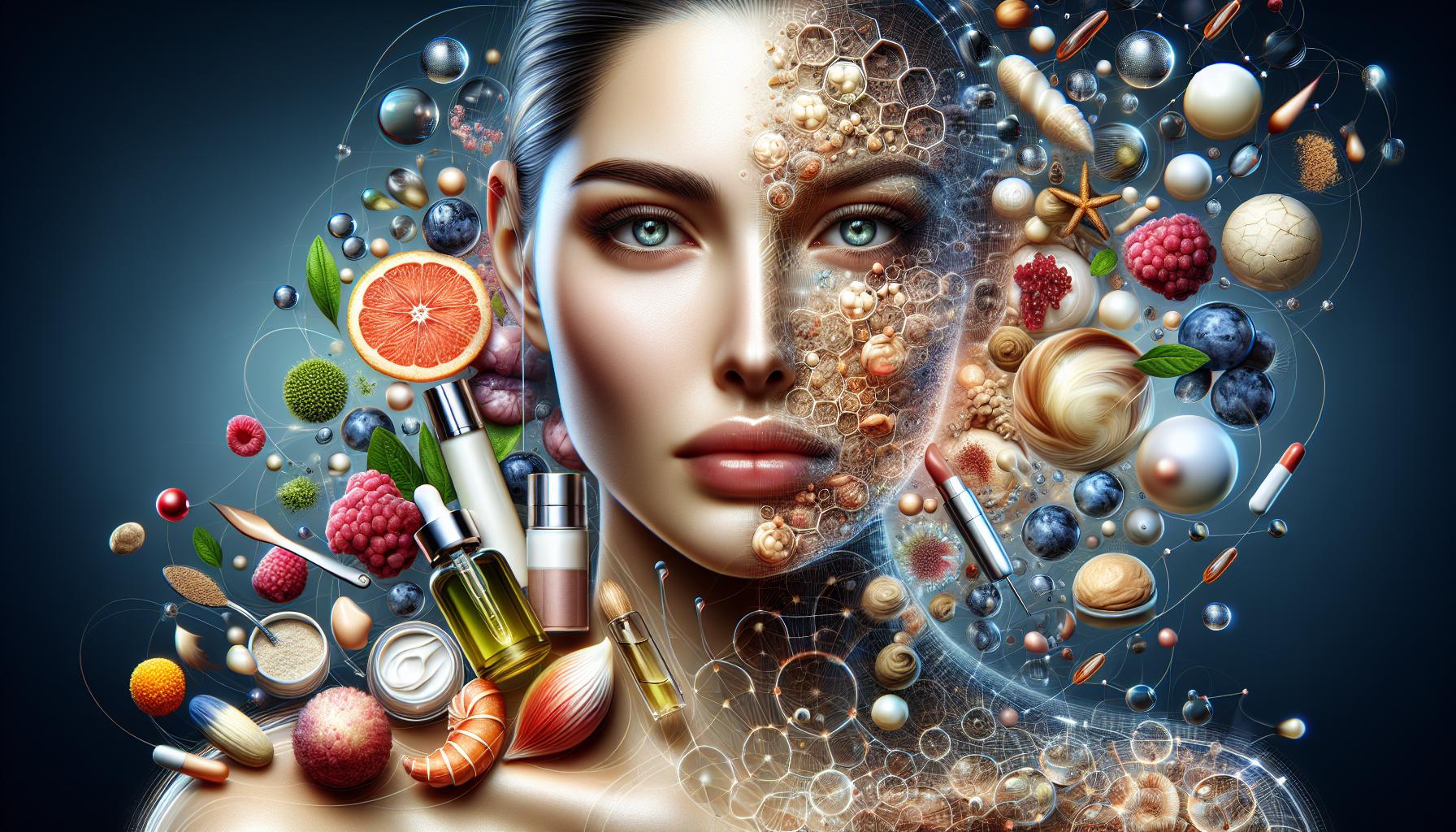
Beauty Routines Around the World: Comparing Cultural Approaches to Combat Signs of Aging

Exploring Global Beauty Practices
In our quest for youthful skin and vitality, beauty routines hold a mirror to the cultural values and practices of societies across the globe. Each region boasts its own unique methods, deeply rooted in tradition, that offer distinctive approaches to combat signs of aging.
Consider some fascinating examples:
- Japan: Emphasizes a diligent skincare regime that includes natural ingredients like rice bran and matcha. Japanese women often credit their flawless complexions to a meticulous routine that might incorporate multiple steps such as cleansing, softening, and moisturizing. The traditional use of rice bran, known for its high antioxidant content, helps protect the skin from free radicals, while matcha provides anti-inflammatory properties. This approach promotes not only beauty but also mindfulness, as many Japanese women find joy in the ritual of self-care.
- India: Utilizes turmeric and essential oils in holistic practices, bringing an ancient understanding of beauty to the forefront. Turmeric, a staple in Indian cuisine, is celebrated for its anti-inflammatory and antibacterial benefits. When applied topically, it can even out skin tone and brighten the complexion. Coupled with other natural oils like jojoba or coconut oil, this practice not only enhances outer beauty but also embodies a spiritual connection to nature and wellness.
- South Korea: Known for its 10-step skincare routine, blending innovative products designed to hydrate and rejuvenate the skin. This comprehensive regimen can include steps such as double cleansing, toning, and applying essences or serums infused with ingredients like hyaluronic acid and fermented extracts. The South Korean approach emphasizes layering products to maximize hydration and protection against environmental pollutants, highlighting a cultural prioritization of youthful, dewy skin.
These varied beauty routines not only inspire curiosity but also provide valuable insights into how different cultures perceive and treat the aging process. For instance, the Japanese philosophy emphasizes balance and minimalism, while the Indian practice reflects a connection to heritage and natural wealth. South Korean beauty innovations showcase the fusion of traditional ingredients with modern science, appealing to those who thrive on cutting-edge technology.
As we dive deeper into these global practices, we uncover diverse philosophies that prioritize both external appearance and inner well-being. This exploration invites you to rethink traditional notions of beauty and consider sustainable and holistic solutions. For example, could embracing oils and ancient herbs lead to higher satisfaction with our beauty choices? Are we ready to embrace a more comprehensive understanding of how to achieve timeless beauty?
In an age where beauty standards are often dictated by media and marketing, understanding global beauty practices offers a refreshing perspective that extends beyond skin deep—encouraging a rewarding journey of self-discovery and appreciation for the rich tapestry of cultural traditions that shape our perception of beauty.

DISCOVER MORE: Click here to learn about essential nutrients for radiant skin
Traditions and Innovations in Global Beauty Routines
As we explore beauty routines around the world, it becomes clear that different cultures have developed unique strategies to combat signs of aging, each reflecting their history, beliefs, and available resources. These practices often blend traditional wisdom with modern trends, creating a rich repository of methods that cater not just to the skin, but to overall wellness. Let’s take a closer look at how various countries approach beauty and aging, shedding light on their distinctive philosophies.
Egypt: History tells us that ancient Egyptians were among the first to prioritize skincare. Utilizing ingredients such as honey and oils, they created natural remedies that remain relevant today. Honey, known for its humectant properties, is excellent for hydration and skin elasticity. Additionally, ancient Egyptians would apply castor oil to their skin, which not only nourishes but also serves as a natural moisturizer. Modern Egyptians continue to appreciate these age-old practices, incorporating them into their daily routines to maintain youthful skin while honoring their heritage.
Brazil: With its vast biodiversity, Brazil’s beauty routines emphasize the use of unique, natural ingredients derived from the Amazon rainforest. Many Brazilian women swear by acai and cupuacu—rich in antioxidants and vitamins—to rejuvenate and hydrate the skin. In Brazil, body treatments such as exfoliation with natural scrubs made from indigenous fruits are common, not only promoting skin renewal but also celebrating the natural body diversity. This approach aligns with the Brazilian ethos of embracing beauty in all forms, making it an integral part of self-care and cultural identity.
France: Known for its quintessential beauty norms, French skincare routines reflect a commitment to simplicity and quality. French women typically favor fewer, high-quality products over an extensive regimen. A staple is the use of thermal water for cleansing and soothing, which is rich in minerals beneficial for various skin conditions. The principle of “less is more” permeates the French approach—ensuring that skincare is not just about appearance, but about enhancing natural beauty through effective, uncomplicated methods. This holistic view emphasizes the importance of self-acceptance and subtlety in combating aging.
- Cleansing: Gentle cleansers are preferred, often including natural oils that nourish rather than strip the skin.
- Moisturizing: A quality moisturizer is essential, with many women opting for products that contain hyaluronic acid or botanical extracts.
- Sun Protection: The use of broad-spectrum sunscreen daily is a non-negotiable element of their beauty routine, highlighting an understanding of the long-term effects of sun exposure.
Such approaches to beauty not only enhance the skin but also reflect deeper cultural values. While Japanese beauty regimens stress ritual and mindfulness, Brazilian practices embrace vibrancy and naturalism. Conversely, the French philosophy promotes simplicity and elegance. These diverse beauty routines foster a connection to cultural identity and personal care, encouraging individuals to find what resonates with their beliefs and lifestyles in the quest to combat signs of aging.
Exploring Global Beauty Routines
Within the vast landscape of beauty routines aimed at combating signs of aging, diverse cultural practices emerge that reveal unique approaches and cherished natural ingredients. For example, traditional Japanese beauty regimens heavily emphasize the use of green tea, renowned for its antioxidant properties. This ancient method not only nourishes the skin but also protects against environmental stressors, maintaining youthful vitality.In contrast, Mediterranean cultures, particularly in regions like Italy and Greece, incorporate olive oil into their daily skincare. Known for its hydrating and anti-aging benefits, olive oil has been utilized for centuries, fostering a connection to the land and promoting skin elasticity. This tradition is often coupled with a balanced diet rich in fruits, vegetables, and healthy fats, showcasing the holistic approach prevalent in these cultures.Similarly, in South Korea, the multi-step skincare regimen has gained global popularity. The layering of products—including essences, serums, and moisturizers—targets signs of aging comprehensively. Korean beauty enthusiasts often rely on snail mucin, famous for its regenerative properties, which aids in skin renewal. The meticulous attention to skincare demonstrates an acknowledgment of self-care and the importance of preventative measures in maintaining youthful skin.Moreover, Indigenous populations across various continents utilize natural botanicals like aloe vera, honey, and native herbs to address skin concerns. These organic remedies reflect a sustainable approach to beauty, respecting both tradition and the environment.As we delve deeper into these cultural practices, we find not only remedies for aging but also profound insights into self-identity and heritage, fostering a connection between beauty and tradition that transcends generations. The blending of modern science with these time-honored practices invites further exploration, making it an enriching topic for anyone interested in global beauty standards.
| Cultural Approach | Key Ingredients & Benefits |
|---|---|
| Japanese | Green tea for its antioxidant properties that combat skin aging. |
| Mediterranean | Olive oil for hydration and enhancing skin elasticity. |
| Korean | Snail mucin for its regenerative properties in skin renewal. |
| Indigenous | Aloe vera and honey for natural skin healing and rejuvenation. |
As the dialogue around anti-aging beauty practices continues to evolve, understanding these diverse routines not only enhances our skincare knowledge but opens doors to appreciating the cultural narratives that shape our relationship with beauty.
DISCOVER MORE: Click here to dive into bold eye makeup techniques
Exploring the Rituals: A Deeper Dive into Global Practices
South Korea: Renowned for its innovative skincare products and routines, South Korea has made a significant impact on the global beauty industry. The famed 10-step skincare routine is designed to combat signs of aging, incorporating a meticulous approach that emphasizes hydration, nourishment, and protection. This regimen includes cleansing, exfoliating, toning, treating, and moisturizing, with a particular focus on ingredients like snail mucin and green tea, both celebrated for their regenerative properties. Additionally, South Korean beauty often includes sheet masks for a quick boost of hydration and active ingredients, showcasing a commitment to self-care that addresses aging while promoting overall skin health. This ritual reflects a cultural belief in the intersection of beauty and diligence, encouraging individuals to invest time in their skincare.
Turkey: Turkish beauty routines highlight the significance of natural elements found in the country’s rich flora. Rosewater is a cherished ingredient, known for its soothing properties and ability to rejuvenate tired skin. Women in Turkey often indulge in traditional baths, using a combination of olive oil soap and natural scrubs to exfoliate and nourish their skin. These practices not only serve the purpose of skincare but also offer a moment of relaxation and connection to cultural heritage. The ritual of self-care is deeply ingrained in Turkish culture, with beauty often seen as a reflection of one’s health and well-being, making the enhancement of youthful appearance a natural pursuit.
India: In India, the ancient practice of Ayurveda intertwines spirituality and beauty, focusing on holistic wellness through natural ingredients such as turmeric, coconut oil, and amla (Indian gooseberry). These ingredients are revered not only for their anti-aging properties but also for their health benefits. For instance, turmeric is known for its anti-inflammatory and antioxidant effects, which can help combat the signs of aging. Indian beauty rituals often involve daily massages with natural oils, promoting circulation and relaxation. Furthermore, facial masks made from natural clay and herbs are commonly used, underscoring a commitment to embracing one’s natural beauty while adhering to ancient wisdom.
- Face Yoga: Both in India and globally, face yoga has gained popularity as a non-invasive way to tighten skin and combat aging, promoting facial muscle strength and elasticity.
- Ayurvedic Oils: Massaging with warm oils, such as sesame or almond oil, is not only soothing but also rejuvenating for the skin, enhancing its natural glow.
- Diet and Hydration: In many cultures, the role of diet is paramount. A balanced intake of antioxidants from fruits and vegetables, alongside adequate hydration, plays a key role in maintaining youthful skin.
Japan: The Japanese approach to beauty embodies the idea of simplicity and nature. Traditional practices, like the use of fermented rice water in the “Goat’s milk” cleansing method, provide a gentle yet effective way to maintain skin health. Additionally, the Japanese often incorporate rituals like onsen (hot spring) baths as a means to nourish the skin and promote relaxation. The concept of “inner beauty” is essential in Japan, emphasizing that physical appearance is a reflection of overall well-being. Women consider their skin care not just a routine but a lifestyle choice that fosters longevity and grace, harmonizing well with traditional values of care and respect for oneself.
These diverse beauty routines across different cultures reveal an intricate tapestry of practices that intertwine with societal values, historical significance, and resource availability. Each approach emphasizes not merely the battle against aging but a rich narrative that celebrates health, identity, and the beauty of cultural heritage.
DISCOVER MORE: Click here to dive into sustainable makeup
Conclusion: The Global Tapestry of Beauty
In reflecting on the myriad beauty routines around the world, it becomes evident that combating the signs of aging transcends mere cosmetic application; it represents a profound cultural dialogue interwoven with historical context, social values, and holistic wellness. From South Korea’s rigorous 10-step skincare routine to Turkey’s nurturing rituals steeped in natural ingredients, and from India’s Ayurvedic philosophy to Japan’s pursuit of simplicity and balance, each culture offers unique insights and practices that enrich our understanding of beauty.
These diverse approaches highlight the importance of self-care and self-acceptance, intermingling the physical and emotional into a broader narrative of health and well-being. As globalization continues to bridge cultural divides, individuals from various backgrounds are increasingly appreciating these rich traditions, leading to a blending of techniques that celebrates the universal desire for youthful vitality.
As Western beauty standards evolve, they too embrace key elements from these global practices—highlighting the significance of natural ingredients, mindfulness, and rituals that foster not only skin health but holistic well-being. This exploration opens up numerous avenues for individuals to personalize their own beauty regimens while discovering the wisdom encapsulated in age-old traditions.
Ultimately, as we navigate the quest to combat the signs of aging, let us embrace this global tapestry of beauty—not just as a means to enhance physical appearance, but as a rich cultural journey that echoes throughout time and geography, reminding us that beauty truly is a reflection of our diverse heritage.