Balanced Diet: How Pet Nutrition Impacts Family Health
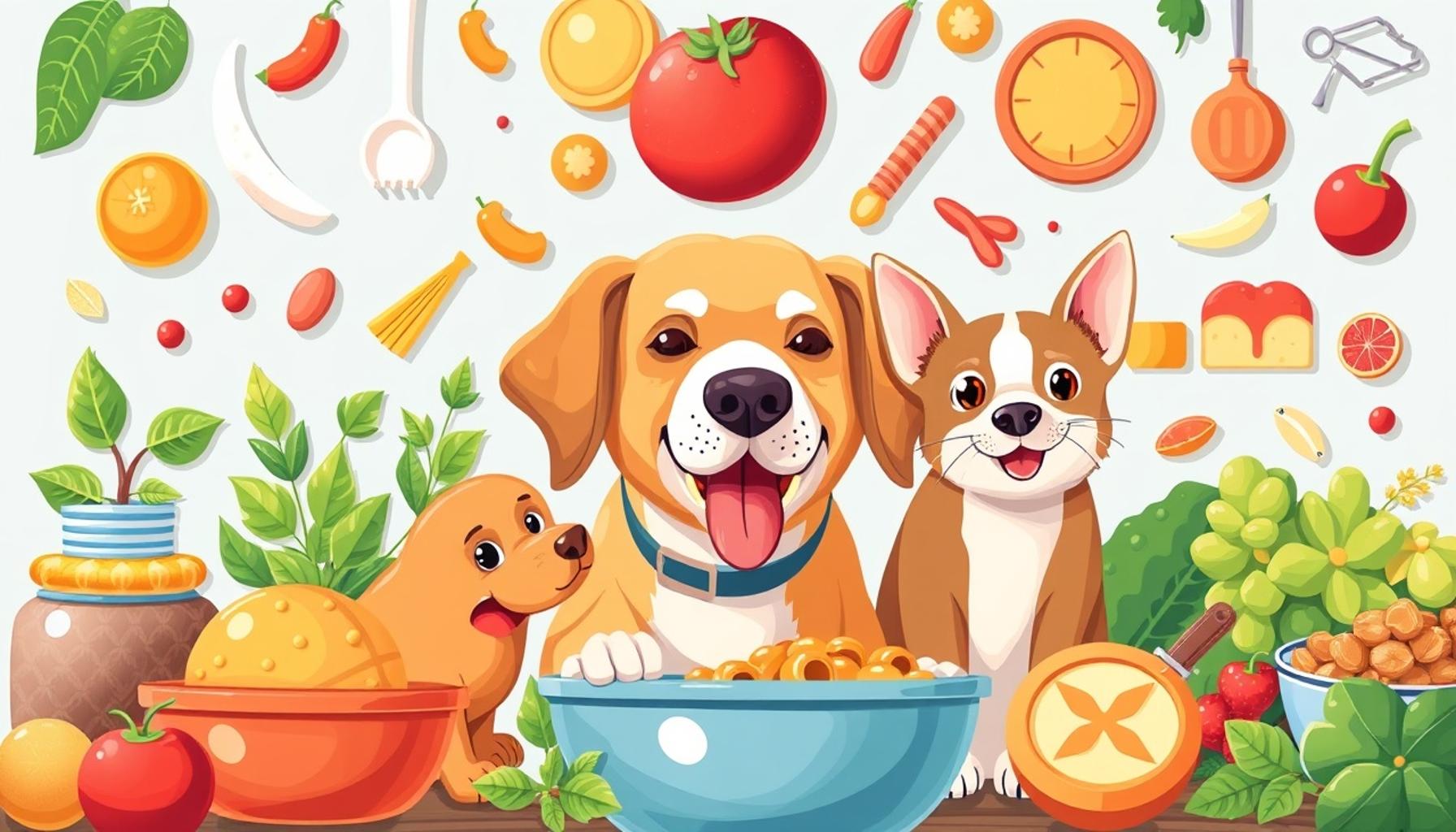
Understanding the Link Between Pet and Family Nutrition
Many families may not realize that a balanced diet for pets can significantly influence overall family health. The food we choose for our furry companions doesn’t only affect their well-being; it can also impact our health in surprising ways. The interplay between pet nutrition and human health can be multifaceted, encompassing aspects such as shared microbiomes, allergies, and physical activity levels.
Shared Microbiomes
The concept of shared microbiomes is particularly fascinating. Research suggests that pets and humans can share gut bacteria, leading to the conclusion that the diets we provide for our pets directly influence our own microbial health. When our pets consume foods rich in beneficial nutrients, they support the growth of healthy gut bacteria which can, in turn, positively impact our own microbiomes. This relationship underscores the importance of feeding pets high-quality, well-rounded diets, as the benefits extend beyond the animal itself.
Allergies
Another critical point is the connection between pet nutrition and allergies. Pets that do not receive adequate nutrition may suffer from skin conditions that can trigger allergies in family members. For instance, certain low-quality pet foods can lead to poor skin health in dogs and cats, resulting in excessive shedding and dander. This dander can exacerbate allergy symptoms in sensitive individuals. By prioritizing a wholesome diet for pets, families can mitigate allergy risks and create a healthier living space.
Encouraging Physical Activity
Moreover, physical activity plays a vital role in family health and well-being. A well-nourished pet typically has more energy and stamina, which can inspire their owners to be more active. Walks with a dog or playtime with a cat not only benefit the pet but also encourage family members to engage in regular exercise. Statistics indicate that families who prioritize physical activities with their pets tend to have healthier lifestyles, benefiting both their pets and themselves. This symbiotic relationship can lead to fewer health issues, reduced stress levels, and greater harmony within the household.
In the U.S., recent studies have shown a direct correlation between pet nutrition and family health outcomes. For instance, families who invest in high-quality pet food often report fewer vet visits and healthier family members. This connection highlights the idea that taking care of our pets goes hand in hand with caring for our own health.
As we delve deeper into the topic of balanced diets for pets, we’ll explore how the right nutrition not only benefits our animals but also fosters a healthier environment for us. By understanding these connections, families can make informed decisions that enhance their well-being and that of their beloved pets. The journey towards improved health can begin with the simple act of choosing better nutrition for our furry friends.
The Importance of Quality Pet Food
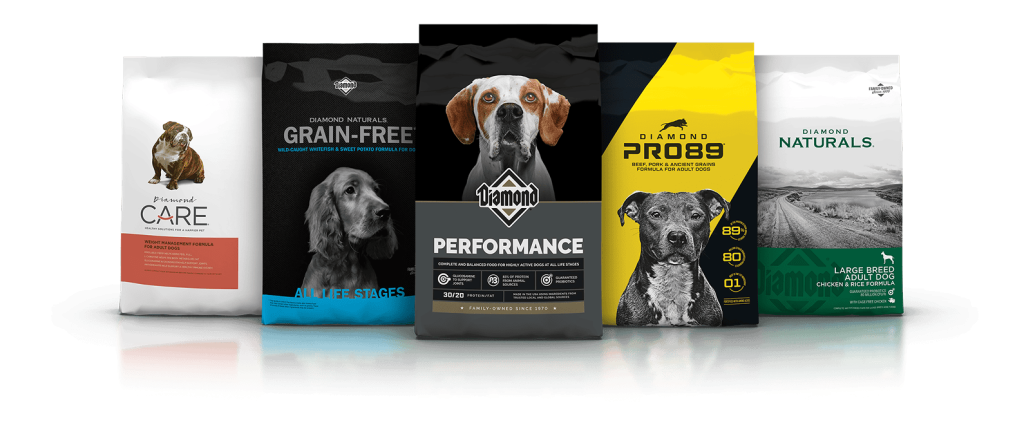
When exploring the connection between pet nutrition and family health, it is essential to recognize the significance of providing high-quality pet food. Just as families benefit from nutritious meals, pets require balanced diets that meet their specific dietary needs. Feeding pets high-quality food ensures they receive essential nutrients, proteins, vitamins, and minerals crucial for their overall health. Here are some key points to consider:
- Ingredients Matter: The source and quality of ingredients in pet food play a vital role in their nutrition. Whole meats, vegetables, and grains can provide the necessary energy and aids in maintaining a healthy weight, reducing obesity-related health issues.
- Prevention of Chronic Diseases: Proper nutrition can reduce the risk of chronic diseases, such as diabetes, heart disease, and arthritis, in pets. Healthier pets not only lead to fewer vet visits but can also contribute to lower healthcare costs for families.
- Balanced Diets for Different Life Stages: Just like humans, pets have different nutritional requirements at various stages of their lives—puppies need different foods than adult dogs, and older pets may require specialized diets. Understanding these needs can lead to healthier pets and consequently a healthier family.
Understanding Nutrition Labels
Choosing the right food for your pet can be overwhelming, especially with the abundance of options available in pet stores. It is crucial to understand how to read nutrition labels effectively. A high-quality pet food label should include:
- Meat as the First Ingredient: The first ingredient listed should be a high-quality protein source, such as chicken, beef, or fish. This indicates that the food is rich in the essential amino acids pets need.
- Limited Fillers: Avoid pet foods with a long list of fillers like corn and soy, which do not provide significant nutrients. Nutrition should come from whole-food ingredients instead.
- Balanced Nutritional Profile: Look for foods that meet the standards set by the Association of American Feed Control Officials (AAFCO), ensuring that the food is nutritionally balanced for your pet’s age and breed.
The Ripple Effect on Family Health
Families often share their homes with pets, and the food chosen for those animals influences everyone’s health. The consumption of low-quality pet food can lead to various issues, such as poor hygiene due to shedding and allergies as previously mentioned. Moreover, fostering a strong bond through shared activities, such as feeding time and play, can create a more enriched family experience.
In conclusion, educating oneself about the nutritional needs of pets and actively selecting premium pet food is an investment in not just your pet’s health but also your family’s well-being. This interconnected nature of health highlights the importance of making informed decisions, benefiting everyone in the household.
| Category | Key Features |
|---|---|
| Nutritional Benefits | Provides essential nutrients that improve overall health. |
| Family Connection | Encourages bonding through shared activities like meal preparation. |
One area where the theme of “Balanced Diet: How Pet Nutrition Impacts Family Health” comes into focus is in the understanding of nutritional benefits. A well-balanced diet for pets not only ensures their longevity and vitality but also contributes to the well-being of the entire household. For instance, pets fed high-quality, complete diets tend to experience fewer health issues, which can reduce veterinary costs and extend their life expectancy. This becomes valuable when a family realizes that a healthy pet can contribute positively to household harmony and routines.Moreover, pet nutrition fosters a stronger family connection. The act of planning and preparing nutritious food for pets can enhance family bonding through shared responsibilities. Parents can involve their children in selecting appropriate ingredients, which teaches them the importance of nutrition and healthy eating habits. This learning experience is vital, as it cultivates a culture of health-consciousness within the family, showing how pet care can directly influence our food choices and lifestyle.The ripple effect of pet nutrition on family health can encourage families to embrace a healthier lifestyle as a unit. As they witness the positive changes in their pets, they may be inspired to adopt similar habits themselves, further amplifying the importance of this connection. Such interdependencies underscore the theme’s relevance in promoting a balanced diet not just for pets, but for all family members.
The Role of Pet Nutrition in Family Dynamics
Beyond the direct health benefits of proper pet nutrition, there lies an intriguing relationship between feeding practices and family dynamics. Pets are often considered integral members of the family, and how we care for their dietary needs can enhance familial bonds and overall household wellness. Here are some aspects that highlight this connection:
- Shared Responsibilities: Involving all family members in the feeding and care of pets can instill a sense of shared responsibility, especially among children. Teaching kids how to measure food or prepare meals can serve as a practical lesson in nutrition, responsibility, and compassion.
- Encouraging Healthy Habits: Preparing nutritious meals for pets may encourage families to adopt better eating habits themselves. Shopping for high-quality pet food often invites discussions about nutritional values and could lead to healthier choices for human meals as well, creating an atmosphere of health-conscious living.
- Strengthening Emotional Bonds: Regular feeding times and mealtime rituals involving pets can foster emotional connections. These routines often serve as moments of joy and affection, positively impacting mental health for all family members, particularly during stressful times.
The Influence of Nutrition on Pet Behavior
The way pets are nourished can also influence their behavior, which inevitably impacts family life. Poor nutrition can manifest in behavioral issues such as hyperactivity or lethargy. Studies show that balanced nutrition can enhance cognitive functions and mood in pets, contributing to more harmonious family interactions. For instance, a pet on a well-balanced diet may be more energetic and playful, which can encourage family activity and bonding time. Here are some behavioral aspects worth considering:
- Reducing Anxiety and Stress: Foods rich in omega-3 fatty acids, such as those from fish, can help alleviate anxiety in pets. Fewer anxious pets lead to a more peaceful household, reducing tension and creating a calming environment for everyone.
- Pest Prevention and Hygiene: Nutritional balance plays a significant role in maintaining a pet’s skin and coat health. A well-fed pet is less likely to suffer from issues like excessive shedding or skin irritations, contributing to better indoor hygiene and less allergic reaction among family members.
- Behavioral Training: Certain diets can also assist in training efforts. For instance, foods formulated with specific nutrients might improve cognitive function and help pets learn commands and tricks faster, making training easier and more effective for the entire family.
Paw-Sitive Impact on Family Wellness
When veterans and pet owners were surveyed, a significant percentage reported that their pets contributed positively to their mental health and emotional wellbeing. A diet rich in vital nutrients can significantly enhance a pet’s health, which in turn reflects on family wellness. Fewer health-related hiccups in pets mean a smoother experience for the family, with more joy and fewer disruptions.
Additionally, engaging in recreational activities that involve pets—like walking or playing fetch—creates opportunities for families to exercise together. This, in turn, promotes physical health for both pets and their owners, encouraging a lifestyle that prioritizes movement, interaction, and outdoor activity.
In essence, adequate pet nutrition does not just nourish the animal; it lays the groundwork for a healthier, happier family environment, reinforcing the interconnectedness of health among all household members.
Conclusion: A Unified Approach to Family Wellness
In conclusion, the significance of balanced pet nutrition extends far beyond our beloved animals. It plays a pivotal role in shaping the health and dynamics of the entire family. By understanding the interconnection between pet dietary practices and family health, we can foster a nurturing environment that promotes well-being for both humans and their furry companions.
As outlined throughout this article, incorporating healthy feeding habits not only cultivates a sense of shared responsibility among family members but also encourages conversations about nutrition that may translate into improved choices for every meal. Pets, when properly nourished, exhibit better behavior, contributing to reduced stress and increased harmony within the household. Such dynamics create opportunities for families to bond during activities motivated by the joyful presence of pets, ultimately promoting both physical and mental health.
The benefits are clear: a well-fed pet leads to a more vibrant family life. Families can enjoy a ripple effect of happiness that stems from nurturing their pets, highlighting a unique aspect of holistic wellness. As strides in pet nutrition research continue to shed light on the optimal dietary needs of our animals, it becomes increasingly important to view pet care as part of a broader commitment to family health. Choosing nutritious diets for our pets offers a multi-faceted approach to enhancing familial ties, encouraging healthier lifestyles, and fostering emotional well-being. In this way, we can ensure that both pets and their human families thrive together, reaping the rewards of a balanced life.