Animal-Assisted Therapy: How Pets Can Help in Patient Recovery

The Power of Pets in Healing
The unique bond between humans and animals has fascinated generations, and recently, the profound implications of this relationship have been explored in the context of recovery and rehabilitation. Animal-assisted therapy (AAT) has emerged as an innovative therapeutic approach that integrates the presence of trained animals into patient care, promising significant benefits across a variety of medical settings. By utilizing the natural affinity people have for animals, AAT aims not only to aid physical recovery but also to enhance emotional health and social connections.
One of the most immediate advantages of AAT is its capacity for emotional support. The unconditional love and companionship provided by therapy animals can be remarkably comforting, particularly for individuals struggling with anxiety, depression, or the loneliness that often accompanies long-term illness. In fact, studies have shown that simply petting a dog or cat can lower cortisol levels, a hormone associated with stress, while increasing serotonin and dopamine, which contribute to feelings of happiness and relaxation.
AAT can also facilitate physical rehabilitation. Activities with animals, such as walking a therapy dog or participating in group activities involving multiple pets, can motivate patients to engage more actively in their recovery processes. For example, stroke patients may find that the desire to interact with a therapy animal encourages them to practice their movement and coordination skills, thereby supporting their rehabilitation goals. The playful nature of animals often makes them the perfect companions in therapy settings, transforming daunting exercises into enjoyable interactions.
Furthermore, AAT fosters social interaction, serving as a bridge that connects people in therapeutic and social settings. Individuals who may normally withdraw from social situations find encouragement in the non-threatening environment that therapy animals create. Group therapy sessions that include animals often witness enhanced communication among participants, as shared interactions with the animal can help break down barriers of shyness or social anxiety.
Research conducted on AAT highlights remarkable outcomes for patients, including:
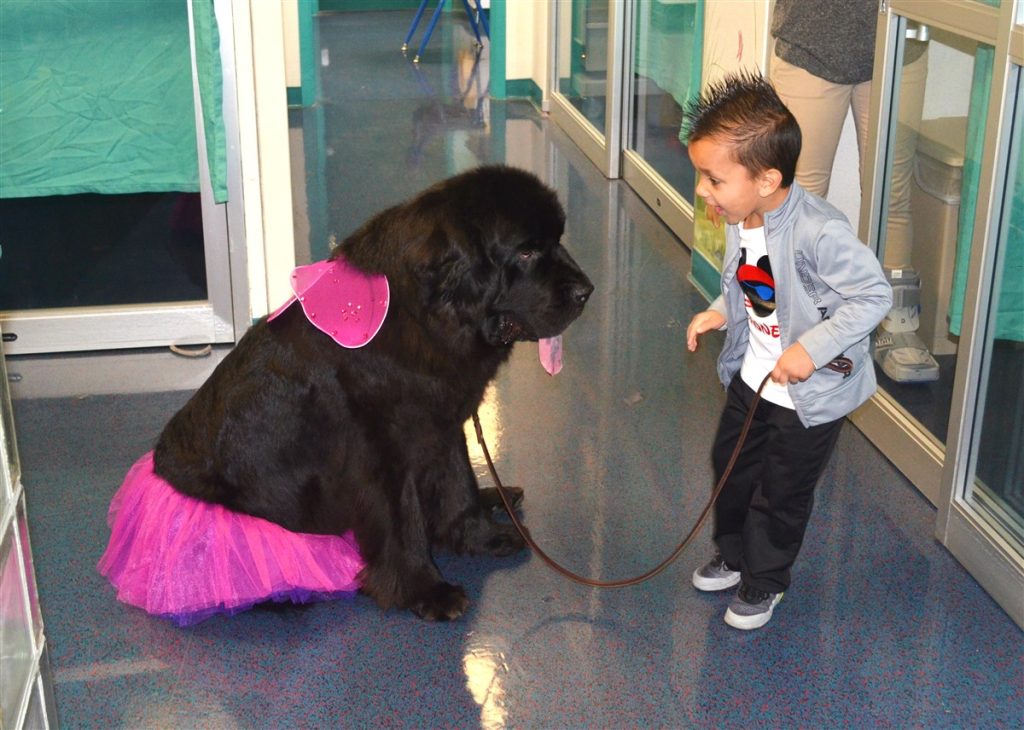
- Improved mood and motivation
- Reduced pain perception, as the presence of animals has been shown to trigger the release of endorphins
- Faster recovery times, with many patients reporting a more positive outlook on their healing journey
Across the United States, hospitals, rehabilitation centers, and mental health programs have increasingly adopted AAT to pave the way for progressive patient care. Programs from institutions like the Mayo Clinic and pet therapy initiatives in veterans’ hospitals are strong indicators of this growing trend. The integration of therapy animals into treatment plans reveals their remarkable potential for enhancing patient outcomes, positioning AAT as an exciting and promising frontier in healthcare.
As research continues to evolve, the field of animal-assisted therapy invites further investigation into the myriad ways that our four-legged friends can contribute to better health and healing. This relationship not only enriches the lives of the patients and animals involved but also enriches the entire fabric of therapeutic practices.
Emotional Support Through Furry Companionship
At the heart of animal-assisted therapy lies the profound ability of animals to provide emotional support. Many patients, particularly those dealing with chronic illnesses, mental health disorders, or recovery from surgery, often experience feelings of isolation or despair. The presence of a therapy animal can serve as a powerful antidote to these troubling emotions. Animals possess an innate sensitivity to human feelings; they offer a non-judgmental ear and a comforting presence that can significantly alleviate stress and anxiety.
Consider the experience of a patient in a rehabilitation center struggling with depression following a major surgery. Traditional therapeutic approaches may seem overwhelming, but an interaction with a gentle therapy dog can instantly shift the atmosphere. Animal-assisted therapy not only lowers anxiety levels but also harnesses the power of touch. The simple act of petting a dog has physiological benefits—they can reduce blood pressure and induce a sense of calm. This tactile connection ignites a healing response in the body, often making patients feel more relaxed and open to engaging in further therapeutic modalities.
Moreover, AAT promotes an increase in social interactions. Many patients struggle with social isolation during their recovery journey. Therapy animals play a pivotal role as social catalysts, facilitating crucial interactions not only between the patient and the animal but also among patients and staff. In settings such as skilled nursing facilities or mental health clinics, therapy animals can help bridge the gap between individuals who might feel uncomfortable or reluctant to engage with others. For instance, group therapy sessions that incorporate interactions with animals often see an uptick in communication and a decrease in social withdrawal, providing patients with a shared experience that fosters connection.
The mental health benefits of AAT are reinforced by various studies illustrating the connection between pet therapy and improved psychological outcomes. Some notable findings include:
- Increased levels of oxytocin, the “feel-good” hormone that builds trust and emotional bonding, which can bolster mood.
- Enhanced motivation and engagement in therapeutic activities, leading to better adherence to treatment plans.
- Reduction in feelings of anxiety and depression, as patients who participate in AAT often report better overall mental health and well-being.
As healthcare professionals continue to recognize the multifaceted benefits of animal-assisted therapy, programs are being implemented throughout the United States. Facilities across the country, from children’s hospitals to veterans’ programs, are embracing this holistic approach to recovery. Initiatives like the “Pet Partners” program, which trains therapy animals and their handlers to work in various healthcare settings, are becoming commonplace, underscoring the growing acknowledgment of how integral animals can be in enhancing patient recovery experiences.
The positive outcomes reported by patients and health professionals alike are leading to a broader acceptance of animal-assisted therapy in various medical contexts. As we delve deeper into its benefits, we begin to uncover just how much these furry companions can contribute to healing and recovery.
| Category | Description |
|---|---|
| Emotional Support | Interaction with pets can significantly enhance a patient’s mental well-being, reducing feelings of anxiety and depression. |
| Physical Recovery | Engagements in animal-assisted activities can promote physical therapy by encouraging movement and strengthening bonds. |
| Social Interaction | Pets often serve as social catalysts, providing opportunities for interaction and communication among patients and therapists. |
| Motivation | The presence of a pet can increase patients’ motivation to participate in their recovery process and establish routine activities. |
Animal-assisted therapy (AAT) is a fascinating and effective approach that harnesses the profound connection between humans and animals. Numerous studies have indicated that this therapeutic methodology not only aids in emotional healing but also promotes physical recovery. For instance, working with animals can encourage movement and facilitate physical exercises that may otherwise seem daunting for patients. Furthermore, the mere presence of a pet can trigger release of oxytocin, a hormone known for its calming and bonding effects, thereby creating a safe environment for patients to express themselves.Patients often feel more comfortable sharing their thoughts and feelings when interacting with animals, resulting in significant improvements in their overall mood and social skills. AAT has proven particularly beneficial in rehabilitation centers, psychiatric hospitals, and nursing homes, where fostering connections and restoring emotional balance is paramount. The ongoing research in the field reveals promising advancements and reinforces the value of integrating animal-assisted therapy into traditional healthcare practices.
Physical Rehabilitation Enhanced by Animal Interaction
Beyond the emotional realms, animal-assisted therapy (AAT) has shown remarkable potential in facilitating physical rehabilitation. The inclusion of animals in recovery programs boosts motivation and encourages movement in patients recovering from a variety of physical ailments, including surgeries and injuries. For instance, patients who work with therapy dogs often engage in activities that promote exercise—such as throwing a ball or going for a walk—leading to improved mobility, coordination, and strength. This dynamic interaction fosters an engaging environment where patients are more willing to participate in their rehabilitation exercises than they would be in a traditional setting.
The effectiveness of animal-assisted physical therapy is particularly evident in geriatrics and rehabilitation centers. For elderly patients recovering from strokes or hip replacements, therapy animals can provide not only companionship but also a form of physical support. The mere presence of a friendly dog can encourage these patients to initiate movement, as they often seek to engage with the animal. In such cases, AAT not only aids in physical mobility but also instills a sense of responsibility and purpose in the patients, which can be crucial for their mental health and overall recovery.
Several studies have highlighted the tangible benefits of integrating therapy animals into physical recovery programs. Research conducted at various rehabilitation facilities indicates that patients participating in AAT exhibit:
- Significant improvements in mobility and strength: Studies suggest that patients who engage with therapy animals demonstrate a notable increase in range of motion and overall physical capability.
- Higher levels of adherence to rehabilitation protocols: With the motivation provided by therapy animals, patients are more likely to comply with daily exercise routines compared to those without animal interaction.
- Improved overall well-being: Data show reduced pain perception in patients involved in AAT, resulting in a more positive outlook on their recovery journey.
The integration of AAT in physical rehabilitation settings is gaining momentum in the United States, with various organizations advocating for the practice. One example is the “Warrior Canine Connection,” which employs service dogs in therapeutic environments to assist veterans recovering from combat-related injuries. Programs like these demonstrate a unique fusion of enhancing physical recovery while simultaneously addressing mental health struggles, thereby offering a holistic approach to rehabilitation.
Moreover, the success stories resulting from AAT initiatives extend beyond individual patient experiences; they influence healthcare practices on a broader scale. As more facilities recognize the dual benefits of engaging patients both physically and emotionally through animal interaction, the paradigm of traditional rehabilitation strategies is evolving. This shift signals a movement towards more integrative and innovative approaches in therapeutic settings that prioritize patient engagement while promoting recovery.
In essence, the synergy between animals and patients fosters a transformative experience that transcends mere companionship, reinforcing the essential role that animal-assisted therapy plays in physical rehabilitation. With an increasing body of evidence supporting its efficacy, AAT continues to be a beacon of hope for many seeking to overcome physical challenges and achieve a better quality of life.
Conclusion: Embracing the Healing Power of Pets
In the realm of healthcare, animal-assisted therapy (AAT) is establishing itself as a transformative approach that goes beyond traditional treatments. By harnessing the unique bond between humans and animals, therapy interventions not only enhance emotional well-being but also play a crucial role in physical rehabilitation. The evidence presented throughout this article underscores the profound impact that therapy animals can have on patient motivation, compliance, and overall recovery outcomes.
The compelling data highlighting significant improvements in mobility and strength for AAT participants cannot be ignored. As facilities across the United States adopt these innovative practices, we see a growing recognition of the value that pets bring in stimulating patient engagement and promoting healing. The partnership between healthcare professionals and therapy animals offers a multidimensional approach to recovery that is both holistic and effective.
Moreover, the influence of AAT extends beyond individual patient experiences, setting a new standard in rehabilitation methodologies. This paradigm shift encourages healthcare systems to incorporate more integrative strategies that prioritize the psychosocial aspects of healing. As we embrace the healing power of pets, it becomes clear that AAT represents not just a trend but a vital component of compassionate care that can fundamentally change lives.
As we move forward, continuous research and advocacy for animal-assisted therapy will be essential to further validate its benefits and to forge paths for its expanded use. For patients seeking a brighter, more hopeful recovery journey, the companionship of therapy animals may indeed be the key to unlocking their full potential.