How to Create a Welcoming Environment for Adopted Pets in Your Home
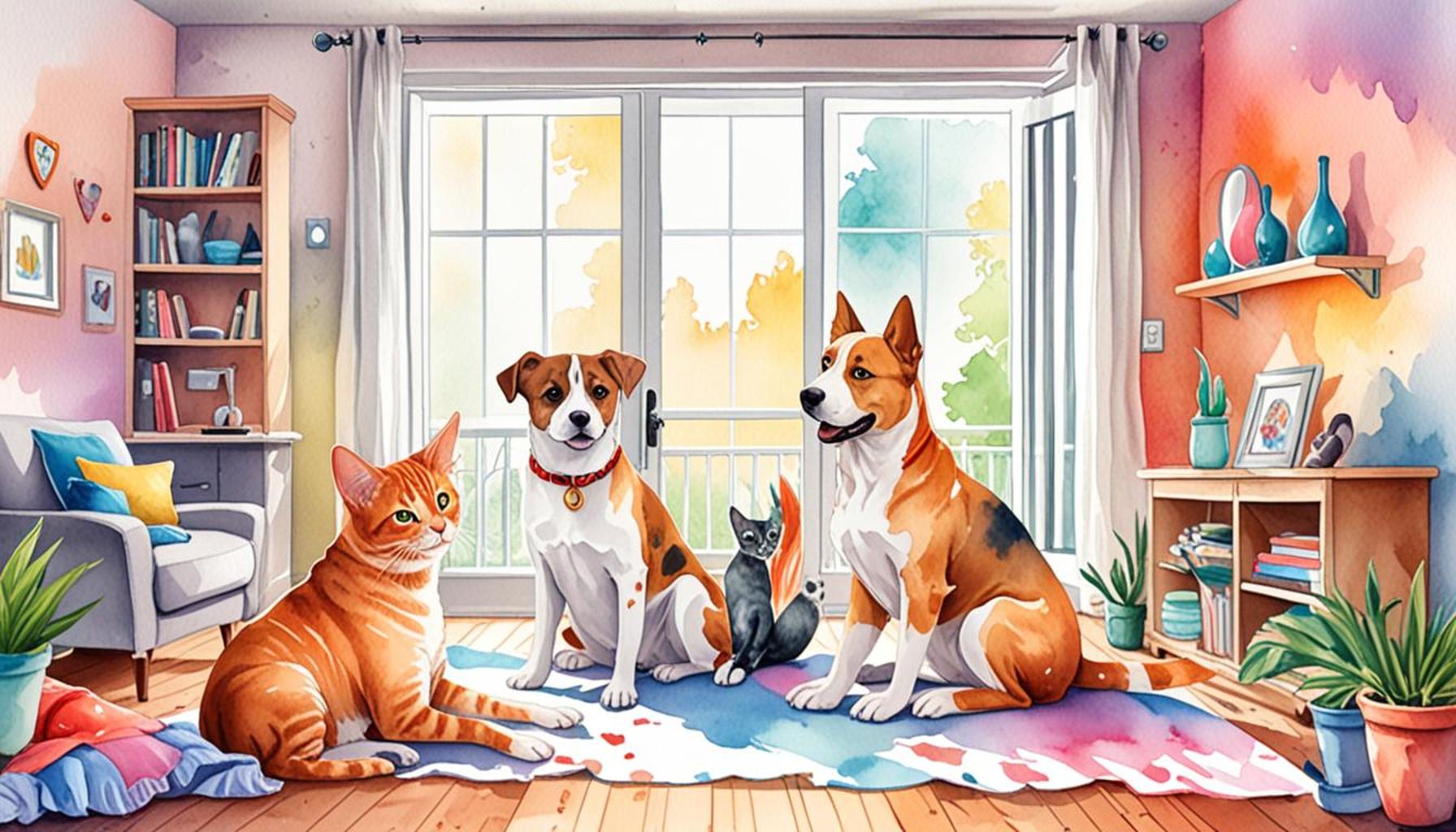
Creating a Loving Space for Your Adopted Pet
Bringing an adopted pet into your home is an incredibly rewarding experience. It’s an opportunity to provide a loving environment for a new companion while enhancing your family’s happiness. However, creating that warm and welcoming atmosphere is crucial for helping your pet adjust comfortably. The transition from a shelter or rough living conditions to a permanent home can be overwhelming for many pets, requiring thoughtful preparation and understanding.
Key Aspects to Consider
There are key aspects to consider when readying your home for its newest member:
- Safe Spaces: Designate a quiet area where your pet can retreat to feel secure. This could be a cozy corner of your living room or a separate room where they can relax undisturbed. Having a designated space allows your pet to gain comfort from familiar surroundings, reducing anxiety.
- Comfort Items: Invest in cozy bedding and toys to make them feel at home. In Nigeria, which can have varying temperatures, choose bedding materials suited for climate conditions, such as breathable fabrics during humid months. Providing them with toys not only entertains but also helps foster their natural instincts and keeps them mentally stimulated.
- Pet-proofing: Remove hazardous items and secure any potential dangers. This includes stowing away toxic plants, cables, and sharp objects. Consider using barriers or gates to create safe zones, especially if you have small children or other pets at home.
Understanding Emotional Needs
It’s also essential to understand the emotional needs of your adopted pet, especially if they come from difficult backgrounds. Adopted pets can be wary and anxious, particularly if they have experienced trauma. Patience and consistent positive reinforcement play a vital role in helping them feel safe and accepted. Simple things like gentle spoken words, soft strokes, and treats can build trust over time.
Environmental Considerations
In Nigeria, it’s imperative to consider environmental factors unique to your region, such as temperature variations and humidity. Pets can suffer from heat stress, so providing shaded areas and fresh water is crucial. Appropriate ventilation and climate control will ensure your pet remains comfortable even in the warm seasons. Installing fans or utilizing air conditioning during peak heat can create a more suitable environment.
Practical Strategies and Resources
As we delve deeper into how to foster an inviting home for your new furry friend, we will explore strategies, resources, and tips that will ease their transition and help them thrive. Utilize local resources, such as pet organizations and veterinarians, for advice on pet care and training tailored to the Nigerian context. Community support can also provide valuable insight into addressing common challenges faced by new pet owners.
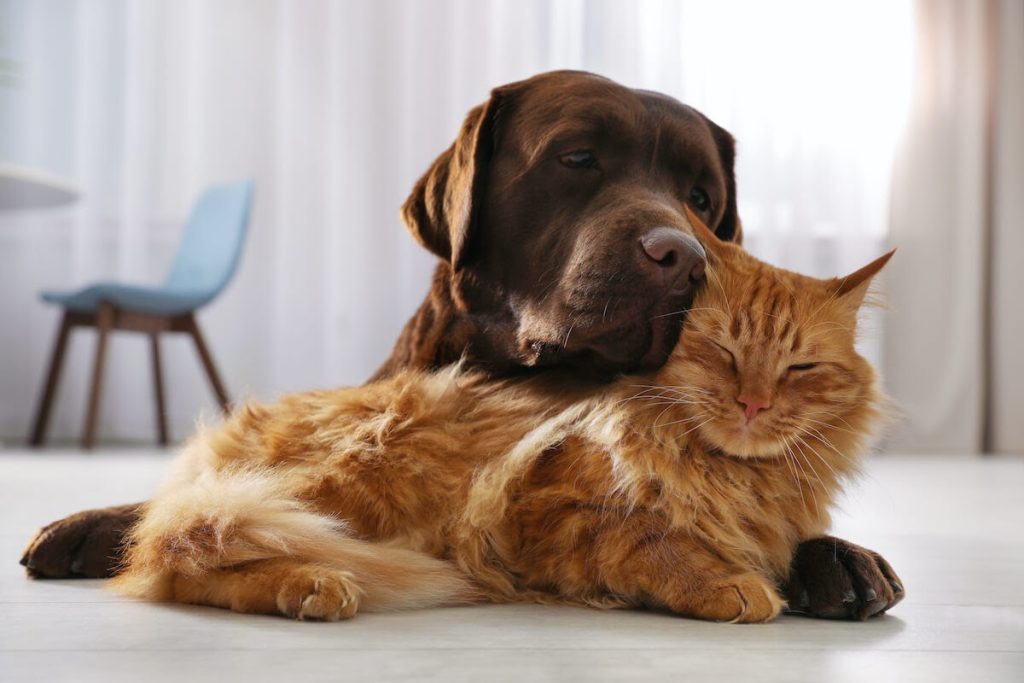
Ultimately, the love and attention you invest in your adopted pet not only enhances their well-being but also adds richness to your family life. Embrace this journey and let your new companion fill your home with joy and laughter.
Creating a Cozy Home for Your Furry Friend
Transitioning a pet from a shelter or previous living conditions into your home can be a significant adjustment, both for you and your new companion. Creating a welcoming environment involves more than just providing food and shelter; it requires an understanding of your pet’s needs and ensuring they feel safe and loved in their new surroundings. This experience can be profoundly rewarding, as these animals often have a lot to give when they feel secure. To accomplish this, consider various elements of your home and how they can affect your pet’s acclimatization process.
Physical Environment Setup
The physical layout of your home plays a critical role in how well your pet adapts. Here are several key factors to keep in mind:
- Designated Pet Area: Set up a specific place for your pet to eat, sleep, and play. This area can be equipped with their bed, food and water bowls, and toys. By having a designated space, your pet can learn where they belong within the home, which reduces anxiety and uncertainty.
- Minimalized Clutter: Remove clutter and obstacles from their main pathways. This can prevent your pet from feeling overwhelmed and help them move around freely as they explore their new environment.
- Accessible Items: Ensure essential items like food, water bowls, and litter boxes (for cats) are easily accessible. When a pet knows these resources are within reach, they can quickly adapt to their new home without added stress.
Creating a Calming Atmosphere
The ambiance of your home can significantly influence your pet’s comfort levels. Lighting, for instance, should be adequate but soft to create a calming atmosphere. Loud noises can be frightening for pets, so consider playing soft music or maintaining a quiet environment, particularly in the early days of adjustment. Additionally, essential oils can be beneficial in creating a soothing environment, but ensure they are pet-safe and used sparingly. Options like lavender and chamomile can promote relaxation.
Routine and Structure
Establishing a daily routine is vital for your adopted pet. Regular meal times, walk schedules, and play sessions provide a sense of structure that helps pets understand what to expect each day. Routines offer comfort and security, enabling pets to feel more at home. This predictability also aids in house-training for dogs and can help cats adjust to litter training more smoothly.
Introducing your new pet to your home environment with these considerations ensures they will feel welcome and secure. Each pet’s personality and past experiences can differ greatly, making it crucial to stay observant and tailor your approach as needed. Remember, every interaction counts in rebuilding trust and laying the groundwork for a loving relationship. Embracing these strategies can help pave the way for a happy, harmonious life together.
| Category | Benefits |
|---|---|
| Comfortable Spaces | Create areas where your pet can feel secure and relaxed, reducing anxiety. |
| Safe Zones | Establishing a cozy nook allows your pet to retreat and recharge when feeling overwhelmed. |
| Interactive Toys | Engagement with toys can stimulate mental growth, leading to happier pets. |
| Regular Routine | Daily structures provide your pet with a sense of stability and predictability, which is crucial for their well-being. |
| Positive Reinforcement | Utilize treats and praise to strengthen your bond, creating an emotionally healthy environment. |
Creating a welcoming atmosphere for adopted pets in your home is about more than just providing basic needs. It involves understanding their psychology and making adjustments to ensure they feel loved and secure. Each adopted pet comes with a unique set of experiences and needs, and a nurturing environment can significantly ease their transition into your household. From creating safe spaces to offering interactive toys, these steps can foster trust and affection. Furthermore, establishing a regular routine will not only help your pet adapt quicker but also enhance their behavior, making them feel safe and comfortable.
Engaging with Your New Companion
Once the physical environment is tailored to your new pet’s needs, it’s essential to focus on engagement and socialization. Building a bond with your pet is a pivotal part of their adjustment process, and meaningful interactions can significantly accelerate their sense of belonging in your home.
Building Trust Through Interaction
Trust is paramount for pets coming from shelter backgrounds or challenging previous situations. Start the bonding process with gentle interactions; let your pet approach you at their own pace. Use positive reinforcement techniques, such as treats or praise, when they exhibit behaviors you want to encourage, like sitting near you or responding to their name. This method not only builds trust but also encourages your pet to view you as a source of comfort and security.
Socialization Opportunities
Expanding your pet’s socialization is equally important in making them feel at home. Introduce them gradually to different environments, people, and even other pets, but do so in a controlled manner. Start with brief interactions and monitor your pet’s body language. Are they feeling comfortable? Curious? Or are they hiding or retreating? Understanding your pet’s signals is crucial during these socialization sessions, as every pet has its unique temperament and history that shapes how they react.
- Group Activities: In Nigeria, many communities host pet-friendly events such as dog walks in parks or adoption days. Engage your pet in such communal activities where they can smell, see, and hear other animals in a less intimidating setting. These interactions are instrumental in building confidence in a new and active environment.
- Inviting Friends Over: If your pet is open to it, invite friends or family for casual visits. Socializing with other humans can reinforce the idea of your home as a safe and welcoming space. Make sure to inform your guests about the proper way to interact with your pet, highlighting the importance of avoiding sudden movements or loud noises.
Physical Activity and Mental Stimulation
Regular exercise is just as essential for your newly adopted pets as it is for humans. Lack of physical activity can lead to behavioral problems stemming from pent-up energy and anxiety. Ensure that your pet gets ample playtime tailored to their energy levels and physical capabilities. For example, a spirited dog may enjoy playing fetch in your backyard or local park, while an older cat might prefer interactive toys that challenge their mind without demanding too much physical exertion.
Incorporating elements like puzzle feeders or treat-dispensing toys can provide mental stimulation that is essential to a pet’s wellbeing. These activities can help with boredom, anxiety, and even deter destructive behaviors triggered by inactivity. Plus, they encourage problem-solving skills, making them feel more accomplished and engaged in their environment.
Recognizing that patience and understanding are critical aspects of welcoming an adopted pet into your home is vital. By creating avenues for trust, social interaction, and stimulating activities, you will not only help your pet adjust but enrich their lives in meaningful ways. This bond, nurtured over time through positive experiences, will lead to a harmonious and fulfilling relationship, benefiting both you and your four-legged friend.
Conclusion: Embracing Your New Family Member
Creating a welcome environment for adopted pets is a multifaceted endeavor, requiring intention, patience, and love. As we’ve explored, the journey begins with adjusting the physical spaces in your home to cater to your pet’s specific needs—be it through cozy sleeping areas or safe play zones. However, the heart of this process lies in nurturing emotional bonds and enhancing engagement through trust, socialization, and mental stimulation.
It cannot be overstated that building trust with your new furry companion is essential. By allowing your pet to adjust at their own pace while employing positive reinforcement, you set the foundation for a lasting relationship. Furthermore, offering opportunities for socialization, whether through community activities or casual visits with friends, broadens their horizons, allowing them to feel more secure in their new environment.
Don’t overlook the importance of regular exercise and mental challenges, which are crucial for their wellbeing. Incorporating activities that suit their energy levels not only combats behavioral issues arising from pent-up energy but also fosters a sense of accomplishment and happiness.
Ultimately, a successful transition for your adopted pet hinges on the mutual effort and understanding between you and them. Embrace this exciting chapter with an open heart, and know that every small step you take towards creating a loving, supportive atmosphere will not only enrich your pet’s life but also bring joy and fulfillment to your own. In the words of the wise, “A pet is not just a pet; they are family.” So gear up to invest in a relationship that promises love beyond measure.