Challenges and Solutions in the Adoption of Pets in Rural Communities of Nigeria

Understanding Pet Adoption Challenges
In rural communities of Nigeria, the dream of adopting a pet often faces numerous hurdles that can discourage even the most eager animal lovers. Local culture, existing infrastructure, and a general lack of awareness play pivotal roles in shaping the pet adoption landscape significantly. By identifying the common challenges and exploring actionable solutions, we can work towards fostering a healthier environment for pet ownership.
Key Challenges in Pet Adoption
- Lack of Awareness: Many residents may not understand the benefits of adopting pets or how to care for them. Educational initiatives highlighting how pets can contribute to a family’s emotional well-being and security are often missing. For example, by showcasing stories of families in rural areas who have benefited from having pets, communities can re-evaluate their perceptions.
- Access to Veterinary Care: Limited availability of veterinary services in rural areas often deters potential pet owners. Many regions lack trained veterinarians, and the distance to the nearest clinic can be intimidating. In some places, mobile veterinary units have been introduced, bringing essential medical care directly to the communities, which could serve as a model for expanding pet care in these areas.
- Cultural Beliefs: Prevalent myths about animals, such as misconceptions surrounding rabies or the idea that pets bring bad luck, may create fear, leading to reluctance in adoption. Community leaders can host dialogue sessions to confront these fears directly, sharing factual information and success stories of pet ownership to normalize the practice.
- Economic Constraints: The financial burden of pet ownership, including food and medical care, can be a significant barrier. With local economies facing challenges, the idea of additional expenses feels daunting. However, community-based initiatives to share resources, such as food co-ops for pet owners, could alleviate some of these costs and promote collective ownership.
Potential Solutions
Addressing these challenges requires a multifaceted approach. Community education on the benefits of pet adoption is vital. Collaborating with local schools and organizations to integrate pet care education into curricula can create a generation more informed about animal welfare. Additionally, fostering partnerships with veterinary professionals can enhance access to care. Workshops that train local residents in basic pet care could empower communities to take better responsibility for their animals.
Local initiatives that provide financial support, such as subsidized pet food programs or low-cost veterinary services, can help reduce economic burdens on potential pet owners. By taking these steps, communities can create a culture of compassion and responsibility toward animals.
As we delve deeper into these topics, exploring real-life examples and innovative pet adoption projects across Nigeria, we can identify effective strategies that promote the welfare of pets and their new owners. Understanding these dynamics is essential for fostering a positive pet adoption culture that can enrich both human and animal lives.
Navigating Obstacles to Pet Ownership
The concept of pet adoption in rural communities of Nigeria is interwoven with a tapestry of obstacles that can deter even the most passionate animal advocates. By understanding these challenges more deeply, stakeholders can work toward implementing solutions that pave the way for a more pet-friendly environment. This exploration into the barriers faced by potential pet owners serves as a call to action, illuminating the path to more effective adoption processes.
Understanding Cultural Barriers
Cultural beliefs play a significant role in shaping attitudes toward pets in rural Nigeria. In various communities, traditional views regarding animals often lead to misconceptions surrounding what it means to own a pet. For instance, certain groups may believe that keeping pets attracts misfortune or illness, which directly influences their willingness to adopt. Initiatives aimed at educating locals on the joys and responsibilities of pet ownership are crucial. Storytelling workshops featuring successful pet owners can help dispel myths and promote understanding.
Moreover, the familiarity with working animals—like dogs used for herding or hunting—often overshadows the idea of keeping pets solely for companionship. Communities must develop a more comprehensive narrative that illustrates the benefits of adopting pets beyond their utility, thereby fostering a deeper emotional connection.
Accessibility of Veterinary Services
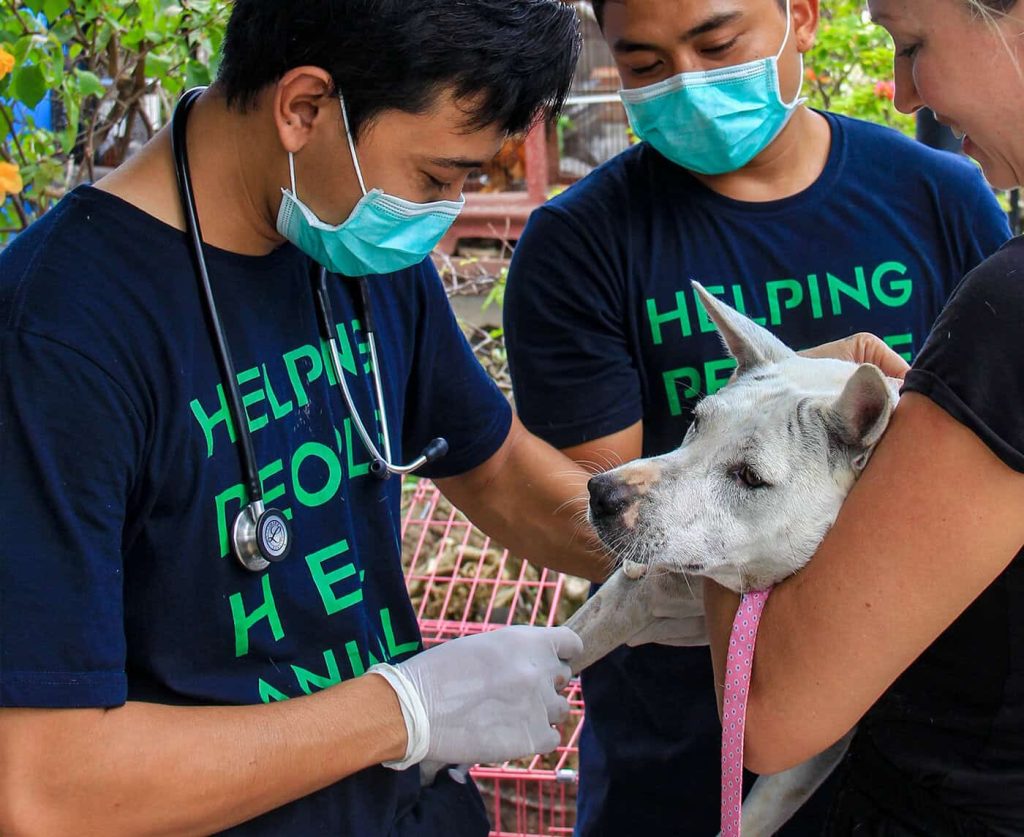
Access to animal healthcare remains a substantial barrier in rural areas, where many residents are often unaware of the essential veterinary services available. The absence of trained veterinarians can discourage potential pet owners, as they fear being unable to provide necessary care. For instance, in many regions, the nearest veterinary clinic might be several hours away, which creates an insurmountable challenge for those wishing to adopt pets. This lack of accessibility hampers the growth of responsible pet ownership.
To mitigate this issue, the introduction of mobile veterinary clinics has proven to be an effective solution. These units travel to remote areas to provide vaccinations, health checks, and educational workshops on animal care. Such initiatives have the potential to not only improve pet health but also to promote a culture that values responsible pet ownership.
Economic Factors at Play
The financial implications of pet ownership can deter potential adopters, particularly in economically challenged rural communities. The costs associated with food, supplies, and healthcare can seem overwhelming. Data suggests that a significant portion of the population in rural Nigeria lives below the poverty line, which complicates the notion of adding a pet to the household.
Addressing these economic barriers requires innovative solutions. Community-led initiatives, such as pet food cooperatives or support programs for low-income families, can lessen the financial burden of caring for a new pet. By merging agricultural resources with pet care, communities can create a sustainable environment for both humans and animals.
As we continue to explore these themes throughout our article, we will delve into real-life success stories and strategic partnerships that showcase how nurturing a culture of pet adoption can enrich both animal lives and human experiences. Through understanding these challenges and their solutions, we can foster a more supportive and compassionate environment for pet ownership in rural Nigeria.
| Challenges | Solutions |
|---|---|
| Lack of Awareness | Community education programs that promote the benefits of pet ownership and care. |
| Limited Access to Veterinary Services | Mobile veterinary clinics to reach remote areas with essential services. |
| Cultural Beliefs | Engaging local leaders to advocate for pet adoption and dispel myths. |
| Financial Constraints | Establishing low-cost pet care programs and grants for pet owners. |
The situation surrounding pet adoption in rural Nigeria is complex, yet filled with potential solutions that can greatly benefit communities and promote responsible pet ownership. The first significant challenge is the lack of awareness regarding the responsibility and mutual benefits of pet ownership. Many community members may perceive pets as merely animals rather than companions that can add joy and purpose to their lives. By implementing robust community education programs, the positive aspects of having pets can be effectively communicated.Another pressing hurdle is the limited access to veterinary services. In rural areas, the distance to veterinary clinics can discourage pet owners from seeking necessary care. This can be resolved through initiatives such as mobile veterinary clinics, which are designed to bring essential medical services directly to remote communities. Additionally, cultural beliefs surrounding animals can pose significant obstacles to pet adoption. Misconceptions can be tackled by engaging local leaders to act as advocates, helping to educate their communities. Lastly, the financial constraints faced by rural residents also play a significant role in limiting pet adoption. Establishments of low-cost pet care programs, alongside financial assistance opportunities, can encourage more families to welcome pets into their homes, significantly enhancing the quality of life. Through these tailored solutions, rural communities can bridge the gap between the challenges faced and the joyful experiences of pet ownership.
Fostering a Supportive Environment for Pet Adoption
Creating an ecosystem that encourages pet adoption in rural Nigerian communities requires a multifaceted approach that not only addresses the existing challenges but also capitalizes on local strengths. By harnessing community involvement and resourcefulness, stakeholders can develop innovative solutions that facilitate a thriving pet ownership culture.
Building Community Awareness and Participation
Community engagement is vital in transforming the perception of pet ownership. Grassroots campaigns that emphasize the emotional and physical benefits of pets can significantly enhance public acceptance. Using local media outlets, including radio and community gatherings, provides an accessible platform to disseminate information. By hosting local events, such as pet fairs or adoption days, communities can create opportunities for residents to interact with adoptable animals, fostering connections that can lead to successful adoptions.
- Partnering with local influencers or respected community leaders can amplify the message, as their endorsement may help sway public opinion.
- Involving schools in educational programs that teach children about responsible pet care can instill values that carry into adulthood, promoting a new generation of pet advocates.
Reducing Barriers through Collaborative Efforts
Collaboration plays a crucial role in overcoming the barriers to pet adoption. Non-governmental organizations (NGOs), veterinary services, and local authorities can form strategic partnerships to create a cohesive support system. Programs that offer subsidized veterinary care for low-income families or training sessions on animal care can mitigate both economic and educational barriers.
Moreover, local businesses can contribute by sponsoring free veterinary check-ups or offering discounts on pet supplies, thereby engaging the community further in the pet adoption initiative. Such collaborations not only ease the financial burdens associated with pet ownership but also promote local businesses and agriculture, creating a symbiotic relationship within the community.
Leveraging Technology for Animal Welfare
With connectivity improving in rural Nigeria, leveraging technology can also play a pivotal role in facilitating pet adoption. Mobile applications or social media platforms specifically designed to showcase adoptable pets can create a virtual marketplace for animals in need of homes. These platforms can help bridge the gap between potential pet owners and rescue organizations, making the adoption process more efficient and accessible.
Furthermore, online educational resources tailored for rural communities can equip current and prospective pet owners with knowledge on animal welfare, training techniques, and health care. This increased access to information empowers individuals to take ownership of their responsibilities as pet guardians.
Creating Sustainable Solutions through Local Farming Practices
Integrating aspects of local agriculture into pet care can also offer sustainable solutions to the economic barriers faced by potential adoptive families. Farmers can collaborate to produce affordable pet food through community farming initiatives, utilizing crop by-products that would otherwise go to waste. This approach not only addresses the financial challenge associated with feeding pets but also promotes a sense of community solidarity. By working together to ensure an adequate food supply, communities can foster a more pet-friendly environment while simultaneously bolstering their local economies.
As we delve deeper into the intricacies of pet adoption challenges in rural Nigeria, exploring these innovative solutions will reveal how strategic partnerships, community engagement, and leveraging technology can create pathways toward successful pet ownership. With the right framework in place, the dreams of a pet-loving community can become a tangible reality for many rural Nigerians. Through sustained efforts, we can witness a transformation in perceptions and practices around pet adoption, ensuring that both animals and their human companions thrive within these communities.
Conclusion: Navigating the Path to Pet Adoption in Rural Nigeria
The journey toward fostering a culture of pet adoption in rural communities of Nigeria is fraught with challenges, yet brimming with opportunities for positive change. As we have explored, factors such as economic constraints, cultural perceptions, and access to veterinary care significantly hinder the adoption rates of pets in these regions. However, innovative solutions rooted in local engagement, collaboration, and technological advancements can pave the way for a brighter future in pet ownership.
By prioritizing community awareness and education, we can begin to shift societal attitudes towards pets, emphasizing their role as companions and family members. Through local events and campaigns, stakeholders can create avenues for connection, demonstrating the emotional and social benefits that come with pet ownership. Furthermore, addressing economic barriers through strategic partnerships can reduce the financial burden on families, encouraging them to consider adopting instead of merely tolerating stray animals.
Embracing technology is equally vital; utilizing digital platforms to streamline the adoption process ensures that more animals find loving homes. The integration of local farming communities in producing affordable pet food not only addresses economic challenges but bolsters local economies as well. These multifaceted approaches hold promise, illustrating that the road to successful pet adoption is not insurmountable.
In conclusion, by harnessing community spirit, reducing barriers, and leveraging technology, rural Nigerian communities can cultivate an environment where pet adoption flourishes. This transformative endeavor not only benefits animals in need but enriches the quality of life for families, fostering companionship, responsibility, and a greater sense of community. Together, we can pave the way toward a future where pets are welcomed with open arms and hearts across Nigeria’s rural landscapes.