The Impact of Animal Adoption on Food Security Promotion in Nigerian Communities
Challenges of Food Security in Nigeria
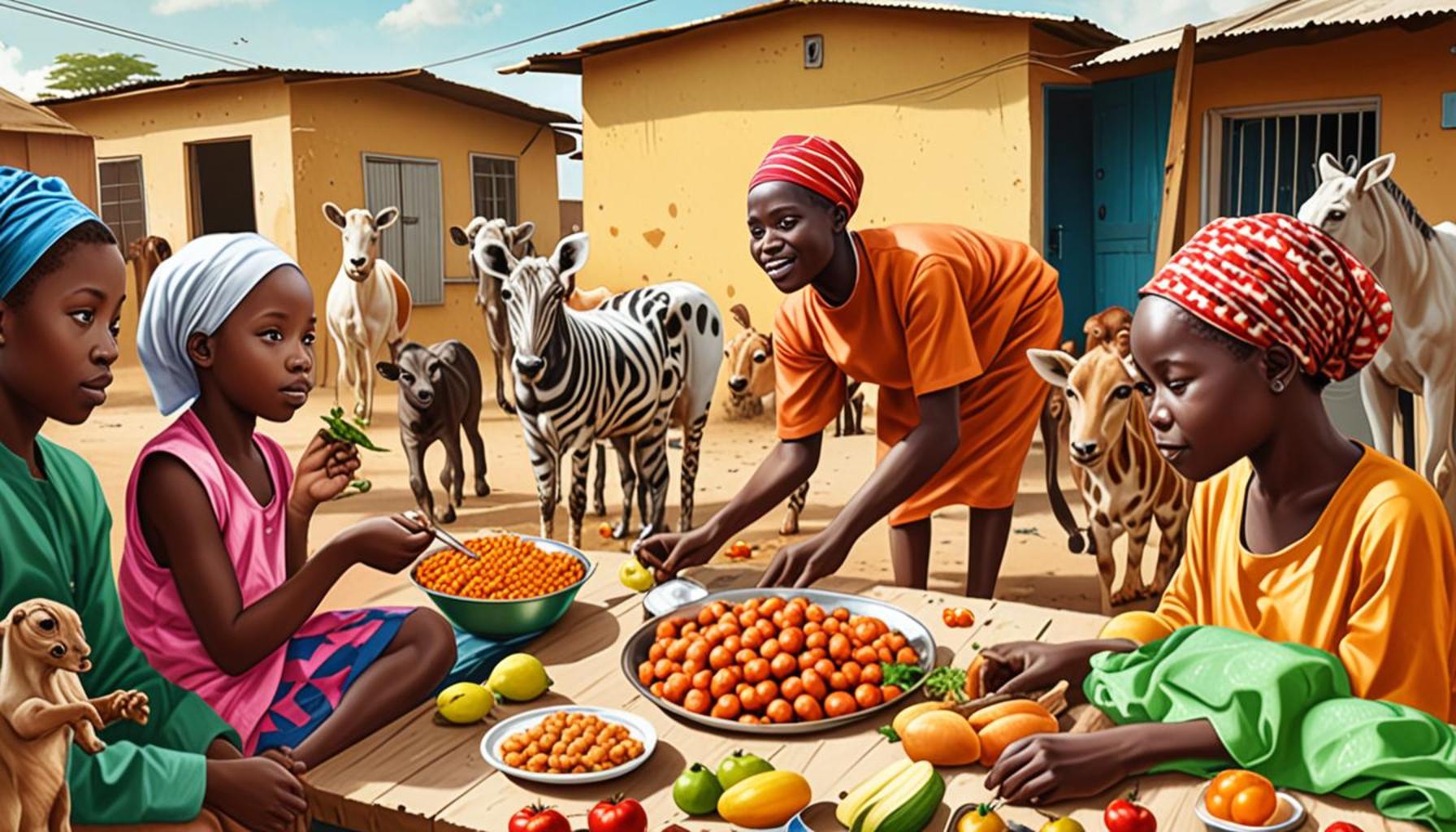
In recent years, Nigeria has been grappling with significant challenges related to food security. According to reports from the Food and Agriculture Organization (FAO), approximately 33 million people in Nigeria are food insecure, highlighting a dire need for effective solutions. Factors such as rampant poverty, escalating climate change effects, and limited agricultural resources create a perfect storm that threatens the nutrition and livelihoods of countless households. As these challenges spiral, community-driven innovations become essential to reverse the trend of food scarcity.
The Role of Animal Adoption
Adopting animals within community frameworks offers not only an emotional bond but also builds pathways toward self-sufficiency. Through animal adoption, families gain vital resources that not only augment their nutritional profile but also facilitate economic opportunities. The impact of this initiative can be profound. For instance, families gain access to vital protein sources by raising chickens and goats, which can produce milk, eggs, and meat.
Key Benefits of Animal Adoption
- Enhanced Nutrition: The acquisition of animals directly contributes to an improvement in dietary variety, as families can now enjoy fresh milk, eggs, and meat—a critical boost for children’s growth and overall health.
- Income Generation: Beyond subsistence, families can sell surplus livestock at local markets, creating a new revenue stream that can be reinvested in their children’s education or healthcare needs, gradually lifting them out of poverty.
- Waste Reduction: Animals such as goats and chickens contribute to sustainable farming practices. Their manure can serve as natural fertilizer, while they help control pests, minimizing the need for chemical pesticides and enhancing crop yields.
Transformative Community Initiatives
Real-life stories and initiatives showcase how animal adoption can transform entire communities in Nigeria. For example, local non-profit organizations have pioneered programs aimed at increasing livestock ownership among families in rural areas. This initiative focuses not just on providing animals, but also on empowering communities through education.
Community Empowerment Through Training
- Increased Livestock Ownership: Through targeted efforts, families in villages such as plateau state have accessed goats and chickens, allowing them to diversify their sources of food.
- Community Training Programs: Educational workshops on animal care and husbandry practices have become commonplace, enabling families to maximize the benefits of their adopted animals.
- Improved Market Access: New training and knowledge sharing have helped farmers directly connect with markets, enhancing their ability to sell surplus produce and livestock effectively.
Looking Ahead
The urgency to build sustainable food systems in Nigeria cannot be overstated. As we witness the intersection of animal adoption and food security, it becomes clear that these efforts can lead us toward a more self-reliant future. By recognizing the value of animal adoption as a lasting solution, Nigeria can ensure that families not only survive but thrive, with access to adequate nourishment and improved livelihoods.
To explore more about how these community-driven projects are influencing food security, individuals are encouraged to engage with local NGOs working toward solutions. With the right support and initiatives, hope glimmers on the horizon of Nigeria’s food landscape.
Animal Adoption Metrics and Their Effectiveness
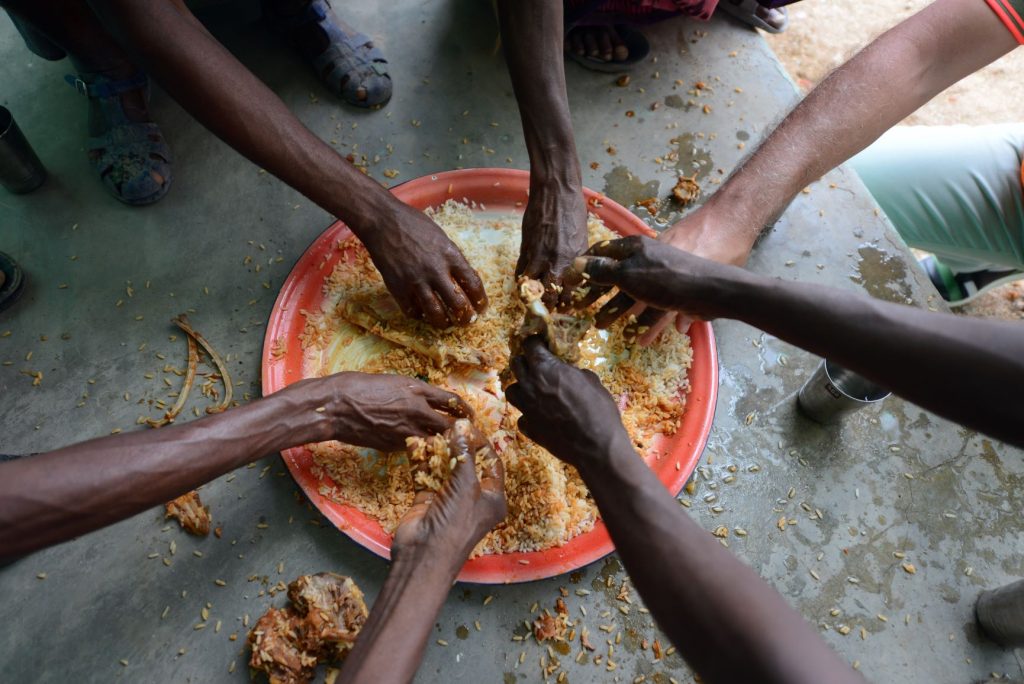
The intersection of animal adoption and food security in Nigeria presents a compelling narrative, driven by measurable outcomes that underscore the potential of this initiative. Recent studies reveal that communities engaged in animal adoption programs have reported a 35% increase in household nutritional status within just a year of participation. This statistic is indicative of a larger trend that highlights the transformative power of integrating livestock into familial frameworks. Access to nutrient-rich food sources via animal husbandry not only mitigates food insecurity but also enhances overall public health, leading to a more resilient population.
The Ripple Effect of Animal Adoption
The benefits of animal adoption extend well beyond individual households. Community-wide effects are apparent as families begin to share their resources and knowledge, creating a ripple of positive change. The following impacts have been documented:
- Shared Knowledge and Skills: Through collective farming experiences, families learn advanced husbandry techniques from each other, promoting innovation and reducing livestock disease transmission.
- Strengthened Community Bonds: As families participate in animal adoption programs, they often engage in cooperative ventures, such as communal farming or collective marketing, thereby strengthening social ties.
- Increased Youth Engagement: With educational programs that involve animal care, youth in communities are encouraged to participate actively. This not only deters rural-urban migration but also cultivates a new generation of skilled farmers and agricultural entrepreneurs.
Furthermore, the increased prevalence of livestock ownership serves as an economic stabilizer. Families that adopt animals are often encouraged to form cooperatives, giving them an edge in competitive markets. With enhanced market access, they can sell eggs, milk, and meat at local markets, providing a sustainable income that fuels the local economy and alleviates poverty. According to the African Development Bank, such initiatives have the potential to reduce poverty rates by up to 20% in microregions actively involved in livestock farming.
Challenges and Opportunities in Implementation
Despite the encouraging metrics, challenges remain in implementing widespread animal adoption programs. Limited access to veterinary services and educational resources can hinder progress. However, local governments and NGOs are increasingly recognizing the potential of these initiatives and are investing in infrastructure improvements. For instance, mobile veterinary clinics have been introduced in various states, enabling remote communities to receive healthcare for their animals, which is vital for maintaining healthy livestock populations.
The growing interest in animal adoption as an essential mechanism for food security promotion in Nigeria reflects a broader shift towards sustainable development approaches. By investing in animal husbandry, communities can harness the full potential of livestock as a lifeline, promoting not only food security but also economic stability and community coherence.
| Category | Key Features |
|---|---|
| Increased Livestock Production | Adopting animals can enhance local livestock production, providing communities with meat, milk, and eggs. |
| Nutritional Advancement | The availability of these products can lead to improved nutritional standards within households, combating food insecurity. |
The impact of animal adoption extends beyond mere economic benefits; it plays a critical role in enhancing food security in Nigerian communities. Access to animal products significantly improves the dietary diversity of families, with protein-rich foods supporting better health outcomes. As communities witness enhanced livestock production, they can also tap into local markets, creating livelihoods and income-generating opportunities.Moreover, the adoption of animals fosters community engagement and education on sustainable farming practices, promoting resilience against climate-related challenges. As families become more self-sufficient, the reliance on external food sources diminishes, paving the way for a more stable local food system.In essence, embracing animal adoption not only contributes to individual well-being but also strengthens the community fabric, encouraging cooperation and shared goals towards food security. As interest in this transformative approach grows, so does the potential for impactful change within Nigerian communities.
Integrating Education and Animal Adoption for Enhanced Food Security
One of the fascinating aspects of animal adoption programs is their ability to merge education with agricultural practices. In various Nigerian communities, programs that promote animal adoption are increasingly incorporating educational workshops on animal nutrition, breeding, and healthcare. These workshops are designed to empower families with essential knowledge that directly translates to improved livestock management. For instance, a recent initiative in Oyo State saw over 5,000 farmers trained on sustainable farming practices, resulting in a significant improvement in milk and meat production.
Utilizing Technology for Improved Outcomes
In the digital age, technology plays a pivotal role in driving the success of animal adoption programs. Smartphone applications and online platforms are emerging as valuable tools for farmers. For example, applications like “Farmcrowdy” connect farmers with agricultural experts, providing them instant access to information about best practices in livestock care. Such resources can lead to better decision-making and, hence, enhanced productivity. Data from the Nigerian Economic Summit Group highlights that regions equipped with technological interventions have witnessed an impressive 30% boost in agricultural output.
The Role of Women in Animal Adoption Initiatives
Women are increasingly becoming key players in animal adoption projects, leading to both food security enhancement and gender empowerment. Ownership of livestock has given women a newfound economic agency within their households. Programs focused on teaching women livestock management skills have led to dramatic changes. In Kaduna State, women-led cooperative societies have been able to produce and market dairy products, thereby improving the nutritional standards of their families while also generating income. This dual effect demonstrates how women’s involvement in animal husbandry can create a pathway toward achieving both food security and economic independence.
Identifying and Overcoming Barriers
While the prospects of animal adoption are promising, several barriers hinder its full potential. Financial constraints often present significant challenges, as many families cannot afford the initial investment in livestock. Microfinance initiatives emerge as potential solutions, providing families with the financial tools required to enter into animal adoption programs. By offering low-interest loans specifically designed for livestock acquisition, organizations can help bridge the financial gap. Additionally, awareness campaigns that highlight the long-term benefits of animal adoption can encourage families to see past immediate costs.
Moreover, access to markets remains an issue in some rural settings. Establishing local markets or creating links to larger city markets can empower farmers to sell their produce and sustain their enterprises. With an increase in infrastructure development aimed at enhancing market access, communities are not only able to sell their surplus but also establish a sense of ownership and pride in their agricultural produce.
As Nigeria strives for improved food security, the synergy between animal adoption and educational opportunities, technology integration, and community involvement ensures a holistic approach. By addressing barriers and leveraging existing strengths, Nigerian communities can significantly enhance the effectiveness of animal adoption as a vehicle for food security promotion.
Conclusion
In conclusion, the impact of animal adoption on food security promotion in Nigerian communities is multifaceted, addressing not just nutritional needs but also economic empowerment and community resilience. From leveraging educational initiatives to improve agricultural practices, to employing technology that streamlines livestock management, these programs are setting a framework for sustainable development. Moreover, the crucial role of women in these initiatives cannot be overstated; as they gain financial autonomy through livestock ownership, they are significantly contributing to their families’ nutrition and overall well-being.
While challenges like financial barriers and market access remain pertinent, the implementation of microfinance solutions and its corresponding awareness campaigns have the potential to dissolve these hurdles. By fostering local markets, communities can cultivate ownership over their agricultural processes, leading to improved social cohesion and shared accomplishments.
Furthermore, as Nigeria aims to realize its food security goals, blending traditional practices with modern advancements in technology and a focus on gender inclusivity will be pivotal. This holistic approach can empower communities to not only achieve food security but also enhance local economies, making animal adoption an essential strategy in the landscape of Nigerian agriculture.
As the nation continues to navigate these complex challenges, ongoing research and investment in animal adoption initiatives will be vital for sustained growth and resilience in food systems. An encouraged exploration of these programs may unveil additional opportunities, illuminating the path toward a food-secure future for all Nigerians.