The Role of Nutrition in Animal Health: Tips for Pet Owners
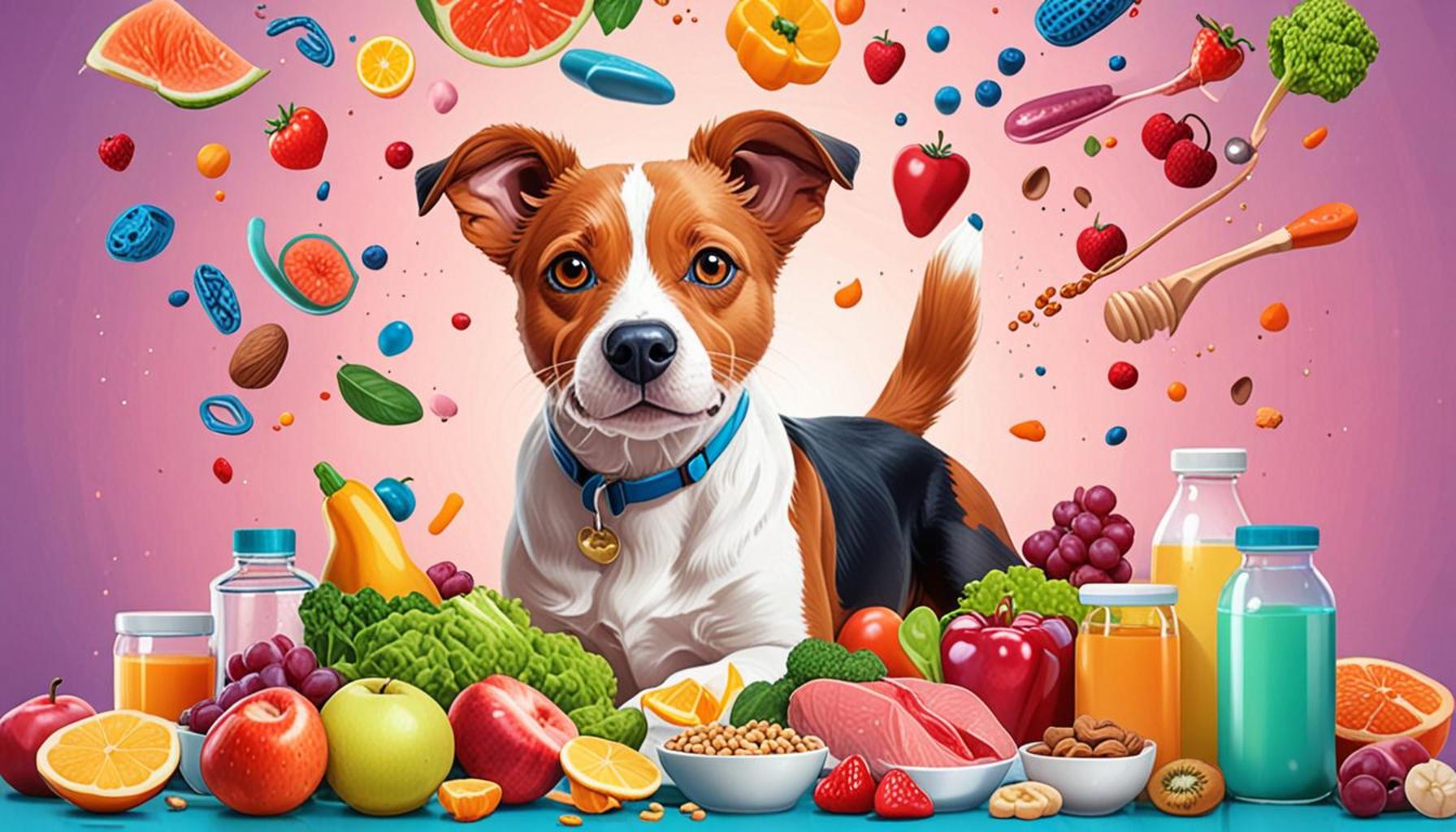
The Impact of Nutrition on Your Pet’s Health
Proper nutrition is not merely a matter of filling a bowl; it is a significant factor that dictates the overall health and well-being of pets. The right diet can profoundly influence a pet’s health, vitality, and even lifespan. For instance, high-quality ingredients packed with the necessary vitamins and minerals form the cornerstone of a pet’s diet, helping to maintain a healthy weight, support energy levels, and promote a robust immune system.
It is crucial for pet owners to understand that the food they provide can play a pivotal role in shaping their pets’ long-term health. Poor dietary choices can lead to a multitude of health complications, such as:
- Obesity: This condition has reached epidemic proportions in pets globally, including Nigeria, where many animals are overfed and under-exercised. Obesity can trigger serious health issues, such as arthritis, insulin resistance, diabetes, and heart disease. A balanced, portion-controlled diet can mitigate these risks.
- Allergies: Many Nigerian pet owners may notice their dogs or cats displaying signs of food allergies, often due to low-quality grains or fillers in their food. Ingredients such as wheat or certain proteins can cause skin issues, gastrointestinal distress, and lethargy, making it essential to choose allergy-friendly diets.
- Digestive problems: Feeding pets low-quality food can lead to serious digestive woes. Problems such as diarrhea, vomiting, or constipation not only affect their comfort but can also lead to more severe health conditions over time.
The nutritional requirements of pets can differ vastly based on several criteria, including age, breed, and activity level. For example:
- Senior pets: Older animals may face different health challenges that necessitate dietary shifts. Incorporating joint support supplements or easier-to-digest ingredients can vastly improve their quality of life.
- Active breeds: Breeds known for their high energy, such as the Belgian Malinois or Labrador Retriever, typically require higher protein levels and calorie intake to fuel their active lifestyles. In Nigeria, dog owners involved in activities like hunting or agility training should consider energy-dense diets tailored for such breeds.
- Local considerations: In Nigeria, the availability and affordability of pet food can dictate dietary choices. Some pet owners opt for homemade meals, using affordable proteins sourced locally, such as chicken, fish, or grains, to ensure their pets receive a balanced diet tailored to their nutritional needs.
As conscientious pet owners, understanding the importance of nutrition is a key step in fostering a healthy, long life for our furry companions. By making informed decisions regarding their diets, owners can greatly enhance their pets’ well-being, leading to happier lives. With the right guidance, you can explore practical tips and insights that will empower you to elevate your pet’s diet and overall health.
Navigating the Nutritional Landscape for Pets
As pet owners, it is vital to navigate the nutritional landscape that dictates our furry companions’ health and happiness. Proper nutrition comprises more than just satisfying hunger; it involves delivering a balanced diet that meets specific biological needs. The most effective approach starts with understanding the essential components of pet food and how they influence pet health.

The pet food market, especially in Nigeria, is bursting with options, ranging from commercial kibble to artisanal homemade meals. However, not all pet foods are created equal. To ensure optimal health for your pet, consider the following important factors:
- Ingredient Quality: High-quality ingredients, including real meat, wholesome grains, and fresh vegetables, are paramount. Check labels for recognizable and wholesome ingredients. Remember that fillers and by-products can provide little nutritional value. For instance, opting for dog food that lists ‘chicken’ as the first ingredient, rather than ‘chicken by-product,’ indicates better quality.
- Balanced Nutrition: Pets require a well-rounded diet that includes proteins, fats, carbohydrates, vitamins, and minerals. Each of these elements plays a crucial role; proteins support muscle growth, fats provide energy, and carbohydrates aid in digestion. Seeking out options that meet the guidelines set by reputable organizations, such as the Association of American Feed Control Officials (AAFCO), can help ensure balance.
- Life Stage Considerations: Puppies, adult pets, and senior pets have different nutritional needs. For instance, puppies require higher protein for growth, while senior pets might benefit from diets lower in calories but enriched with joint-supporting nutrients. Tailoring your pet’s diet to their life stage can greatly improve their health outcomes.
- Consultation with Professionals: Veterinary nutritionists can offer invaluable advice tailored to specific health needs and local conditions. For pet owners in Nigeria, where environmental factors affect pet health, working with a vet can highlight specific risks and nutritional adjustments that can mitigate them.
The food you choose for your pet can directly affect their health and lifestyle. Many owners may not realize that chronic health issues like obesity and allergies can stem from incorrect feeding practices. By being proactive in understanding pet nutrition, you become an advocate for your animal’s health.
Additionally, pet owners should pay attention to the pet’s hydration needs. Water is just as significant as food in maintaining a healthy pet. Always ensure that clean and fresh water is available, particularly in Nigeria’s hot climate where dehydration can become problematic quickly.
Incorporating these elements into your pet’s diet will not only pave the way for better health but also strengthen the bond you share with your furry friend. With many options available at local markets, pet owners can find the right balance suited for their pets’ unique needs, ensuring a long, healthy, and vibrant life. As we explore further into pet nutrition, consider the impact of homemade diets, supplements, and local sourcing methods that can lead to optimal health for pets and pets alike.
The Role of Nutrition in Animal Health: Tips for Pet Owners
Understanding the significant impact of nutrition on your pet’s health is fundamental for pet owners. A balanced diet plays a crucial role not only in maintaining body weight but also in promoting overall well-being. With numerous pet food brands and diet types available, making informed choices can be overwhelming.
First and foremost, focusing on the quality of ingredients is essential. Look for high-quality proteins, fats, and carbohydrates that address your pet’s specific needs. For instance, pets with sensitive stomachs may benefit from easily digestible ingredients, reducing gastrointestinal issues. Additionally, incorporating fruits and vegetables can provide vital vitamins and minerals that boost the immune system.
Portion control is another pivotal aspect of pet nutrition. Overfeeding can lead to obesity, which is associated with several health problems, including diabetes and joint issues. Consult your veterinarian to determine the appropriate portion sizes based on your pet’s age, weight, and activity level. Ensuring that your pet stays hydrated is equally important; fresh water should always be accessible.
The frequency of meals is another critical factor. Some pets may thrive on multiple smaller meals throughout the day instead of two larger ones. Experimenting with meal frequencies can aid in better digestion and energy levels.
Lastly, it’s vital to monitor your pet’s health regularly. Changes in weight, coat quality, or energy levels can often signal dietary needs that may need reassessment. Keeping a close eye on these changes and staying in touch with your veterinarian ensures your pet remains happy and healthy.
| Category | Benefits |
|---|---|
| High-Quality Ingredients | Promotes a stronger immune system and vitality. |
| Proper Portion Control | Prevents obesity-related health problems. |
By following these tips and continuing to learn about nutritional needs for your pets, you ensure they lead healthier, longer lives. Don’t hesitate to explore diverse food options and consult with experts whenever needed, fostering an environment of well-being and health for your furry companions.
Exploring the Benefits of Homemade Diets and Supplements
As pet owners become increasingly aware of the role nutrition plays in their pets’ health, many are turning to homemade diets as a way to ensure they know exactly what their pets are consuming. Designing a balanced homemade diet involves more than just cooking up what’s in the kitchen; it requires a thorough understanding of the nutritional needs specific to each pet. In Nigeria, where certain food items may be locally sourced and more accessible, homemade diets can serve as both a cost-effective and nutritious alternative.
When crafting a homemade diet, it is essential for pet owners to incorporate a variety of food groups. For instance, including lean proteins such as chicken or fish, complex carbohydrates like sweet potatoes or brown rice, and a colorful array of vegetables can create a well-rounded meal. Additionally, omega-3 fatty acids found in fish can enhance skin and coat health, a significant concern for pet owners in Nigeria’s humid climate.
However, it is crucial to avoid common pitfalls when preparing homemade meals. Not all human foods are safe for pets; for example, onions and chocolate can lead to severe health issues. This highlights the importance of researching pet-safe foods and, for first-time homemade diet creators, consulting with a veterinary nutritionist to formulate recipes that not only meet dietary restrictions but are also safe to consume.
The Role of Supplements in Pet Nutrition
In addition to home-cooked meals, many pet owners are exploring the use of dietary supplements to further boost their pets’ health. These supplements can range from vitamins and minerals to specific products designed to support joint, skin, or digestive health. As the pet care market in Nigeria expands, supplement options have become more diverse. However, knowing what to select can be daunting.
Pet owners should first assess if their pet’s diet is lacking any essential nutrients. For example, senior pets may benefit from glucosamine supplements to support joint health, while pets recovering from illness might require probiotics to restore gut health. It’s essential to conduct thorough research or consult a professional before introducing new supplements, as some may interact with existing medications or cause adverse reactions.
- Understanding Dosage: Proper dosage is critical to achieving the desired effects of supplements. Over-supplementing can lead to toxicity or imbalances; hence, following the guidelines provided by the supplier or veterinarian is vital.
- Quality Over Quantity: Not all supplements are created equal. Look for products that have been independently tested for their efficacy and safety, ensuring you are investing in your pet’s health wisely.
Moreover, pet owners in Nigeria should consider local resources for sourcing ingredients and ingredients from local markets that provide fresh produce. Utilizing locally sourced food not only minimizes the carbon footprint but also supports local economies, fostering sustainable practices within the community.
By exploring homemade diets and dietary supplements, pet owners can take a proactive role in enhancing their animals’ well-being. Combining these approaches with quality commercial options can deliver a balanced nutritional regimen tailored to meet individual needs. Ultimately, informed decisions regarding pet nutrition reflect a commitment to improving the overall health and quality of life for beloved pets.
Conclusion: The Impact of Nutrition on Pet Health
In conclusion, nutrition plays a vital role in promoting the overall health and well-being of our beloved pets. As pet owners in Nigeria increasingly recognize the profound connection between what our animals eat and their health outcomes, the shift towards homemade diets and tailored supplements signifies a positive step in providing optimal care. Careful attention to creating a balanced diet that incorporates quality proteins, carbohydrates, and vegetables is essential for sustaining their energy and vitality, particularly in the local climate.
With the wealth of resources available today, it is now easier than ever for pet owners to educate themselves about appropriate dietary choices. Understanding the specific nutritional needs of different breeds and life stages can make a substantial difference in preventing health issues. As emphasized in our discussion, consulting with veterinary professionals remains crucial, especially when introducing new ingredients or supplements to ensure safety and efficacy.
Moreover, sourcing fresh ingredients from local markets not only enhances nutritional quality but also fosters community growth by supporting local agriculture. With increased awareness and accessible information, pet owners have a unique opportunity to revolutionize their pet’s nutritional journey and lifestyle.
By prioritizing informed choices in pet nutrition, we not only improve the quality of life for our companions but also reflect our love and responsibility as pet owners. Ultimately, a focus on nutrition ensures that our pets lead longer, healthier lives, allowing for joyous moments spent together.