The Role of Socialization in the Emotional Health of Dogs and Cats
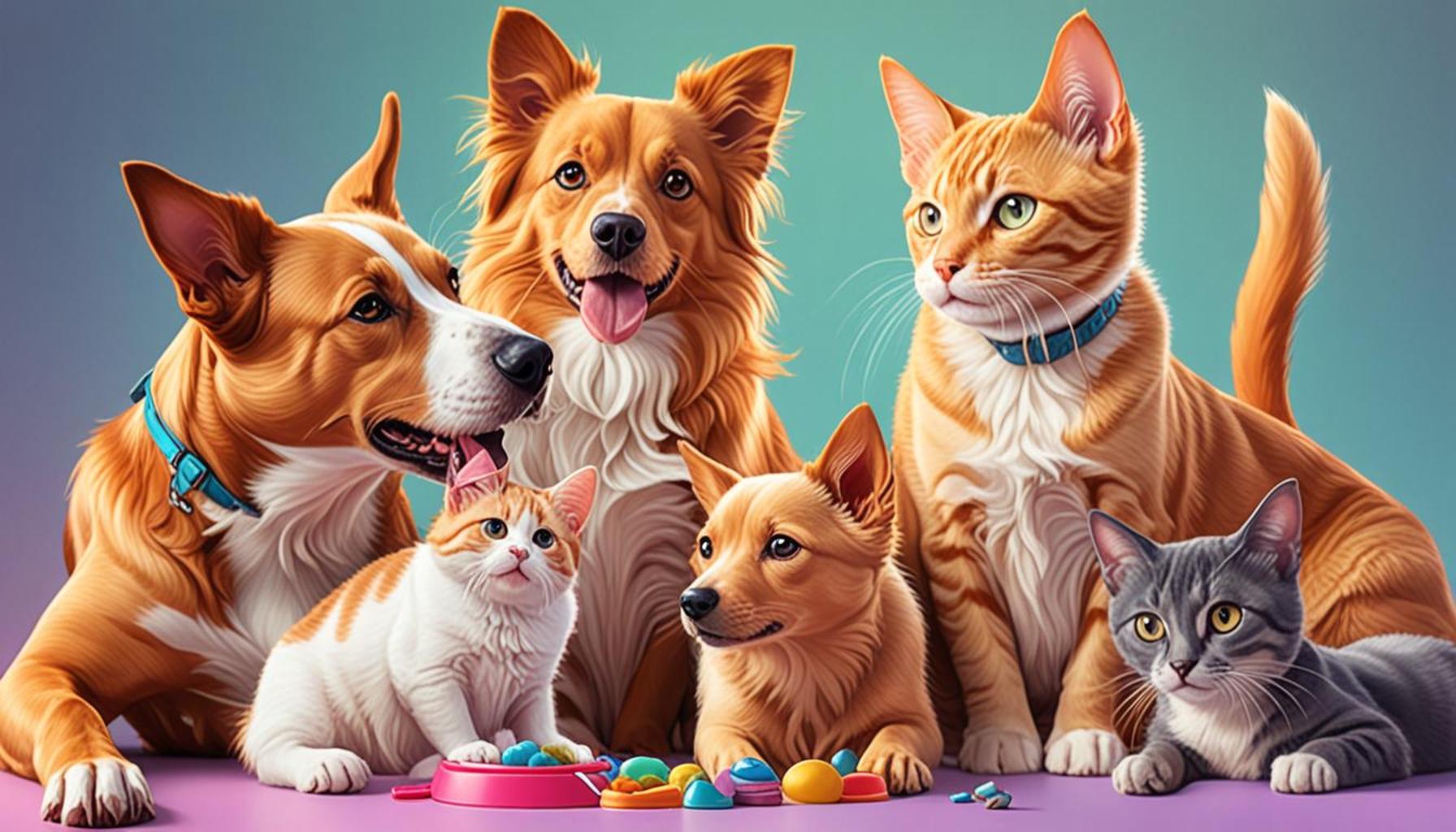
The Role of Socialization in Enhancing Pets’ Emotional Health
For dog and cat owners in Nigeria, the emotional well-being of our furry companions is of paramount importance. One of the most influential factors shaping their mental health is socialization. This essential process of encouraging interaction and exposure to new experiences significantly affects a pet’s behavior, helping them adapt to various environments and situations.
Understanding the intricacies of socialization can provide pet owners with the tools needed to nurture a balanced and happy life for their animals. Here, we explore several key elements that define the significance of socialization:
- Exposure to different environments: Regular outings to parks, markets, and other communal areas can greatly reduce anxiety and fear in pets. For example, a walk through a busy market in Lagos can accustom a dog to the hustle and bustle of traffic and crowds, aiding their adaptability and reducing nervous behavior.
- Interactions with other animals: Positive encounters with fellow animals—whether through playdates in pet-friendly spaces or organized dog parks—can enhance social skills, leading to increased confidence. Pets that enjoy regular, friendly interactions with others are less likely to develop aggression or fear-based responses.
- Human interaction: Regular engagement with a variety of people fosters a sense of security and love in pets. Whether it’s meeting new friends or interacting with family members, pets that experience diverse human contact are often more well-adjusted and comfortable in social situations.
Moreover, socialization is not merely a set of tasks to check off a list; it serves as a foundation for a healthy emotional state. It equips dogs and cats with the skills needed to navigate their surroundings successfully, which in turn reduces the likelihood of behavioral issues. For instance, a well-socialized dog is less likely to bark excessively at passing cars or show fear towards strangers.
As we consider the societal context in Nigeria, it’s essential to note that socialization can also involve cultural aspects. Engaging pets in traditional events, such as festivals, can expose them to various sounds, sights, and experiences, making them more adaptable. By investing time and effort in fostering healthy socialization practices, pet owners can contribute to creating happier, more balanced lives for their beloved animals.
In the following sections, we will delve deeper into the direct impacts of socialization on the emotional health of dogs and cats, along with practical tips that are tailored for the unique Nigerian environment, ensuring every pet receives the care and attention they deserve.
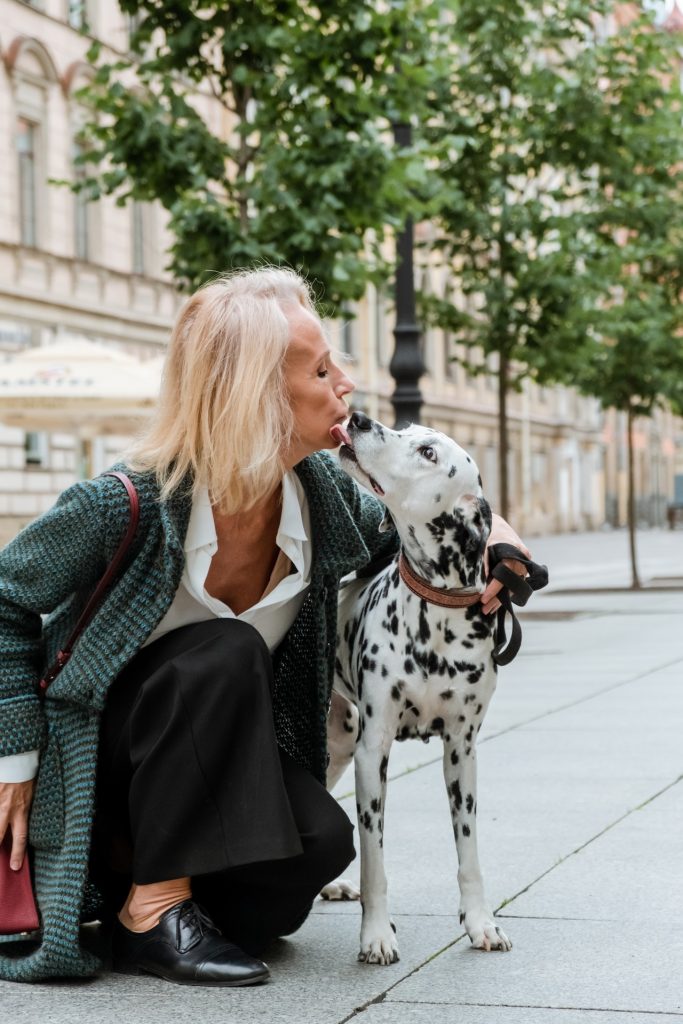
The Importance of Varied Interactions for Emotional Well-Being
One of the primary reasons socialization is crucial for dogs and cats is that it fosters their emotional development, enabling them to feel comfortable in a wide range of situations. In Nigeria, a country rich in cultural diversity and bustling urban life, pets often encounter various environments—be it the noisy streets of Abuja or the serene beaches of Lagos. This exposure can have a profound impact on their emotional health. Pets that are well-socialized are better equipped to handle unexpected stimuli that might otherwise cause anxiety or fear.
Understanding how different forms of interaction contribute to a pet’s emotional well-being can guide owners in nurturing their pets’ socialization. Here are several aspects to consider:
- Regular outings and environmental exposure: Taking pets on trips to local markets, parks, or public events allows them to become accustomed to different sights, sounds, and people. For instance, being around the vibrant atmosphere of a Lagos festival—not only introduces them to various cultural cues but also helps diminish anxiety stemming from novel experiences.
- Meeting other animals: Organizing playdates or visits to dog parks can significantly enhance a pet’s social abilities. Interaction with other animals teaches pets essential skills to manage social scenarios, thereby boosting their confidence and reducing the chances of aggressive or fearful behaviors.
- Variety in human interaction: Engaging pets with a diverse group of people, from family to the friendly neighbor, establishes a sense of security. Dogs and cats that frequently meet new humans develop stronger bonds, which translates to better emotional resilience.
Moreover, it’s vital to acknowledge that socialization lays the groundwork for well-adjusted behavior. A pet that has experienced diverse environments and interactions is often more relaxed and poised in everyday situations. For example, a dog that has been socialized will not react with excessive barking or escape attempts when faced with the sound of passing vehicles or the sight of unfamiliar people.
Furthermore, socialization can mitigate behavioral challenges that arise due to fear or anxiety. Issues such as aggression, separation anxiety, and phobia of loud noises often stem from a lack of exposure to varied experiences in a pet’s formative years. By prioritizing socialization, pet owners are including vital preventative measures in their pets’ emotional health journey.
In the Nigerian context, it’s crucial for pet owners to approach socialization with an open mindset, incorporating local traditions and experiences that can enrich their pets’ lives. Whether it’s attending community events or simply sharing quiet moments with neighbors, the essence of socialization extends beyond mere interaction; it is a holistic process that contributes to fostering a happy, stable emotional state for our furry friends.
The Importance of Regular Interaction for Pets
Socialization plays a crucial role in enhancing the emotional health of both dogs and cats. Regular interaction with other animals and humans fosters an environment of stability and confidence, allowing pets to develop appropriate behaviors. This exposure helps prevent common behavioral issues such as fear, aggression, and anxiety. For instance, a well-socialized dog is more likely to be comfortable in various settings, making trips to the vet or park less stressful for both the pet and the owner.Furthermore, socialization is not only essential during the early stages of a pet’s life but continues to benefit them throughout their lives. Engaging in playdates with other pets, participating in training classes, or even visiting pet-friendly events can significantly contribute to a pet’s emotional well-being. Studies show that pets that receive adequate socialization opportunities exhibit lower levels of stress and higher levels of happiness.It’s also important to note the correlation between socialization and the prevention of behavioral issues. Animals lacking proper social engagement may resort to destructive behavior or develop compulsive habits as a means of coping with their isolation. By promoting positive interactions, pet owners can safeguard their pets against these challenges. In summary, incorporating socialization into a pet’s routine is vital for their emotional health, enhancing their ability to cope with new experiences and reducing the likelihood of behavioral problems. Understanding this role opens the path to more fulfilling human-animal relationships, ultimately leading to harmonious coexistence.
| Category 1 | Category 2 |
|---|---|
| Enhanced Confidence | Regular social interaction fosters self-assurance in pets. |
| Reduced Anxiety | Socialization helps decrease stress and improves coping mechanisms. |
Recognizing the fundamental role of socialization in the emotional health of pets can lead to enriched lives for them, ultimately benefiting their human companions as well.
Overcoming Fear and Anxiety Through Socialization
Socialization plays a pivotal role in overcoming fear and anxiety among pets, specifically dogs and cats. In a fast-paced and diverse country like Nigeria, pets face numerous challenges that can trigger stress and behavioral issues. For instance, the sounds of bustling markets or the sudden appearance of large vehicles can easily stress an unaccustomed pet. Through proper socialization, pets learn to navigate these challenges with confidence, resulting in a more serene emotional state.
One of the fundamental aspects of socialization is positive reinforcement, which involves encouraging appropriate behaviors through rewards. By gradually exposing pets to potentially fearful stimuli—such as noise, crowds, or other animals—owners can help their pets build resilience. This technique not only reduces anxiety but also nurtures a trusting relationship between the pet and the owner. For example, during a visit to a vibrant Lagos market, providing treats and affection when the pet encounters a new sound can help them associate that noise with positivity rather than fear.
Moreover, understanding a pet’s unique personality is imperative during the socialization process. Different animals react differently to social situations; a naturally adventurous dog may easily embrace new experiences, while a more reserved cat might need gradual exposure. Recognizing these traits enables owners to tailor socialization strategies that meet their pet’s specific needs, thus facilitating smoother experiences that contribute to their emotional health.
- Desensitization techniques: Gradual exposure to new environments, sounds, and other animals can help lessen fear responses. For example, starting with quiet walks before progressing to busier streets can aid in reducing anxiety for pets that may react negatively to loud noises.
- Group classes and training: Enrolling pets in obedience or agility classes not only promotes good behavior but encourages interaction with other animals and people in a controlled environment. This setup can serve as a platform for pets to learn how to socialize appropriately and confidently.
- Controlled introductions: When meeting new animals, it’s essential to manage the introductions properly. This can mean letting pets meet each other while on leashes at a safe distance, gradually allowing them to get closer. Such controlled encounters reduce the likelihood of aggressive or fearful reactions.
In the context of Nigerian urban life, community involvement in pet socialization can further enhance emotional health. Local pet meet-ups or groups dedicated to responsible pet ownership can serve as valuable resources. They provide an opportunity for pets to socialize in a safe environment while also offering pet owners a chance to share experiences and insights. Events such as dog walks or neighborhood cat gatherings cultivate a sense of camaraderie among pet owners, promoting awareness about pets’ emotional needs.
Furthermore, it’s worth noting that socialization benefits extend beyond just the individual pet. Well-socialized pets tend to exhibit better behavior when interacting with their surroundings. For instance, a dog that has been properly socialized is less likely to react aggressively when approached by a stranger, thereby contributing to a safer society overall. When pets are confident and comfortable, it reflects positively on their owner’s reputation, creating a community that values responsible pet ownership.
Ultimately, socialization is not merely a matter of having pets interact with other animals or people; it is a multifaceted approach that significantly enhances emotional well-being. By understanding the nuances of socializing dogs and cats, Nigerian pet owners can play an essential role in ensuring their furry companions lead fulfilling and emotionally stable lives.
Conclusion
In summary, socialization is crucial for the emotional health of dogs and cats, particularly in the dynamic social landscape of Nigeria. This essential practice not only equips pets with the necessary skills to navigate their environments but also fosters a deep bond of trust between pets and their owners. Through positive reinforcement and tailored approaches, individuals can assist their pets in overcoming fears, thereby enhancing their overall emotional resilience.
As Nigerian pet owners increasingly recognize the importance of socialization, they contribute positively to the well-being of their pets and society at large. Well-socialized animals are less likely to exhibit aggressive behaviors, facilitating safer interactions with both humans and other animals. The ripple effect of this transformation is profound—by nurturing emotionally stable pets, owners elevate their own social status and help cultivate a responsible pet culture within communities.
Furthermore, community initiatives such as organized pet meet-ups and training classes serve as vital platforms for socialization. These gatherings not only provide pets with opportunities to interact responsibly but also offer owners an avenue for shared experiences, fostering a collective understanding of pet welfare.
Ultimately, investing time and effort in socializing dogs and cats is a step towards ensuring their happiness and stability. As pet ownership continues to gain prominence across Nigeria, the awareness and application of effective socialization techniques will undoubtedly enhance the emotional health of our furry friends, creating harmony within our homes and neighborhoods. For those seeking to dive deeper, various resources, from workshops to consultative forums, can expand understanding and practices related to this impactful aspect of pet care.