The Importance of Vaccination in Pets in Nigeria
The Importance of Vaccination for Pets in Nigeria
Vaccination plays a critical role in keeping our beloved pets healthy and safe. In Nigeria, where diseases like rabies, parvovirus, and distemper pose significant threats, being proactive about vaccination in pets is essential for their well-being. Many pet owners remain unaware of the life-saving benefits and protections vaccinations provide. In a country where over 60% of rabies cases are linked to unvaccinated dogs, the urgency of addressing these concerns becomes starkly apparent.
Key points about vaccination include:
- Prevention of deadly diseases: Vaccinations shield pets from dangerous illnesses that can not only affect their health but can also lead to premature death. For instance, canine parvovirus is extremely contagious and often fatal, particularly among puppies. Vaccinating against it is crucial in preventing outbreaks in communities.
- Protection for both pets and humans: Some diseases can be transmitted from pets to humans, creating a potential health hazard. For example, rabies, which is transmitted through bites from infected animals, can severely affect humans, leading to a painful and certain death if left untreated. Thus, vaccinating pets serves as a vital public health measure.
- Reduction in veterinary costs over time: While vaccinations may seem costly initially, they can save pet owners substantial amounts of money in the long run by preventing severe illnesses that require extensive and expensive treatments.
Statistics reveal that unvaccinated pets face a higher risk of severe illness and can be vectors for disease transmission. For example, rabies is 100% fatal once symptoms appear, highlighting the importance of preventive measures. Vaccination drives organized by local governments and animal welfare organizations aim to improve awareness and accessibility to vaccines, especially in rural areas where veterinary services might be limited.
Furthermore, the awareness around the importance of vaccination in pets in Nigeria needs to be bolstered. Many regions have limited veterinary services, leading to neglected vaccination schedules, particularly affecting rural pet owners who may lack easy access to veterinary clinics. Community outreach programs focusing on education are necessary, as they can inform pet owners about the significance of timely vaccinations and the potential health risks posed by unvaccinated pets.
As we delve deeper into the world of pet vaccinations in Nigeria, understanding its significance becomes paramount for every pet lover. Initiatives aimed at educating pet owners not only help in protecting individual animals but also foster a healthier community. The journey to a healthier future for our furry companions starts with knowledge and responsibility, urging everyone to prioritize vaccinations as a critical component of pet care.
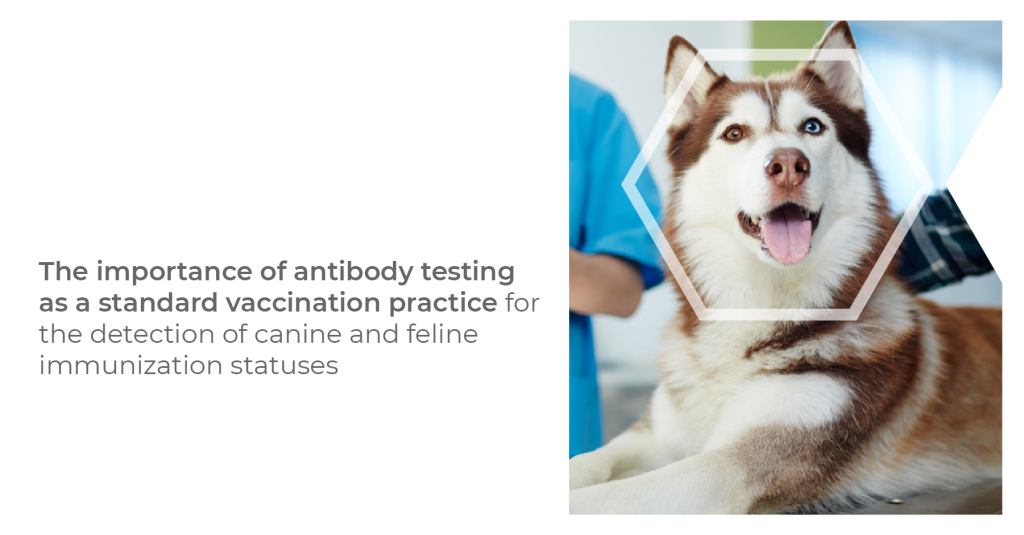
Understanding Vaccinations: Protecting Your Pets and Community
Vaccinations are vital to the health and longevity of pets, especially in Nigeria, where a significant number of household animals are exposed to serious infectious diseases. The growing urban centers, along with vast rural areas, present unique challenges for pet health management. Pet owners must recognize that getting their companions vaccinated is not simply an option but a necessity.
Many pet owners might wonder why vaccination is so crucial. Below are key reasons that shed light on the importance of maintaining a proper vaccination schedule for pets:
- Community Immunity: When a large percentage of pets in a community are vaccinated, it creates herd immunity. This concept is fundamental in preventing disease outbreaks. For example, if most pets in a neighborhood are immunized against rabies, the risk of transmission decreases for all animals, including those unvaccinated.
- Safeguarding Vulnerable Animals: Young, elderly, or sick pets may have weaker immune systems and can be more susceptible to illnesses. Vaccinating the general population helps protect these vulnerable groups from diseases they may not be able to fight off.
- Compliance with Regulations: In Nigeria, certain regions have laws mandating vaccinations for pets, especially for rabies. Compliance not only benefits your pet’s health but also keeps you within legal frameworks that protect public health.
Moreover, the challenges of pet ownership in Nigeria can exacerbate health issues. Stray animals pose a significant risk of disease transmission; therefore, ensuring that community pets are vaccinated can help mitigate this threat. Data from veterinary practices indicate a notable increase in parvovirus and distemper cases among unvaccinated pets, highlighting the urgent need for education and proper vaccination programs.
Local veterinarians and animal health organizations often conduct vaccination drives to enhance accessibility, particularly in underserved areas. These initiatives are crucial in reducing the burden of preventable diseases. For instance, during campaigns, pet owners can benefit from subsidized vaccinations, making it easier to protect their pets without the financial strain.
In addition, awareness about vaccinations needs to transcend urban areas, reaching into rural communities where misinformation or a lack of information remains prevalent. Understanding the consequences of neglecting vaccinations—both for pets and potential risks to human health—is vital. Educational outreach can demonstrate how simple preventive measures can have far-reaching effects on the health of the overall community.
As the discussion continues about the importance of vaccination in pets in Nigeria, it is clear that the responsibility to protect our furry friends and ourselves lies within each pet owner. By prioritizing vaccinations, we can foster a healthier society for both animals and humans, ensuring that love for our pets translates into actionable care. Collectively, we have the power to change the statistics and create a safer environment for our communities.
| Advantage | Importance |
|---|---|
| Disease Prevention | Vaccination greatly reduces the risk of infectious diseases such as rabies, parvovirus, and distemper, which can be fatal to pets. |
| Community Health | Vaccinated pets help protect public health, reducing the spread of zoonotic diseases that can affect humans. |
| Cost-Effective Care | Routine vaccinations can save pet owners significant veterinary costs associated with treating serious illnesses. |
| Boosting Immunity | Vaccinations strengthen a pet’s immune response, helping them easily fight off infections and remain healthy. |
The importance of vaccination for pets in Nigeria cannot be overstated. With increasing urbanization and changes in pet ownership practices, there has been a rise in the risks associated with common diseases. Vaccination not only safeguards the health of individual pets but also contributes to a broader sense of community safety. Research indicates that areas with higher vaccination rates report fewer disease outbreaks, underlining the need for optimal vaccination coverage across all pets.Nigeria’s unique climatic conditions can exacerbate certain diseases, making vaccinations a critical component of pet care. Furthermore, educational initiatives aimed at raising awareness about these vaccinations are vital, as there is still a significant portion of the population unaware of their benefits. By promoting and prioritizing vaccinations, we can ensure that pets and their owners in Nigeria thrive, fostering a healthier and more responsible pet ownership culture.
The Economic Benefits of Vaccination for Pet Owners
Beyond health considerations, there is a financial imperative for pet owners in Nigeria to prioritize vaccinations for their furry friends. Maintaining a pet can come with substantial costs, and avoiding preventable diseases through vaccination can save significant financial resources. The expenses associated with treating illnesses like parvovirus or distemper can quickly escalate, surpassing the cost of preventive vaccinations.
A study conducted by veterinary clinics in Lagos found that the average treatment cost for a pet suffering from a vaccine-preventable disease can reach up to 30,000 to 50,000 Naira, depending on the severity of the illness. In contrast, the cost of an initial vaccination is often less than 10,000 Naira. This stark difference underscores the economic rationale for investing in vaccinations. Pet owners can avoid the heartache and financial strain that arises from dealing with severe health conditions.
Additionally, vaccinating pets extends beyond individual benefits and taps into the broader economic landscape. Healthy pets contribute to a vibrant community spirit, supporting local businesses such as grooming parlors, veterinary clinics, and pet supply stores. When pets are healthy and vaccinated, they are more likely to engage in social activities, attend events, and generate tourism revenue, which is crucial in cities where the pet culture is booming.
Addressing Vaccine Hesitancy in Nigeria
Despite the evident benefits, vaccine hesitancy continues to challenge public health efforts in Nigeria. Factors such as misinformation, a lack of trust in veterinary professionals, and cultural beliefs can deter people from vaccinating their pets. For instance, some pet owners may believe that vaccines are harmful or that their pets are healthy enough to forgo vaccinations.
To combat this misinformation, local veterinarians and community leaders must engage in active dialogue with pet owners, clarifying the safety and necessity of vaccinations. Educational workshops and campaigns using social media can play a pivotal role in dispelling myths. For example, highlighting success stories of healthy, vaccinated pets and illustrating the long-term benefits of vaccinations can create a ripple effect of awareness and acceptance among pet owners.
- Integration of Health Initiatives: Collaborating with local governments and NGOs to launch vaccination campaigns can enhance outreach, especially in regions with low vaccination rates. By offering free or low-cost vaccination clinics in community centers, pet owners can access needed services without economic burdens.
- Engagement with Schools: Incorporating pet health education into school curriculums can also foster a culture of responsible pet ownership among the younger generations. When children understand the importance of vaccination, they can influence their families positively.
Furthermore, public health awareness campaigns should address zoonotic diseases such as rabies, which is transmitted from animals to humans. In Nigeria, rabies remains a critical concern, particularly in areas where dog populations are poorly managed. In fact, according to the World Health Organization, over 800 rabies deaths are reported annually in Nigeria. Promoting vaccinations can play a significant role in curbing this deadly threat to not only pets but also the human population.
The upward trajectory of pet ownership in Nigeria, coupled with the fluctuating health environment, makes it imperative for pet owners to champion the cause of vaccinations. By addressing misconceptions and enhancing accessibility to vaccinations, the nation can safeguard the health of its pets and people alike. Creating an informed community filled with engaged pet owners could lead to a dramatic decrease in preventable diseases and a healthier society overall.
Conclusion
In conclusion, the significance of vaccination for pets in Nigeria cannot be overstated. It serves as a cornerstone for not only ensuring the health and longevity of our beloved furry companions but also safeguarding the broader community’s well-being. As we have seen, the economic implications of preventing disease through vaccination are undeniable; the costs associated with treatment for vaccine-preventable diseases can be overwhelmingly high compared to the nominal expense of vaccination. This financial aspect, paired with the potential for healthier pets to stimulate local economies, underscores the pivotal role vaccinations play in enhancing community vitality.
Moreover, addressing vaccine hesitancy through education and outreach is vital. Many pet owners hold misconceptions that can lead to poor health outcomes for their pets. By fostering collaborations among veterinary experts, community leaders, and educational institutions, we can cultivate a culture of informed pet ownership. This entails enlightening the public about the safety and necessity of vaccinations, ultimately contributing to a significant reduction in diseases that can affect both pets and humans.
As Nigeria continues to experience a rise in pet ownership, prioritizing vaccinations will not only protect our loyal friends but will also enhance public health and safety. Each informed pet owner can play a crucial role in building a healthier future for the nation. Therefore, embracing pet vaccinations is an essential step towards a thriving society where both pets and humans flourish together.