The Effects of Environmental Pollution on Pet Health

The Growing Concern of Pollution on Pet Welfare
Every day, environmental pollution infiltrates our lives, affecting not just humans but our beloved pets as well. In Nigeria, the growing challenges of air, water, and soil pollution are raising serious concerns about the health of our furry companions. Ignoring these effects can lead to alarming consequences for pet owners, making it essential to understand the implications of these environmental hazards.
The urban centers in Nigeria are often plagued by poor air quality due to vehicular emissions, industrial discharge, and the rampant burning of waste. This polluted air can profoundly impact pets. For instance, dogs and cats exposed to such an environment may develop respiratory issues, resulting in chronic coughing, sneezing, and even more severe conditions like bronchitis. A recent study indicated that pets living in densely populated areas showed up to a 40% increase in respiratory problems compared to those in less polluted regions.
Moreover, skin problems prevalent in pets often stem from exposure to toxic substances. Pollutants in the air and water can lead to allergic reactions, resulting in itching, redness, and hair loss. A notable case involved pets in Lagos, where many displayed increased incidences of dermatitis, affecting their overall well-being and quality of life. The hot climate of Nigeria coupled with these pollutants heightens the risk of such skin irritations.
Water pollution, especially in rural areas where open wells or rivers are common sources of drinking water, can have dire consequences. Pets consuming contaminated water face digestive issues such as vomiting and diarrhea. This is a significant concern in communities where improper waste disposal leads to waterborne pathogens contaminating local water supplies.
Furthermore, the stress induced by behavioral changes cannot be overlooked. A pet’s physical health is closely tied to its mental state, and pollution-related illnesses can lead to anxiety or depression in pets. Signs such as excessive barking, chewing, or lethargy can indicate that your furry friend is suffering more than just physical ailments; their emotional health can be compromised too.
Key statistics from health studies reveal that pets residing in polluted areas often experience higher rates of illness. This is particularly true for outdoor pets that are frequently exposed to environmental toxins. As responsible pet owners, it is crucial to understand how environmental factors contribute to pet health issues. Providing a clean and safe environment is not just a luxury; it is a necessity for their longevity and happiness.
Exploring this topic reveals the urgent need to protect our pets from pollution-related health problems by ensuring clean living environments. It is essential for pet owners to proactively monitor their pets’ health, seek regular veterinary care, and advocate for policies aimed at reducing pollution. With a collective effort, we can create a safer world for both our pets and ourselves.
The Hidden Dangers of Air Pollution on Furry Friends
The impact of air pollution on pet health is a pressing issue that many pet owners may not fully grasp. In Nigeria, urban centers like Abuja, Lagos, and Port Harcourt experience severe air quality degradation. The primary culprits include emissions from vehicles, industrial activities, and burning of refuse, all releasing harmful substances into the atmosphere. Pets, much like their human counterparts, are vulnerable to these pollutants that infiltrate the air they breathe daily.
Studies have shown that pets exposed to high levels of air pollution can suffer from a range of health complications. The respiratory system of pets, particularly those with pre-existing conditions or older age, may be severely compromised, leading to ailments such as:
- Chronic bronchitis: Persistent inflammation of the airways can cause chronic coughing and difficulty breathing.
- Allergic reactions: Polluted air can exacerbate allergies resulting in symptoms like sneezing and nasal discharge.
- Asthma episodes: Just like humans, pets can suffer from asthma, which can be aggravated by exposure to poor air quality.
Recent reports indicate that pets living in polluted environments, especially dogs, experience a sharp increase in such respiratory issues. A staggering 30% of pet owners in urban regions have reported that their pets face debilitating respiratory problems, a statistic that highlights the urgent need for awareness.
The Role of Water Quality in Pet Health
Water quality plays a crucial role in maintaining the health of our pets. In many Nigerian communities, especially rural areas, water pollution remains a significant concern. Contaminated water sources can lead to dire health ramifications for pets, including:
- Gastrointestinal infections: Exposure to pathogens from polluted water can result in severe diarrheal diseases in pets.
- Liver and kidney issues: Toxic substances like heavy metals can accumulate in animals, leading to long-term organ damage.
- Dehydration: Frequent vomiting or diarrhea caused by contaminated water can quickly lead to severe dehydration, necessitating urgent veterinary intervention.
Moreover, pet owners often overlook the signs of waterborne illnesses in pets due to their inability to communicate distress. As a result, early intervention might be missed, exacerbating health conditions that could otherwise be treated. To mitigate these risks, ensuring access to clean drinking water is not merely a privilege but a responsibility that every pet owner must prioritize.
Understanding Soil Contamination: A Silent Threat to Pets
Soil contamination is another less-discussed aspect of environmental pollution that can impact pet health. Urban and rural pets alike may be at risk of exposure to hazardous substances through:
- Ingesting contaminated soil: Pets that dig or explore may unintentionally consume soil laced with heavy metals, pesticides, or industrial waste.
- Direct contact with polluted areas: Using contaminated soil as a play or resting area can lead to skin irritations and infections.
- Consuming plants grown in polluted soil: Pets nibbling on plants cultivated in contaminated soil can ingest harmful substances that disrupt their health.
As the conversation around environmental pollution continues to gain momentum, it’s essential for pet owners to advocate for cleaner environments for both humans and animals. Understanding the impact of these environmental factors is the first step towards creating healthier living conditions for our pets and ensuring their wellbeing in an increasingly polluted world.
Environmental pollution poses a significant threat to pet health, highlighting various factors that pet owners must be aware of. This hazards include exposure to harmful chemicals, increasing allergens, and even the minimal yet persistent presence of microplastics in their environments. Each element contributes to a decline in well-being, resulting in a range of health issues affecting our furry friends.
Pets, similar to humans, can suffer from respiratory problems due to air pollution. The increase in particulate matter and harmful gases can lead to conditions such as asthma, bronchitis, and even cancer. Dog breeds like Bulldogs and Pugs, who already have compromised respiratory systems, are notably at risk. As pet owners, understanding the air quality in your area and limiting outdoor exposure during high pollution days is crucial to safeguarding your pets.
Moreover, closely monitoring water pollution becomes essential as tap water may contain contaminants harmful to pets. Lead, nitrates, and other hazardous chemicals can infiltrate their water supply, leading to gastrointestinal issues and long-term health problems. It’s vital to provide clean, filtered water to prevent adverse effects on pet health.
Lastly, the food we feed our pets is also susceptible to environmental factors such as soil contamination. Pesticides and heavy metals can enter the food chain, impacting your pet’s nutrition and overall health. Choosing organic food options and ensuring the source of your pet food aligns with eco-friendly practices can help mitigate these risks.
| Category 1 | Category 2 |
|---|---|
| Pollution Effects | Respiratory issues, skin allergies |
| Health Risks | Increased vet visits, chronic diseases |
Awareness is the first step toward protecting our pets in a polluted world. If you suspect your pet is affected by any of these environmental factors, consulting a veterinarian for diagnostic testing and treatment options is essential. Educating ourselves about the effects of environmental pollution on pet health will aid in proactive measures to ensure our companions lead healthy, happy lives.
Impact of Chemical Exposure on Our Pets
In addition to air, water, and soil pollution, the introduction of chemicals into the environment poses a serious threat to pet health. In Nigeria, increasing industrialization and agricultural practices have led to widespread use of harmful substances, including pesticides, herbicides, and industrial waste. Pets, particularly those living in close proximity to these activities, can be exposed to toxic chemicals, resulting in various health issues that are often overlooked.
Chemical exposure can manifest through different pathways. Pets may ingest or come into contact with contaminated surfaces, or inhale particles present in the environment. The health effects of these toxins are alarming and can include:
- Neurological disorders: Chemicals such as organophosphates, which are commonly found in pesticides, can severely affect the nervous system of pets, leading to symptoms like tremors, seizures, and coordination issues.
- Reproductive issues: Prolonged exposure to certain chemicals can cause reproductive problems in both male and female pets, potentially affecting their ability to conceive and carry healthy offspring.
- Carcinogenic effects: Some pollutants have been linked to the increased risk of cancers in pets, particularly those that have longer lifespans and accumulate toxins over time.
A recent study revealed that about 40% of pet owners suspect that their furry companions are suffering from health issues related to chemical exposure. These findings highlight the urgency of addressing chemical pollutants in the environment and their detrimental effects on pet health.
The Perils of Plastics and Waste Accumulation
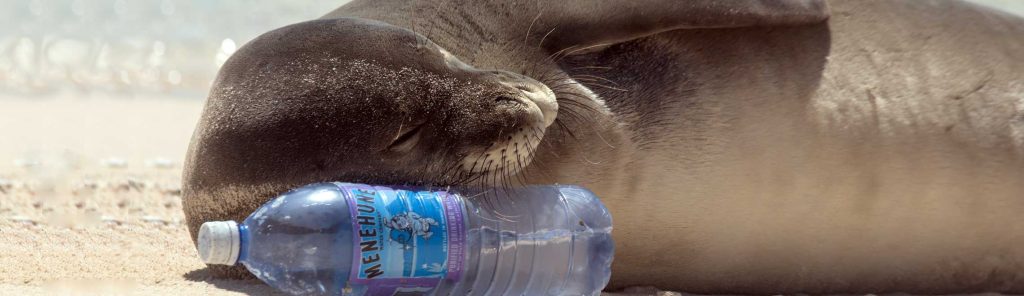
Another crucial aspect of environmental pollution is the accumulation of plastic waste and its impact on pet health. In many Nigerian cities, improper waste management practices lead to littered streets and open dumps, creating hazardous environments for pets. Pets tend to explore their surroundings and are often attracted to waste materials, leading to dangerous consequences. When pets consume plastic or other non-digestible materials, they can suffer severe health issues, including:
- Intestinal blockage: Ingesting plastic can cause obstructions in the gastrointestinal tract, resulting in costly surgeries and long recovery times.
- Poisoning: Some plastics leach harmful chemicals that can poison pets, leading to symptoms such as vomiting, diarrhea, and lethargy.
- Skin injuries: Sharp edges from broken plastic can cause cuts or infections, which can worsen if not treated promptly.
Pet owners must remain vigilant about their pet’s environment, particularly as the issue of plastic waste continues to escalate. With an estimated 10 million tons of plastic waste generated each year in Nigeria, the risk of pets encountering hazardous materials is alarmingly high.
Recognizing the signs of Environmental Pollution
It is essential for pet owners to be aware of the signs and symptoms that may indicate their pets are suffering from the effects of environmental pollution. Regular veterinary check-ups can help monitor health indicators and ensure pets receive appropriate care. Moreover, pet owners should educate themselves on the potential risks associated with their local environment, from air quality reports to water safety initiatives, fostering a proactive approach to pet health.
In the face of growing environmental concerns, taking steps to safeguard our pets’ wellbeing is essential. By understanding the various ways pollution affects pet health, pet owners can take meaningful actions to protect their furry friends from hidden dangers lurking in our surroundings.
Conclusion: Protecting Our Pets from Environmental Hazards
The alarming impacts of environmental pollution on pet health cannot be overstated. From the chemical exposure linked to agricultural practices and industrial waste to the dangers posed by plastic contamination, our furry companions are at significant risk. The symptoms pets exhibit, whether they relate to neurological disorders, reproductive issues, or even cancer, are often silently overlooked by pet owners, adding to the urgency of this crisis.
Moreover, as we witness the staggering rate of plastic waste generation—estimated at 10 million tons annually in Nigeria—it is essential for pet owners to recognize the potential hazards in their surroundings. Intestinal blockages and poisoning from plastic ingestion are just some of the severe consequences our pets face when exposed to these prevalent environmental issues.
By educating themselves on the signs of pollution-related illnesses and engaging in regular veterinary check-ups, pet owners can take proactive steps towards safeguarding their pets. Furthermore, advocating for better waste management practices and supporting local initiatives aimed at reducing pollution will contribute significantly to a healthier environment for pets and humans alike.
In conclusion, the relationship between environmental pollution and pet health is an intricate one that demands our immediate attention. By fostering greater awareness and taking actionable steps, we can create a safer ecosystem for our beloved companions, ensuring they live long and healthy lives. The health of our pets is intertwined with the health of our planet; let’s commit to making informed choices for a better future.