How to Teach Your Cat to Do Tricks: Fun Training for Felines
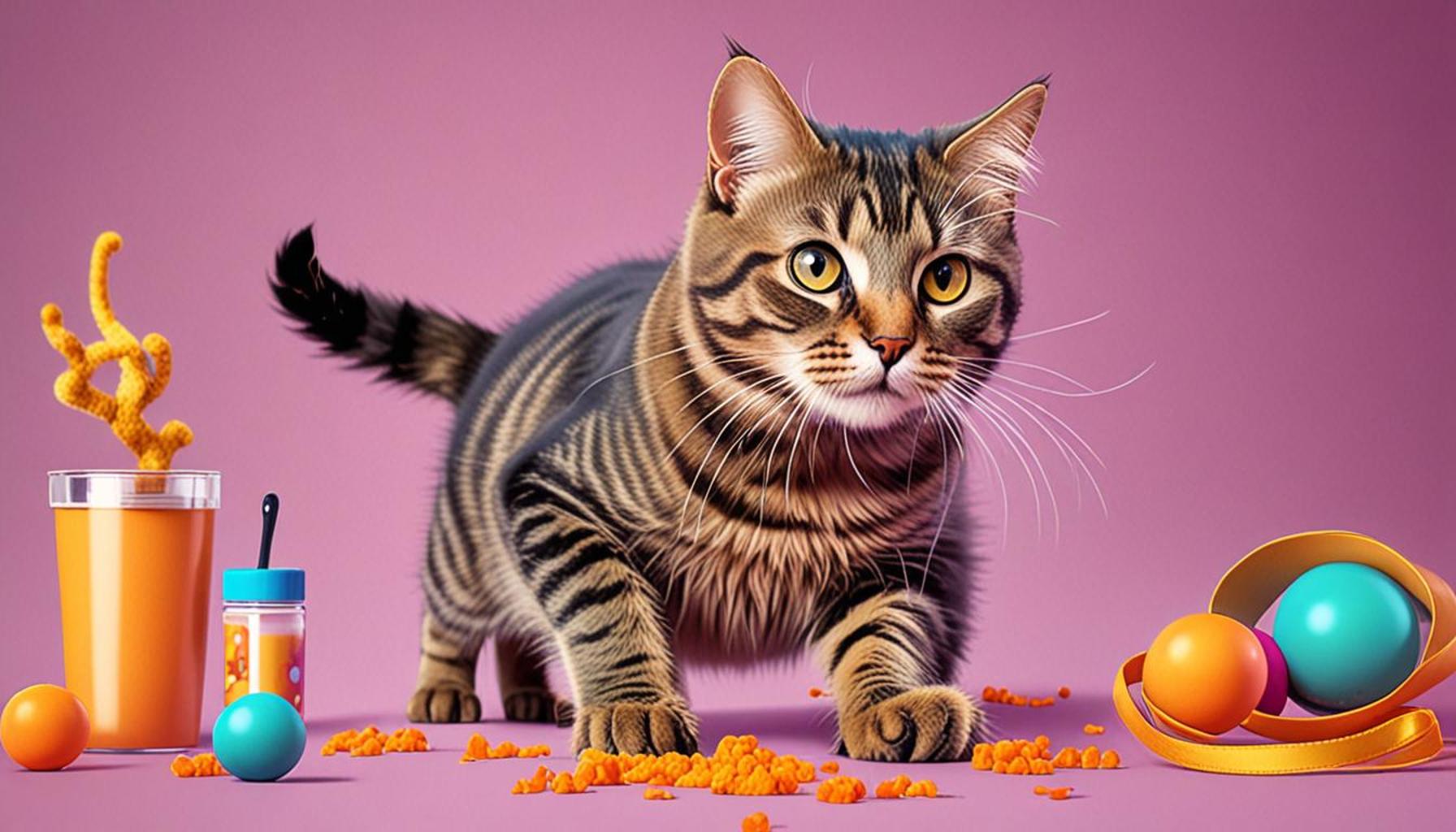
Unlocking Your Cat’s Potential
Imagine the delight on your friends’ faces as your feline companion dazzles them by performing tricks on command. Contrary to the common notion that training is a domain exclusive to dogs, your cat can also become a charming entertainer! With time and the right techniques, you can transform your pet into an agile performer that not only showcases impressive tricks but also enhances the bond between you and your furry friend.
Training your cat is not just about impressing guests – it is also a fun and rewarding pursuit that fosters a deeper connection. Engaging in this interactive process helps your cat develop essential mental skills and promotes their physical well-being, ensuring they remain active and alert. Providing mental stimulation can prevent boredom-related behaviors such as scratching furniture or excessive meowing, which are common frustrations for cat owners.
Why Train Your Cat?
- Enhances Bonding: The methodical practice of training results in a strong, trust-based relationship, creating a sense of teamwork between you and your cat.
- Mental Stimulation: Challenges and mental workouts for your cat can lead to a more fulfilled and contented pet, fostering overall happiness.
- Fun & Entertainment: There’s nothing quite as fulfilling as watching your cat master a new trick or showing off their skills to family and friends!
Training requires a blend of patience, consistency, and positive reinforcement. Utilizing treats, toys, or even affection, you can encourage your cat to learn a variety of tricks, making the process enjoyable for both of you.
What Tricks Can You Teach?
- High Five: This simple trick is usually one of the first tricks cats learn. It can be introduced by rewarding your cat when they naturally raise their paw.
- Roll Over: This trick showcases your cat’s flexibility and boldness. It often involves some coaxing, but the reward is worth the effort!
- Fetch: Contrary to popular belief, some cats are enthusiastic fetchers! Use a small, lightweight toy to pique their interest, and you might just witness a new favorite pastime.
Throughout this guide, you will uncover effective approaches to ensure that training sessions are both enjoyable and successful. From understanding your cat’s unique personality to tailoring your methods accordingly, embarking on this interactive journey will reveal not just your cat’s hidden talents but also their playful spirit.
Engaging in cat training can also resonate with a Nigerian audience, where cats are increasingly popular as pets, alongside their dog counterparts. The vibrant local context can be reflected in training techniques that incorporate traditional play styles or even local treats that captivate your pet’s attention. So, gather your treats and toys, and let’s embark on this exciting journey to unlock your cat’s true potential!
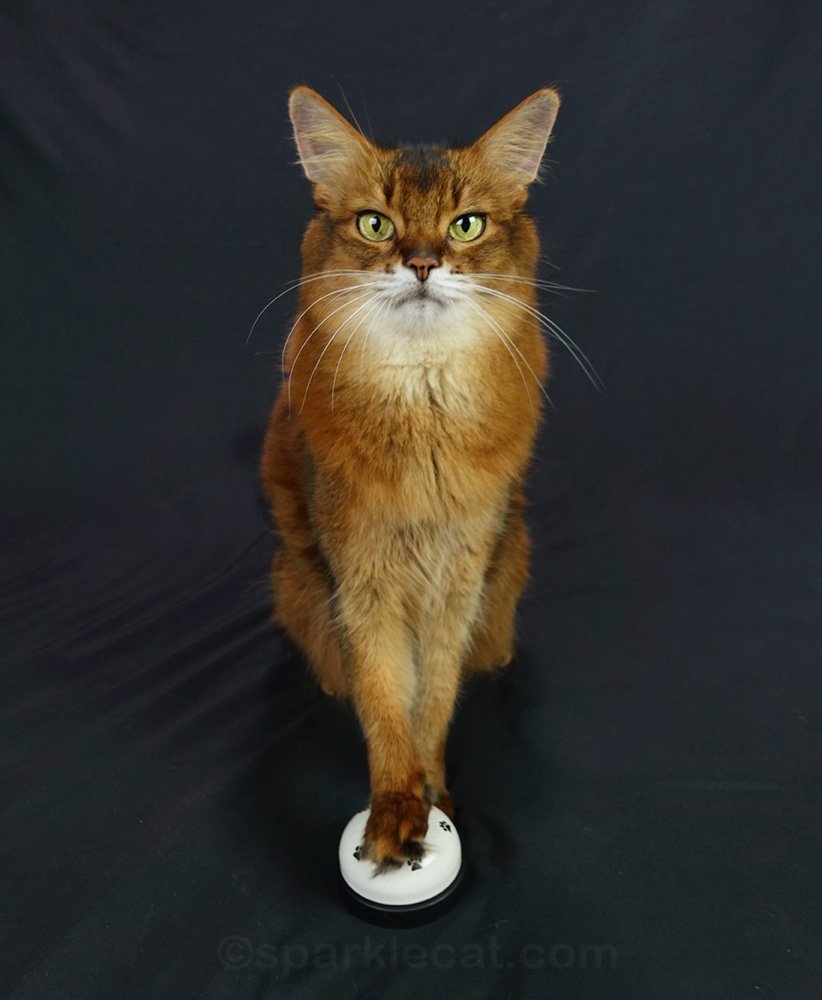
Getting Started with Cat Training
Before diving into training your cat, it’s essential to establish a suitable environment that encourages learning. Cats, like humans, require a distraction-free space to focus on new tasks. Choose a quiet area in your home, free from loud noises and interruptions, where both you and your cat can interact comfortably. A corner of your living room or a cozy spot in the study can work wonders for creating a positive training atmosphere.
Timing is also crucial in the training process. Cats tend to be most alert and playful during the early morning or late evening. Paying attention to your cat’s natural behavior patterns will allow you to schedule sessions when they are more receptive to learning. A quick five to ten-minute session is usually sufficient for cats, as their attention spans may wane if stretched too long.
Essential Training Tools
To begin teaching your cat tricks, you will need a few basic tools that can make the process smoother:
- Treats: High-quality, tasty treats are a fantastic way to motivate your cat. Opt for small, bite-sized options that can be devoured quickly.
- Clicker: A clicker is a useful tool that produces a distinct sound when pressed. This can help mark the exact moment your cat performs a desired behavior, making it easier for them to understand what they are being rewarded for.
- Interactive Toys: Toys can help capture your cat’s interest and encourage playfulness. Items like feather wands or laser pointers can lead to a more engaged training session.
Incorporating the right tools into your training sessions will not only enhance the learning experience but also make it enjoyable for both you and your cat. Remember to be patient and consistent; the key to effective training lies in reinforcing good behavior while gradually introducing new commands.
Understanding Your Cat’s Personality
Every cat has a unique personality that influences their willingness to participate in training. Some cats are naturally more curious and adventurous, while others may be shy or cautious. Understanding your cat’s temperament can help you tailor your training approach. For instance, a timid cat may require a gentler introduction to new tricks, while a more outgoing cat might thrive on bold challenges.
As you embark on this training journey, pay close attention to your cat’s responses to different techniques. Some might respond better to verbal cues, while others may require visual signals. By catering to their individual preferences, you can create a customized training experience that keeps your cat engaged and eager to learn.
In Nigeria, where cats are becoming more popular as household pets, it’s essential to incorporate local elements into your training practices. Use treats that are familiar and appealing to your feline, possibly local fish-based snacks or chicken pieces, to increase their interest. Embracing your cultural context can not only enhance the training process but also make it more relatable and enjoyable for you and your pet.
In summary, laying a solid foundation for teaching your cat tricks involves creating an inviting environment, utilizing the right tools, and understanding your cat’s distinct personality. By pursuing this engaging journey, you’ll enhance your bond with your feline friend while fostering a vibrant and playful household.
| Skill Acquisition | Motivation and Positive Reinforcement |
|---|---|
| Improved Cognitive Abilities | Cats learn through interaction and rewards, enhancing their problem-solving skills. |
| Enhanced Bonding | Training creates a nurturing environment, strengthening the connection between a cat and its owner. |
| Physical Fitness | Engaging in tricks promotes physical exercise, keeping your feline active and healthy. |
| Behavior Modification | Training can help in redirecting undesirable behaviors through structured learning experiences. |
As you delve deeper into the world of feline tricks, understanding the dynamics of skill acquisition and motivation becomes crucial. Training your cat is not merely about performing stunts; it enhances their cognitive abilities while enriching the bond you share. By utilizing positive reinforcement techniques, felines are encouraged to engage in learning while having fun. In addition, physical activities associated with these tricks contribute to a cat’s health and vitality, fostering a sense of curiosity and happiness.Training sessions also provide an excellent opportunity for behavior modification. Instead of punishing undesirable actions, redirect their energy into learning new skills. Thus, the process of teaching tricks becomes a mutual exchange of trust and respect, leading to happier, well-adjusted cats. With patience and creativity, the journey of training your feline can transform into a delightful part of your daily routine, encouraging you to explore various approaches to deepen your understanding of feline behavior.
Positive Reinforcement: The Key to Successful Training
In training any animal, including our beloved felines, positive reinforcement is crucial. This technique involves rewarding your cat for exhibiting desired behaviors, reinforcing their learning experience. When teaching your cat tricks, it’s vital to praise them immediately after they complete the action you want them to perform. This creates a strong association between the trick and the reward.
For instance, if you’re teaching your cat to “high five,” when they lift their paw or touch your hand, immediately offer a treat or verbal praise. The instant gratification encourages them to repeat the behavior. Over time, these actions become part of their repertoire. Remember to be consistent with your rewards; alternating between treats, toys, and affection keeps the training sessions exciting and engaging for your cat.
Choosing the Right Tricks to Start With
When it comes to selecting tricks, it’s best to start simple. Basic tricks such as “sit,” “come,” or “spin” serve as a great foundation for more complex commands. For example, the “sit” command is often the first trick taught to cats. To teach this, hold a treat above your cat’s head and slowly move it back towards their tail. As they look up and naturally lower their rear to follow the treat, reward them for sitting.
As the cat masters these simple commands, you can gradually introduce intermediate tricks like “roll over” or “play dead.” It’s essential to gauge your cat’s comfort and success level; if they seem frustrated or disinterested, it may be wise to scale back or simplify the task. Remember, the goal is to make learning fun and enjoyable.
Utilizing Visual Cues and Body Language
Understanding your cat’s body language is an essential part of training. Visual cues can enhance the learning process significantly. Cats are visual learners, so using hand signals or gestures can reinforce verbal commands. Coupling a hand signal with a verbal cue – such as saying “sit” while pointing downwards – can help your cat quickly associate the action with the command.
Additionally, rewarding your cat with a treat or playtime whenever they respond correctly to these cues strengthens the connection between the two. Over time, you will find that your cat can perform the tricks based solely on the visual signal without needing verbal prompts. This can be particularly beneficial in noisy environments where loud commands may not be effective.
Addressing Challenges During Training
Despite your best efforts, you may encounter challenges during your training sessions. Cats can display stubbornness, especially if the environment feels overwhelming or distracting. To counter this, consider implementing short breaks during training to keep their engagement high. You might also try varying the treats you offer, incorporating different flavors or textures. Experimenting with tantalizing options, such as chicken or tuna treats that are locally available, can do wonders for reigniting a cat’s interest in learning.
Another common issue is fear or anxiety around new commands. It’s vital to create a forced-free atmosphere during these training sessions. If your cat seems uneasy or scared, don’t rush the training; allow them to explore at their own pace. Building trust and creating a comfortable environment will ultimately lead to more effective training outcomes.
Teaching your cat tricks can be a rewarding endeavor that not only boosts their confidence but also strengthens the bond between you and your feline friend. By employing techniques such as positive reinforcement, selecting appropriate tricks, and understanding their body language, you are well on your way to transforming your kitty into a skilled performer in no time.
Conclusion: Feline Fun and Bonding Through Tricks
In conclusion, teaching your cat to perform tricks is not only an exciting activity but also an enriching experience that fosters a deeper bond between you and your furry companion. By understanding the importance of positive reinforcement, you can create a joyful and rewarding training environment where your cat feels encouraged to learn and explore. Starting with simple tricks lays the foundation for more advanced commands, making the process both achievable and fun.
Recognizing your cat’s body language and responsiveness to visual cues is equally essential in enhancing their learning experience. This ensures effective communication and encourages a pattern of success during training sessions. While challenges may arise, such as stubbornness or anxiety, patience and adaptability are key. Remember to vary the rewards and maintain a stress-free space to promote engagement and enthusiasm.
Ultimately, teaching your cat tricks can serve as an excellent way to stimulate their mind, improve their overall behavior, and add an element of joy to both your lives. As you witness your feline friend mastering new skills, you’ll not only find entertainment but also a profound sense of achievement. So why not start today? Grab some treats, prepare to be amazed, and embark on this delightful journey of training your cat to be the superstar of your household!