Service Dog Training: Preparing Your Animal to Assist with Special Needs
The Impact of Service Dogs on Quality of Life
Service dogs are more than just pets; they are invaluable companions that can immensely improve the quality of life for individuals with special needs. These specially trained animals assist people facing various challenges, including physical disabilities, emotional disorders, and even medical conditions. In many parts of the world, service dogs have become essential support systems, enabling individuals to live fuller, more independent lives. In Nigeria, the importance of service dogs is becoming increasingly recognized, with a growing understanding of their benefits.
One of the most significant advantages of having a service dog is increased independence. For individuals with mobility challenges, such as paraplegia or arthritis, service dogs can aid in performing everyday tasks that may be difficult due to their condition. For instance, they can help with retrieving items, opening doors, or even pulling a wheelchair. Many service dog owners report feeling empowered by the assistance of their canine companions, as they can engage in activities they may have previously avoided.
Another crucial benefit is the emotional support that a service dog can provide. The companionship of a service dog can reduce feelings of loneliness and isolation, especially in individuals suffering from mental health disorders like anxiety and PTSD. Just the presence of a dog can have a calming effect. This emotional connection can play a pivotal role in improving the mental health and well-being of their handlers, fostering a sense of hope and relief during challenging times.
Furthermore, service dogs contribute to safety and security. Trained to recognize medical emergencies, some service dogs can alert their owners to impending seizures or changes in blood sugar levels, providing critical time for the individual to react. For example, Labrador Retrievers are commonly trained as seizure-alert dogs and many have been credited with saving their owner’s lives by notifying them of an upcoming seizure before it occurs. This enhanced awareness can lead to a more confident lifestyle, allowing individuals to participate in social activities without fear of potential health incidents.
However, the journey to train a service dog requires dedication, patience, and knowledge. Understanding the fundamentals of service dog training is essential for ensuring these animals can fulfill their vital roles effectively. It often involves rigorous training programs that encompass obedience, socialization, and specific task training tailored to the needs of the handler. In Nigeria, organizations dedicated to training service dogs are emerging, offering resources and expertise to families seeking to integrate service dogs into their lives.
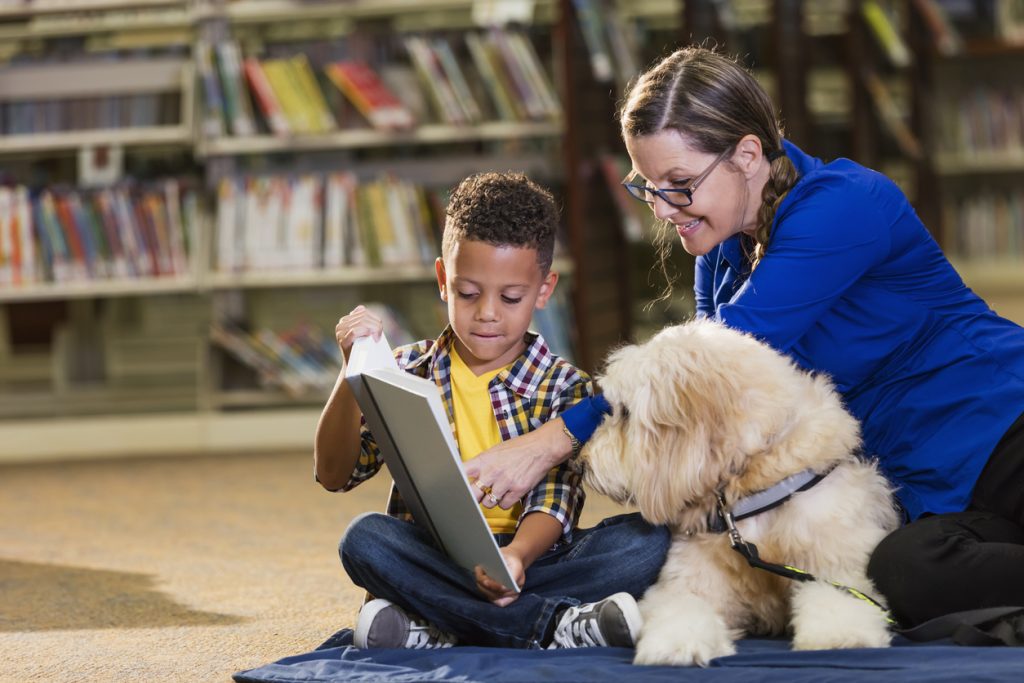
As demand rises, it is imperative for prospective handlers to grasp the responsibilities involved in caring for a service dog, including the emotional commitment and daily care they require. This article explores essential steps and considerations in preparing your animal to assist—equipping you with the insights needed to embark on this rewarding journey. The increasing recognition and acceptance of service dogs in Nigeria symbolize a progressive step toward enhancing the support systems for individuals with special needs, paving the way for a more inclusive society.
Understanding the Basics of Service Dog Training
Preparing a service dog is a journey that requires a deep understanding of the training process, as well as a commitment to establishing a strong bond with the animal. Training a service dog is not just about teaching commands; it involves extensive work in creating a reliable and harmonious partnership between the handler and the dog. The initial step in this rewarding venture is recognizing the specific needs of the individual that the service dog will assist. Each service dog is trained to perform tasks that cater specifically to these needs, greatly enhancing the handler’s ability to navigate daily life.
One of the cornerstones of service dog training is obedience training. This foundational training equips the dog to respond reliably to commands and ensures good behavior in various environments. Basic commands—such as sit, stay, come, and heel—are fundamental and should be mastered before progressing to more complex tasks. In Nigeria, trainers often emphasize the use of positive reinforcement methods, which not only yield better results but also foster a trusting relationship between the trainer and the dog.
Another critical component of the training process is socialization. Service dogs must be accustomed to various environments and situations to perform their tasks effectively. This means exposing them to different people, noises, and settings—ranging from busy marketplaces in Lagos to calm coastal areas in Calabar. Socialization ensures that the dog remains calm and focused in potentially overwhelming situations, which is particularly important for those who might need assistance in crowded public spaces.
Key Areas of Focus in Service Dog Training
For a structured training program, consider focusing on the following key areas:
- Basic Obedience: Teaching foundational commands is necessary for establishing control and ensuring the dog can be trusted to behave in public.
- Task-Specific Training: Tailor training to perform tasks like retrieving items, providing support while walking, or alerting their handler during a medical incident.
- Public Access Training: Prepare the dog to behave appropriately in public spaces, emphasizing patience, calmness, and social etiquette.
- Health and Hygiene: Train the dog for cleanliness and overall wellbeing—this includes regular grooming, vet visits, and maintaining good hygiene practices.
Moreover, understanding the legal rights associated with service dogs is paramount for handlers. Organizations and regulations around service dogs in Nigeria are evolving; hence, becoming informed about the rights and responsibilities that come with having a service dog will help in navigating public spaces comfortably. Knowledge of local laws can empower handlers to advocate for both themselves and their service animals.
With a foundation in obedience, socialization, task-specific training, and knowledge of legal rights, prospective handlers can foster an environment conducive to effective service dog training. As the movement toward recognizing and accepting service dogs grows in Nigeria, individuals can look to emerging organizations for guidance, ultimately facilitating a more inclusive society for people with special needs.
| Category | Key Features |
|---|---|
| Training Techniques | Use of positive reinforcement, socialization, and task-specific training methods to ensure effectiveness in assisting their owner. |
| Benefits for Special Needs | Enhances independence, reduces anxiety, and provides companionship, all contributing positively to overall mental health. |
In exploring the realm of service dog training, one finds that effective training techniques play a crucial role. Incorporating methods such as positive reinforcement, dogs learn to perform specific tasks that assist individuals with special needs. Each technique fosters a bond and promotes the dog’s understanding of their responsibilities, making them reliable companions.Moreover, the benefits for individuals with special needs are profound. For many, service dogs significantly enhance independence by assisting with daily tasks and offering emotional support. This not only reduces anxiety in stressful situations but also combats loneliness, providing a sense of companionship that can be life-altering. As individuals discover more about the training processes, it becomes evident that the journey is both fascinating and rewarding.
Advanced Techniques in Service Dog Training
Once the fundamental aspects of service dog training are established, trainers can begin implementing advanced techniques that enhance the dog’s capabilities and expand their role as a service animal. This advanced training is tailored to address specific tasks that align with the unique needs of the handler, making the partnership more effective and meaningful.
Task-Specific Skill Development
As mentioned earlier, task-specific training is essential. Depending on the type of assistance required, this stage focuses on teaching dogs specialized skills. For example, if the handler has a mobility impairment, the dog can be trained to retrieve objects, support walking, or even assist in balancing. This form of training often employs *target training*, where dogs learn to touch specific objects with their noses or paws, aiding in retrieval. Dogs can also be trained to guide their handlers through complex environments safely, allowing independence in bustling streets or market stalls famous within Nigerian communities.
Another common task for service dogs is alerting their handlers to medical emergencies, such as seizures or diabetic lows. Through a technique known as *behavior chaining*, handlers can help their dogs associate certain behaviors—like licking or nudging—with the onset of these medical events. Consistent positive reinforcement ensures that the dog accurately recognizes these cues, thereby becoming a life-saving companion.
Emotional Support Training
Many service dogs are also trained to provide emotional support for individuals suffering from mental health disorders such as PTSD or anxiety. This aspect requires a nuanced understanding of canine behavior. Trainers often use methods such as *counter-conditioning*, where the dog is exposed to stress-inducing situations gradually while being rewarded for calm behavior. This process not only enhances the dog’s ability to provide support but also reinforces their role as a calming presence for the handler.
In Nigeria, where societal stigma around mental health may still be prevalent, service dogs can help bridge the gap between personal comfort and public acceptance. By allowing individuals to navigate social situations with a dependable partner, service dogs promote inclusivity and understanding.
Continual Training and Assessment
Successful service dog training does not conclude once initial tasks are mastered; instead, it is an ongoing process that involves continual evaluation and reinforcement. Regular training sessions should be integrated into the dog’s routine, focusing on refreshing learned commands and introducing new challenges. This practice keeps the dog engaged and ensures that they maintain a high level of performance, particularly in unpredictable settings.
Handlers should also pay attention to the dog’s behavior and well-being throughout the training journey. Signs of stress or reluctance to perform tasks can indicate the necessity for adjustments in training methods or a need for a break. Understanding the dog’s body language and emotional responses is crucial for a successful partnership.
The Role of Professional Trainers
While many individuals may choose to train their service pets, enlisting the help of a professional trainer can be invaluable. Experienced trainers offer tailored programs based on international best practices, adapting them to suit local environments and cultural contexts within Nigeria. By collaborating with certified professionals, handlers ensure that their service dogs receive the highest standard of training, legally recognized and secure in their roles as facilitators for individuals with special needs.
As the demand for trained service dogs increases, awareness and training resources within Nigeria are expanding, paving the way for a brighter, more inclusive future for individuals with special needs and their faithful companions.
Conclusion: The Importance of Proper Service Dog Training
In summary, the journey of service dog training is a multifaceted process that not only enhances the abilities of these noble companions but also transforms the lives of their handlers. With a focus on task-specific skills, emotional support, and ongoing assessment, training empowers dogs to become proficient partners in addressing the unique needs of individuals with special requirements. The relationship between a trained service dog and its handler fosters independence, trust, and a sense of belonging that resonates deeply within communities, particularly in places like Nigeria where societal attitudes are evolving.
Furthermore, the role of professional trainers is integral to ensure that training methods are tailored to both the dog’s abilities and the handler’s needs. By leveraging expert knowledge and adapting global best practices to local contexts, handlers can maximize the effectiveness of their canine companions. The commitment to continual training and adjustment not only strengthens the bond between dog and handler but also signifies the importance of mental wellness and social acceptance, challenging the stigma surrounding mental health issues.
Overall, as awareness about the role of service dogs continues to rise in Nigeria, the conversation surrounding service dog training is paramount. Progressively investing time and resources into proper training will undoubtedly pave the way for a more inclusive society where individuals with special needs can thrive alongside their steadfast canine allies. Embrace this knowledge, and consider the unparalleled impact a well-trained service dog can have—not just on the life of the handler but on the community as a whole.