Cat Training: How to Teach Your Feline to Use the Litter Box
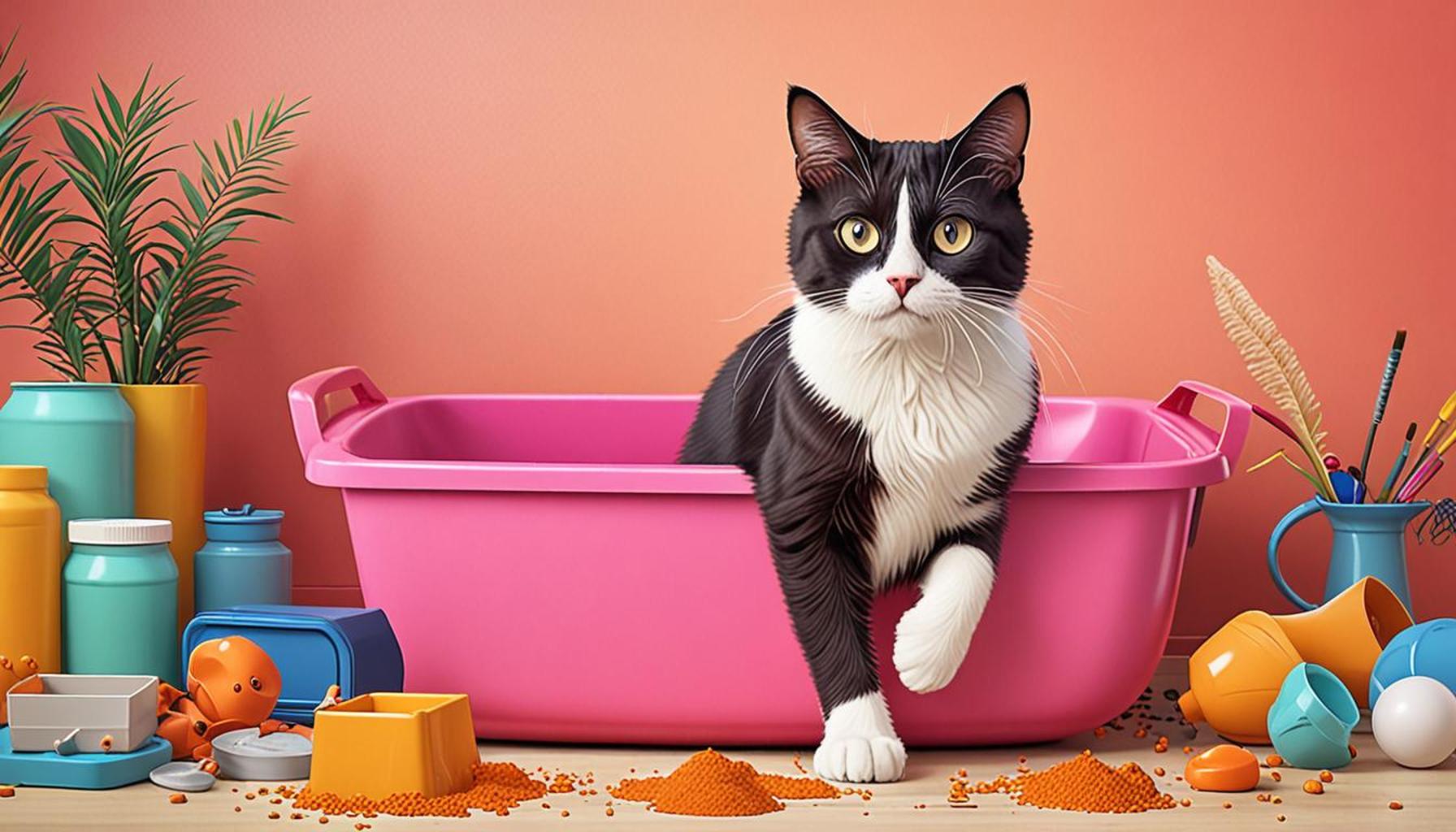
Understanding Your Cat’s Litter Box Behavior
Training your cat to use the litter box may seem like a daunting task, but it is essential for both feline and owner. A few simple strategies can make a world of difference in creating a harmonious living environment. Understanding your cat’s natural instincts is key to successful litter box training.
Cats are known for their cleanliness, and part of this behavior stems from their ability to bury their waste, which is an instinctive trait. This instinct not only helps them avoid predators in the wild by disguising their scent, but it also makes the idea of using a litter box appealing. By recognizing this instinct, cat owners can better facilitate the training process.
Choosing the Right Location
The placement of the litter box is crucial. Cats prefer a quiet, accessible location that feels safe to them. Placing the box in a hidden corner away from heavy foot traffic can help to create a sense of security. In a bustling household in Nigeria, for instance, a corner in a room that is not frequently occupied can work wonders. Not all cats appreciate the commotion of daily life, and a peaceful environment encourages them to use the box consistently.
Selecting the Right Type of Litter
When it comes to litter, one size does not fit all. It’s essential to experiment with different types to find what your cat prefers. Options such as clumping clay litter, crystalline litter, or natural alternatives made from corn or pine could all be acceptable. For example, in Nigeria, some pet stores offer locally sourced organic litters that could appeal to both environmentally-conscious owners and the cats’ preferences. Observing your cat’s reactions to different types of litter can provide insight into their preferences and comfort levels.
Patience is Key
It’s important to be patient during this training process. Just as each cat has unique personality traits, the time it takes for them to adapt can vary widely. Some may take to the litter box immediately, while others might need a little encouragement. Consistency and positive reinforcement, such as gentle praise or treats when they use the box, can go a long way in reinforcing the desired behavior.
Additionally, keeping the litter box clean is essential. Cats are fastidious by nature; a dirty box may deter them from using it. Daily scooping and regular litter changes are practices that can help maintain hygiene and incentivize your cat to continue using the box.
Discovering the best practices in cat training is not only rewarding; it fosters a positive relationship between you and your pet. By understanding your cat’s instincts, choosing the right location and litter, and cultivating patience, litter box training can be a straightforward experience. Let’s explore these strategies to ensure you and your furry companion share a clean and comfortable living space.
Establishing a Routine for Success
One of the most influential factors in ensuring your cat adopts the litter box as their bathroom of choice is establishing a consistent routine. Just as humans thrive on predictability, cats feel more secure when their environment and daily activities are routine. This applies to meal times, playtime, and, importantly, their bathroom habits. Incorporating a systematic approach can lead to a smoother transition for your feline friend.
For example, feeding your cat at the same time each day can help synchronize their bathroom habits to match their eating schedule. Cats tend to relieve themselves soon after meals, and by monitoring when they eat, you can anticipate when they are likely to need the litter box. This strategy allows you to be present and encourage them to use the box immediately after they finish eating. Taking this proactive approach not only encourages regular bathroom habits but also reinforces a sense of security and stability.
Diversifying Litter Box Options
While most cats can adapt to a single litter box, offering multiple boxes can provide them with additional choices. In a larger household or multi-cat environment, having at least one litter box per cat plus one extra is recommended. This strategy minimizes territorial disputes and ensures that every cat has access to a clean place to relieve themselves. In Nigeria, where living spaces may vary from bustling urban centers to quieter rural areas, access to multiple locations for a litter box can be beneficial. Consider placing boxes in different areas of the home, particularly if you have a larger space that allows for diverse placements.
- Accessibility: Ensure that the boxes are accessible to your cat at all times, especially for kittens or older cats that may have mobility issues.
- Hygiene: Regularly clean each box to maintain a hygienic environment, as cats can be particular about their surroundings.
- Separation: If you have multiple cats, place the boxes in separate areas to avoid competition and reduce stress levels.
Positive Reinforcement Techniques
Utilizing positive reinforcement is another effective training method that can lead to successful litter box habits. When your cat uses the box appropriately, immediately reward them with praise or a small treat. This reinforces the behavior and encourages them to repeat it in the future. While it may seem simplistic, this method capitalizes on a cat’s ability to connect actions with rewards, promoting a desirable outcome efficiently.
By taking into account the importance of establishing a routine, diversifying cat litter options, and employing positive reinforcement, you are laying the groundwork for successful litter box training. This holistic approach not only makes the training process smooth and effective but also ensures a healthy living environment for both you and your feline companion.
Understanding Litter Box Training
Successfully training your cat to use the litter box is essential for maintaining a happy and hygienic home environment. The first step in this process is to select the right type of litter box. There are various options available, including covered, uncovered, and self-cleaning boxes. Additionally, the choice of litter itself can greatly affect your cat’s receptiveness to the box. Many felines prefer clumping, unscented litter that mimics the texture of soil, as they are instinctively drawn to dig.Next, it’s important to place the litter box in a quiet and accessible location. Cats are creatures of habit, and a private space is crucial for their comfort. To reinforce positive behaviors, praise your cat every time they use the box correctly. Consistency is key; maintain a regular schedule for feeding and litter box cleaning to ensure your feline feels secure and understands where to go.
Common Challenges and Solutions
Even with the best intentions, challenges may arise during the training process. For instance, if your cat refuses to use the litter box, it may be a sign of stress or medical issues. Consulting a veterinarian is advisable if you notice persistent avoidance. Additionally, multiple cats in a household often require more than one litter box to reduce conflicts over territory. Incorporating a reward system can aid in encouraging consistent use. Treats and gentle positive reinforcement can help your cat associate the litter box with a pleasant experience. Remember, patience is crucial – some cats take longer to adapt than others, so addressing their individual needs will foster a smoother training process.
| Category | Benefits |
|---|---|
| Litter Box Type | Choosing the right type decreases resistance and encourages regular use. |
| Location | A quiet and private location aids in creating a comfortable space for your cat. |
The journey to a successfully trained cat involves understanding, patience, and a commitment to catering to your pet’s needs, promoting a cohesive living situation for both you and your feline friend.
Creating a Comfortable Environment
Another critical aspect of successfully training your cat to use the litter box is ensuring a comfortable environment. Cats are notoriously sensitive creatures, and their preferences can significantly influence their litter box habits. If they perceive the litter box as an uninviting space, they may avoid it altogether, leading to accidents around the home.
First, consider the type of litter you are using. Cats have individual preferences, and what works for one may not work for another. There are various options available, ranging from clumping clay to natural, environmentally-friendly litters. Conducting a bit of research or even experimenting with different types can help you discover what your cat prefers. Some cats might enjoy the fine texture of clumping litter, while others may favor the feel of natural alternatives.
- Avoid strong scents: Cats have a strong sense of smell, and overly scented litters can be off-putting. Opt for unscented varieties whenever possible.
- Depth matters: The depth of the litter can also influence your cat’s willingness to use the box. A depth of about 2 to 3 inches is often ideal, providing enough material for digging without overwhelming their senses.
Location, Location, Location
The placement of the litter box is crucial for effective training. Cats are instinctually private animals and prefer a discreet spot for their bathroom needs. Avoid placing the litter box near their food and water bowls, as this can create a psychological barrier. Instead, choose a location that provides some privacy yet is easily accessible. In urban settings like Lagos or Abuja, where space can be limited, getting creative with locations becomes imperative. Consider placing a litter box in less-trafficked areas, such as a bathroom or unused corner, while ensuring that your cat can easily find and access it.
Managing Potential Challenges
As you embark on this training journey, be prepared to manage potential challenges. Some cats may have negative experiences that lead them to avoid the litter box. Take note of any behavioral cues indicating distress, such as anxiety or avoidance. If your cat has had issues in the past, such as a medical condition or a change in the home dynamic, addressing these factors is essential.
For example, if you notice signs of stress—like hiding or vocalizing—explore comforting measures. Creating a safe space with familiar toys, or even using calming pheromone diffusers specifically designed for cats, can help ease their anxiety. In Nigeria, with its diverse climates and varying living conditions, ensuring your cat feels secure in their environment is essential, especially when making changes to their litter box habits.
Additionally, if despite your best efforts, your cat continues to avoid the litter box, it may be advisable to consult with a veterinarian. There could be underlying health issues at play that require professional intervention.
By focusing on creating a comfortable environment, prioritizing proper litter choices, and addressing potential challenges with care, you can significantly increase the odds of your cat developing a strong affinity for using the litter box. With patience and observation, your feline companion will learn to embrace their designated bathroom space as a safe and acceptable area for their needs.
Final Thoughts on Cat Litter Box Training
Successfully training your cat to use the litter box is a journey that requires patience, understanding, and a thoughtful approach. By prioritizing your cat’s comfort and making informed decisions about litter type and placement, you lay the groundwork for establishing positive habits. Remember that every feline has unique preferences, and being adaptable in your training methods is key to overcoming potential hurdles.
In Nigeria, where various living environments pose different challenges, the importance of a quiet and easily accessible litter box cannot be overstated. Balancing practicality with your cat’s need for privacy can significantly reduce stress-related aversions. If your cat exhibits signs of anxiety or resistance, do not hesitate to seek veterinary advice, as underlying medical conditions might be contributing factors.
Becoming attuned to your feline’s behavior will not only enhance litter box success but can also improve your overall bond. Regularly clean the litter box to reinforce a pleasant experience and maintain a consistent routine that your cat can rely on. Over time, your feline companion will learn to view the litter box as a safe and acceptable space for their needs.
By approaching litter box training with empathy and dedication, you contribute positively to your cat’s well-being and your own peace of mind. As you embark on this rewarding journey, remember that patience is a virtue—soon, you will find yourself celebrating the small victories on the path to successful litter box use.