Behavior Training for Rodents: Creating a Learning Environment for Hamsters and Guinea Pigs
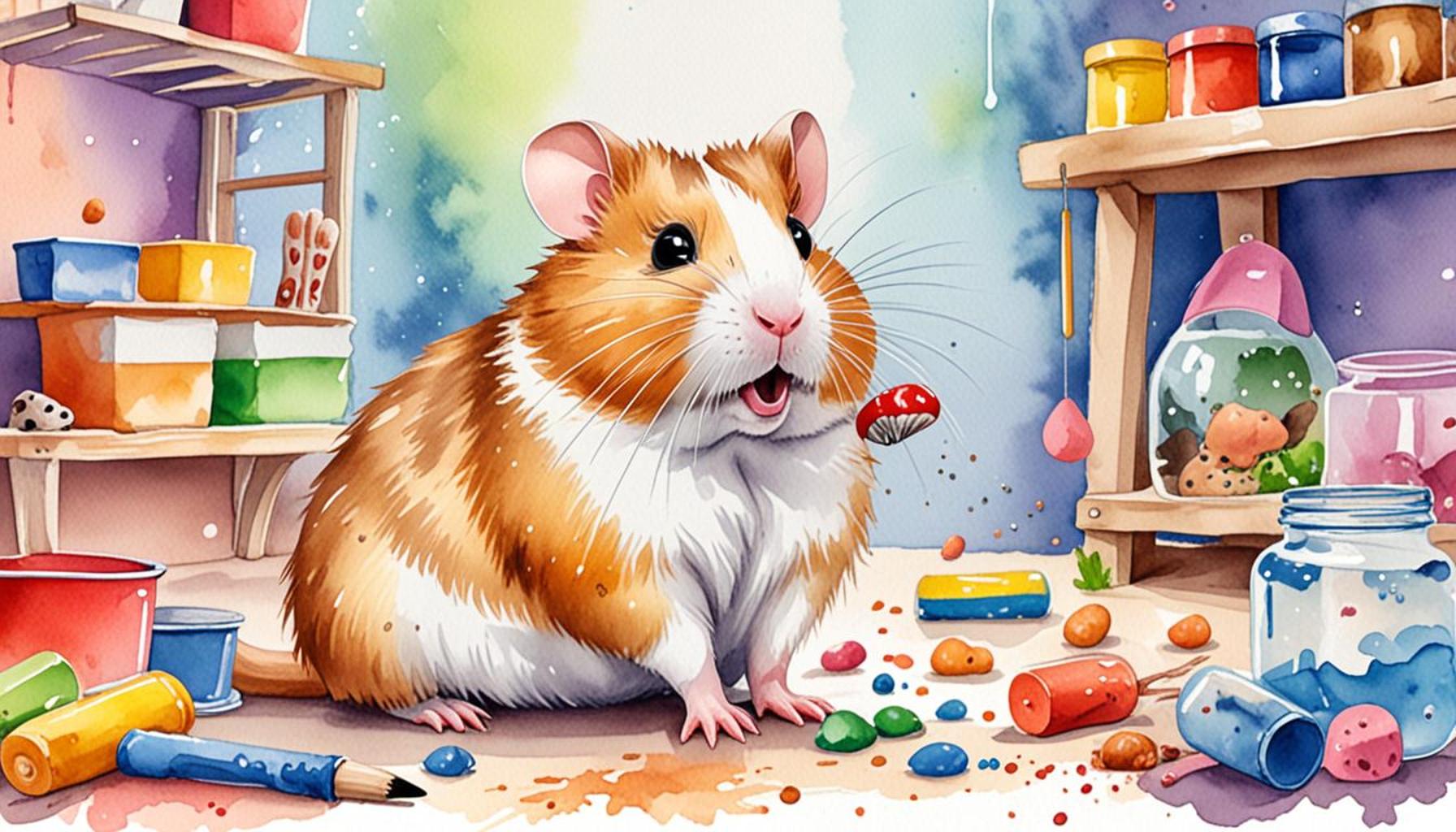
The Importance of Creating a Learning Environment for Your Rodents
When adopting hamsters and guinea pigs as pets, understanding their need for a stimulating environment is fundamental to their overall health and happiness. These small creatures, often overlooked, are highly social and intelligent, thriving in an atmosphere where they can explore, learn, and interact. By investing time and effort into behavior training, pet owners can significantly enhance the lives of their furry companions while also strengthening the bond between human and pet.
Core Principles of Behavior Training
Behavior training for rodents encompasses several pivotal elements that contribute to their well-being and socialization:
- Positive reinforcement: This technique encourages desired behavior by rewarding rodents with treats, verbal praise, or playtime. For example, if you want your hamster to come to you when called, offering a small piece of fresh fruit each time it responds reinforces that behavior, ensuring your pet learns to associate the action with positive outcomes.
- Consistent routines: Rodents function best when they know what to expect. Establishing a daily schedule for feeding, exercise, and play helps them feel secure. Here in Nigeria, where changes in weather can affect their activity levels, sticking to a routine can also help minimize stress during hot or rainy seasons.
- Enrichment activities: Providing a variety of toys, tunnels, and opportunities for mental and physical exercise is essential. Unlike cats and dogs, small rodents can easily become bored, leading to behavioral issues. Engaging activities such as obstacle courses made from cardboard or wooden structures can keep them entertained and mentally stimulated. You can create DIY toys using household items, which is both cost-effective and rewarding.
Maximizing Local Resources
For pet owners in Nigeria, leveraging local resources can significantly aid in effective behavior training. Many urban areas have pet shops offering specialized training supplies tailored for small animals. Here, you can find everything from chew toys to exercise wheels, designed to keep your pets active and happy. Additionally, connecting with local veterinarians or small animal enthusiasts can provide valuable insights into effective practices and new enrichment ideas that cater to the specific needs of your right little companions.
Strategies for Training Success
This article will delve into various strategies for hamster and guinea pig behavior training that can transform their living spaces into nurturing learning environments. You will discover innovative ways to engage your pets, such as initiating clicker training for hamsters or creating social play sessions for guinea pigs. Such activities not only teach valuable skills but also promote the emotional well-being of your pets.
Embracing these training techniques ensures that your small rodents live a fulfilled life, fostering a deeper connection that can last for years to come. Ultimately, the time and energy invested in understanding and training your pets will yield results in the form of happy, well-adjusted rodents that will enrich your household.
Understanding Rodent Behavior and Socialization Needs
To create an effective learning environment for hamsters and guinea pigs, it is crucial to first understand their unique behaviors and socialization needs. Hamsters, while generally solitary creatures, exhibit a range of behaviors that indicate curiosity and a desire for interaction. They often explore their surroundings through sniffing and burrowing, which are innate traits that promote cognitive development. In contrast, guinea pigs are naturally social animals that thrive in the company of their peers. They communicate through a variety of sounds, including wheeking and purring, which express their contentment or need for attention. Recognizing these behavioral traits allows pet owners to tailor their training methods to suit the specific needs of each rodent.
Creating a Stimulating Environment
To foster a successful behavior training journey, creating a stimulating environment is paramount. This involves not only physical space but also the integration of elements that encourage exploration and social interaction. Here are key aspects to consider when organizing a learning-friendly habitat:
- Space to Roam: Ensure that your hamsters and guinea pigs have ample room to explore. Depending on your available space, providing a spacious cage or a designated play area can significantly enhance their behavioral development.
- Variety of Textures and Surfaces: Introducing diverse bedding materials and surfaces, such as soft hay for guinea pigs or shredded paper for hamsters, promotes natural digging and nesting behaviors, crucial for their mental health.
- Interactive Toys: Invest in puzzles and toys that challenge your pets physically and mentally. Toys that dispense treats when solved can drive engagement and provide a rewarding learning experience.
- Social Interaction: Regularly setting aside time for one-on-one interactions can enrich your rodents’ lives dramatically. For guinea pigs, this includes gentle petting and supervised playtime with fellow guinea pigs.
Moreover, it is essential to consider the climate in Nigeria when creating a conducive environment. Proper ventilation and temperature control are vital, especially during hot seasons, as extreme temperatures can lead to stress or health issues in small animals. Utilizing fans or air conditioners in their play area can make a significant difference in keeping them comfortable and focused on learning.
Behavioral Training Techniques
Implementing effective training techniques further enhances the learning experience for both hamsters and guinea pigs. Training should be a positive experience that reinforces good behavior while ensuring your pets trust you. Start with simple commands and gradually increase the complexity. For instance, teaching a hamster to navigate a small maze can be an entertaining way to engage its natural instincts, while guinea pigs may respond well to learning sounds associated with feeding times or play. This encourages them to form connections between specific actions and their rewards.
In summary, by acknowledging the distinctive needs of hamsters and guinea pigs and tailoring training approaches accordingly, pet owners in Nigeria can create a vibrant learning atmosphere. Such efforts are not just beneficial for the pets’ behavioral development; they also deepen the bond shared between the pet and owner, fostering an enriched life for all involved.
| Training Method | Advantages |
|---|---|
| Positive Reinforcement | Creates a trusting bond between pet and owner, encourages desired behaviors, and improves overall pet welfare. |
| Environmental Enrichment | Stimulates mental activity and prevents boredom, resulting in less stress and more active exploration by the rodent. |
Creating a stimulating and interactive environment is essential for the behavioral growth of hamsters and guinea pigs. Behavior training through effective methods enhances their quality of life. Using techniques like positive reinforcement not only teaches them important skills but also helps forge a stronger bond with their owner. In addition, adding elements of environmental enrichment can significantly activate their curiosity and engagement.Integrating interactive toys and varied habitats fosters a supportive learning atmosphere. The right training strategies encourage mental stimulation, leading to a happier and healthier life for your pets. This approach can transform routines into engaging challenges, ensuring rodents remain active and content. Understanding these dynamics can lead to more fulfilling relationships with small animals, encouraging responsible pet ownership.
Utilizing Positive Reinforcement in Training
Positive reinforcement is essential when engaging in behavior training for rodents, as it cultivates trust and encourages pets to embrace learning experiences. By rewarding desired behaviors instead of punishing unwanted actions, pet owners set a foundation for a healthy training atmosphere. This approach is particularly effective for both hamsters and guinea pigs, as they respond enthusiastically to rewards that cater to their preferences.
Choosing Effective Rewards
Finding the right rewards is crucial for successful behavior training. Hamsters may respond well to small, nutritious treats such as pieces of carrot or apple, while guinea pigs enjoy fresh veggies like bell peppers or leafy greens. When selecting treats, it is essential to ensure they are healthy and appropriate for each species, as excessive sugary or fatty snacks can lead to health issues. By incorporating these treats into training sessions, you can motivate your pets and reinforce positive behavior.
On the other hand, verbal praise and gentle petting can also serve as effective rewards. Many rodent owners find that pairing physical affection with treats can enhance the learning process by associating their owner’s presence with comfort and enjoyment. This combination can lead to more robust emotional bonds, helping both hamsters and guinea pigs feel secure in their environment.
Setting Realistic Training Goals
When embarking on behavior training, it is essential to establish realistic goals. Jumping right into complex tasks may overwhelm your pets and hinder their learning process. Start with simple commands, such as teaching your hamster to come when called or training your guinea pig to wait for a treat on cue. Gradually increase the difficulty of tasks as your rodents gain confidence and understanding. Consistency is key; practicing for short sessions several times a week is preferable to sporadic longer sessions, as it keeps your pets engaged and eager to learn.
Consider also integrating training into their daily routine. For example, when feeding your guinea pig, you might incorporate commands to encourage them to respond to cues for meals. This not only makes your training feel less forced but helps behavioral learning feel natural and seamless within their everyday life.
Incorporating Environmental Enrichment
As you develop your training regimen, do not overlook the importance of environmental enrichment. Hamsters and guinea pigs thrive in habitats that stimulate their natural instincts to explore, forage, and engage socially. Create an engaging environment by adding tunnels, climbing structures, and hiding spots. For instance, placing treats in various locations can prompt your hamsters to explore their cages more actively. For guinea pigs, creating a small labyrinth can be both entertaining and educational as they navigate through social interactions and rewards. This enrichment serves as a valuable supplement to training efforts.
Moreover, incorporating sensory experiences can have a significant impact. For instance, toys that make sounds or provide varying textures encourage sensory exploration, keeping your pets physically active and mentally stimulated. By blending training sessions with environmental enrichment, you foster a holistic learning space that caters to both the educational and instinctual needs of your hamsters and guinea pigs.
Overall, behavior training for rodents requires a blend of understanding their natural instincts, utilizing positive reinforcement, and creating a stimulating environment. By embracing these principles, pet owners can significantly enhance the learning experiences of their beloved hamsters and guinea pigs, nurturing them into well-behaved and happy companions.
Conclusion
In summary, behavior training for rodents such as hamsters and guinea pigs is an exciting journey that enriches the lives of both pets and their owners. By implementing a thoughtful approach that combines positive reinforcement, effective rewards, realistic goals, and environmental enrichment, pet owners can create a stimulating learning environment that fosters both behavior and emotional well-being.
As this article has highlighted, understanding the natural instincts of these small animals plays a crucial role in shaping successful training experiences. Each pet, with its unique personality and preferences, responds differently to various methods and rewards. Therefore, it is essential to tailor your training sessions to cater specifically to the needs of your hamster or guinea pig. This personalization not only aids in achieving your training goals but also deepens the bond between the pet and owner.
Moreover, integrating elements of play and exploration into everyday routines ensures that learning feels natural and enjoyable. By exhausting their natural curiosity through environmental enrichment, hamsters and guinea pigs are kept active and engaged, making training a fun and interactive experience. This holistic approach to training does not just teach them commands; it nurtures well-adjusted and social pets.
Pet owners in Nigeria and beyond are encouraged to delve deeper into behavior training techniques to discover what works best in their individual circumstances. With patience and persistence, the rewards of a well-trained hamster or guinea pig are immeasurable, leading to happier, healthier, and more fulfilled companions. Embrace the journey of behavior training, and watch your small furry friends thrive in a loving and supportive learning environment.