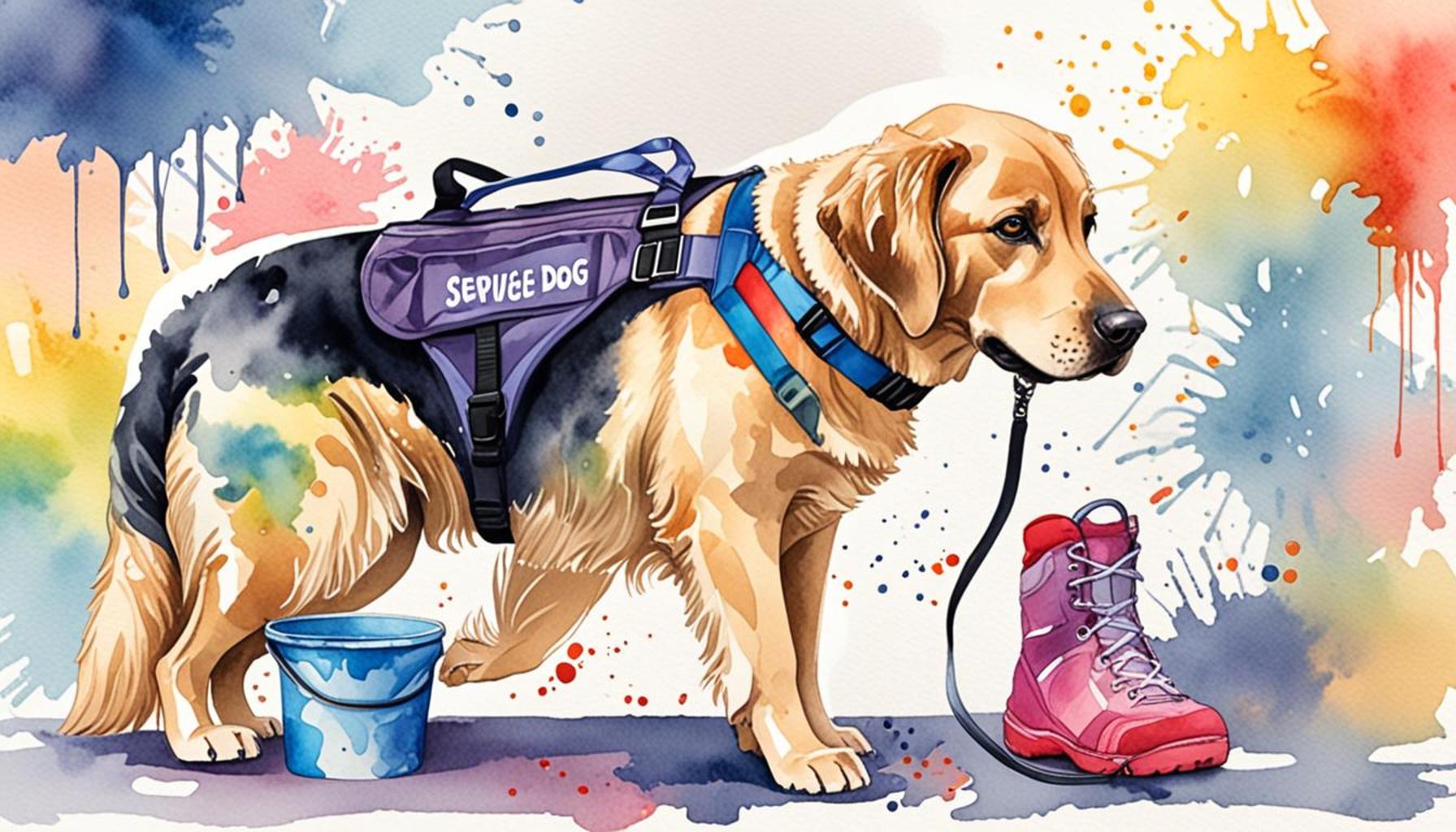
Training Tips for Dogs: How to Teach Basic Obedience Commands

Why Training Your Dog is Essential
Establishing a robust communication channel with your dog is not only fundamental but also a rewarding journey for both pet and owner. Training plays a pivotal role in fostering a well-behaved pet, contributing to a relationship filled with trust and mutual respect. In Nigeria, where dogs are often considered part of the family, it’s even more critical to ensure they are equipped with the right training to integrate seamlessly into our daily lives.
Having your dog expertly trained enhances the quality of life for both pet and owner. Here are several compelling reasons to invest time and effort into proper dog training:
- Safety: Commands such as “Sit” or “Stay” can be lifesavers. For instance, when walking in busy markets like Balogun Market in Lagos, having your dog respond to these commands can prevent them from running into traffic or getting too close to other potentially aggressive dogs.
- Socialization: In Nigeria’s vibrant environment, it is crucial for dogs to interact positively with people and other animals. Training your dog to be well-behaved in social settings—like family gatherings or community events—can prevent misunderstandings and promote harmony.
- Mental Stimulation: Engaging in training helps to keep your dog’s mind sharp. Regular sessions with basic commands can promote cognitive development, reducing the likelihood of behavioral issues caused by boredom.
Every dog, regardless of breed or age, should master fundamental commands. Initiating training with essential commands sets the groundwork for consistent behavior. Here are a few key commands every dog should learn:
- Sit: This command is often the first and serves as the cornerstone of other commands.
- Stay: Teaching your dog to stay in one place can dramatically boost their safety.
- Come: A reliable recall can prevent dangerous escapes, especially in open areas.
- Leave it: This command protects your dog from potentially harmful items, such as scraps or objects they might chew on while exploring.
As you embark on this training journey, consider incorporating local contexts and experiences. For example, utilizing helpful cues in Pidgin, such as “Come dey!” can resonate well with your dog, making training both effective and relatable. As your training progresses, you’ll discover not only the joy of a well-behaved pet but also the deepening bond that emerges from this shared dedication.
In conclusion, investing in your dog’s training is a commitment that pays off in numerous ways—ensuring a safer, more enjoyable experience for both you and your furry companion. By focusing on the basics and being consistent in your approach, you can lay the foundation for a fulfilling relationship with your pet.
Essential Commands Every Dog Should Learn
When it comes to training your dog, starting with basic obedience commands solidifies the foundation of your pet’s behavior. Not only does this create a sense of structure, but it also fosters an environment of respect and understanding between you and your furry friend. In a bustling country like Nigeria, where both urban and rural lifestyles expose dogs to numerous stimuli, these commands can significantly enhance your dog’s adaptability and responsiveness.
Here are some fundamental commands that every dog should master:
- Sit: This command is the go-to for beginning your training journey. Teaching your dog to sit on command encourages self-control and can serve as a precursor to more advanced commands.
- Stay: The ability for your dog to stay in place is crucial for their safety, particularly in crowded and noisy environments like busy streets. This command instills discipline and can help avoid potentially dangerous situations.
- Come: Teaching your dog to reliably come when called is essential for preventing escapes. This command can be a lifesaver, especially in open areas such as parks or beaches where distractions abound.
- Leave it: Equally important, the “leave it” command protects your dog from harmful objects on the ground—be it spoiled food or other risky substances. This command is a vital aspect of responsible dog ownership.
The training process should focus on positive reinforcement. Using rewards like treats, praise, or playtime can motivate your dog to learn faster. In the context of Nigeria’s diverse culture, incorporating local dialects or phrases during training can not only engage your pet but also make the experience more enjoyable for both owner and dog. For instance, using phrases like “Come, my paddy!” can create a sense of familiarity and connection, amplifying the effectiveness of the training.
Establishment of a routine is also crucial in the training process. Consistency helps dogs recognize expectations and reduces confusion. You can consider setting specific training times throughout the week to reinforce these commands, gradually increasing the level of distraction as your dog improves. This method helps to ensure that your dog does not just perform the commands in a controlled environment but also in more dynamic settings.
As you embark on this training journey, be patient and adaptable. Every dog learns at its own pace, and some may require more time than others to grasp new commands. By being supportive and recognizing their achievements, no matter how small, you nurture a positive atmosphere conducive to learning.
Ultimately, teaching your dog basic obedience commands is a powerful way to strengthen your bond. As you both embark on this training adventure, you’ll find that the rewards—an obedient pet and a deeper relationship—are well worth the effort.
Understanding Basic Obedience Commands
When it comes to dog training, teaching basic obedience commands is foundational for a harmonious relationship between you and your furry companion. These commands not only ensure your dog’s safety but also enhance their ability to interact positively within the household and society. Let’s delve into some essential commands and effective training strategies.
Key Commands and Their Importance
1. Sit: This command is one of the simplest yet most effective. By teaching your dog to sit, you create an immediate way to calm them down and establish control in various situations, such as during walks or when greeting guests. 2. Stay: “Stay” teaches your dog self-control, which is crucial for their safety. When your dog knows to stay in place, you significantly reduce the chances of them running into dangerous situations, such as streets or hazardous areas.3. Come: This command is vital for recall and is essential for off-leash training. A strong “come” command can save your dog’s life, allowing them to return to you when necessary, whether they spot something curious or sense danger.
Effective Training Techniques
To facilitate learning, use positive reinforcement, such as treats or praises, whenever your dog successfully completes a command. Consistency is key—use the same commands and cues regularly, ensuring your dog associates verbal cues with actions. Incorporate these sessions into your daily routine to reinforce learning:- Start with shorter training sessions, gradually increasing duration as your dog becomes more adept at following commands.- Practice in various environments to help your dog generalize the commands, making them reliable in diverse situations.Encouraging interaction during training can also foster a bond between you and your dog. Playfulness can keep your dog engaged and attentive, making the learning process enjoyable for both of you.
Challenges in Training
Every dog is unique, and individual learning speeds can vary. Be prepared to encounter challenges—some commands may require more time and patience than others. If a particular strategy is not working, don’t hesitate to adjust your approach; consider seeking professional training guidance if necessary. By focusing on these essential commands and employing effective training techniques, you set a solid foundation for your dog’s obedience and behavior. Remember, the goal is not only to teach commands but to cultivate a trusting relationship built on understanding and mutual respect.
| Advantage | Description |
|---|---|
| Enhanced Safety | Teaching commands like “stay” and “come” keeps your dog safe from potential dangers. |
| Improved Behavior | Basic commands help reduce unwanted behaviors, making for a more pleasant home environment. |
Dogs that understand and follow basic commands demonstrate better behavior in various settings, making them more enjoyable companions and enhancing their interactions with others. Emphasizing training can set the precedent for lifelong obedience and a joyful bond with your dog.
Building on Basic Commands for Advanced Training
Once your dog has grasped the essential commands like sit, stay, come, and leave it, you can begin to enhance their training by introducing more advanced commands. This not only improves their obedience but also keeps their minds engaged, which is essential for a well-rounded pet.
Here are some advanced commands to consider teaching your dog:
- Heel: Teaching your dog to walk politely beside you, without pulling on the leash, is vital for both safety and enjoyment during walks. You can start this training in a quiet area, gradually introducing more distractions as your dog gets the hang of it.
- Drop it: This command is particularly useful if your dog grabs something dangerous or undesirable. Teaching them to release items on command ensures their safety and helps maintain a clean environment, which can be particularly important in Nigeria’s vibrant outdoor settings.
- Wait: Similar to stay, the wait command asks your dog to pause momentarily or to wait for your cue before proceeding. This command can be particularly beneficial when entering or exiting a car or navigating through busy areas.
- Roll over: While this command is often seen as a trick, it also helps your dog become comfortable with handling, which is beneficial for vet visits and grooming sessions.
When moving into advanced training, continue to utilize positive reinforcement. Reward your dog with treats, play, and praises every time they successfully perform a command— this creates a positive feedback loop that promotes further learning. It’s this kind of engaging experience that makes dogs feel confident in their abilities, something that can be particularly rewarding in Nigeria’s diverse settings where social interactions are critical.
Another key aspect of advanced training is the incorporation of socialization. Exposing your dog to different people, environments, and other animals will not only solidify their training but also reduce anxiety and aggression. Arrange playdates with other dogs or take your pet to local parks where they can interact with different stimuli. This exposure is crucial in developing a well-adjusted dog that is comfortable in various situations.
In Nigeria, the bustling marketplace or community events can be ideal places to challenge your dog’s training. For example, practice commands like “sit” and “stay” while surrounded by the exciting sights and sounds of market life. Such experiences allow for real-world applications of your training and build your dog’s confidence.
Always remember that patience is paramount. Some dogs, regardless of breed or age, may take longer to master advanced commands, so celebrate small victories along the way. The journey of training is as much about your bond as it is about obedience; each time you work together, you’re building trust and deepening your relationship.
Ultimately, the combination of basic and advanced training commands lays a comprehensive groundwork for your dog’s overall behavior. As you guide your canine companion through these stages, you’re not just teaching them to obey—you’re nurturing a mutual respect that will last a lifetime.
Conclusion: Fostering a Harmonious Relationship Through Training
In conclusion, teaching your dog basic obedience commands is not just a matter of obedience; it is the foundation for a strong and positive relationship between you and your furry companion. By mastering commands like sit, stay, come, and leave it, you pave the way for a well-behaved dog that can confidently navigate various environments, including the lively streets and markets typical in Nigeria.
As you progress to more advanced commands, remember that consistent training, patience, and positive reinforcement are the keys to success. Incorporating socialization into your training regimen will not only enhance your dog’s learning experience but also ensure they become adaptable and well-rounded in different situations. Exposure to various environments will cultivate confidence and reduce potential anxiety, which is vital for maintaining peace in bustling areas or during community events.
Training is an ongoing journey that requires dedication and understanding. Celebrate the small milestones, as they contribute to the larger goal of fostering mutual respect and trust. Each session you spend training your dog strengthens your bond and enriches your lives together. So, whether in a quiet suburb or the bustling heart of a Nigerian market, remember that effective training and patience will transform your relationship with your pet, creating a harmonious coexistence that any recent dog owner will cherish.
In essence, the efforts you invest in training your dog today will yield a lifetime of companionship, fun, and loyalty in return.