The Impact of Local Culture on Pet Care in Nigeria

Understanding Nigerian Pet Care Practices
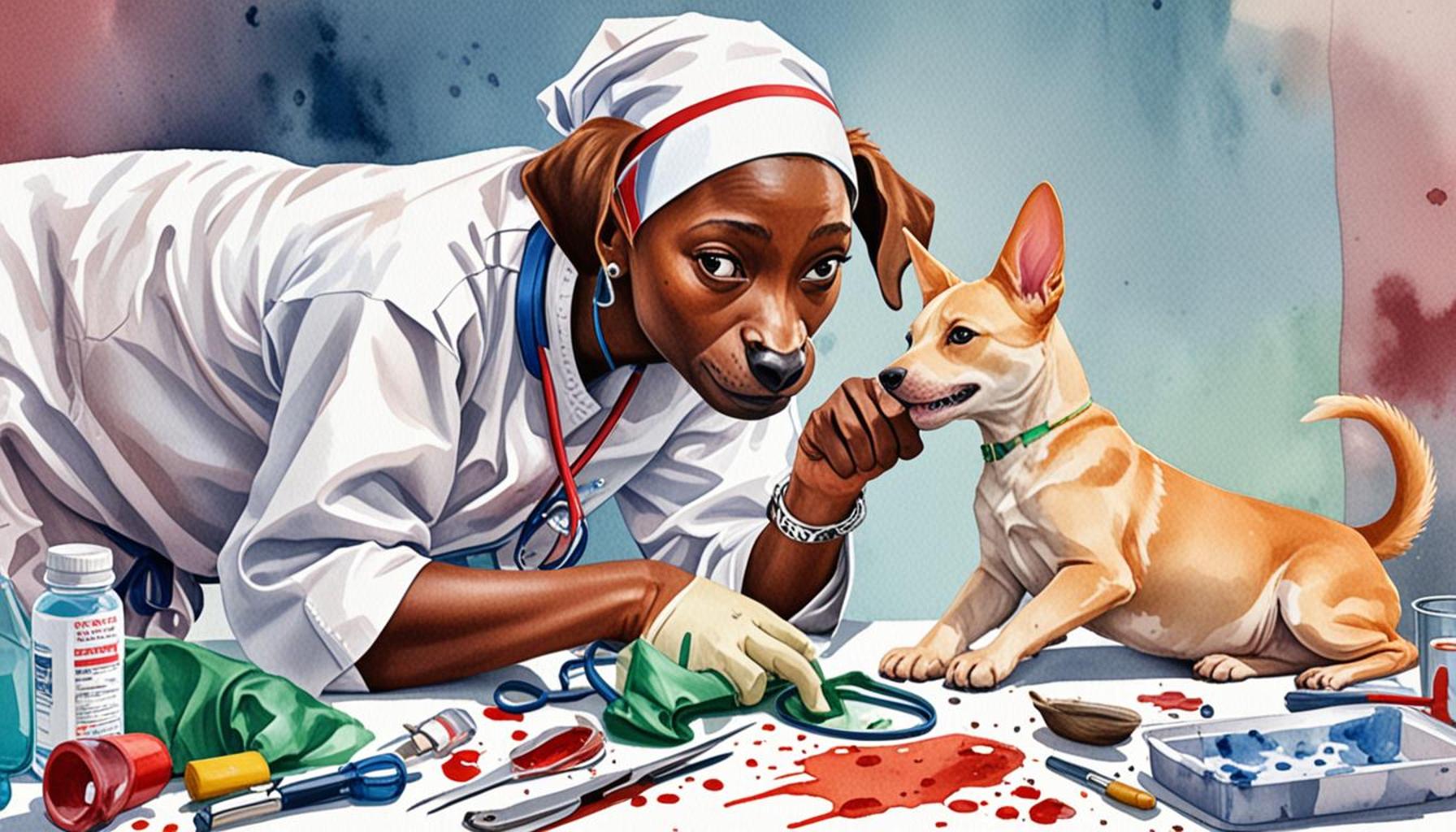
In Nigeria, the treatment and care of pets not only reflect individual preferences but also a complex mosaic of cultural influences, stemming from the diverse ethnolinguistic groups across the country. Pet ownership, which has been rising steadily in urban environments, showcases varying degrees of affection, responsibility, and dedication towards animals, all of which are significantly influenced by local customs, beliefs, and socioeconomic situations.
Key Influencing Factors:
- Traditions: Within Nigeria’s rich cultural diversity, different ethnic groups have distinct beliefs that shape their attitudes toward pets. For instance, among the Yoruba people, pets are often perceived through a communal lens where dogs may serve protective roles, and cats are cherished for their companionship and their ability to control pests. In some cultures, certain animals might even be associated with historical figures or deities, making their care a part of faith and tradition.
- Religious Beliefs: Religion plays a pivotal role in how pets are perceived and treated. In some Islamic communities, dogs are seen as impure, leading to a preference for other pets like cats, which are generally viewed with favor. On the other hand, Christians in Nigeria may celebrate animals as part of God’s creation, encouraging a more affectionate approach to pet care, often including blessings for their pets.
- Economic Factors: Economic variables dramatically impact pet care. In urban areas like Lagos, pet owners often have access to veterinary clinics, pet foods, and grooming services, allowing for modern and well-rounded pet care. Conversely, in rural regions, where resources may be scarce, pet care frequently hinges on local practices such as the feeding of scraps or showcasing the animals as livestock, which serves dual purposes of companionship and productivity.
Urban pet owners are embracing modernity through pet grooming parties, specialized pet boutiques, and integrated veterinary services, reflecting a shift towards treating pets more like family members. For example, in cities like Abuja, popular pet cafés have emerged, allowing owners to socialize their pets while enjoying a meal. Rural pet ownership, however, often reveals a more utilitarian approach, where dogs might primarily serve as working animals for herding or guarding, thus highlighting the substantial lifestyle disparities even within the same country.
This article seeks to explore these cultural variances in depth, illustrating how traditional beliefs, community practices, and economic conditions converge to influence the pet care landscape in Nigeria. By understanding these multifaceted elements, readers can gain an enriched perspective on the societal dynamics that impact pet ownership and care in the nation.
Exploring Traditional Practices and Contemporary Influences
Nigeria’s diverse cultures weave a rich tapestry that profoundly shapes how pets are regarded and cared for across the nation. This divergence in pet care practices can largely be traced back to a combination of local traditions, communal values, and the merging of contemporary influences. Understanding these cultural dynamics provides insight into the behaviors and responsibilities that Nigerian pet owners adopt.
Traditional Practices:
For many ethnic groups in Nigeria, pet care is intertwined with traditional beliefs and practices. For example, among the Hausa, dogs are largely valued as companions and guardians. It is common for families to keep them to protect their homes and livestock while also providing emotional companionship. These dogs are often treated with respect, receiving food and shelter, but their roles predominantly revolve around practicality. In contrast, the Ibo people may place more emphasis on the aesthetic and familial aspects of pet ownership, treating animals like dogs and cats as integral members of the household.
Moreover, certain animals carry ritualistic significance in specific communities. Many Yoruba households, for instance, may engage in cultural ceremonies that honor pets, particularly dogs, believed to possess protective qualities against malevolent spirits. Such reverence creates an environment where caring for pets goes beyond mere ownership—it becomes a matter of cultural significance.
Community Values and Collective Responsibility:
In rural areas, pet care practices often emphasize an interconnectedness that goes beyond the individual owner. Within tight-knit communities, animals are generally shared among households, with neighbors taking collective responsibility for their well-being. This traditional communal perspective fosters a deep-rooted sense of belonging and mutual support. A dog that is seen as a protector may not solely belong to one family; rather, its care becomes a shared responsibility, enhancing community bonds.
Modern Influences:
The advent of urbanization and globalization has introduced new trends in pet care among city dwellers. Pet owners in urban centers like Lagos often gravitate toward modern pet amenities, such as pet spas, specialty food boutiques, and even cafes designed for pet owners and their furry companions. This shift is fueling a growth in the pet care industry, leading to increased competition and innovation.
Furthermore, the rise of social media platforms has also had a notable impact on how pets are perceived and treated. Urban pet owners actively showcase their pets online, often participating in social media trends and challenges. This has driven an awareness of higher standards of pet care, pushing many to seek professional veterinary services or premium pet products, reflecting a transition towards viewing animals more as family members than mere possessions.
As traditional practices blend with modern influences, it becomes crucial to examine how these evolving dynamics shape not just individual pet ownership but also community norms and expectations surrounding responsible pet care across Nigeria.
The Informal Economy of Pet Care in Nigeria
In Nigeria, the intertwining of local culture and pet care occurs significantly within the informal economy. A vast majority of pet care services—ranging from grooming to veterinary care—are provided by street vendors and local artisans. This reflects a relationship based on trust and community, where pet owners seek recommendations from fellow pet parents in their neighborhoods. The local knowledge passed through generations influences how services are rendered, often based on cultural norms rather than standardized practices.
Traditional Beliefs and Practices
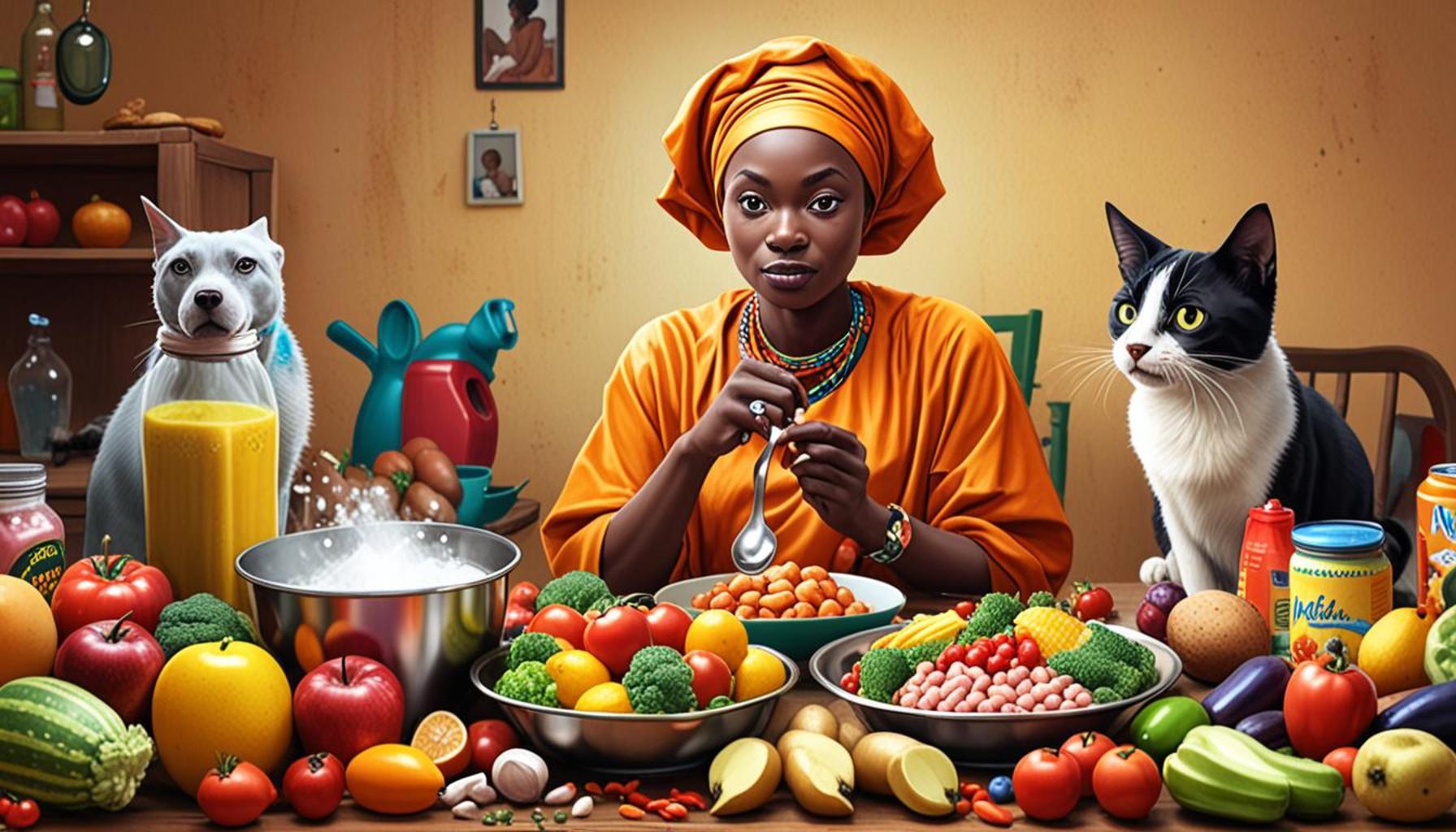
Cultural beliefs greatly shape the perception and treatment of pets in Nigeria. For instance, certain ethnic groups consider specific animals as sacred, which may limit how they view domestication and care practices. Such beliefs foster unique approaches to pet keeping, including specialized diets that align with cultural traditions. Pet owners may integrate local ingredients into pet food, believing that they are offering healthier choices based on ancestral wisdom. This commitment to sustaining local practices resonates strongly with the broader cultural narrative of valuing indigenous knowledge.
Influence of Urbanization on Pet Care
With rapid urbanization across Nigeria, pet ownership trends are evolving. In urban regions, the adoption of Western-style pet care services is becoming more prevalent, often sparking a blend of traditional and modern practices. Pet owners in urban settings are increasingly aware of the importance of preventive healthcare, which can lead to better quality of life for their pets. In contrast, rural areas may still rely heavily on traditional methods of care, which can vary significantly in effectiveness and accessibility.
The Role of Local Markets
Local markets play a crucial role in influencing pet care in Nigeria. They serve as vibrant hubs where pet supplies are purchased, from handcrafted collars to herbal remedies. These markets not only cater to pets’ physical needs but also reflect the cultural diversity within Nigeria. Local vendors often offer advice based on traditional practices, creating a unique shopping experience that connects pet owners to their community and cultural heritage. The dynamic interaction between local culture and pet care in Nigeria reveals not just how pets are cared for, but also the underlying values and beliefs of society. By understanding the local context, pet owners can make informed decisions that respect their cultural heritage while also embracing modern advancements in pet care.
| Cultural Influence | Impact on Pet Care |
|---|---|
| Traditional Practices | Local knowledge shapes food and care methods. |
| Community Trust | Pet services often rely on personal recommendations. |
As pet ownership continues to rise in Nigeria, understanding the cultural implications becomes essential for enhancing the overall well-being of pets in a diversified society.
Shifting Perceptions and Sustainable Practices
The intertwining of local culture and contemporary influences is evident in the evolving perceptions of pet care throughout Nigeria. As awareness of animal welfare grows, many Nigerians are reevaluating traditional understandings of pets, and this reformation is often reflected in the changes seen in pet ownership roles and responsibilities.
Changing Attitudes Towards Animal Welfare:
In recent years, there has been a significant shift in how pets are viewed in various Nigerian communities. Urbanization has introduced concepts such as animal rights and humane treatment, igniting discussions that were previously absent in traditional societies. Non-governmental organizations and community groups are becoming increasingly active in advocating for responsible pet ownership, emphasizing the importance of regular veterinary care, proper nutrition, and emotional well-being.
Educational campaigns and community programs have emerged, highlighting the benefits of spaying and neutering pets to manage the stray population. Reports indicate that cities with these initiatives observe a decrease in the number of abandoned animals, showcasing a growing understanding that responsible pet ownership can mitigate problems associated with ill-managed pet populations.
Integration of Local Knowledge:
Nigeria’s rich tapestry of cultural practices is beginning to see integration with modern pet care practices. Some traditional healing methods—often derived from plants known in local herbal medicine—are being re-evaluated for their efficacy in pet care. For instance, specific herbs traditionally used to treat common ailments in humans are being explored for veterinary applications. Such practices not only honor local traditions but also encourage sustainability and self-sufficiency in pet care.
According to a study published by the Nigerian Veterinary Medical Association, traditional knowledge combined with modern veterinary science provides a holistic approach to caring for animals. Many believe this harmonious blend respects cultural values while advancing the overall health of pets.
Emerging Pet Care Businesses
The blending of cultural values with modern practices has subsequently paved the way for the growth of niche markets within Nigeria’s animal care industry. From all-natural pet food brands to indigenous pet clothing lines, entrepreneurs are tapping into the local culture while catering to savvy pet owners who seek quality and ethical products for their furry companions. Specialty shops that sell locally sourced herbal remedies for common pet ailments are becoming increasingly popular, catering to consumers who value traditions.
Additionally, pet services such as grooming, daycare, and training centers are emerging, with some even incorporating cultural elements by providing services tailored to the specific needs and preferences of different ethnic groups. For instance, some training programs may include obedience techniques that acknowledge the dogs’ roles as guardians in certain cultures, whilst also focusing on socialization to accommodate urban living.
The impact of these changes underscores a growing awareness that looking after pets is not merely a personal responsibility but one intertwined with cultural identity and communal values. As Nigeria continues to modernize, the blend of traditional practices with contemporary approaches to pet care will undoubtedly shape the future of pet ownership, leading to a more compassionate outlook on animals within society.
Conclusion: The Future of Pet Care in Nigeria
The evolving landscape of pet care in Nigeria reveals a compelling narrative characterized by the harmonious blend of local culture and modern practices. As communities become increasingly engaged in discussions about animal welfare, there is a growing recognition that pets represent more than just companions—they embody values, traditions, and a sense of community responsibility. This shift is not merely a reaction to global ideas; it’s a testament to the resilience of local culture, redefining the roles and expectations surrounding pet ownership.
Through tailored educational campaigns and grassroots interventions, the dialogue surrounding responsible pet care continues to gain momentum. The integration of traditional knowledge—such as herbal remedies—into contemporary pet care underlines a significant trend: a dual commitment to sustainability and cultural preservation. As new businesses crop up to meet the diverse needs of pet owners, the pet care industry is witnessing an exciting transformation that respects Nigerian heritage while embracing modernity.
As local culture continues to influence pet care practices, it fosters a burgeoning community of informed pet owners who take pride in the well-being of their animals. This cultural evolution encourages a more compassionate approach to pets, aligning with the global shift towards greater awareness of animal rights. It is essential for stakeholders—whether individuals, businesses, or policymakers—to recognize the significance of these cultural dynamics in shaping a brighter future for pet care in Nigeria.
Ultimately, as observed in urban centers and rural villages alike, the impact of local culture on pet care will remain a pivotal force in nurturing a society that values the health, happiness, and ethical treatment of its animal companions. Nigeria stands at the forefront of this transformation, poised to redefine the relationship between humans and pets in a way that reflects both cultural heritage and contemporary values.