The evolution of pet diets in Nigeria: traditions and innovations
Understanding the Shift in Pet Diets
Over the years, pet diets in Nigeria have undergone a remarkable transformation. From traditional meals to modern innovations, the way we nourish our beloved companions reflects broader shifts in society, culture, and economy. This evolution marks a significant shift not just in what pets consume, but also in how pet owners view their role in ensuring the health and happiness of their animals.
Key Influences on Pet Diets
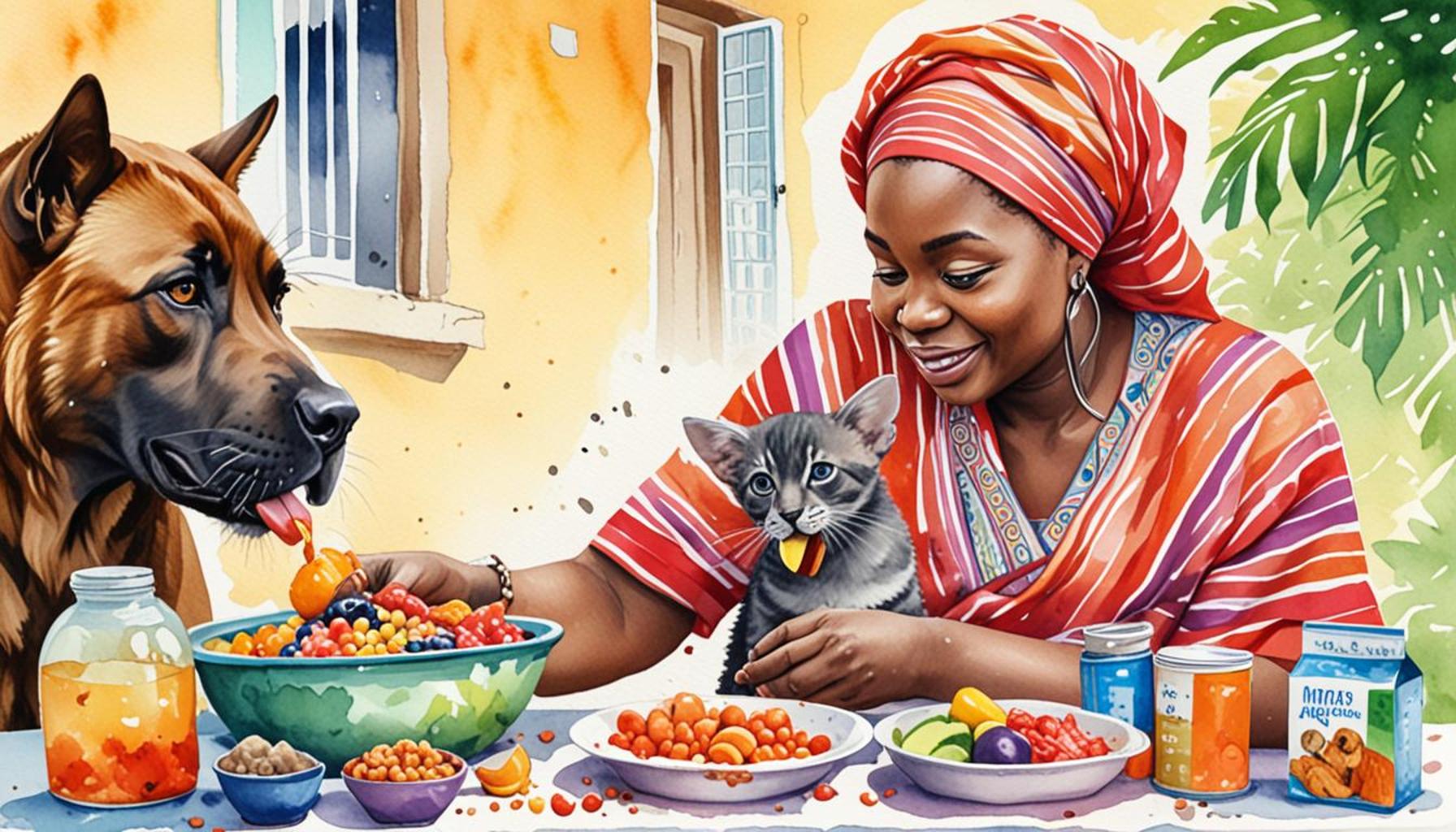
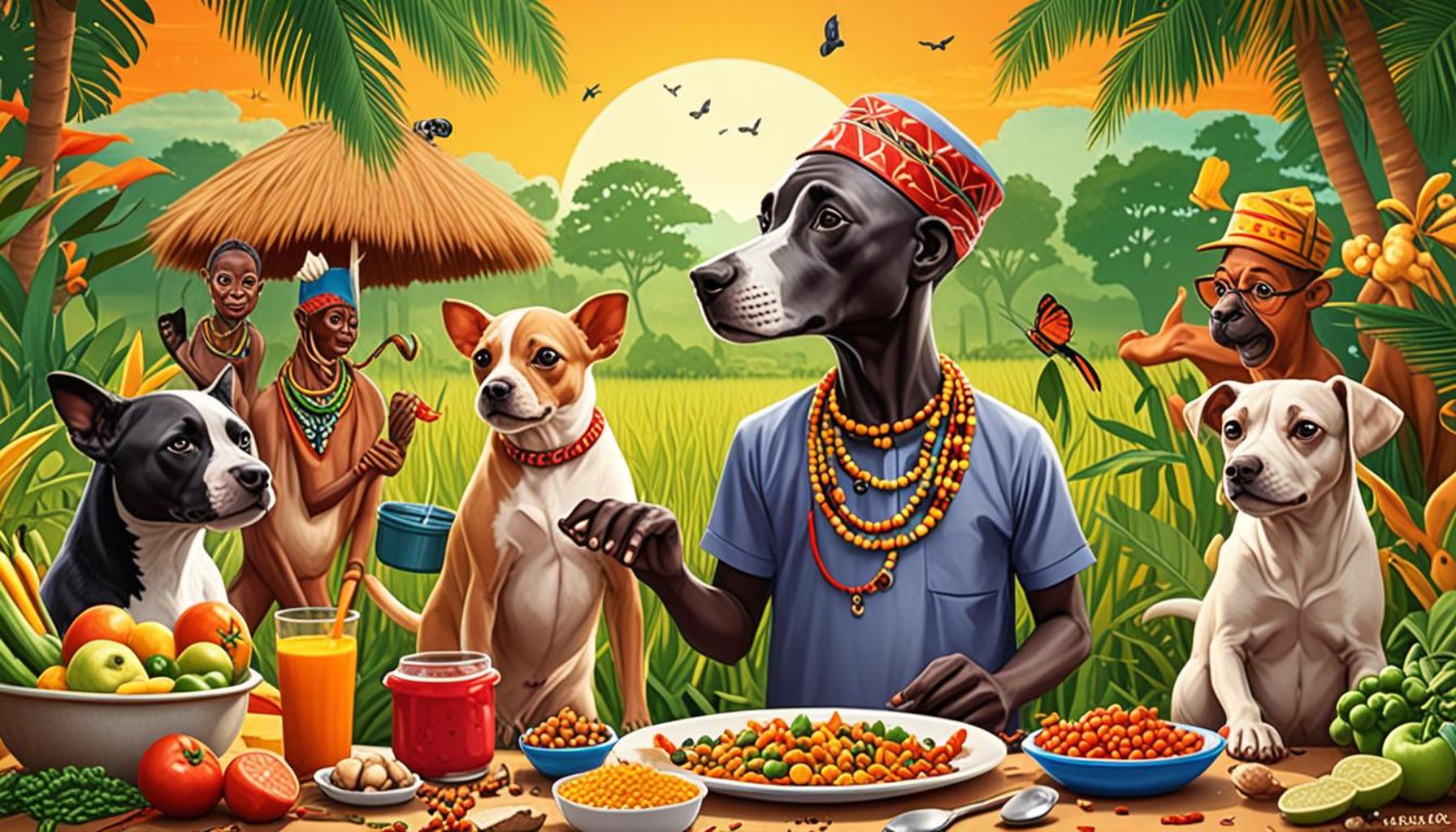
- Traditional Practices: Historically, Nigerian pets were often fed leftover human food, including rice, beans, assorted meats, and starchy tubers like yam and cassava. This approach stemmed mainly from resourcefulness, with families ensuring that no food went to waste. While these meals were suitable for many animals, they often lacked the essential nutrients that promote optimal health.
- Globalization: The influx of international pet food brands has introduced new formulations and dietary guidelines into the Nigerian market. Brands such as Royal Canin, Pedigree, and Hills have made a significant impact, offering a variety of dry and wet food options that cater to different life stages and health needs. This has not only diversified choices but has also educated pet owners on the nutritional needs of their pets.
- Health Awareness: Increasing awareness around pet health has led owners to seek balanced and nutritious diets. Social media campaigns and veterinary advice have highlighted the dangers of poor nutrition, prompting owners to become more discerning about what they feed their pets. This has resulted in a growing trend where pet owners regularly consult with veterinarians to ensure their animals’ dietary requirements are met.
This evolution highlights a growing interest in pet wellness and responsible ownership. As the market diversifies, pet owners are now exploring various types of food, emphasizing nutrition and quality.
Notable Trends in Pet Nutrition
- Raw Diets: Some owners opt for raw feeding, believing it better mimics a pet’s natural eating habits. Advocates claim that a raw diet can lead to improved coats, fewer health issues, and healthier weight management. This has led to niche suppliers emerging in urban areas, providing raw meats, offals, and even supplements for this diet.
- Natural Ingredients: Many pet owners are turning to locally sourced, organic ingredients, moving away from synthetic additives. There is a noticeable trend towards creating homemade pet food, which allows owners to control ingredients fully and ensure no harmful substances are included. Local markets and farmers are responding to this demand by providing fresh produce that meets these requirements.
- Custom Diets: Tailored meal plans for individual pets based on their dietary needs are becoming increasingly popular. Pet owners are now investing time and resources into understanding their pets’ specific health concerns, such as allergies or weight issues, leading to a rise in bespoke food options offered by some local and online businesses.
This article delves deeper into the traditions that shaped these practices and the innovations redefining them, offering insights into what the future might hold for pet nutrition in Nigeria. As pet ownership continues to evolve, the emphasis on a holistic approach to pet care may well redefine the bonds shared between pets and their owners.
The Changing Landscape of Pet Nutrition
The evolution of pet diets in Nigeria is a fascinating interplay of age-old traditions and modern innovations that mirror the country’s rapid development. With a rich history of local food practices and a growing global influence, pet owners in Nigeria are increasingly aware of the importance of providing nutritious diets for their beloved animals. The journey from simple, home-cooked meals to commercially available pet foods illustrates a significant shift in perceptions about animal care and nutrition.
Cultural Heritage and Pet Feeding Practices
- Food Utilization: Traditionally, pets in Nigerian households were often fed whatever was left over from family meals. This included meals like efo riro (vegetable soup) with some leftover pieces of meat or fish, or grains like jollof rice and akara (bean cakes). Such practices were not only a testament to the resourcefulness of Nigerian families but also highlighted a communal spirit where no food went to waste.
- Regional Variations: Different regions in Nigeria brought unique feeding habits influenced by local customs and available resources. In rural areas, for example, dogs and cats might share meals with farm animals, feasting on grains, vegetables, and scraps. In contrast, urban pet owners began adopting more streamlined feeding practices influenced by exposure to global trends.
- Shift Towards Recognition: As time progressed, the perception of pets began to evolve from that of mere companions or guard animals to cherished family members deserving of better care and nutrition. This shift has given rise to a more serious understanding of pet diets and health.
The combination of these traditional practices and the increasing acceptance of modern pet care has opened the door for various dietary options. Pet owners are now engaging with the concept of pet wellness, often translated into their choice of diets that extend beyond mere sustenance.
The Rise of Commercial Pet Foods
The introduction of international pet food brands to Nigeria marks a pivotal moment in the evolution of pet diets. These companies have raised awareness about maintaining balanced nutrition, leading to an explosion in the variety of pet food products on the market. Pets can now enjoy a range of specially formulated dry and wet foods tailored to different dietary needs, such as:
- Age Specifications: Foods designed specifically for puppies, adult dogs, and senior pets, ensuring they receive the right nutrients at different life stages.
- Health Considerations: Options that cater to pets with specific health issues like obesity, kidney disease, or food allergies are becoming more prevalent, with brands producing veterinary diets that target these problems effectively.
- Flavor Varieties: The prominence of various protein sources, including chicken, beef, and fish, accommodates the preferences and palates of pets making them more enticing for animal consumption.
This newfound variety influences pet owners’ decisions; many are no longer content with single-brand choices but are exploring multiple options that contribute to their pets’ overall health and vitality. As the market continues to expand, some local ventures are beginning to craft their unique dog and cat foods, blending tradition with modern nutritional science.
The future of pet diets in Nigeria promises to blend respect for tradition with innovative practices that prioritize the health and well-being of pets, forging deeper bonds between owners and their furry companions.
The Evolution of Pet Diets in Nigeria: Traditions and Innovations
As pet ownership continues to rise in Nigeria, so too does the complexity of pet diets, merging traditional practices with modern nutritional science. The transition from traditional feeding practices to innovative dietary approaches reflects a growing recognition of the importance of balanced nutrition for pets’ health and well-being.
In the past, Nigerian pet diets predominantly relied on local foods—often leftovers from human meals—such as rice, beans, and assorted meats, tailored to fit cultural norms and availability. However, as awareness of animal nutrition has increased, many pet owners are incorporating specialized pet food brands that cater to specific dietary needs. This shift is driven by a desire to enhance the overall health of pets, especially in the face of common health issues.
The introduction of commercial pet food brands has revolutionized the market, offering a wide array of options designed for various breeds, ages, and health conditions. The partnerships between local manufacturers and international brands are further enhancing the variety available to consumers, catering to diverse tastes and financial capacities.
Among these innovative approaches is the blend of functional ingredients in diets, targeting issues such as obesity and allergies. Enhanced pet foods now feature protein-rich formulations, supplemented with vitamins and minerals to promote vitality. Pet owners are becoming more vigilant, seeking products that provide transparency about sourcing and production methods, and adhering to global standards.
The evolution does not just stop at the type of food offered but extends to the way it is consumed. For instance, many pet owners are adopting feeding schedules and behavior modification techniques, emphasizing the relationship between food and education for their furry companions. This educational shift promotes proper portion control and the importance of routine, transforming mealtime into a more engaging experience.
Ultimately, the evolution of pet diets in Nigeria represents a fascinating blend of tradition and innovation. As society continues to evolve, so too will the understanding and acceptance of diverse dietary options available for our beloved pets.
| Category | Description |
|---|---|
| Traditional Diets | Often based on local foods and leftovers from meals. |
| Commercial Pet Foods | Widely available options designed for various breeds and dietary needs. |
| Nutritional Innovations | Enhanced recipes focusing on balanced nutrition and health benefits. |
The Role of Education and Awareness in Pet Dietary Choices
As awareness about pet nutrition increases, pet owners in Nigeria are becoming more informed about the implications of their pets’ diets. A variety of seminars, workshops, and informational campaigns conducted by veterinary clinics and pet food companies are not only targeting pet owners but also influencing the next generation of pet lovers. Educational initiatives emphasize the importance of balanced nutrition, discussing the nutritional deficiencies found in homemade diets that may lack essential vitamins and minerals needed for optimal health.
The rise of social media platforms has further amplified this movement, with numerous online communities dedicated to sharing information about pet care and nutrition. Influential pet bloggers and veterinarians are using these platforms to debunk myths about pet feeding—such as the belief that dogs can exclusively thrive on a carbohydrate-heavy diet without any protein—that have long circulated in Nigerian culture. This democratization of knowledge is transforming how pet owners approach their animals’ diets, inspiring many to choose scientifically formulated foods over traditional remnants.
Innovations in Local Pet Food Production
Amidst the growing market for imported pet foods, local entrepreneurs have begun to carve out their niche in the pet food industry by blending indigenous ingredients with contemporary nutritional science. Local businesses are emerging that prioritize organic and sustainably sourced materials, reflecting a wider global trend toward eco-friendly products. Innovations include:
- Homemade Pet Food Kits: Some Nigerian companies are offering DIY meal kits that allow pet owners to prepare fresh, balanced meals at home. These kits include pre-measured ingredients and recipes tailored to meet specific dietary needs while incorporating local flavors and ingredients, such as yam or cassava.
- Vegetarian and Vegan Options: As dietary preferences become more diverse, some local brands have begun to produce complete vegetarian and vegan pet foods made from plant-based proteins and nutritious vegetables, catering to pet owners who follow similar diets themselves.
- Functional Treats: Recognizing the Nigerian penchant for treating pets like family, manufacturers are now producing nutraceuticals—functional treats fortified with health-enhancing properties such as joint support or skin and coat improvement. By emphasizing the health benefits wrapped in flavors that pets love, these products bridge the gap between traditional feeding habits and nutritional science.
The Influence of Global Trends and Standards
Global trends in pet nutrition are also setting benchmarks for standards in Nigeria. Local manufacturers are not just aiming for market share; they are increasingly looking to meet international safety and quality standards. This transformation is driven by a demand for transparency in pet food labeling, which is fostering consumer trust. Pet owners are now engaging with brands that provide clear ingredient lists and nutritional breakdowns, aligning their choices with the practices observed in more developed markets.
The push for transparency extends beyond brands; it also includes regulatory bodies who are beginning to impose stricter guidelines around pet food production, ensuring that local producers uphold quality and safety. This progress aligns pet dietary practices in Nigeria with global standards, allowing pet owners to enjoy the peace of mind that their companions are receiving safe, nutritious meals.
To encapsulate, the dynamic evolution of pet diets in Nigeria is firmly rooted in the intersection of tradition and innovation, a narrative that enriches the growing community of pet lovers. As the awareness of pet nutrition blossoms, it feeds a vibrant ecosystem of local businesses and educational efforts poised to contribute to the well-being of pets in households across the nation.
Conclusion: Bridging the Gap Between Tradition and Modernity
The journey of pet diets in Nigeria unfolds a rich tapestry woven with both deep-rooted traditions and innovative advancements. As pet ownership expands in urban and rural landscapes alike, there is a palpable shift toward understanding and prioritizing pet nutrition. Educational outreach has played a pivotal role, empowering pet owners to recognize the importance of scientifically formulated diets over traditional practices that may not meet their pets’ nutritional needs.
Local enterprises that blend indigenous ingredients with modern dietary science are redefining the landscape of pet food. Initiatives such as homemade pet food kits and the introduction of vegetarian options highlight an exciting response to the diverse culinary preferences of Nigerian families, all while enhancing pet health. Moreover, the increasing pressure to meet global quality standards reinforces the commitment to safety and nutritional integrity in pet food production.
As the lines between tradition and innovation continue to blur, one thing remains clear: the Nigerian pet owner is more informed and engaged than ever. The integration of local practices with global trends not only celebrates Nigeria’s rich culinary heritage but also champions the health and well-being of pets. Moving forward, the ongoing dialogue around pet diets fosters a community that values animal welfare and nurtures the bond between pets and their owners, ensuring a promising future for our furry companions.