Navigating Nutrition Labels: Making Informed Choices at the Grocery Store
Deciphering the Intricacies of Nutrition Labels
Every trip to the grocery store presents a unique challenge: deciphering nutrition labels. These labels are not just mundane guidelines; they offer a wealth of information that can help you make healthier choices. However, many shoppers overlook critical elements that can significantly impact their diet. Understanding these labels can empower you to take charge of your nutritional intake, making informed choices that align with your health objectives.
- Why it matters: In a world brimming with food options, making informed decisions is crucial for maintaining a balanced diet. Research shows that individuals who understand nutrition labels tend to have healthier eating habits, which can lead to better overall health outcomes.
- What to look for: It’s vital to focus on key components such as serving size, calories, and nutrient breakdown. This information can help you determine if a product fits into your diet, especially if you’re following specific dietary guidelines.
- Common pitfalls: Many marketing claims, such as “low-fat” or “sugar-free,” can distract from the actual nutritional content. Such labels can be misleading; a product advertised as ‘fat-free’ may contain high levels of sugar or sodium.
Understanding nutrition facts allows you to align your grocery choices with your health goals—whether you’re trying to lose weight, maintain energy levels throughout the day, or manage dietary conditions such as hypertension. Familiarizing yourself with these labels is a significant step toward improving your overall health.
- Check serving sizes: Many packaged foods contain multiple servings, leading to unintentional overeating. Always check if the serving size aligns with your usual consumption to accurately gauge calorie and nutrient intake.
- Distinguish between sugars: Pay attention to added sugars versus natural sugars found in fruits. Aim to limit foods high in added sugars, as they can contribute to weight gain and various health issues.
- Caution with servings: Products that list multiple servings per package can create an illusion of lower calorie counts. This misrepresentation can lead to a false sense of security regarding your dietary choices.
In this article, we will guide you through the essentials of navigating nutrition labels. Armed with knowledge about food contents, you’ll not only feel more confident in your choices but also encourage healthier eating habits within your household. Understanding what goes into your food supports a proactive approach to nutrition, cutting through the noise created by flashy advertising. Let’s delve deeper and unlock the secrets hidden on those seemingly complicated labels.
By decoding nutrition labels, you position yourself as an informed consumer, equipped to make choices that support your personal health and wellness journey. Remember, every small step towards understanding what you eat contributes to a much larger impact on your overall well-being.
Understanding the Components of Nutrition Labels
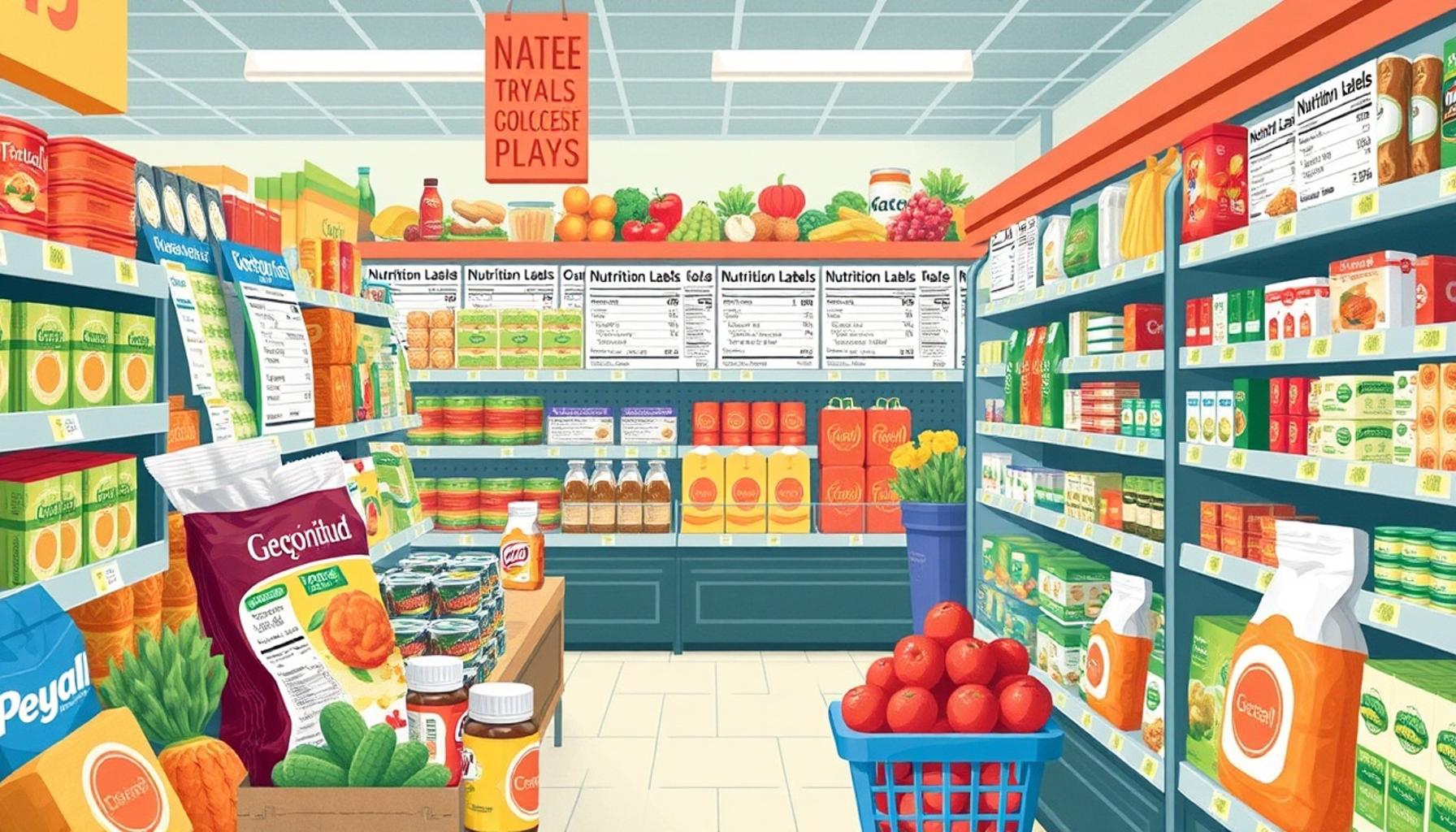
As you stroll through your local grocery store, you may find yourself faced with an overwhelming array of products, each adorned with distinct nutrition labels. These labels are essential tools, offering a snapshot of what’s packed inside each package. To truly harness the power of nutrition labeling, you need to understand the various parts that comprise the label. This knowledge can further guide you in making informed choices that cater to your personal health goals.
Key Elements of Nutrition Labels
To navigate nutrition labels effectively, it’s crucial to focus on several key elements that are typically found on the back or side of food packaging:
- Serving Size: This section indicates the recommended portion of the food item. Many people underestimate their portions, which can lead to consuming more calories and nutrients than intended. Always check if the serving size matches what you usually eat.
- Calories: The number of calories per serving lets you gauge how the food fits into your daily caloric needs. It’s vital to become aware of how many calories you’re actually consuming, especially if weight management is one of your goals.
- Nutrient Breakdown: This section outlines the amounts of vital nutrients, including fats, carbohydrates, proteins, vitamins, and minerals. It’s essential to balance these nutrients according to your specific dietary needs. Aim for foods rich in fiber and low in saturated fat and added sugars.
- Daily Values (DV): This figure shows how a particular nutrient in a serving of food fits into a daily diet, based on a 2,000-calorie daily intake. This can help you gauge whether you’re getting too much or too little of essential nutrients.
Deconstructing Misleading Claims
While nutrition labels provide valuable information, it’s essential to recognize that marketing claims can often muddle the waters. Terms like “natural” or “light” can be tempting but may not reflect the true nutritional quality of a product. For instance, a food labeled “natural” isn’t necessarily healthy, nor does it guarantee it’s free from additives or preservatives. Similarly, “light” products often contain high levels of sugar or artificial sweeteners to compensate for reduced fat content.
By scrutinizing both the nutrition facts and the ingredient list, you can decode the intention behind marketing gimmicks. This deeper understanding will pave the way for choices that align more closely with your health aspirations.
In an era of health-conscious living, knowing how to interpret and evaluate products based on their nutrition labels equips you with the power to make choices that support your well-being. Engaging with this information not only enhances your grocery shopping experience but also fosters a lifestyle that prioritizes nutrition.
Navigating Nutrition Labels: Making Informed Choices at the Grocery Store
Understanding nutrition labels is essential for making informed choices about the food we consume. With an increase in health consciousness among consumers, it is vital to learn how to interpret these labels effectively. Whether you’re aiming to lose weight, manage a health condition, or simply eat healthier, knowing how to navigate this information can drastically improve your grocery shopping habits.
| Category | Details |
|---|---|
| Serving Size | Critical for understanding the quantity of calories and nutrients you are consuming per serving. |
| Nutritional Information | Includes details on calories, fats, sugars, proteins, and vitamins. A clearer picture of each item’s health impact. |
| Ingredients List | Offers insight into what the product contains, helping you avoid unwanted additives or allergens. |
| Daily Value Percentages | Helps measure how a food fits into a daily diet. A quick glance can show if a food is high or low in specific nutrients. |
The importance of these elements cannot be underestimated. Understanding how to interpret these labels can significantly impact your family’s nutrition, help you save money by choosing healthier options, and foster a conscious approach to food purchasing.
As you delve deeper into the world of nutrition labels, you’ll discover that not all products are created equal. Many items can be misleading—merely promoted as “healthy” due to catchy packaging or marketing gimmicks. This is where education plays a vital role in enhancing your shopping experience, empowering you to make the healthiest and most budget-friendly choices while at the grocery store.
By focusing on key aspects of nutrition labels and becoming more familiar with food packaging, you will undoubtedly gain the confidence needed to navigate through the grocery aisles effectively. Stay tuned for more insights and tips on making informed food choices!
Deciphering Ingredients: From Whole Foods to Additives
As you scan through your grocery list and reach for items with enticing nutrition labels, it’s paramount to delve deeper into the ingredient list on the packaging. The ingredient list is often overlooked yet holds the key to understanding what you’re truly consuming. Ingredients are listed in descending order by weight, which means the first few items make up the bulk of what you’re eating. If a product lists sugar as one of the first three ingredients, consider how that aligns with your health goals, especially for those who are monitoring their sugar intake.
The Importance of Whole Ingredients
When navigating nutrition labels, aim to choose products with recognizable and whole ingredients. Foods with minimal processing tend to be more nutrient-rich and beneficial for your health. For instance, a jar of marinara sauce with ingredients like tomatoes, olive oil, garlic, and herbs indicates a wholesome product. In contrast, opt for those with fewer additives, preservatives, or chemical-sounding ingredients. Items such as high fructose corn syrup and artificial colors raise red flags for health-conscious shoppers.
Trans Fats and Sodium: Beware of Hidden Hazards
Another aspect that merits close attention on nutrition labels is fat and sodium content. The FDA mandates that trans fats be clearly listed, yet some products may still contain these unhealthy fats as “partially hydrogenated oils” in the ingredient list. Trans fats are known to increase bad cholesterol levels which can lead to heart disease, making it crucial to avoid them altogether.
Sodium is another common suspect; high levels can lead to elevated blood pressure and other cardiovascular issues. Pay attention to the %DV of sodium on the label, especially for processed foods, which can be deceptively high. An item that lists 20% of your daily sodium intake in one serving can add up quickly, particularly if you consume multiple servings.
Making Comparisons for Better Choices
With an abundance of similar products lining the shelves, learning how to compare nutrition labels can serve as a game-changer. Selecting between two brands of granola bars? Don’t just glance at the front of the box; let the nutrition fact panel be your guide. Look beyond just calories; compare aspects like fiber content and added sugars. This methodical approach infuses mindfulness into your shopping experience, allowing you to opt for products that truly serve your dietary needs.
Understanding Health Claims
While health claims such as “low-fat,” “high in fiber,” or “gluten-free” might lure you in, a closer inspection is warranted. These labels are regulated but can still be misleading. For example, a product labeled “low-fat” may compensate for the reduced fat with sugars or artificial flavorings. Alternatively, a cereal labeled as “high in fiber” might still be laden with added sugars. By cross-referencing these claims with the actual nutrition facts and ingredient list, you can separate fact from marketing hype.
The Role of Personal Goals in Label Navigation
Ultimately, your unique health objectives should guide your interpretation of nutrition labels. Whether you’re focused on weight loss, managing specific health conditions, or simply trying to eat healthier, a savvy understanding of nutrition labels can empower you to make choices that align with your goals. Consider keeping a food diary or using a nutrition app to track how your grocery selections impact your overall health.
As you continue your journey toward healthier eating, remember that the power of informed decisions begins at the grocery store. The ability to skillfully navigate nutrition labels equips you with the knowledge to enhance your dietary choices and supports your overall well-being.
Conclusion: Empowering Your Grocery Choices
Navigating nutrition labels is an essential skill in today’s food landscape, where choices abound and health considerations are paramount. By understanding nutrition facts and ingredient lists, you place yourself in a commanding position to make informed choices that align with your dietary goals. The insights gleaned from examining labels—such as the significance of whole ingredients, the risks associated with trans fats and sodium, and the potential misleading nature of health claims—can drastically alter your purchasing habits for the better.
The conversations you start at the grocery store can ripple through your family meals and ultimately influence your health outcomes. As you refine your label-reading prowess, you cultivate a more mindful approach to food consumption, contributing to improved well-being and lifestyle satisfaction. Remember, making comparisons among similar products allows for better decisions, spotlighting options rich in nutrients and devoid of unnecessary additives.
With the average American spending a significant amount of time in grocery aisles each week, let labels be your allies in choosing wisely. Challenge yourself to question marketing claims, investigate ingredient origins, and prioritize transparency over convenience. For deeper understanding, consider utilizing resources tailored to your specific health interests, concomitantly supporting your journey toward optimal health. By committing to the practice of examining nutrition labels, you empower yourself to transform your shopping experience into an essential cornerstone of your health strategy.
In essence, knowledge is power. Equip yourself with the tools to navigate nutrition labels effectively, and take charge of your health—one aisle at a time.