The Influence of Social Media on Personal Care Routines: New Trends and Challenges

Impact of Social Media on Personal Care Routines
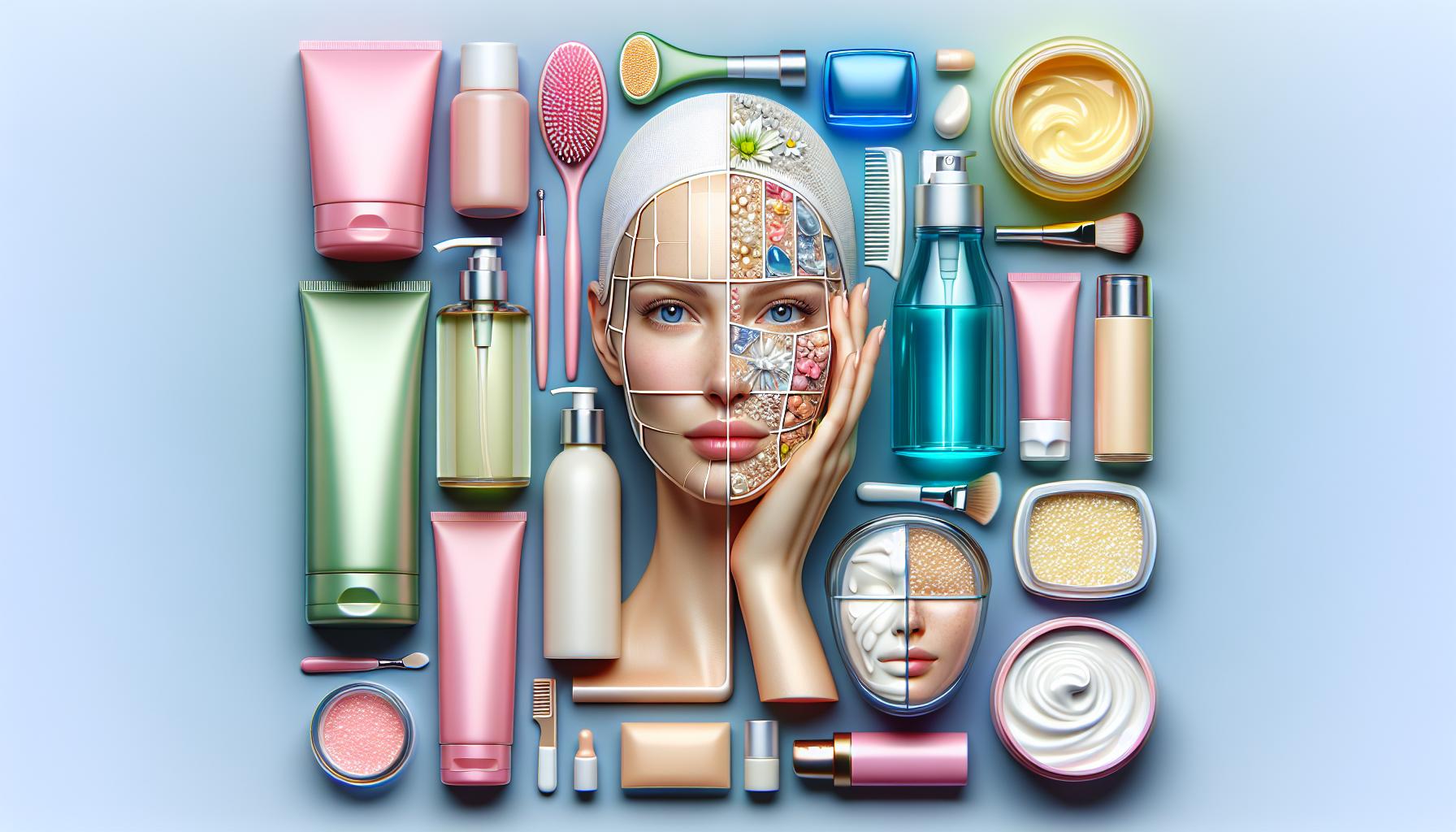
In today’s digital age, social media has profoundly transformed the landscape of personal care routines, driving changes in how individuals engage with beauty and skincare. Platforms like Instagram, TikTok, and Pinterest serve not only as sources of inspiration but also as powerful marketing tools where influencers and brands can connect directly with consumers. This shift has given rise to a plethora of trends and challenges that merit deeper exploration.
Product Discovery has been notably revolutionized by social media. Influencers with huge followings often share their personal recommendations and beauty hacks, making certain products go viral almost overnight. For instance, a single TikTok video demonstrating the effectiveness of a specific skincare serum can send its sales skyrocketing, leaving shelves bare in popular retailers. According to a 2022 survey by Statista, 49% of social media users aged 18-34 in the U.S. reported discovering beauty products through influencer endorsements. This trend not only fuels demand but also creates an environment where being “in the know” about the latest products is seen as a status symbol.
Another area significantly influenced is Community Engagement. Online platforms have cultivated spaces where users can form connections based on shared interests in beauty and wellness. For example, groups devoted to skincare routines or eco-friendly beauty products have emerged, creating supportive environments for discussions around product efficacy, skin concerns, and more. This communal aspect promotes not just products but also knowledge exchange, helping users navigate complex skincare regimens.
Additionally, the role of Visual Inspiration cannot be understated. Beauty tutorials, transformation videos, and striking before-and-after photos dominate feeds, setting high standards for personal care routines. These visuals often dictate trends, such as the rise of “glass skin” or the popularity of the “10-step Korean skincare routine.” While these trends can inspire creativity and experimentation, they can also create unrealistic expectations regarding personal grooming.
However, amidst these innovations, the influence of social media does present certain challenges. Overconsumption is a significant issue, with consumers often feeling pressured to try every new product, leading to wasted resources and cluttered bathrooms. The constant barrage of idealized images can also contribute to Self-esteem Issues, as many struggle with comparisons against seemingly flawless influencers. Finally, Information Overload leaves many consumers confused, with a dizzying array of options that may not always deliver the promised results.
As we navigate this ever-evolving dynamic shaped by social media, it becomes essential to approach personal care routines with awareness and discernment. By critically evaluating trends, fostering genuine community engagement, and prioritizing mental wellness, individuals can create a personal care routine that not only makes them feel good but is also aligned with their authentic self.
DIVE DEEPER: Click here to uncover the latest trends
Trends Shaping the Future of Personal Care
The influence of social media on personal care routines has ushered in a wave of new trends that reshape both consumer behaviors and the beauty industry landscape. One of the most notable trends is the increasing emphasis on skincare minimalism. As content about rigorous multi-step routines floods platforms, a counter-movement is emerging, promoting simpler regimes with fewer products. This trend can be traced back to various influencers advocating for the “less is more” approach to skincare. With the growing realization that over-complication can be overwhelming and counterproductive, individuals are increasingly looking for effective, straightforward options. A survey conducted by the NPD Group indicated that 37% of skincare users in the U.S. are adopting minimalist approaches, illustrating the shift in consumer mentality.
Alongside this, there’s a surge in demand for sustainability in beauty products. Social media has made it easier for consumers to access information about the environmental impact of their purchases. Brands that prioritize eco-friendly packaging and ethically sourced ingredients are gaining traction. This conscious consumerism is reflected in rising sales for brands like Fenty Beauty and The Ordinary, which utilize transparency in their marketing to create trust and authenticity with their audience. Social media plays a pivotal role in this trend as users frequently share their findings, creating a ripple effect throughout their networks.
Moreover, the emergence of DIY beauty content is transforming how consumers approach personal care. Platforms like TikTok have popularized videos showing users creating their own masks, scrubs, and treatments, often using ingredients found in their own kitchens. This trend not only fosters creativity but also enhances the notion of self-sufficiency, encouraging individuals to take charge of their skincare routines. However, experts warn that not all DIY methods are safe or effective. As with any beauty trend, consumers must carefully evaluate the science behind their practices to avoid potential adverse effects.
Social media also encourages inclusive beauty standards, promoting diversity across different skin types, tones, and ages. Campaigns celebrating natural beauty and self-acceptance resonate deeply with users, challenge traditional norms, and help in redefining what beauty looks like. The public adoration of campaigns like “The Black & Glow” celebrates melanin-rich skin, urging companies to broaden their product lines and cater to underrepresented groups. An analysis by McKinsey & Company revealed that brands embracing diversity in their marketing efforts see higher levels of engagement, indicating that consumers appreciate representation.
While these trends stimulate excitement and innovation, they also introduce a layer of complexity. As users navigate through endless beauty tips, it can be challenging to discern what aligns with their personal skin needs. The question becomes not just about what products are popular, but rather which ones are right for the individual, highlighting the importance of tailored routines built on personal understanding.
In summary, social media continues to redefine personal care routines through various trends. There are both opportunities and challenges to be addressed, as individuals strive to curate routines that resonate with their personal health and well-being. Understanding these dynamics is essential for any individual looking to navigate the evolving world of beauty and skincare.
As social media platforms continuously evolve, they profoundly influence personal care routines in various ways. Users are inundated with a plethora of content ranging from beauty hacks to wellness trends, with influencers often at the forefront. This domination of curated lifestyle content promotes a culture where individuals feel compelled to adopt certain trends that are often unattainable or impractical. The influence of social media is particularly strong among younger demographics, including Gen Z and Millennials, who are avid consumers of visual content on platforms like Instagram and TikTok.One notable trend emerging from this influence is the rise of “self-care routines” showcased online, where influencers share their personal care rituals encompassing skincare, makeup, and haircare. For many followers, witnessing these routines can inspire them to explore new products or techniques. However, the challenge is that such routines can often lead to product overload or *FOMO (fear of missing out)*, compelling individuals to purchase products that may not be suitable for their unique needs.Moreover, the impact of social media on personal care extends to mental health discussions, with platforms emphasizing the importance of mental well-being alongside physical appearance. Campaigns promoting body positivity and mental health awareness are gaining traction, shifting the narrative from purely aesthetic outcomes to holistic approaches to personal care. However, whilst these conversations are vital, they can also create disparities in how individuals perceive their self-worth based on what they see online.Additionally, the emergence of beauty filters and photo editing has transformed societal standards of beauty. Individuals may find themselves longing for an idealized version of beauty that exists solely in curated social media feeds. This creates an ongoing challenge as consumers navigate the contrast between online perceptions and their realities.Social media’s role is indeed a double-edged sword. It empowers users to connect with a broader community while simultaneously presenting new challenges that they must learn to negotiate. Balancing the allure of online trends with authenticity in personal care remains a significant concern in today’s digital landscape.
Dive Deeper: Click here to learn more about the future of beauty treatments</a
Challenges Faced in Navigating the Social Media Landscape
While the trends promoted by social media offer exciting possibilities for personal care routines, they also introduce significant challenges that consumers must navigate. One of the most pressing issues is the prevalence of misinformation. Platforms such as Instagram and TikTok are flooded with beauty hacks and skincare solutions, not all of which are scientifically sound. This unfiltered flow of information can easily mislead users, particularly those who are new to skincare or seeking solutions for specific skin issues. For instance, viral videos claiming that certain household staples can “cure” acne often lack credible evidence, leading to potentially detrimental choices without professional guidance.
The rapid spread of such content can also stir up a sense of FOMO (Fear of Missing Out), compelling consumers to rush into adopting fads without fully considering their individual complexities. As individuals spot the latest trending product or DIY beauty technique, they may feel pressured to try it, regardless of how suitable it is for their unique skin type or lifestyle. This trend-driven mentality can lead to product overload, ultimately causing confusion over what truly benefits their skin, steering them away from what may genuinely work for them.
Moreover, forms of “social proof,” such as influencers showcasing their skincare rituals, can create an illusion of efficacy. Consumers may assume that if a product worked for a popular online figure, it will also work for them, despite varying skin types and conditions. An example of this is the explosion of popularity of certain foundations, which are endorsed by social media influencers yet may not cater to all skin tones and types. This situation poses a challenge: how can one find reliable recommendations in a market saturated with sponsored posts and influencer marketing?
Another notable obstacle is the rise of comparison culture, exacerbated by social media highlight reels. As users scroll through feeds filled with seemingly flawless skin and lifestyle choices, they often grapple with unrealistic beauty standards. This can lead to feelings of inadequacy and negatively impact mental health as individuals strive to align their routines with curated online personas. In turn, this can manifest as anxiety over one’s skincare routine, with the pressure to continuously innovate and keep up with the latest trends affecting their well-being.
The financial implications of social media trends present another layer of complexity. With the demand for the latest beauty products driven by social media insights, consumers often find themselves spending beyond their means in the pursuit of the “ideal” routine. A study published in the Journal of Consumer Marketing found that beauty influencers have the power to drive significant purchase intentions; however, their recommendations can lead individuals to accumulate products they do not need or use, ultimately wasting money.
As these challenges unfold, a critical understanding of the role of social media in shaping personal care routines becomes vital. Consumers must equip themselves with knowledge and discernment when navigating the wide array of information available online. Engaging with professionals such as dermatologists or estheticians can provide clarity and guidance, allowing individuals to balance trend-driven routines with strategies tailored to their specific needs, ensuring informed and effective self-care practices.
DISCOVER MORE: Click here to learn about the future of beauty treatments</
Conclusion: Navigating the Intersection of Social Media and Self-Care
In conclusion, the influence of social media on personal care routines is undeniable, reshaping both what we see and how we perceive beauty and self-care. As new trends emerge, aligning with our digital lifestyles, they offer transformative opportunities for individuals to explore and enhance their skincare practices. However, alongside these promising advancements come formidable challenges, such as misinformation, comparison culture, and the FOMO phenomenon, which can lead to confusion and disillusionment.
The widespread availability of information and the power of influencers can empower users, but they also create a minefield of options that can overwhelm consumers. To navigate this intricate landscape successfully, individuals need to prioritize education and critical thinking, weighing recommendations against personal needs and professional advice. Engaging with trustworthy sources like dermatologists and estheticians ensures that our personal care routines are not only trendy but truly beneficial.
Ultimately, understanding the duality of social media’s role in personal care—its potential to both inspire and mislead—is vital for fostering a more informed and holistic approach to beauty and wellness. As we continue to explore innovative techniques and products, let us embrace a mindset rooted in self-compassion and authenticity, recognizing that individual journeys in self-care are uniquely ours to navigate. Awareness of these trends and challenges can empower individuals to make informed decisions, fostering personal growth and emotional well-being in a social media-driven world.