The Importance of Hydration for Skin Health

Understanding the Role of Hydration
Skin health is often reflective of our overall well-being, and one of the most critical factors contributing to it is hydration. Maintaining optimal moisture levels is essential for protecting and nurturing the skin. It not only enhances appearance but also supports vital functions. The skin serves as a barrier to external elements while playing a crucial role in regulating body temperature and facilitating sensations like touch and pain. Therefore, keeping our skin well-hydrated should be a top priority for anyone seeking to enhance their health and beauty.
Why Hydration is Essential for Skin
Hydration impacts skin health in various ways:
- Improved Elasticity: Well-hydrated skin is more elastic and resilient. When skin lacks moisture, it becomes stiff and less able to bounce back from tension. Think of a balloon filled with air; it remains pliable, whereas a deflated one becomes brittle. Similarly, elastic skin maintains its youthful plumpness, providing a smoother appearance.
- Prevention of Dryness: Adequate water intake helps prevent dryness and flakiness. People living in dry climates, such as those in the Southwestern United States—where humidity levels can plummet—are particularly vulnerable to parched skin. Regular hydration not only helps avoid these symptoms but also reduces the chances of more serious skin conditions, such as eczema or dermatitis.
- Diminished Wrinkles: Hydration aids in reducing the appearance of fine lines and wrinkles. Studies show that even mild dehydration can cause skin to appear aged. While no one can stop the aging process entirely, maintaining hydration can be a powerful ally in minimizing visible signs of aging.
The average adult human body is about 60% water, indicating the need for consistent hydration. However, many adults struggle to meet their daily hydration needs, often leading to a dip in skin quality. Factors such as diet, lifestyle, and climate play a huge role in hydration levels. For instance, caffeinated beverages, while popular in the U.S., can have a diuretic effect, further exacerbating dehydration without proper water intake to counterbalance it.
Signs of Dehydrated Skin
Recognizing the signs of dehydrated skin is vital. Common indicators include:
- Itchiness or irritation: When your skin feels uncomfortable, it may be signaling a lack of moisture. Itchiness can be annoying and distracting, masking deeper hydration issues.
- Dull complexion: A lack of hydration can lead to an overall dullness that detracts from the skin’s natural glow. Hydrated skin appears luminous and fresh, while dry skin can result in a lackluster look that often prompts the use of more makeup or cosmetic products to compensate.
- Increased sensitivity to products: Dehydrated skin can react adversely to common skin care products, leading to redness and inflammation. This can create a frustrating cycle of trying different products without achieving the desired results, highlighting the importance of hydration as a foundation for skin health.
By delving into the importance of hydration for skin health, we can unravel a world of information that may lead to healthier, vibrant skin. With just a little attention to our hydration habits and skin care routines, we can set out on a path toward not only improved skin quality but overall wellness.

LEARN MORE: Click here to discover how your diet impacts your skin health
Hydration: A Cornerstone of Skin Vitality
Hydration is not just a luxury; it is a fundamental necessity for maintaining vibrant and healthy skin. While many might associate hydration solely with drinking water, it encompasses a broader spectrum that includes moisture management through skincare products, environment, and diet. An understanding of how hydration affects our skin can lead to significant improvements in texture, tone, and resilience.
Effects of Hydration on Skin Functionality
The importance of hydration extends beyond aesthetics; it directly influences critical skin functions:
- Barrier Function: The skin’s primary role is to act as a barrier protecting the body against environmental stressors such as pollutants, bacteria, and UV radiation. A well-hydrated skin barrier is stronger and functions more efficiently, while dehydrated skin may become compromised, leading to increased vulnerability to infections and other skin disorders.
- Regulation of Temperature: Proper hydration supports thermal regulation in the body. When skin lacks hydration, it may struggle to cool down effectively, putting additional strain on the body’s temperature control mechanisms. This can lead to discomfort and difficulties particularly in heat-prone regions in the U.S., such as the Southwest during summer months.
- Cell Turnover: Hydrated skin promotes healthy cell turnover, which is vital for achieving a youthful appearance. A well-hydrated dermis allows skin cells to shed naturally and be replaced with fresh, healthy cells. This process, when disrupted by dehydration, can lead to dullness, uneven texture, and an overall lack of radiance.
Statistically speaking, studies indicate that approximately 75% of Americans are chronically dehydrated, often without realizing it. This pervasive issue can lead to suboptimal skin health and exacerbate conditions such as acne or rosacea. Many people often overlook the role of hydration in skin quality, attributing flaws to genetics or skincare products instead of considering their hydration habits.
The Science Behind Hydration and Skin Health
The relationship between hydration and skin health is supported by science: According to dermatological research, skin hydration levels can be impacted by various factors including age, climate, and lifestyle choices. For instance, older adults may experience decreased sebaceous gland activity, leading to more brittle and dehydrated skin. Similarly, harsh climates—especially dry winter air or high temperatures—can dramatically drain moisture from the skin.
In the battle for hydration, many individuals turn to various remedies, from expensive skin serums to elaborate hydration rituals. However, the most effective means of supporting skin health starts from within. Simple strategies such as drinking adequate amounts of water, consuming water-rich fruits and vegetables, and utilizing hydrating skincare products can create a holistic approach towards achieving and maintaining skin hydration.
Recognizing the various aspects of hydration offers a significant step toward achieving radiant skin. By incorporating hydration-focused habits into our daily routines, we can not only enhance our skin’s appearance but also its ability to perform its essential functions efficiently.
The Importance of Hydration for Skin Health
In today’s fast-paced world, maintaining proper hydration is often overlooked, yet it’s vital for keeping our skin radiant and healthy. Understanding the reasons behind hydration’s role in skin health can inspire better daily practices for skin care. Below, we explore key advantages of hydration for your skin, compiled in the table for easy reference.
| Advantage | Explanation |
|---|---|
| Enhanced Elasticity | When skin is properly hydrated, it maintains elasticity, preventing sagging and wrinkles. |
| Improved Complexion | Adequate water intake can lead to a clearer and more radiant complexion, minimizing the appearance of blemishes. |
| Prevention of Dryness | Keeping the skin well-hydrated helps combat dryness and flakiness, ensuring a smooth texture. |
| Reduced Inflammation | Proper hydration can alleviate inflammation, making it especially beneficial for sensitive or acne-prone skin. |
These advantages highlight the critical nature of hydration in maintaining optimal skin health. By incorporating more fluids into your daily routine and understanding the science behind hydration, you can pave the way for a healthier, more vibrant complexion. Further exploration into specific hydration strategies and products can empower you to make informed decisions for your skin.
DIVE DEEPER: Click here to discover how nutrition enhances your beauty
Strategies for Optimal Skin Hydration
With a deeper understanding of the critical role hydration plays in skin health, it is essential to explore effective strategies for maintaining optimal skin hydration. From tailored skincare routines to dietary adjustments, a comprehensive approach can make a significant difference in enhancing skin vitality.
Hydration-Boosting Skincare Regimens
Choosing the right skincare products is paramount in maintaining hydration: Dermatologists recommend incorporating humectants like hyaluronic acid, glycerin, and urea in skincare routines. These ingredients attract water from the environment and bind it to the skin, making them indispensable for anyone aiming to achieve plump, supple skin.
Additionally, creams and lotions containing occlusives, such as petroleum jelly and dimethicone, provide a protective layer that locks in moisture. Applying these products while the skin is still damp can further enhance their efficacy, as they prevent transepidermal water loss. Regions like California or Arizona, where the arid climate can lead to moisture depletion, might find these methods particularly beneficial.
The Role of Diet in Hydration
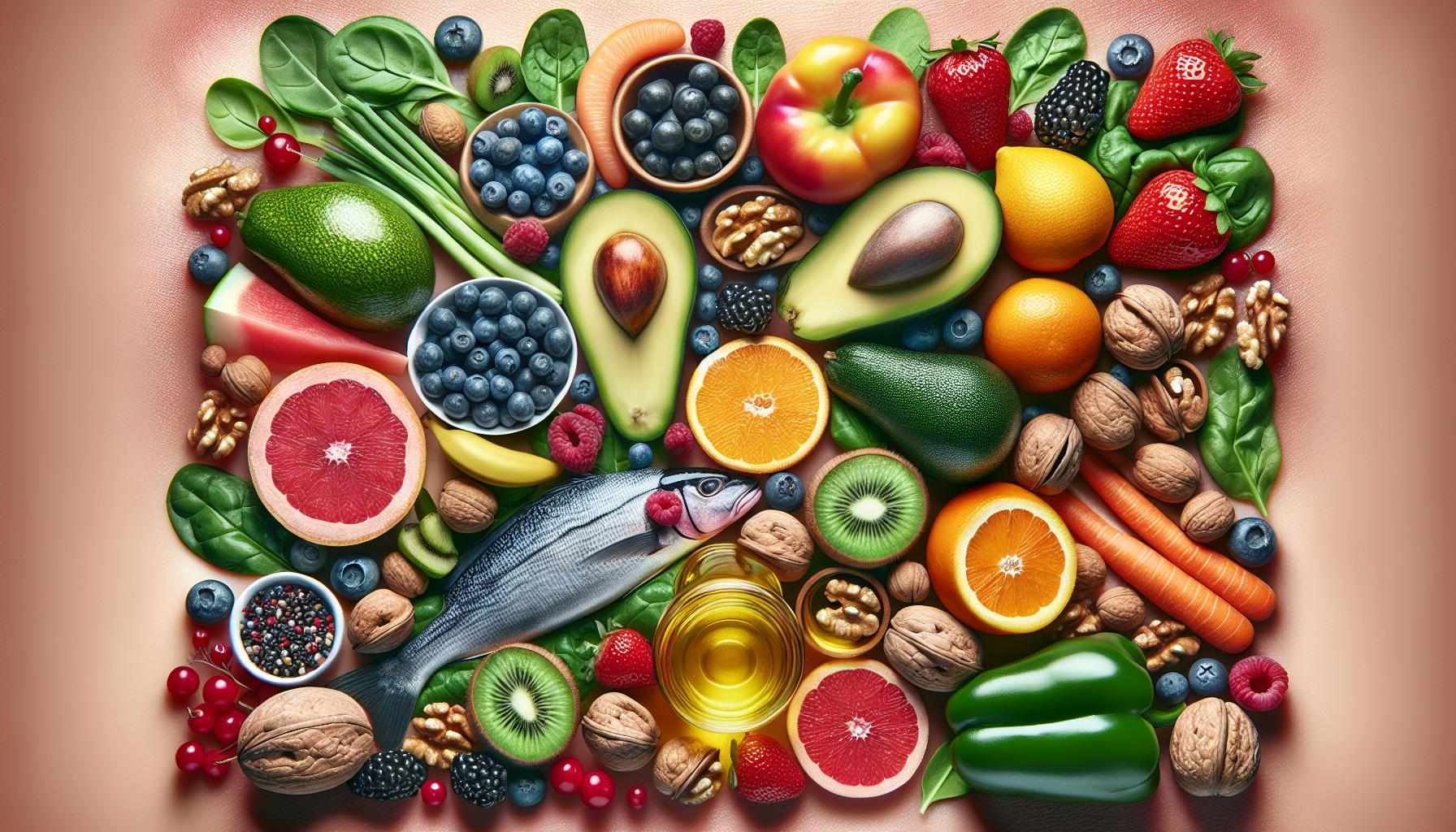
Hydration begins from within: While drinking water is crucial, consuming water-rich foods can also significantly contribute to overall hydration levels. Fruits like watermelon, cucumbers, and oranges boast high water content while offering essential vitamins and antioxidants that combat skin aging and enhance skin health.
A diet rich in omega-3 fatty acids found in fish such as salmon, walnuts, and chia seeds can also help maintain skin barrier function, thereby supporting hydration. Foods rich in antioxidants, such as berries, spinach, and avocados, not only offer hydration but also combat oxidative stress, which can lead to premature aging.
Environmental Considerations
Understanding environmental factors is crucial in implementing hydration strategies: Exposure to harsh weather conditions, air conditioning, or central heating can zap moisture from your skin. For individuals living in dry climates or places with severe winters, using a humidifier can counteract these effects by adding moisture back into the air. Furthermore, avoiding long hot showers and instead opting for lukewarm water can help prevent stripping the skin of its natural oils.
Hydration and Lifestyle Choices
Lifestyle choices also play a significant role in skin hydration: Regular exercise increases blood circulation, promoting nutrient and oxygen delivery to skin cells. However, post-exercise hydration is essential to replenish lost fluids. Alcohol and caffeine, known for their diuretic properties, can lead to dehydration; thus, moderating consumption can also benefit overall skin health.
Lastly, elevating your hydration game’s quality means being mindful of the products you use. Opting for formulations that are free from harsh chemicals and irritants enhances your skin’s ability to retain moisture effectively. Cultivating a balanced approach combining these proactive steps can lead to luminous skin and overall improved health.
By recognizing and implementing these hydration strategies, individuals can significantly improve not just the appearance of their skin but also its underlying functionality, paving the way for healthier, more resilient skin over time.
DISCOVER: Click here to learn about the anti-aging benefits of natural ingredients</
Conclusion
In conclusion, the significance of hydration for skin health cannot be overstated. Effective hydration is essential not only for the skin’s appearance but also for its overall functionality and resilience. By adopting a holistic approach that includes an intelligent skincare regiment rich in humectants and occlusives, fostering a nutrient-dense diet filled with water-rich foods, and being mindful of environmental factors, individuals can ensure their skin remains well-hydrated and vibrant.
Moreover, the role of lifestyle choices, including regular physical activity and the moderation of alcohol and caffeine intake, further accentuates the direct impact hydration has on skin vitality. By balancing these various facets, one can combat dryness, prevent premature aging, and maintain a youthful glow. The proactive steps outlined not only aim for aesthetic improvements but also enhance skin moisture retention, ensuring long-term benefits.
As we navigate an increasingly dry environment—with factors such as climate change and air conditioning affecting our skin—it becomes vital to prioritize hydration in our daily routines. The quest for healthy skin begins with understanding its fundamental needs, and hydration stands as a pillar upon which this journey rests. Ultimately, embracing the importance of hydration can lead to transformative results, leaving your skin not just looking good but feeling rejuvenated and resilient as well. Take the time to invest in your skin’s hydration; it’s truly the foundation of healthy, glowing skin.