The Role of Nutritional Supplements in the Diet of Pets

Understanding Nutritional Supplements for Pets
As pet owners become increasingly aware of the importance of maintaining their pet’s health, the quest for effective solutions has led to a surge in the use of nutritional supplements. These products are designed to complement a pet’s diet, ensuring they receive the essential nutrients they may be lacking from their regular food. It is essential to delve deeper into the types of supplements available, their benefits, and the specific needs of various pets.
Types of Nutritional Supplements
There’s an impressive variety of supplements tailored to pet needs. Common types include:
- Vitamins: Vital for metabolic processes, these often include Vitamin E for skin health and B vitamins that support energy metabolism.
- Minerals: Products containing calcium and phosphorus are crucial for bone health, especially in growing puppies or older pets prone to osteoporosis.
- Fatty Acids: Omega-3 and Omega-6 fatty acids are well-known for improving skin and coat condition and reducing inflammation, beneficial for pets with arthritis.
- Probiotics: These supplements support gut health, enhancing digestion and improving overall immune response, especially in pets with sensitive stomachs.
Benefits of Nutritional Supplements
The advantages of introducing supplements into a pet’s diet are noteworthy. Many pets, especially seniors or those with specific health challenges, can experience enhanced quality of life through improved joint health, which supplements like glucosamine and chondroitin can provide. Moreover, pets suffering from skin allergies may find relief with fatty acid supplements, resulting in healthier, shinier fur.
Digestive health is another critical area that benefits from supplements. Probiotics can alleviate issues such as diarrhea and promote a balanced gut microbiome, thereby improving nutrient absorption. Additionally, a robust immune support system is vital for battling seasonal illnesses, making vitamin and mineral supplementation beneficial, particularly in colder months.
Target Audience for Nutritional Supplements
Nutritional supplements are not one-size-fits-all; they are particularly advantageous for certain segments of the pet population. Aging pets often experience a decline in health and may benefit significantly from tailored supplements that address their specific ailments.
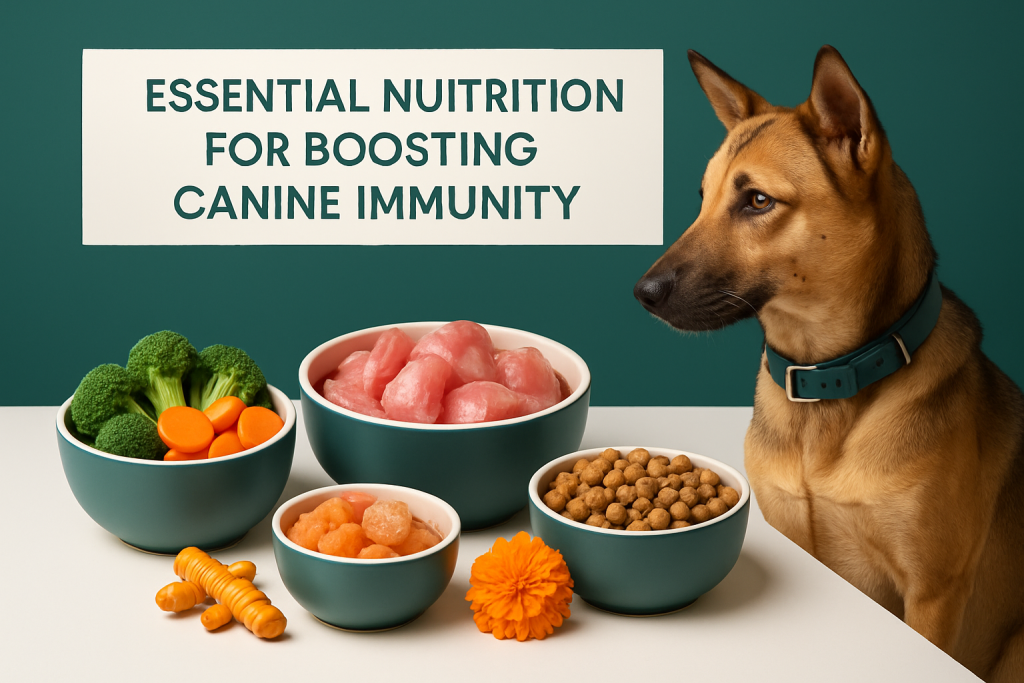
Additionally, pets on restricted diets, such as those with allergies or sensitivities to common ingredients, may find nutritional supplements imperative to ensure they receive a balanced nutrient intake. For example, pets with grain allergies may require additional fiber sources found in specific supplements to maintain digestive health.
Consultation and Considerations
Despite the potential benefits, it’s vital to note that not every pet will need additional supplementation. Consulting with a veterinarian is crucial before introducing any new products to a pet’s regimen. Vets can provide insights based on a pet’s unique health profile, dietary restrictions, and lifestyle, ensuring that any decision made is in the best interest of the animal’s health.
Furthermore, the market is saturated with products of varying quality. Pet owners should research brands carefully, opting for supplements backed by veterinary science and positive consumer reviews. Choosing quality over quantity can make a significant difference in a pet’s health journey.
In summary, as the pet industry continues to evolve, informed pet owners can effectively navigate the world of nutritional supplements. By understanding the types of supplements available and the specific needs of pets, owners can embark on a health-enhancing journey that could lead to happier, healthier lives for their beloved companions.
Exploring the Importance of Nutritional Supplements for Pets
In today’s pet care landscape, nutritional supplements have emerged as a critical component, especially as we strive to optimize the health and well-being of our furry companions. Pets, like humans, can experience deficiencies in vital nutrients due to various factors, including age, health conditions, and dietary restrictions. This realization has sparked interest among pet owners regarding how supplements can play a supportive role in their pets’ diets.
Core Nutritional Needs of Pets
The foundation of any pet’s diet should be a balanced, high-quality food tailored to their specific needs. However, even with a well-structured diet, certain pets may still lack essential nutrients. For instance, pets with a specific health diagnosis may need enhanced nutrient support to thrive. Consider the following nutrients that are often highlighted in discussions about pet health:
- Protein: Critical for growth and repair, protein is essential for pets, particularly active and growing puppies and kittens.
- Fiber: Important for digestive health, a lack of fiber can lead to gastrointestinal issues, making fiber supplements beneficial for certain pets.
- Antioxidants: These compounds combat oxidative stress, which can contribute to chronic diseases, particularly in older pets.
- Joint Support Nutrients: Ingredients like glucosamine and chondroitin are vital for maintaining joint health, especially among senior dogs and cats experiencing mobility issues.
Understanding these core nutritional needs is crucial as pet owners evaluate the necessity of integrating supplements into their pets’ diets. Each supplement serves a specific purpose and may target different health areas, which ultimately makes it vital to choose the right products based on each pet’s unique requirements.
The Impact of Life Stages on Nutritional Needs
Nutritional needs can vary dramatically throughout a pet’s life stages. For example, puppies and kittens typically require higher levels of protein and fats to support their rapid growth. In contrast, senior pets often benefit from supplements that target joint health and cognitive function, combating age-related decline. Moreover, pets undergoing recovery from illness or surgery may need additional nutrients to aid healing. This nuanced understanding of how life stages affect nutritional requirements underscores the potential relevance of supplements in enhancing a pet’s quality of life.
As the landscape of pet nutrition continues to evolve, so too does the toolkit available to pet owners. Nutritional supplements can serve as a valuable ally in promoting overall health, aiding in recovery, and addressing specific conditions. However, the key lies in informed choices backed by professional guidance. Ultimately, the goal is to ensure that every pet can enjoy a long, healthy, and vibrant life enriched by not only the love of their owners but also the nutrition they deserve.
The Role of Nutritional Supplements in the Diet of Pets
As pet owners increasingly seek to optimize their animals’ health and well-being, the importance of nutritional supplements in pet diets cannot be overstated. These supplements, ranging from vitamins and minerals to probiotics, can play a critical role in enhancing overall health, preventing diseases, and supporting specific health conditions in pets.
For instance, omega-3 fatty acids, commonly found in fish oil supplements, can dramatically improve skin health and reduce allergies, while also promoting a shiny coat. In addition, supplements containing glucosamine and chondroitin are known to support joint health in dogs and cats, especially those who are aging or have received joint injuries.
Moreover, with a growing awareness of the link between gut health and overall well-being, probiotics have become increasingly popular among pet owners. These beneficial bacteria can enhance digestion and immune function, ensuring pets metabolize their food efficiently and remain healthy. Without a doubt, the integration of high-quality supplements into a pet’s diet can yield significant benefits, offering tailored nutritional support that addresses individual needs.
| Category | Benefits |
|---|---|
| Vitamins and Minerals | Supports immune health and overall vitality. |
| Omega-3 Fatty Acids | Promotes healthy skin, shinier coats, and reduces inflammation. |
| Probiotics | Enhances digestion and boosts immune response. |
| Glucosamine | Supports joint health and mobility in older pets. |
Understanding these aspects can empower pet owners to make informed decisions about their pet’s dietary needs, paving the way for healthier and happier companions. Each supplement serves a specific purpose, making it imperative to consult with a veterinarian when considering these options for your furry friend. Researching various products and their ingredients ensures that pets receive the most effective nutritional support tailored to their unique needs.
The Benefits of Specific Nutritional Supplements for Pets
As pet owners increasingly seek ways to enhance their animals’ health, specific nutritional supplements have gained traction for their targeted benefits. These supplements not only fill gaps in a pet’s diet but also provide additional support for conditions that may not be adequately addressed by standard pet food. Understanding the various categories of nutritional supplements can help pet owners make informed choices tailored to their pets’ needs.
Vitamins and Minerals: Essential Building Blocks
Vitamins and minerals are fundamental for maintaining overall health in pets. For instance, vitamin E acts as an antioxidant, promoting a healthy immune system and skin, while vitamin A is crucial for vision and skin health. Deficiencies in these vitamins can lead to a range of health issues, including vision problems and skin infections. Additionally, minerals like calcium and phosphorus are vital for maintaining strong bones and teeth, particularly in growing puppies and kittens. However, it is essential to provide these nutrients in moderation, as excess amounts can have harmful effects.
Fatty Acids: The Omega Difference
Fatty acids, particularly omega-3 and omega-6 fatty acids, are becoming increasingly popular in the pet supplement market. These compounds support healthy skin, shiny coats, and overall cellular function. Omega-3 fatty acids, often sourced from fish oil, are known for their anti-inflammatory properties, which can be particularly beneficial for pets with arthritis or severe allergies. Studies have shown that pets receiving omega-3 supplementation exhibited improvements in joint mobility, making these supplements valuable for both senior pets and those recovering from injuries.
Probiotics: Cultivating Gut Health
The importance of gut health cannot be overstated, as the gastrointestinal system plays a pivotal role in a pet’s overall wellness. Probiotics, which are beneficial bacteria that support digestive health, have become a widely recognized supplement for pets. They help maintain a balanced gut microbiome, particularly after antibiotic treatments or during periods of dietary change. Studies indicate that the inclusion of probiotics can enhance nutrient absorption and promote a healthier immune response, thus reducing gastrointestinal issues like diarrhea and bloating.
Herbal Supplements: Nature’s Remedies
In addition to conventional supplements, herbal remedies have found a place in pet care, offering natural support for various conditions. Ingredients such as turmeric have gained popularity for their anti-inflammatory and antioxidant properties, which can be crucial for managing inflammation-related conditions, such as arthritis. Similarly, herbs like milk thistle are recognized for their protective effects on the liver, making them ideal for pets exposed to medications or toxins. While herbal supplements can provide benefits, it’s essential for pet owners to consult with their veterinarians to ensure safe and appropriate use.
Understanding the diverse range of supplements available can empower pet owners to take proactive steps in supporting their pets’ health. As the conversation around pet nutrition continues to evolve, the thoughtful integration of nutritional supplements into a pet’s diet can pave the way for a healthier and happier life, filled with vitality and resilience.
Final Thoughts on Nutritional Supplements for Pets
In conclusion, the role of nutritional supplements in the diet of pets is increasingly recognized as a vital component of holistic pet care. These supplements provide a targeted approach to addressing specific health needs, ranging from essential vitamins and minerals to beneficial fatty acids, probiotics, and herbal remedies. As pet owners become more educated about their pets’ nutritional requirements, they are better equipped to make informed choices that can significantly enhance their companions’ quality of life.
With the pet supplement market rapidly expanding, it is crucial for owners to conduct thorough research and consult veterinary professionals to determine which products are best suited for their pets’ individual health profiles. This focus on tailored nutrition not only helps combat common health issues but also promotes vitality, resilience, and longevity in pets.
As you explore the vast array of options available, consider the specific needs of your pet, their current diet, and any existing health conditions. By integrating appropriate nutritional supplements alongside a balanced diet, pet owners can actively contribute to their furry friends’ overall well-being. Ultimately, this investment in their health can lead to happier, healthier pets that enjoy a vibrant life filled with energy and companionship.