Animal-Assisted Therapies: Benefits for Health and Well-Being in People with Chronic Diseases
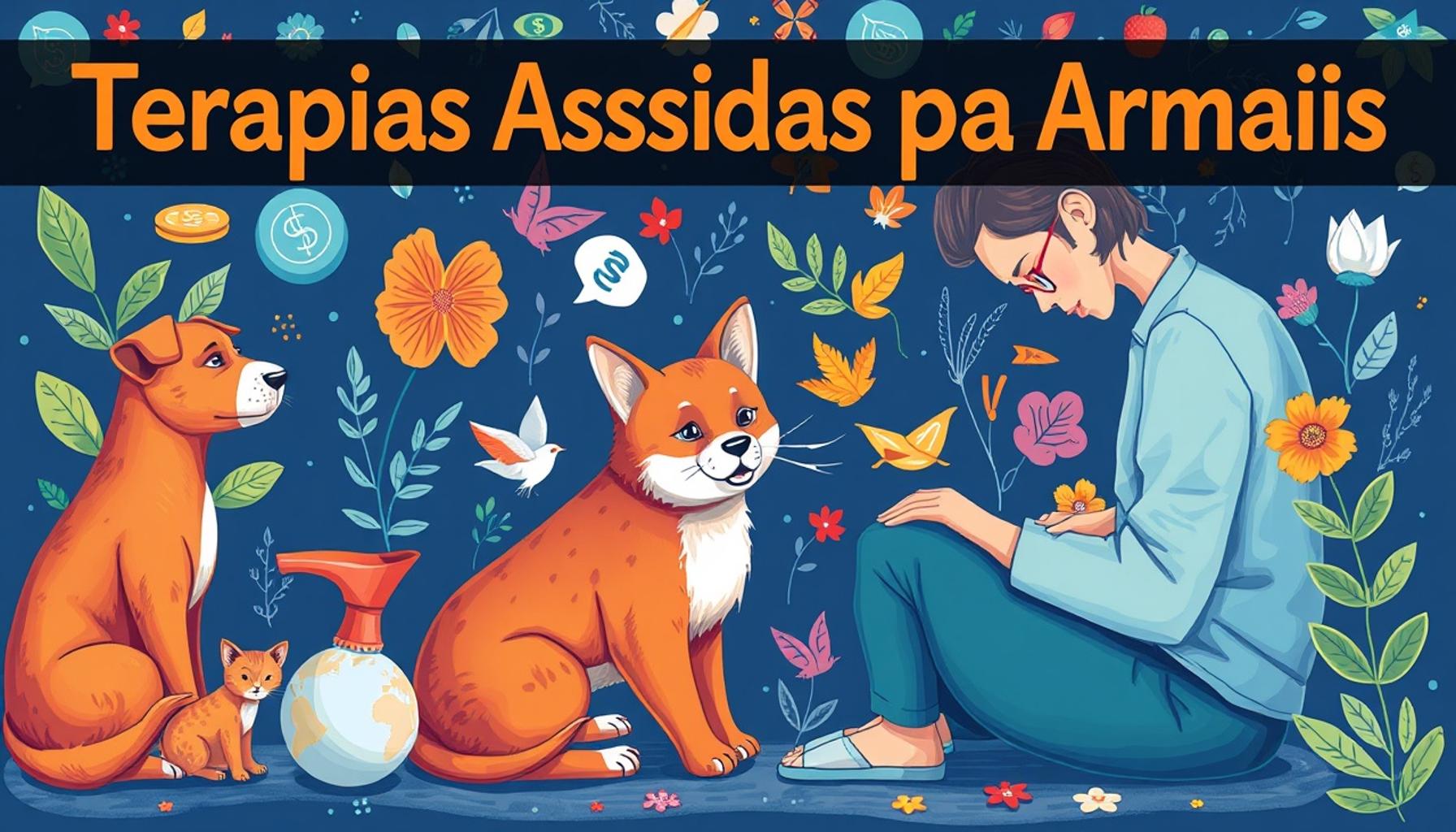
The Transformative Role of Animal-Assisted Therapies
In the realm of health care, the integration of animal-assisted therapies has garnered significant attention, revolutionizing traditional treatment paradigms. These therapies utilize the presence of animals, most commonly dogs and horses, to facilitate healing processes among individuals facing chronic illnesses. The unique bond formed between humans and animals can foster an environment conducive to recovery and emotional stability.
Many individuals are choosing these therapeutic methods for a multitude of compelling reasons:
- Improved emotional support: Animals inherently provide companionship that can alleviate symptoms associated with anxiety and depression. Research shows that interacting with therapy animals can enhance the production of oxytocin, a chemical that promotes bonding and reduces stress levels. As a result, patients experiencing loneliness or emotional strain often find solace and comfort in the presence of their furry friends.
- Enhanced physical health: The physical interactions with animals can lead not only to improved emotional well-being but also to tangible health benefits. For instance, studies have indicated that petting a dog can decrease blood pressure significantly and improve cardiovascular health. Additionally, engaging in activities such as walking a therapy dog promotes physical exercise, further aiding in physical recovery and enhancing overall vitality.
- Increased motivation: The companionship of animals can inspire patients to participate more actively in their own treatment plans. For example, patients undergoing rehabilitation may be more inclined to engage in necessary physical activities, such as walking or exercising, if a therapy dog is present, thereby increasing adherence to therapeutic regimes.
This innovative approach to healthcare has drawn considerable interest from various stakeholders, including healthcare professionals, patients’ families, and caregivers. Numerous studies have documented the positive effects of animal-assisted therapies, showing enhancements in emotional health and quality of life for patients coping with long-term conditions such as cancer, Alzheimer’s disease, and PTSD.
Across the United States, programs offering therapy dogs in hospitals and rehabilitation centers have become increasingly commonplace, making healing more accessible. Equine therapy, an emerging field where patients interact with horses for emotional and behavioral management, is also gaining traction. This form of therapy not only aids in recovery but also contributes to skill development and self-confidence in patients of all ages.
As we explore the extensive benefits of animal-assisted therapies, it becomes clear that these interactions provide more than just companionship. They represent a holistic approach to health management, ultimately leading to a better quality of life for those navigating the challenges of chronic diseases. Understanding the complexities and advantages of this therapeutic intersection will encourage a broader acceptance of these practices in healthcare systems nationwide.

The Spectrum of Benefits: Understanding Animal-Assisted Therapies
The landscape of healthcare continues to evolve, with animal-assisted therapies emerging as a groundbreaking approach to enhance the well-being of individuals battling chronic diseases. This innovative therapeutic framework encompasses various techniques that leverage the unique relationship people share with animals, transforming both mental and physical health outcomes. As the research expands, a deeper understanding of how these therapies operate—and their extensive benefits—comes to light.
One of the cornerstones of animal-assisted therapies is the emotional support these animals provide, often described as a lifeline for those grappling with the psychological toll of chronic illnesses. For instance, studies have demonstrated that patients with conditions such as diabetes or cancer often experience heightened levels of stress and anxiety. The comforting presence of therapy animals can play a pivotal role in mitigating these feelings. Animals like dogs and cats have an innate ability to sense human emotions, offering companionship that can significantly reduce feelings of isolation—an all-too-common plight for many patients.
Moreover, engaging in animal-assisted therapies can lead to profound changes in behavioral health. Patients involved in these programs often report improvements in mood, increased happiness, and even a reduction in the perceived pain levels. The rhythmic motion of petting a cat or the gentle nuzzle from a dog does more than amuse; it activates areas of the brain associated with pleasure, promoting mental wellness. It’s not just anecdotal; many healthcare providers have embraced these therapies based on empirical evidence suggesting a marked decrease in symptoms of anxiety and depression among participants.
Physical Health: Beyond the Emotional Benefits
The physical health advantages of animal-assisted therapies cannot be overlooked. An increasing body of evidence indicates that these interactions have measurable physiological benefits. Here are some key areas where therapy animals can make a positive impact:
- Reduction in Blood Pressure: Simple actions like petting or playing with dogs have been shown to decrease blood pressure and heart rates, which can be particularly beneficial for individuals with cardiovascular conditions.
- Enhanced Mobility: In therapy sessions, interactions with animals encourage patients to engage in physical activities such as walking or playing, which are vital for maintaining mobility and overall health.
- Pain Management: Engaging with therapy animals has been linked to lower reports of pain intensity, providing patients with a natural means to cope with discomfort.
As these therapies gain acceptance in various settings, from hospitals to rehabilitation centers, it becomes evident that they offer a multifaceted approach to health care. The integration of animal-assisted therapies into treatment plans for chronic illnesses not only addresses physical ailments but also enriches the emotional fabric of patients’ lives. This evolving paradigm in healthcare underscores the essential bond between humans and animals, advocating for a more compassionate and holistic understanding of patient care.
| Advantage | Details |
|---|---|
| Emotional Support | Animal-Assisted Therapies provide non-judgmental companionship, reducing feelings of loneliness and anxiety in those with chronic illnesses. |
| Improved Physical Health | Interaction with therapy animals encourages physical activity, which is crucial for managing conditions like arthritis and heart disease. |
| Enhanced Quality of Life | Therapy animals often contribute to an overall enhancement in life satisfaction, fostering a more positive outlook on health management. |
| Social Interaction | These therapies facilitate social interaction between patients, caregivers, and the therapy animals, which can alleviate emotional distress. |
Animal-Assisted Therapies reveal a remarkable fusion of health and well-being, particularly for individuals grappling with chronic health conditions. By bridging the emotional gaps that illnesses can create, therapy animals not only offer comfort but significantly contribute to the physical and emotional needs of the patients. This unique approach, combining care with animal companionship, fosters a holistic pathway toward healing, encouraging individuals to engage more actively in their treatment regimens. The compelling benefits extend beyond mere physical improvements, promoting a joyful interaction that can turn daunting therapy sessions into appealing experiences worth exploring further. Such therapies invite individuals to consider how the gentle presence of animals can notably shift their perspectives on caregiving and recovery.
The Therapeutic Bond: A Gateway to Healing
The relationship between humans and animals has long been celebrated, but only recently have we begun to appreciate the profound healing potential it holds for individuals with chronic diseases. Animal-assisted therapies (AAT) harness this unique bond, promoting recovery and enhancing the quality of life in multi-faceted ways. As healthcare providers increasingly recognize the significance of emotional and psychological care, AAT is carving a permanent niche in treatment paradigms.
A critical component of AAT’s effectiveness is the role of the therapy animal in fostering social interaction. For individuals managing conditions like depression, anxiety, or post-traumatic stress disorder (PTSD), introducing a therapy animal into their routine can encourage engagement in social activities. Research indicates that those who spend time with therapy animals are often more inclined to communicate, participate in group therapies, and build relationships, thereby alleviating feelings of loneliness and promoting mental resilience. This social component is particularly important for older adults with chronic diseases, who may be at greater risk of social isolation.
Specific Case Studies: Real-Life Impact
Several case studies showcase the transformative effects of animal-assisted therapies on individuals with chronic health conditions. For instance, a program in a veteran hospital demonstrated significant improvements in the mental health of soldiers coping with PTSD when they interacted with therapy dogs. Participants reported feeling less anxious and more grounded, and many experienced reductions in aggressive behaviors and an increased inclination to share their experiences during group sessions. Such direct correlation underscores the potential of therapy animals to foster a sense of safety and comfort.
Another noteworthy example comes from a pediatric cancer unit where therapy dogs were integrated into the patient care process. Young patients undergoing rigorous treatments found solace in the companionship of these animals, effectively mitigating their stress levels and improving their overall emotional state. The joy experienced during these interactions was not temporary; follow-up evaluations indicated that many children exhibited enhanced recovery rates and a more positive outlook on their treatment journey.
The Science Behind Animal-Assisted Therapies
The scientific community is beginning to delve deeper into understanding the physiological reactions triggered by interactions with therapy animals. One study showcased in the Journal of Clinical Psychology noted that petting a dog significantly increased levels of oxytocin, the hormone associated with bonding and emotional connection. This biochemical reaction is often linked to lower stress and anxiety levels, further validating the therapeutic role of animals in healthcare settings.
As innovative approaches in healthcare flourish, alternative therapies like AAT are gaining traction within both clinical and private practice settings. The wide acceptance of this therapy underscores the need for a comprehensive approach to chronic illness treatment, recognizing that healing encompasses more than just addressing physical symptoms. Animal-assisted therapies not only offer hope but empower individuals to take charge of their healing journeys by nurturing a vital connection with animals, enriching their lives and promoting overall health and wellness.
Conclusion: Embracing the Healing Properties of Animals
In our increasingly fast-paced world, the integration of animal-assisted therapies (AAT) into healthcare provides a refreshing perspective on chronic disease management. The profound bond between humans and animals is more than just companionship; it is a crucial component of holistic healing that merges physical health with emotional well-being. As we have explored, AAT not only enhances social interactions but also fosters a sense of hope and comfort in patients suffering from debilitating conditions such as depression, PTSD, and cancer.
The compelling evidence from various case studies illustrates significant advancements in patient outcomes when therapy animals are involved. These interventions not only help reduce anxiety and stress, but they also facilitate recovery by fostering connections and bolstering resilience during arduous treatment processes. Moreover, the scientific validation backing AAT, including hormonal responses that lead to improved emotional states, further cements its place within modern medical practices.
As more healthcare providers recognize the value of emotional support in tandem with traditional treatments, the future of animal-assisted therapies looks promising. It underscores the vital need to adopt a more comprehensive approach towards managing chronic illnesses—one that harmonizes mind, body, and spirit. For individuals battling chronic diseases, the inclusion of animal companions offers not only therapeutic benefits but a renewed sense of purpose and joy, transforming their healing journeys into significantly more enriching experiences. As you explore the potential of AAT, consider how these heartwarming encounters can redefine the landscape of health and wellness for countless individuals.