Behavioral Training Strategies for Pets with Special Needs

Understanding Behavioral Training for Special Needs Pets
Training pets with special needs requires a unique approach filled with patience and creativity. With the right behavioral training strategies, pet owners can foster a positive environment that enhances their pet’s well-being and helps them adjust to their specific challenges. This nuanced training goes beyond traditional methods, aiming to meet the individual needs of pets who may be navigating a world that presents unique hurdles for them.
Special needs pets can include:
- Hearing-impaired animals: These pets might struggle to respond to verbal commands, necessitating the use of visual cues such as hand signals or light flashes.
- Visually impaired dogs or cats: For these animals, guiding them through their environment with tactile cues and verbal reassurances can significantly enhance their confidence and safety.
- Pets with mobility issues: These animals may require specialized equipment like wheelchairs or supportive harnesses that allow them to navigate their surroundings with ease.
- Animals with anxiety or neurodevelopmental disorders: Such pets may benefit from calm environments, desensitization techniques, or even aromatherapy to alleviate stress and promote ease during training sessions.
Each of these special needs categories presents its own set of challenges, but also opportunities for effective training. Here are some effective strategies to consider:
- Positive Reinforcement: This method is foundational in animal training. By rewarding desired behaviors with treats or praise, owners can create a strong connection with their pets and encourage repeat behaviors. For example, teaching a hearing-impaired dog to sit might involve rewarding them with their favorite treat every time they successfully complete the command using a hand signal.
- Consistent Routines: Establishing regular schedules for feeding, walks, and training sessions provides these pets with a sense of security. A set routine helps predict their environment, which can be especially reassuring for animals with anxiety or those adapting to significant changes in their lives.
- Adaptive Tools: Utilizing specialized gear can make all the difference. For instance, a visually impaired cat might benefit from textured toys that make distinctive sounds, while dogs with mobility issues can gain confidence through adjustable harnesses that support their movement.
- Custom Training Methods: Tailoring techniques to fit the individual physical and emotional needs of the pet is essential. For a pet with anxiety, training might focus on gentle, gradual exposure to stressful situations, coupled with ample positive reinforcement to help them acclimatize to their surroundings.
Implementing these methods not only aids in effective training but also strengthens the bond between pet and owner. When you take the time to understand your pet’s unique needs and adapt your strategies accordingly, you open a pathway to a fulfilling life for both the pet and the caregiver. This journey can be incredibly rewarding, filled with moments of growth and triumph that enrich the lives of both parties involved.
Effective Behavioral Training Strategies for Special Needs Pets
When engaging in behavioral training for pets with special needs, the approach must be tailored to address the individual challenges these animals face. Whether it involves unique sensory impairments or mobility issues, understanding their distinct requirements can significantly enhance the training process. This not only allows pets to learn more effectively but also helps build a robust and trusting relationship between the pet and its owner.
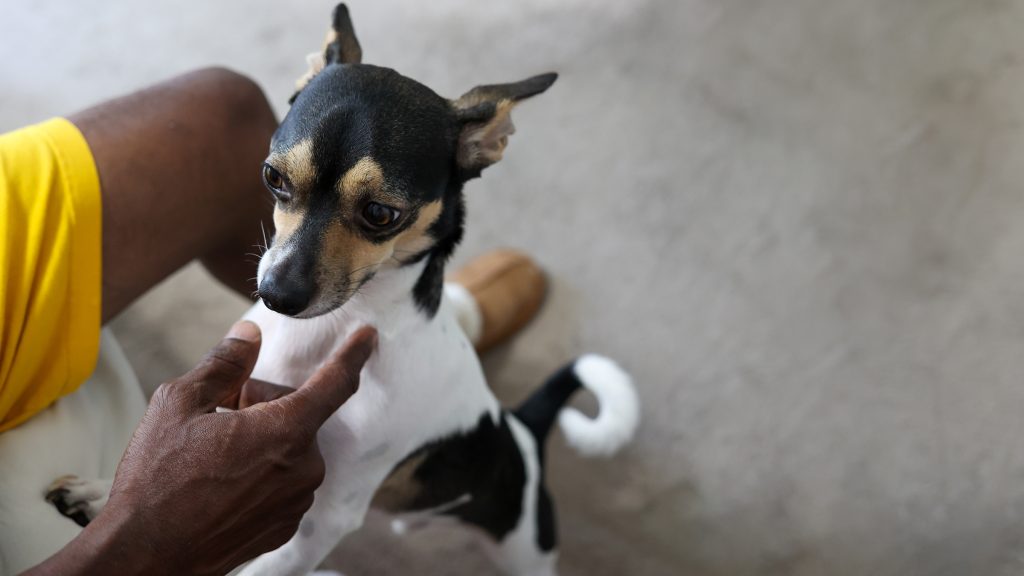
Utilizing an array of training strategies can provide a comprehensive foundation for working with special needs pets. Here are some methods that have proven successful:
- Visual and Tactile Cues: For pets with hearing impairments, incorporating visual signals or tactile prompts is crucial. For example, an owner can use a flashlight to signal their deaf dog when it’s time for a treat or a walk. Similarly, using textured materials can help visually impaired animals navigate their space more easily, ensuring they can engage safely with their environment.
- Socialization Skills: Encouraging positive interactions with other pets and humans is essential for all animals, especially those with special needs. Controlled socialization experiences can build confidence and lessen anxiety. Utilizing local pet therapy programs or services can provide special needs pets with additional support as they learn to engage socially.
- Short and Engaging Training Sessions: Pets with cognitive challenges may benefit from brief, consistent training periods that keep their attention focused. Aim for sessions that range from 5 to 10 minutes, allowing for multiple repetitions of a behavior that reinforce learning, resulting in an overall better retention rate.
- Environment Adaptation: Creating a safe and encouraging training environment can make a world of difference. Removing potential distractions or hazards accommodates special needs pets, allowing them to focus on learning without unnecessary stress. This can include altering the layout of furniture or using calming colors in training areas.
By integrating these techniques, pet owners can enhance their pets’ learning experiences while also promoting their overall well-being. The path to effective training often involves trial and error, allowing both pet and owner to discover the most beneficial methods that yield desired results. Remember, the goal is not only behavioral adjustment but fostering a deeper connection and understanding, paving the way for a joyful and fulfilling companionship.
Always be mindful that training, especially for special needs pets, is a journey filled with unique challenges and rewarding triumphs. With patience and dedication, pet owners can transform the lives of their special needs companions, ensuring that they lead enriched, fulfilling lives despite their challenges.
Understanding Behavioral Training Strategies for Pets with Special Needs
In our journey to enrich the lives of pets requiring special care, it’s crucial to delve deeper into effective behavioral training strategies. These techniques not only foster a harmonious relationship between pets and their owners but also cater specifically to individual needs. Implementing tailored training can empower pets, boosting their confidence and reducing anxiety, leading to improved behavior in various environments.One popular approach is the use of positive reinforcement. This method emphasizes rewarding desirable behaviors, encouraging pets to repeat those actions. For example, using treats or praise when a pet successfully follows a command creates a proactive learning environment. This strategy is particularly effective for pets with special needs, as it builds a bond of trust and security.Another recommended technique is desensitization. This involves gradually exposing a pet to stimuli that may provoke anxiety or aggressive responses, allowing them to acclimate in a controlled manner. Ensuring the exposure is gradual and consistent can significantly decrease fear responses, making daily life more manageable for both pet and owner.Furthermore, the inclusion of socialization exercises is vital. Pets with special needs often face challenges in interacting with their peers or unfamiliar humans. By creating safe environments for socialization, owners can facilitate positive interactions that enhance their pet’s confidence, thereby aiding in alleviating behavioral issues stemming from fear or anxiety.Investing time in understanding each pet’s unique behavior—alongside these tried-and-tested strategies—can yield remarkable improvements in their well-being. Through education, engagement, and consistent application of these techniques, many owners have witnessed profound transformations in their pets’ lives. Embracing these methodologies could be a turning point for any pet requiring additional support.
| Advantages | Description |
|---|---|
| Enhanced Communication | Allows pets to express their needs effectively, reducing frustration. |
| Improved Social Skills | Encourages positive interactions with other pets and humans. |
As you continue exploring behavioral training strategies, consider how these approaches could be tailored to the specific needs of your pets. Each method can significantly impact their emotional and behavioral well-being, leading to a richer, more fulfilling life.
Enhanced Techniques for Connecting with Special Needs Pets
Understanding that behavioral training for pets with special needs requires creative and compassionate strategies is the first step to success. However, the implementation of these strategies can be deepened with additional techniques that focus on the bond between the pet and the owner, fostering positive experiences through engagement and enrichment.
Here are several advanced techniques that can take training to new heights:
- Positive Reinforcement: The cornerstone of effective training for any pet, especially those with special needs, is positive reinforcement. This involves rewarding desirable behaviors with treats, praise, or playtime. Research shows that reinforcement not only encourages pets to repeat desired behaviors but also strengthens the emotional connection between pet and owner. It is essential for owners to find what motivates their special needs pets, whether it be a favorite treat or a beloved toy.
- Use of Calming Techniques: For pets that experience anxiety or sensory overload, integrating calming techniques into training sessions can facilitate a better learning environment. Techniques such as gentle massage, soft music, or the use of anxiety wraps can help to soothe a pet before engaging in training. A relaxed pet is more likely to focus on the training task, enhancing their ability to absorb and retain information.
- Tech-based Training Aids: In today’s digital age, technology serves as a noteworthy ally. Devices such as clickers or smartphone apps can not only capture a pet’s attention but can also provide owners with tracking tools to log behaviors and successes over time. Utilizing technology can also offer interactive games and puzzles designed specifically for pets with cognitive challenges, stimulating their minds while working on training principles.
- Customized Training Plans: No two pets are alike, and understanding the unique needs of a special needs pet will guide the development of an individualized training plan. Conducting a thorough assessment of the pet’s capabilities, preferences, and limitations is crucial. Resources such as trainers who specialize in behavioral challenges or veterinarians can assist in crafting a focused training plan tailored to specific issues.
- Routine Establishment: Consistency is key when training pets, particularly those with special needs. Establishing a routine around training sessions fosters familiarity and security, reducing anxiety. Incorporating training into daily activities allows pets to learn gradually in real-life scenarios, reinforcing learned behaviors in various contexts.
Special needs pets often thrive with the right combination of empathy, creativity, and structure in their training. Owners are encouraged to continuously educate themselves on the latest strategies and techniques. There are numerous books, workshops, and online resources dedicated to this niche topic, providing valuable insights for both experienced trainers and novice pet owners.
Moreover, engaging with local community groups focused on special needs animals can offer firsthand experiences and shared stories that are incredibly enriching. These connections can not only inspire pet owners but also provide a support network filled with valuable information and encouragement.
As the world of pet care continues to evolve, it is paramount for owners to remain informed and adaptable. By doing so, they can ensure their special needs pets have the best chance at thriving in an understanding and accommodating environment.
Final Thoughts on Behavioral Training for Special Needs Pets
The journey of training a pet with special needs can be both challenging and immensely rewarding. By understanding and implementing effective behavioral training strategies, pet owners can foster a nurturing environment that caters to the unique challenges faced by these beloved companions. The key takeaway is that every pet is an individual, and tailoring approaches based on their specific requirements is essential for success.
Utilizing a blend of positive reinforcement, calming techniques, and the latest technology-based aids can create an effective training dynamic that enhances learning and strengthens the bond between pet and owner. Moreover, recognizing the importance of establishing a consistent routine and customizing training plans based on thorough assessments signifies a commitment to understanding the pet’s well-being. These strategies not only pave the way for improved behavior but also ensure that the emotional connection between owner and pet is fortified.
As pet owners venture into this rewarding realm, it is crucial to remain engaged with educational resources, community support groups, and ongoing learning opportunities. Different experiences and insights can provide valuable perspectives that enrich the training process. Ultimately, with patience, compassion, and persistence, special needs pets can lead fulfilling lives and become cherished members of any family. The commitment to adapting training strategies is not just a path to behavior modification; it is an opportunity to celebrate the unique abilities and personalities of these remarkable animals.