How Nonverbal Communication Can Improve Behavior Training in Cats

The Silent Dialogue: Understanding Your Cat’s Nonverbal Communication
Understanding your feline friend can be a puzzling endeavor, but the key often lies in nonverbal communication. This silent dialogue between cats and humans is crucial for effective behavior training. By tapping into these signals, cat owners can foster a more harmonious relationship with their pets, allowing for better interaction and understanding of each other’s needs.
Nonverbal cues encompass a range of expressive behaviors that cats display, which can often be more telling than words. These include:
- Body Language: The position of a cat’s ears, tail, and whiskers can indicate their mood. For example, ears that are pointed forward can signal curiosity or excitement, while flattened ears could indicate fear or aggression. A high tail often signifies a happy and confident cat, whereas a low tail may imply submission or unease.
- Facial Expressions: Cats communicate feelings through subtle changes in their eyes and facial muscles. Slow blinking is a sign of trust; it’s sometimes referred to as “cat kisses” when a cat slowly blinks at their owner. Conversely, dilated pupils often point to excitement or agitation, underscoring the importance of observing these facial cues.
- Vocalizations: While primarily verbal, sounds often accompany specific nonverbal behaviors. For instance, a cat may meow while leaning against you, signifying both a request for affection and an assertion of companionship.
Utilizing nonverbal communication can lead to significant improvements in behavior training. It enables pet owners to:
- Understand their cat’s needs more effectively. Recognizing signs of hunger, playfulness, or distress can empower owners to provide a conducive environment.
- Respond appropriately to signs of stress or comfort. A cat that hides might be feeling overwhelmed, while one that purrs and kneads may be seeking affection.
- Encourage positive behaviors through rewarding interactions. Recognizing a playful posture can prompt owners to engage their cats in play, enhancing their mood and strengthening the bond.
By learning to speak the unspoken language of cats, owners can not only modify problematic behaviors but also deepen the bond they share with their furry companions. Recognizing the nuances in a cat’s nonverbal signals not only aids in their training but also enriches the relationship through enhanced mutual respect and understanding.
Join us as we explore the intricacies of feline nonverbal communication and discover its profound impact on behavior training. This journey into understanding your cat can lead not only to well-behaved pets but to a fulfilling companionship that celebrates the idiosyncrasies of our beloved felines.
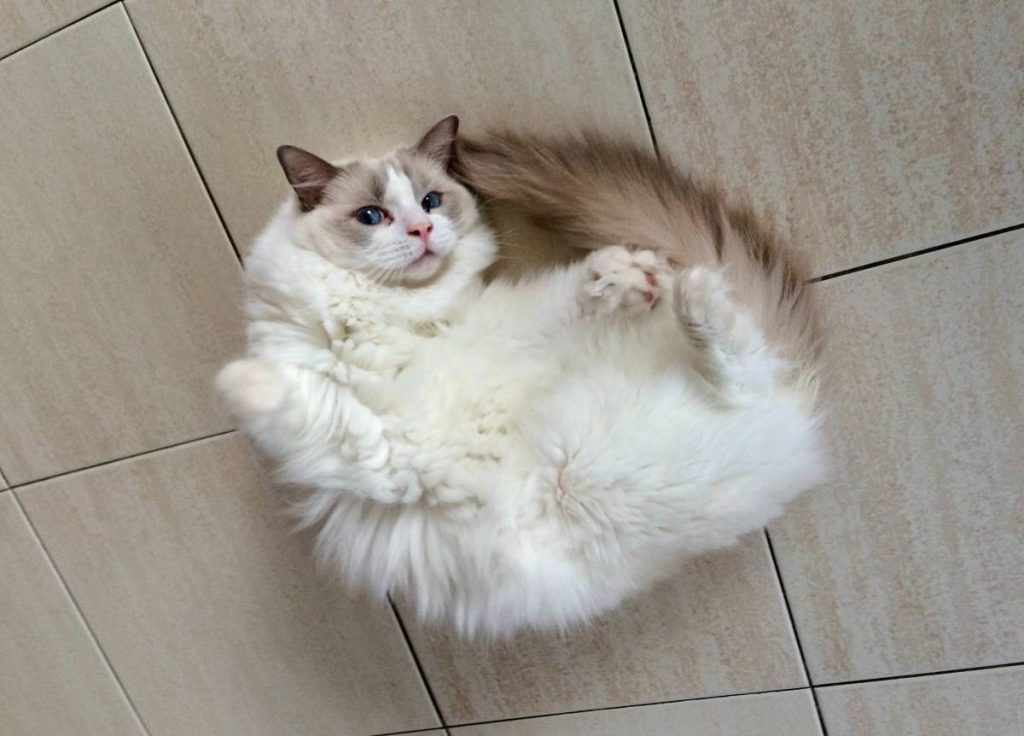
The Power of Feline Signals: A Closer Look at Body Language
In the world of cats, actions often speak louder than words. Body language is a fundamental component of how cats express themselves, and understanding these signals is pivotal for successful behavior training. Recognizing subtle physical cues can guide pet owners in modifying undesired behaviors while reinforcing positive interactions.
For instance, consider a cat’s tail position. A tail held high, gently waving side to side, indicates a content and confident feline. In contrast, a puffed-up tail—almost like a bottle brush—signals fear or aggression. By being attentive to the tail’s movements, owners can better predict and respond to their cat’s emotional state. Similarly, the position of the ears plays a critical role; ears facing forward denote interest, while ears turned sideways suggest the cat may feel threatened or irritated.
Moreover, the way a cat approaches its human can tell a story of its own. A cat that walks towards you with a slow, deliberate gait is likely expressing comfort and affection. In contrast, a cat that advances cautiously with a lowered body may be uncertain and potentially scared. Such observations can guide owners to create a safe and nurturing environment for their pets, ultimately leading to better behavior outcomes.
Understanding Feline Facial Expressions
The facial expressions of cats are often subtle yet revealing. A relaxed cat will typically have slightly squinted eyes and a neutral mouth—this is a sign of happiness and comfort. On the flip side, wide-open eyes, combined with a tense facial structure, may indicate a cat that is feeling threatened or agitated. Recognizing these signs allows owners to adjust their approach, whether it’s providing space or offering comfort through gentle interaction.
- Slow Blinking: Often dubbed “cat kisses,” if a cat gives a slow blink while looking at you, it’s an invitation for trust. Mimicking this behavior can strengthen the bond between you and your cat.
- Whisker Position: Whiskers that are forward and extended suggest curiosity and engagement, while whiskers pulled back indicate anxiety or tension. Keeping this in mind helps in shaping training sessions that align with the cat’s comfort level.
- Paw Position: If a cat is sitting with its front paws tucked under its body, it may feel secure. Conversely, paws splayed out can indicate a readiness to engage or defend itself.
By observing and interpreting these nonverbal cues, cat owners can significantly enhance their understanding of their pet’s needs and emotions. Incorporating this knowledge into training practices not only leads to improved behavior but also fosters a deeper connection based on trust and empathy between cat and owner. Thus, delving into the nuances of feline body language can transform routine training into a rewarding experience for both parties involved.
| Category | Advantage |
|---|---|
| Consistent Signals | Using consistent body language reinforces your cat’s understanding of commands and cues, facilitating effective learning and reducing confusion. |
| Enhanced Bonding | Nonverbal communication fosters a deeper emotional connection between you and your cat, leading to improved trust and cooperation during training sessions. |
Incorporating nonverbal communication into daily interactions can truly transform behavior training in cats. By using consistent signals, such as specific hand movements or postures, a cat learns to associate these cues with desired behaviors. This consistency is crucial, as it eliminates any ambiguity that may confuse your feline friend. Moreover, enhancing bonding through body language—like gentle strokes or maintaining eye contact—will increase the level of trust. Cats are highly attuned to their environment, so by paying attention to their nonverbal cues, you can also gauge their mood and energy levels. This two-way communication can make sessions far more effective, encouraging your cat to engage willingly and positively. Nonverbal interactions are not just about commands; they also serve as a vital aspect of the training relationship itself.
Creating a Communicative Environment: The Role of Nonverbal Interaction
Effective behavior training in cats goes beyond understanding their body language; it also involves cultivating an environment that promotes nonverbal interaction. Cats are keen observers, and their learning is heavily influenced by the behavioral cues of those around them. By adjusting our own body language and reactions, owners can encourage desired behaviors while discouraging unwanted ones.
For instance, using calm and gentle movements can foster a sense of safety and security in a cat during training sessions. Abrupt gestures or loud noises can frighten or stress a cat, potentially leading to counterproductive behavior. When approaching a cat, consider using a low, relaxed posture. By kneeling or sitting at their level, owners can display that they are not a threat, making the cat more open to engagement.
Positive Reinforcement through Nonverbal Cues
Positive reinforcement is crucial in shaping a cat’s behavior. However, it doesn’t always have to be verbal praise or treats. Nonverbal cues such as a gentle stroke, a slow blink, or even a soft smile can serve as powerful reinforcers during training. For example, when a cat successfully performs a desired action, owners can reward them with affection immediately following the behavior, thus creating a positive association. This approach is particularly effective since cats are reward-driven and may respond more favorably to the immediate gratification of nonverbal praise.
Moreover, it’s essential to be consistent in how we express approval or disapproval. A straightforward thumbs up or a nod of the head can effectively communicate encouragement, whereas a furrowed brow or frown may unintentionally convey disapproval and confuse the cat. The consistency of these nonverbal signals reinforces the training message and strengthens the behavior modification process.
- Timing is Key: The immediacy of the nonverbal cue following the behavior is crucial. For example, if a cat uses the litter box correctly, offering a gentle pat or soft praise in the moment helps cement the behavior’s positive reinforcement.
- Environment Setup: Creating a training-friendly space helps facilitate communication. Setting aside a quiet area with minimal distractions allows both cat and owner to focus and respond to nonverbal cues effectively.
Understanding the impact of our own nonverbal communication opens up new avenues for effective training and interaction. As owners become more attuned to both their cat’s and their own nonverbal signals, they cultivate a training approach grounded in mutual respect and understanding. This not only enhances the behavior training experience but deepens the bond between cat and owner. Cats are often misunderstood creatures, and by harnessing the power of nonverbal cues, owners can bridge the communication gap, allowing for more harmonious living together.
Enhancing Feline Training Through Nonverbal Communication
In conclusion, nonverbal communication serves as a powerful tool for improving behavior training in cats, an often-overlooked aspect of feline interaction. By understanding how our body language and unspoken cues impact our cats, we can foster a more effective and enriching training experience. Emphasizing calmness, consistency, and the subtleties of nonverbal cues – such as gentle touches, slow blinks, and inviting postures – can make all the difference in how a cat perceives training sessions.
The synergy between a cat’s instincts and an owner’s nonverbal signals creates a communicative environment in which learning thrives. It’s crucial to remember that cats are independent creatures, and their training requires a blend of patience, empathy, and keen observation. This holistic approach not only enhances behavior modification but also reinforces the bond between owner and pet.
As more cat owners recognize the significant impact of nonverbal communication, we can expect to see improvements not only in behavior but also in the overall quality of life for both cats and their guardians. For those looking to deepen their understanding of feline behavior, exploring resources on animal psychology and behavioral training can provide additional insights. The journey of discovering how our silent communication shapes our cats’ responses is one that offers rewarding benefits for all involved.