Creating a Healthy Environment: Tips for Maintaining the Health of Your Pets and Your Family

Creating a Healthy Environment for Your Loved Ones
Your home should be a sanctuary, a haven for both family members and pets where they can feel safe and thrive. Unfortunately, many homes can harbor hidden health risks that could affect your loved ones’ well-being. By understanding these risks and implementing proactive measures, you can transform your living space into a healthy environment. This article introduces practical tips to help you make a difference in your household.
Why Environment Matters
The environment within your home plays an integral role in influencing health outcomes for everyone inside. Poor air quality, high levels of humidity, and the presence of allergens can lead to various health issues. Consider these pivotal areas:
- Pet Health: Indoor pollutants, such as dust, mold, and even certain houseplants, can adversely affect your pets. For instance, cats can be particularly sensitive to allergens, leading to respiratory issues.
- Family Welfare: A clean and well-maintained environment not only improves physical health but also contributes to mental well-being. Research shows that cluttered and dirty spaces can induce stress and anxiety.
- Prevention of Illness: Proactively reducing allergens and toxic substances not only minimizes respiratory issues but can also prevent longer-term health problems. For example, exposure to household cleaning chemicals has been linked to respiratory conditions such as asthma.
Simple Changes for Big Benefits
Implementing straightforward changes can lead to significant improvements in your home environment. Here are some essential practices to consider:
- Regular Cleaning: Dust and vacuum your living spaces at least once a week to remove allergens. This simple practice can greatly reduce the presence of dust mites, pet dander, and mold. Using a vacuum with a HEPA filter can further enhance your efforts.
- Natural Products: Switching to eco-friendly cleaning supplies can greatly reduce your family’s exposure to harmful chemicals. Brands that utilize plant-based ingredients often provide the cleaning power you need without the harsh side effects associated with traditional cleaners.
- Routine Vet Visits: Regular check-ups for your pets are essential in maintaining their health. Just as with humans, prevention is key; routine vaccinations and health assessments can prevent serious health issues down the line.
These steps are not merely beneficial—they are crucial to nurturing a harmonious home. By creating an environment that prioritizes well-being, your family and pets can flourish together. Consider researching more about air quality improvement methods, such as introducing houseplants known for their air-purifying properties, or installing air purifiers. The journey toward a healthier home can be simple yet impactful, allowing for more cherished moments with your loved ones in a safe and inviting atmosphere.
Enhancing Indoor Air Quality
One of the most critical aspects of a healthy home environment is indoor air quality. The air we breathe indoors can often contain higher levels of pollutants compared to outdoor air. Factors including volatile organic compounds (VOCs) emitted from various household products, pet dander, and allergens can contribute to a range of health issues for both your family and pets. Improving indoor air quality is an essential step in fostering a safe and healthy environment.
Recognizing Pollutants
To combat indoor air pollution, it’s important to first recognize the sources. Here are some common offenders:
- Household Cleaning Supplies: Many traditional cleaning products contain harsh chemicals that release VOCs into the air. Consider creating your own cleaning solutions using vinegar, baking soda, and essential oils, which can effectively tackle dirt and grime without harming your family or pets.
- Pesticides: Chemical pesticides designed for pest control can linger indoor, making them hazardous for everyone. Opting for natural pest control methods, such as diatomaceous earth or neem oil, can help minimize risks.
- Furniture and Carpets: New furniture and carpets can emanate VOCs as they off-gas. Allowing these items to air out in a well-ventilated space before bringing them inside can significantly reduce exposure.
Actionable Steps to Revitalize Indoor Air
Improving air quality is a straightforward process that can yield impressive results. Here are several practical tips to consider:
- Ventilation: Ensure that your home is well-ventilated by regularly opening windows and using exhaust fans, especially while cooking or using cleaning products. This simple act can introduce fresh air and help dissipate pollutants.
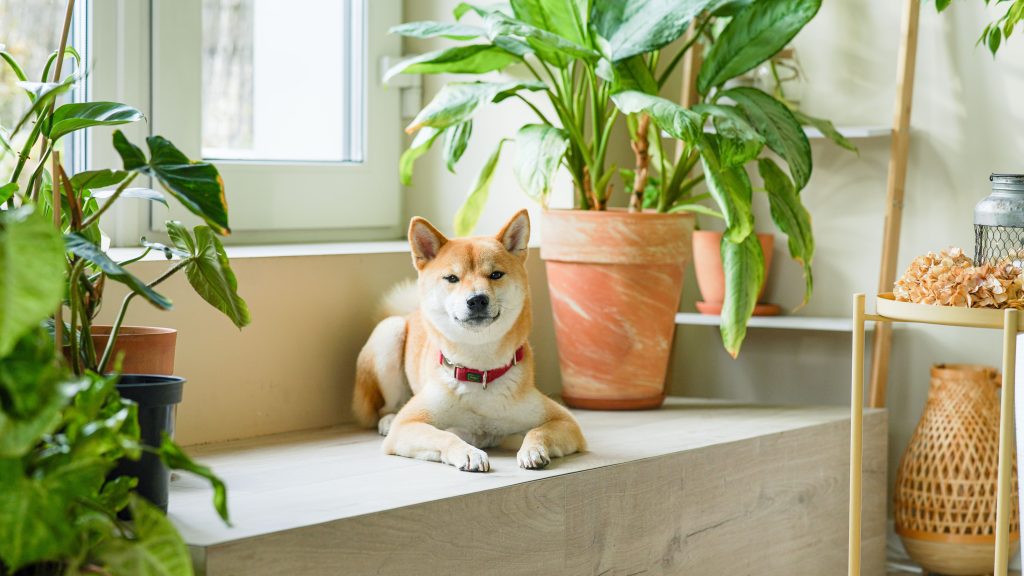
- Houseplants: Introducing specific houseplants can greatly enhance air quality. Varieties like spider plants, peace lilies, and snake plants are known to filter common indoor pollutants while also adding a touch of nature to your space.
- Air Purifiers: Investing in a good-quality air purifier equipped with HEPA filters can significantly reduce airborne particles, allergens, and VOCs. Consider placing them in areas where your family and pets spend the most time.
By prioritizing indoor air quality, not only do you mitigate potential health risks, but you also create a nurturing environment for both your family and pets. With these simple yet effective approaches, you can breathe easier knowing that you are taking proactive steps towards maintaining a healthy home. Consider making these changes part of your routine; doing so can create a lasting impact on the well-being of all your loved ones.
Creating a Healthy Environment: Tips for Maintaining the Health of Your Pets and Your Family
To ensure a healthy environment for both your pets and family, one must consider several factors that contribute to overall well-being. Implementing simple adjustments around your home can significantly improve health outcomes for all its inhabitants. Below are some strategic tips that cater to this goal.
Regular Cleaning and Sanitization
Dust and allergens can accumulate quickly, affecting both your pets and family members, particularly those with allergies or respiratory issues. Implementing a regimented cleaning schedule that includes frequent vacuuming and dusting can significantly enhance indoor air quality. Pay special attention to areas where your pets spend time, as their fur can trap allergens and contribute to discomfort. Using pet-safe cleaning products can aid in reducing chemical exposure in your home.
Balanced Nutrition
Providing pets with a nutritionally balanced diet is crucial not just for their health, but also for the health of your family. While preparing meals for your pets, consider using fresh, natural ingredients that can also inspire healthy eating habits within the family. When pets eat better, they are less prone to health issues, which correlates to a healthier home atmosphere. Additionally, sharing knowledge about healthy eating choices with children promotes lifelong good habits.
Outdoor Safety
Creating a safe outdoor environment for pets is equally important. Ensure that your yard is free from toxic plants and chemicals, and that fences are secure to prevent accidents. Regularly provide exercise and socialization for pets to keep them mentally and physically stimulated. Taking them on walks or to pet parks encourages bonding time and provides necessary interactions that can enhance everyone’s mood at home.
Routine Veterinary Care
Just as your family requires regular health check-ups, so do your pets. Establishing a routine visit to the veterinarian ensures that any potential health issues are caught early. Keeping vaccinations up to date is vital in preventing illnesses that can be transferred between pets and family, securing a healthy home environment.
By adopting these practices, you not only safeguard the health of your pets but also create a nurturing environment for your family. Each step taken contributes to your collective welfare and enjoyment of home life.
| Health Tip | Benefits for Pets and Family |
|---|---|
| Regular Cleaning | Improved air quality, reduced allergens |
| Nutritional Diet | Enhanced health, better family eating habits |
| Outdoor Safety | Injury prevention, mental stimulation |
| Routine Veterinary Care | Early illness detection, secure health |
Creating a Safe and Sanitary Living Space
Alongside enhancing indoor air quality, maintaining a clean and sanitary environment is vital for the well-being of both your family and pets. A well-kept living space minimizes the risk of allergies, pest infestations, and illnesses, which can easily affect the entire household. Various strategic cleaning practices can be implemented to foster a healthier environment.
Prioritizing Regular Cleaning Routines
To ensure that your home remains a haven for your family and pets, it’s essential to adopt a consistent cleaning routine. Here are several effective strategies:
- Dust and Vacuum Frequently: Regularly dusting surfaces and vacuuming floors help reduce allergens such as pet dander, dust mites, and pollen. Opt for a vacuum cleaner equipped with HEPA filters to capture fine particles, providing a deeper clean.
- Mop Floors: In addition to vacuuming, mopping hard floors with a gentle, pet-safe cleaning solution can decrease the presence of bacteria and odors, creating a more inviting atmosphere.
- Wipe Down Surfaces: Use non-toxic disinfectants to wipe down frequently-touched surfaces, including doorknobs, light switches, and countertops. This practice helps eliminate germs and protects your family and pets from infectious diseases.
The Importance of Regular Pet Care
Beyond household cleanliness, ensuring that your pets are well-cared for is crucial in maintaining overall health within your home. Regular grooming and veterinary check-ups help keep pets healthy, which directly contributes to the health of your family. Consider these tips:
- Consistent Grooming: Regularly brushing your pet helps reduce shedding and controls dander while also providing an opportunity to check for skin issues, parasites, or other health concerns. Establish a grooming routine that suits the type and breed of your pets.
- Routine Vet Visits: Schedule regular vet check-ups to ensure your furry friends are healthy and up-to-date on their vaccinations. Additionally, talk to your veterinarian about any nutritional or behavioral concerns that may arise.
- Pet-Friendly Environment: Make adjustments in your home to create a safe space for your pets. This includes storing toxic substances out of reach, setting up designated pet areas, and providing plenty of toys and activities to keep them engaged.
Eliminating Environmental Hazards
Being proactive about eliminating environmental hazards is critical in creating a healthy environment. Here are some common hazards to address:
- Indoor Plants: Some popular houseplants can be toxic to pets if ingested, including philodendrons, lilies, and azaleas. Research and select pet-friendly plants, such as spider plants or Boston ferns, to enhance your space safely.
- Small Objects and Food Items: Ensure that small items such as buttons, coins, and household items are stored away from pets’ reach, as swallowing these objects can lead to choking or digestive blockages. Additionally, be mindful of human food; certain foods like chocolate and grapes are toxic to pets.
- Proper Waste Management: Dispose of pet waste promptly to prevent bacteria and odor build-up. Designate a specific area for this purpose, and regularly clean it to minimize lingering germs.
Incorporating these measures into your daily routine and continually evaluating your living environment can help maintain a clean, safe space for both your family and pets. Striving for a sanitary home not only promotes physical well-being but also nurtures a comfortable and stress-free atmosphere for all inhabitants.
Conclusion
In summary, creating a healthy environment for both your family and pets requires a multifaceted approach that encompasses regular cleaning, proper pet care, and the elimination of potential hazards. By prioritizing cleanliness through consistent routines, you can significantly reduce allergens, bacteria, and the risk of pest infestations in your home. Additionally, ensuring that your pets receive routine grooming and veterinary attention is essential not just for their wellbeing, but ultimately for the health of the entire household.
Furthermore, by identifying and removing environmental hazards—such as toxic plants and unsafe household items—you open the door for a safer living space that fosters peace of mind. The simple act of regularly assessing your home and making improvements can yield tremendous benefits, both mentally and physically, for family members—four-legged or otherwise.
As a final note, remember that a healthy environment nurtures healthy relationships, creating a bond that flourishes in a comfortable setting. By taking the time to implement these strategies for maintaining health, you’re not merely investing in your family’s comfort but also enriching your pets’ lives. This investment guarantees a harmonious and vibrant home, enhancing the quality of life for all who reside there. So take action today: evaluate your living space, make informed decisions, and observe the positive changes that arise in your household.