Tips for Traveling with Your Pet: Essential Preparations and Care

Traveling with Your Furry Companion
Bringing your pet along for a trip can infuse your adventure with joy and companionship. However, this experience requires thoughtful preparation to ensure that both you and your furry friend have a safe and enjoyable time. Whether you’re planning a weekend getaway or an extended vacation, investing time in preparation will yield significant rewards, making the journey smooth for everyone involved.
Key Considerations Before You Go
Before you set off, there are several crucial steps to consider regarding your pet’s welfare:
- Health and Safety: It’s essential to schedule a vet visit before your trip. A health check can help identify any underlying issues, and ensuring your pet is up-to-date on vaccinations is not only critical for their health, but in some cases, it’s also a travel requirement. For instance, many states mandate specific vaccines for pets entering from out of state.
- Travel Restrictions: Every destination comes with its own set of rules when it comes to pets. Researching airline policies is vital; for example, while some airlines allow pets in the cabin, others may only permit them in the cargo hold. Additionally, accommodations like hotels and vacation rentals may have pet fees or specific restrictions, so confirm pet policies in advance to avoid any last-minute surprises.
- Identification: A collar with an ID tag is essential. However, it’s wise to go a step further and ensure your pet is microchipped. This small step could be a lifesaver if your pet gets lost during your travels. According to the American Kennel Club, having multiple forms of identification significantly increases the chances of being reunited with a lost pet.
Making Travel Enjoyable
To enhance your pet’s travel experience, there are practical tips you should keep in mind:
- Comfort Items: Consider packing familiar items like their favorite toy, a comfortable blanket, or a piece of your clothing. These objects provide a sense of security in new surroundings, helping to ease anxiety and make your pet feel more at home.
- Feeding Schedule: Try to maintain your pet’s regular feeding schedule as much as possible to help them stay calm and settled. Feeding them small, manageable portions during breaks can also help prevent motion sickness on longer trips.
- Frequent Breaks: Regular stops are crucial during long drives. A good rule of thumb is to take breaks every 2-3 hours. These breaks give your pet a chance to stretch, relieve themselves, and explore their unfamiliar surroundings, which is important for both their physical and mental well-being.
With thoughtful planning and preparation, traveling with a pet can transform a simple getaway into a series of shared experiences filled with adventure and joy. Continue exploring other aspects of pet travel to ensure every trip becomes a cherished memory for both you and your furry companion!
Planning Your Pet-Friendly Adventure
When planning a trip with your pet, proper organization goes a long way in ensuring a pleasant travel experience. Start by making a detailed checklist of supplies, preparations, and travel arrangements specifically catered to your furry friend.
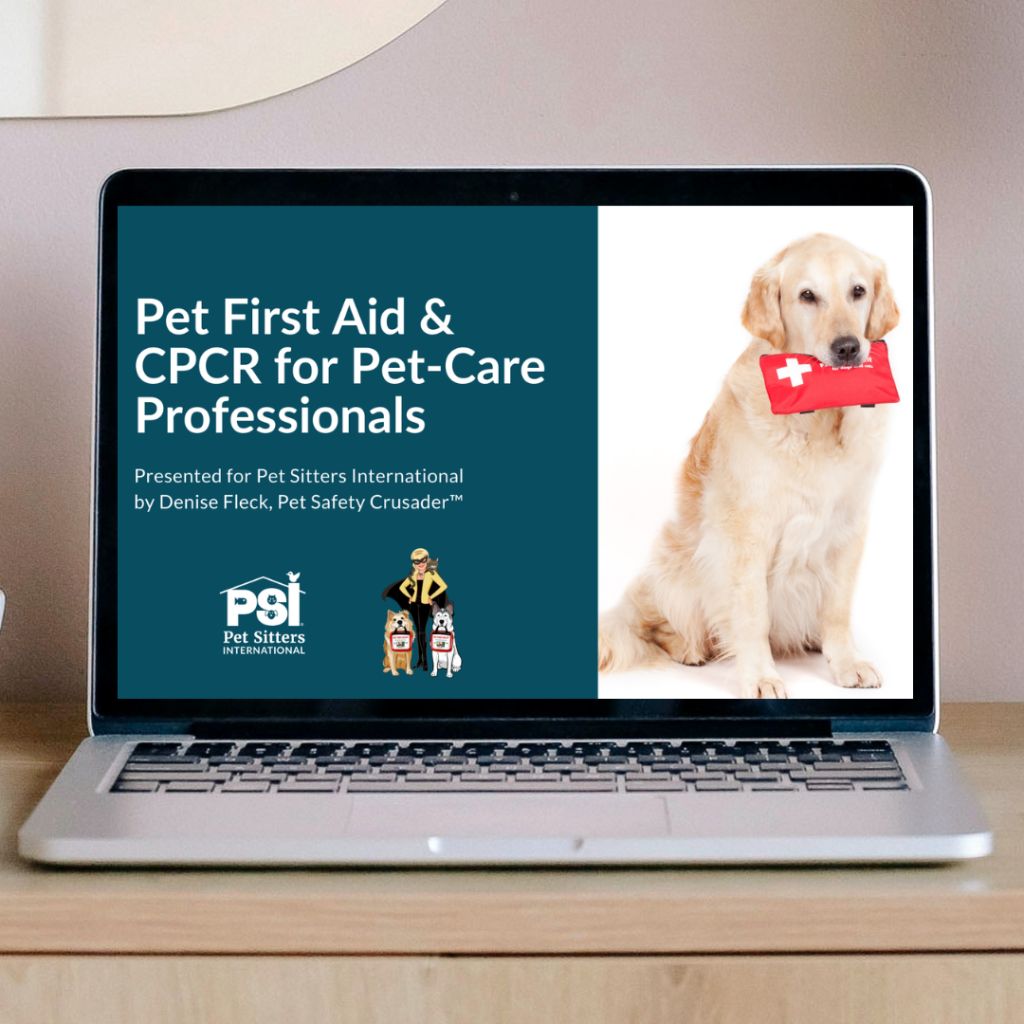
Essential Supplies for Your Pet
Equipping yourself with the right supplies is crucial for a successful journey. Here’s a complete list of items to consider bringing along:
- Food and Water: Pack enough food for the duration of your trip, along with a portable water bowl to keep your pet hydrated. Consider opting for travel-friendly food items that are easy to store and serve.
- Leash and Collar: A comfortable leash and collar are non-negotiable. Ensure that the leash is strong enough to handle your pet, especially in unfamiliar environments where distractions may arise.
- Health and Medicine Supplies: Bring along any medications that your pet may require, and consider packing a small first-aid kit. Having basic supplies like bandages and antiseptics can be a lifesaver in emergencies.
- Carrier or Crate: If your pet is small enough, a well-ventilated carrier is a safe option for travel, especially for air travel. Ensure it’s secure, comfortable, and familiar to your pet.
- Waste Management: Don’t forget to include waste bags for clean-up and some paper towels, just in case of spills or accidents during travel.
Acclimating Your Pet to Travel
Before embarking on your journey, it’s wise to take steps that help your pet acclimate to travel. Start with short car rides to get your pet used to being in the vehicle. If your pet is more comfortable at home in a crate, introduce the crate and let them spend time in it, rewarding them with treats to create positive associations.
When flying, book a direct flight whenever possible to minimize stress. Additionally, familiarize your pet with various transportation methods (like trains or buses) if you plan to use them, as this will decrease any anxiety linked to travel.
Comforting Your Pet During the Journey
Ensuring your pet feels relaxed throughout the trip is incredibly important. Keep the following tips in mind:
- Temperature Control: Maintain a comfortable temperature in the vehicle by using air conditioning or heat as required, as pets can overheat quickly in closed spaces.
- Calm Environment: Create a soothing atmosphere by playing gentle music or talking to your pet softly during the journey, as your presence can be reassuring.
- Regular Exercise: Engage your pet with light exercises during breaks to help them dispel excess energy and stay calm during the rest periods.
With thoughtful attention to detail and considerations surrounding your pet’s needs, preparing for travel can open up a whole new realm of experiences. Taking the time to strategize ensures that every mile becomes a cherished memory for both you and your furry companion.
Traveling with your pet can be an incredibly rewarding experience, but it also requires careful planning and consideration to ensure the safety and comfort of your furry friend. Before hitting the road or boarding a plane, it is crucial to prepare adequately. One of the first steps is to schedule a visit to the veterinarian. This is not just for vaccinations and health checks, but also to discuss any specific travel concerns. For instance, some pets may require medication for motion sickness, while others may need to be acclimated to a carrier if they are not already familiar with it.
When planning your travels, it’s essential to keep in mind the type of accommodation that is pet-friendly. Many hotels and rentals have specific policies regarding pets, so it’s wise to confirm their rules and any additional charges beforehand. Another key aspect is to make sure you have all necessary supplies packed. This includes food, water, a leash, waste bags, and comfort items like toys or a blanket. These things will not only keep your pet comfortable but can also make the journey less stressful for both of you.
Additionally, if you are traveling by car, it is advisable to take frequent breaks. This allows your pet to stretch, relieve themselves, and hydrate. For long trips, consider bringing along a pet first-aid kit and familiarizing yourself with nearby veterinary clinics along your route. In the case of air travel, ensure you review the airline’s pet policies, as they can vary greatly.
It’s also important to identify your pet with a microchip or a collar tag that contains your contact information. In the event of an unexpected separation, this can be vital in helping you reunite quickly. By following these essential preparations, you can help ensure both you and your pet enjoy a smooth and enjoyable travel experience.
| Preparation Aspect | Importance |
|---|---|
| Veterinary Check-up | Ensures your pet is fit for travel and receives necessary vaccinations. |
| Pet Identification | Helps in quickly locating your pet if they get lost during your travels. |
| Pet-Friendly Accommodation | Ensures a comfortable environment for your pet, minimizing stress for both of you. |
| Pack Essential Supplies | Keeps your pet comfortable and safe throughout the journey. |
Traveling Safely with Your Pet
Ensuring that your furry companion travels safely is one of the most critical aspects of the entire experience. Whether you’re hitting the road for a weekend getaway or boarding a plane for a longer excursion, stringent safety protocols must be followed for your pet’s well-being.
Secure Transport Options
Depending on the size and temperament of your pet, it’s essential to choose the right transport option. If you are driving, using a pet seatbelt or a special harness can help secure your pet in place, reducing the risk of injury in case of sudden stops. Crates or carriers should be adequately secured in the back seat or cargo area, as this not only protects your pet but also prevents distractions that can lead to accidents.
When flying, research the airline’s specific pet policies and ensure that the carrier meets their size requirements. It’s prudent to ask about temperature regulations and make arrangements with the airline to ensure your pet is not exposed to extreme conditions.
Health Considerations Before Travel
It’s important to consult your veterinarian before traveling to discuss any specific health concerns related to your pet. Pets with pre-existing conditions may require additional care and attention. Also, ensure your pet is current on essential vaccinations, as some destinations may have specific vaccination requirements to prevent the spread of diseases.
Additionally, if your journey will take you across state lines, familiarize yourself with the health certificates required by different states. A health certificate may be necessary to board a plane or enter certain areas and is usually valid for a limited time—so be sure to check its requirements well in advance.
Pet-Friendly Accommodations
Finding the right place to stay can significantly impact your entire travel experience. Make sure to seek out pet-friendly accommodations that cater to the unique needs of both guests and their pets. Websites like BringFido or Pets Welcome can provide resources and detailed information about where your pet will be welcome. Before booking, review the pet policy thoroughly, as rules regarding size, breed restrictions, and additional fees may vary among hotels and rental properties.
Upon arrival, inspect the accommodation to ensure it’s safe for your pet. Look for potential hazards like exposed wiring, toxic plants, or small objects that could be ingested. Establish a safe area where your pet can relax, especially if they might be nervous in an unfamiliar environment.
In-Travel Nutrition and Hydration
During travel, maintaining proper nutrition and hydration is vital. Plan for rest stops where you can feed your pet and provide opportunities for bathroom breaks, especially on long car journeys. Always offer fresh water and hydrate regularly to prevent dehydration, which can be exacerbated by stress and temperature changes.
If your pet is prone to motion sickness, discuss suitable strategies with your veterinarian. This may include feeding them a light meal before travel or prescribing medication to alleviate symptoms—both of which can make the journey less stressful.
Travel Etiquette with Your Pet
As a responsible pet owner, practicing good travel etiquette is crucial. Keep your pet leashed and under control at all times when outside your accommodations. Follow local leash laws and be considerate of other travelers by cleaning up after your pet. This not only reflects well on you as a pet owner but helps maintain a welcoming environment for all.
Understanding and being attentive to your pet’s comfort level during travel can significantly enhance the overall experience. By prioritizing their safety, health, and comfort, you’re setting the stage for adventures filled with cherished memories and new discoveries together.
Conclusion
Traveling with your pet can be an incredibly rewarding experience, offering a chance to create lasting memories and deepen your bond. However, proper preparation is essential to ensure a smooth and enjoyable journey. From selecting secure transport options and adhering to safety guidelines to considering your pet’s health needs and finding suitable accommodations, every detail matters. It’s important to spend time planning the logistics, including essentials like health certificates and any necessary vaccinations, to avoid surprises during your travels.
Equally crucial is maintaining your pet’s comfort and well-being throughout the trip. Frequent breaks for hydration and nutrition, along with a calm demeanor from you, can help alleviate any anxiety your furry friend might feel. As you navigate through various environments, being mindful of travel etiquette ensures not only your pet’s safety but also fosters a respectful atmosphere for fellow travelers.
In essence, the key to traveling with your pet lies in foresight and a commitment to their needs. By embracing the guidelines shared in this article, you can embark on your adventures well-prepared, ensuring that every journey is a delightful exploration for both you and your beloved companion. Take the time to explore more resources and stay informed about new tips and best practices in pet travel. Happy travels!