The Importance of Proper Nutrition for Pet Health
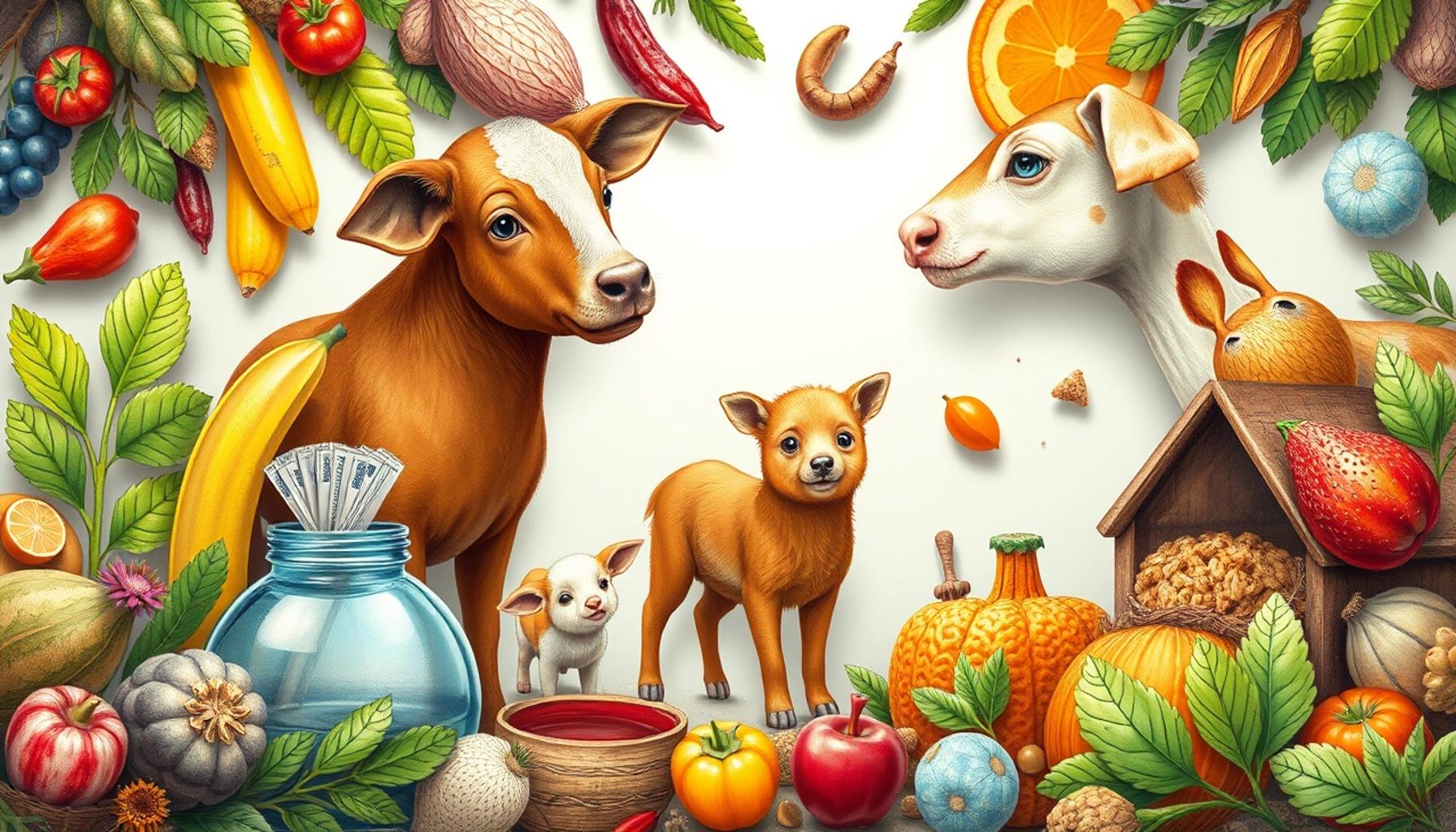
The Importance of Nutrition for Pets
Every pet owner wants their furry friends to live a long, healthy life. One of the most crucial factors affecting pet longevity and quality of life is proper nutrition. Just like humans, pets require a balanced diet to fuel their bodies, support their immune systems, and maintain overall health. Pet nutrition encompasses a variety of essential components, and understanding these can empower owners to make informed decisions about their pets’ diets.
The Role of Nutrition in Pet Health
Nutrition plays a vital role in various aspects of a pet’s life, affecting everything from their physical condition to their emotional wellbeing. Here are some key areas where good nutrition makes a difference:
- Weight Management: Obesity is a significant health issue for pets, leading to diabetes, joint pain, and other serious conditions. A well-balanced diet helps maintain a healthy weight. For example, measuring food portions and choosing low-calorie treats can prevent excessive weight gain.
- Energy Levels: Pets are naturally playful and active creatures, and the right nutrients provide the energy they need for play and exercise. A diet rich in protein and healthy fats can be particularly beneficial for active dogs and cats.
- Skin and Coat Health: A proper diet contributes to a shiny coat and healthy skin. Omega-3 fatty acids, commonly found in fish oils, are known to reduce inflammation and promote a glossy coat, making them an essential part of your pet’s diet.
- Digestive Health: Quality ingredients support good digestion and nutrient absorption. Including fiber-rich foods can aid digestion, decrease the risk of gastrointestinal issues, and ensure that pets benefit fully from the nutrients in their food.
- Longevity: A balanced diet can help prolong a pet’s life and reduce the risk of chronic diseases. Studies have shown that pets receiving high-quality nutrition often live longer, healthier lives compared to those fed inferior diets.
Understanding Your Pet’s Nutritional Needs
Furthermore, understanding the specific dietary needs of your pet—whether they are dogs, cats, or other animals—is essential. Factors such as breed, age, weight, and activity level all play a part in determining what constitutes a healthy diet for your pet. For instance, older pets may require diets lower in calories but higher in fiber, while active breeds like Border Collies might need extra calories to support their energy needs.
Additionally, it’s important to consider dietary preferences and allergies. Some pets may require grain-free diets due to sensitivities, while others might thrive on a diet enriched with specific vitamins and minerals tailored to their health issues. Consulting with a veterinarian can help tailor a diet suitable for your pet’s unique needs.
In this article, we will delve into the essential components of pet nutrition, explore common dietary pitfalls, and offer practical tips on how to choose the best food for your beloved companion. Join us on this journey to uncover how proper nutrition can transform your pet’s health and wellbeing, ensuring they enjoy a vibrant life filled with joy and companionship.
Nourishing the Body: Key Components of Pet Nutrition
A pet’s diet directly impacts their overall health, making it imperative for owners to understand the essential components of proper nutrition. When it comes to crafting the ideal diet for pets, not all ingredients are created equal. Ensuring that your furry friend receives the right balance of nutrients is fundamental for their health. The following components play critical roles in maintaining optimal pet health:
- Proteins: Proteins are the building blocks of life and essential for growth, bodily functions, and repair. Pets require a diet rich in high-quality protein sources, such as meat, fish, and eggs, which provide amino acids necessary for muscle development and overall energy. For instance, dogs are scavengers by nature and thrive on a protein-heavy diet, while cats are obligate carnivores, meaning they rely on animal-based protein for their survival.
- Carbohydrates: Though often debated, carbohydrates play a role in providing energy. They also support digestive health through fiber. Whole grains, fruits, and vegetables can serve as great animal nutrition sources for both dogs and cats. Owners should be mindful of the carbohydrate content, choosing complex carbs that digest slowly and avoid empty fillers.
- Fats: Healthy fats are crucial for energy and are necessary for the absorption of fat-soluble vitamins (A, D, E, K). Omega-3 and Omega-6 fatty acids help in maintaining a healthy coat and skin. Good sources of these fats include fish oil, flaxseed, and chicken fat, which can contribute to a shiny coat and improved overall health.
- Vitamins and Minerals: These micronutrients support a myriad of bodily functions. Vitamins like A, D, E, and B-complex are vital for skin health, vision, and general vitality. Minerals such as calcium and phosphorus contribute to healthy bones and teeth. Ensuring your pet’s diet is fortified with these nutrients is essential, as deficiencies can lead to severe health complications.
- Water: Often overlooked, water is the most crucial element of nutrition. It aids in digestion and helps transport nutrients throughout the body. Pets should always have access to clean, fresh water, especially if they are active or consuming dry food. Dehydration can lead to serious health issues such as kidney problems.”
Understanding Pet Food Labels
Pet owners are often confronted with a plethora of options when selecting food for their companions, making it necessary to understand how to read pet food labels for informed choices. The ingredients should be clearly listed, with the primary protein sources identified at the top. However, many brands also include fillers and by-products that may not contribute positively to your pet’s diet.
Look out for indicators like “complete and balanced,” which suggest the food meets the nutritional standards set by pet food authorities. Additionally, pay attention to the expiration date and adjust feeding habits based on your pet’s health, age, and activity level. Factors such as breed and size further influence dietary needs, requiring personalized approaches.
By demystifying the complexities of pet nutrition and deciphering food labels, owners can make educated choices that contribute to their beloved pets’ long-term health and wellbeing.
| Nutrient Types | Health Benefits |
|---|---|
| Proteins | Essential for muscle development and tissue repair, ensuring strong defense mechanisms against diseases. |
| Vitamins | Promote healthy skin, coat, and enhanced immune system function, vital for longevity. |
| Fats | Provide energy and support cell structure, contributing to a shiny coat and overall vitality. |
| Carbohydrates | Supply energy for physical activity and proper digestion, crucial for optimal health. |
Feeding pets the right combinations of nutrients can have a profound impact on their overall health. Each nutrient plays a specific role, enhancing not only physical health but also cognitive function and emotional well-being. Research indicates that pets receiving balanced diets tend to exhibit fewer behavioral issues and maintain a better quality of life. For instance, Omega-3 fatty acids, a type of fat often found in fish oils, support brain health and may reduce anxiety in dogs and cats. Moreover, nutrient-dense diets can help prevent obesity, a condition that is becoming increasingly prevalent in domestic pets. Obesity is linked to several health complications, including diabetes, arthritis, and heart disease. Therefore, understanding the importance of proper nutrition is essential for pet owners looking to ensure their furry friends lead long, healthy lives. By incorporating wholesome ingredients and being mindful of nutritional balance, pet owners can significantly enhance their pets’ vitality and longevity.
Tailoring Nutrition to Specific Needs
As much as fundamental components of pet nutrition matter, it is essential to recognize that every pet is unique. Factors such as age, breed, size, and health status can significantly influence dietary requirements. For instance, puppies and kittens have different nutritional needs than adult or senior pets. Understanding these distinctions ensures that pets receive a diet that promotes not just their current health but also their long-term vitality.
Puppy and Kitten Nutrition: The Foundations of Growth
Puppies and kittens are in crucial stages of development, which demand higher proportions of protein, fat, and essential nutrients. Puppy food is typically richer in calories than adult formulas, supporting rapid growth and energy needs. For example, the Association of American Feed Control Officials (AAFCO) recommends a diet containing at least 22% protein for puppies, while kittens require around 30%. Failure to provide adequate nutrition during these formative years can lead to stunted growth or developmental issues.
Senior Pet Nutrition: Addressing Age-Related Changes
As pets age, they experience physical changes that can necessitate a dietary overhaul. Senior pets may become less active, prompting an adjustment in caloric intake to prevent obesity. Additionally, their digestive systems may become less efficient, leading to a preference for highly digestible foods. Senior diets typically contain less protein to support kidney function and may include fibers to aid digestion and improve gut health. Notably, the inclusion of joint support supplements, such as glucosamine and chondroitin, is becoming increasingly common to address age-related mobility issues.
Specific Health Needs: Customized Diets for Medical Conditions
Pet owners must be particularly vigilant if their furry companions face health challenges such as diabetes, kidney disease, or allergies. For instance, pets diagnosed with diabetes may require a low-carbohydrate diet to manage their blood sugar levels effectively. Likewise, pets with food allergies may benefit from limited-ingredient diets that minimize potential allergens. Consulting a veterinarian for tailored dietary recommendations based on specific health issues is crucial for optimal nutritional support.
Holistic Approaches: Exploring Alternative Nutritional Sources
In recent years, a growing trend among pet owners is exploring holistic nutrition. This approach encompasses raw food diets, homemade meals, and even vegetarian or vegan options. While such diets can provide certain health benefits, it is vital to ensure they are balanced and provide all necessary nutrients. Pet owners considering these alternatives should work closely with their veterinarians to avoid nutritional imbalances and ensure that their choices align with their pets’ health needs.
The Role of Supplements: Enhancing Nutrition
In addition to a balanced diet, many pet owners explore supplements to enhance their pets’ nutrition. Supplements can aid in addressing specific deficiencies or health concerns. Common examples include omega-3 fatty acids for skin and coat health, probiotics for digestive support, and antioxidants to combat aging. However, introducing any supplements should be done cautiously and preferably under the guidance of a veterinary professional to avoid adverse interactions with existing diets or medications.
Understanding the intricacies of pet nutrition enables owners to make informed decisions that not only cater to their pet’s immediate needs but also support a long and healthy life. By embracing the individual requirements of their furry friends, owners can significantly enhance their pets’ quality of life while fostering a deeper bond through thoughtful care and nutrition.
Conclusion: The Cornerstone of Pet Wellness
In a world where our pets depend on us for their well-being, understanding the importance of proper nutrition stands as a cornerstone of responsible pet ownership. The journey toward optimal pet health begins with recognizing that a well-balanced diet tailored to individual needs is essential for longevity and vitality. From the critical growth phases of puppies and kittens, who require nutrient-dense formulas, to the specialized dietary adaptations needed for senior pets or those facing health challenges, every choice matters.
By consulting with veterinary professionals, pet owners can navigate the intricate landscape of pet nutrition with confidence, ensuring that their furry companions receive the essential nutrients necessary for thriving. Moreover, exploring holistic or alternative nutritional options opens avenues for personalizing pet diets, provided they are approached with caution and insight.
As we continue to deepen our understanding of pet health, it becomes evident that nutrition significantly impacts every aspect of a pet’s life, from their energy levels and physical appearance to their overall mood and behavior. With so many options available today, the responsibility lies with pet owners to make informed choices based on their pets’ unique requirements.
Ultimately, a commitment to proper nutrition will not only enhance the quality of life for our pets but also strengthen the bond we share with them. As guardians of their health, let us pledge to support our pets with the balanced diets they deserve, paving the way for many happy and healthy years together.