The Importance of Pet Socialization for Owners’ Mental Health and Well-Being

Exploring the Impact of Pet Socialization on Mental Health
As pet ownership continues to rise across the United States, the connection between pet socialization and human mental health is becoming increasingly recognized. Our furry companions do more than just offer unconditional love; they significantly enhance our emotional stability and well-being, particularly through social interactions.
Socializing pets involves exposing them to various environments, other animals, and people, which can lead to numerous benefits for both the animal and its owner. One of the primary advantages is the reduction in anxiety. A well-socialized pet, such as a dog that confidently interacts with other dogs and people, can serve as a calming force for their owner. For example, a study conducted by the Human-Animal Bond Research Institute found that spending time with pets can lower cortisol levels, the hormone associated with stress. When owners witness their pets behaving positively in social settings, it instills a sense of comfort and reduces feelings of anxiety.
Another significant benefit is the improved mood that arises from engaging in social activities. Pets often act as social catalysts, drawing owners into conversations and interactions during visits to dog parks or pet stores. For instance, pet owners frequently find themselves chatting about their animals’ quirky behaviors and traits with fellow dog lovers, fostering community and connection. This sense of camaraderie can significantly boost happiness levels, as individuals feel understood and less isolated in their experiences as pet owners.
- Increased physical activity is another important factor in this dynamic. Taking a dog to the park or participating in group walks can lead to a more active lifestyle, which is essential for mental clarity and overall health. Research indicates that regular physical activity releases endorphins, neurotransmitters that promote feelings of happiness and euphoria, further contributing to enhanced mental health.
Moreover, the bonds formed during pet socialization can combat feelings of loneliness and isolation. As owners share experiences and connect over their pets, they cultivate deeper relationships with other animal lovers. The simple act of taking your dog for a walk can transform into an opportunity for meaningful interactions and community building, reminding owners that they are part of a larger network of pet enthusiasts.
Understanding the profound impact of pet socialization reveals its necessity for a healthy lifestyle. The implications extend beyond the animals, affecting the mental landscape of the owners in ways that can significantly enrich their lives. By prioritizing the social needs of pets, owners often discover new friendships and support systems, turning what might seem like a chore into a fulfilling experience.
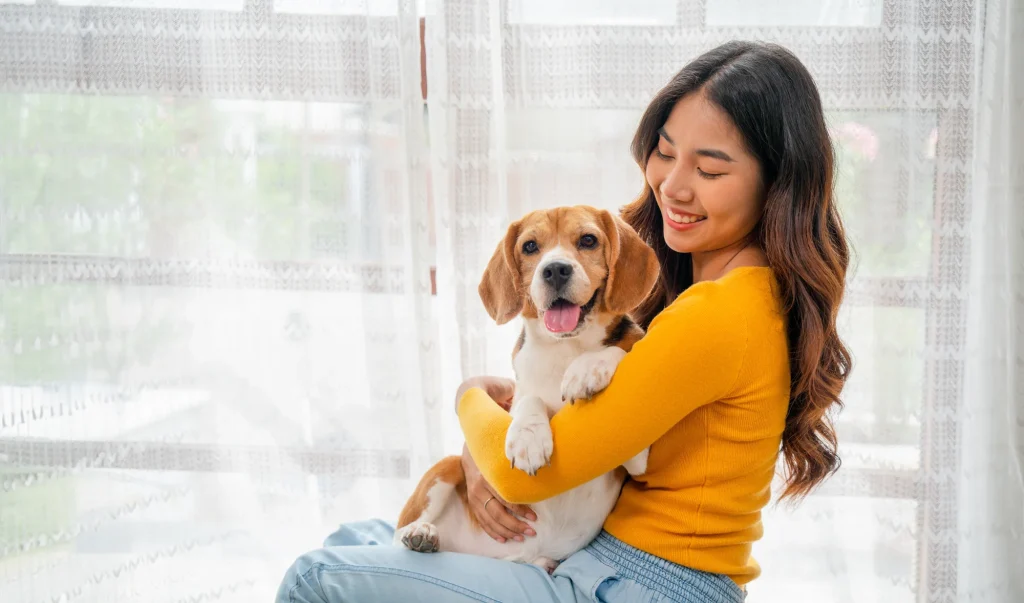
In conclusion, investing time in socializing pets not only benefits the animals but also enriches the lives of their owners. As we continue to learn about this connection, it becomes clear that fostering such interactions can lead to healthier, happier individuals who navigate life with greater emotional resilience.
The Benefits of Pet Socialization for Owners’ Emotional Well-Being
Pet socialization serves as a multifaceted approach to nurturing emotional health for pet owners. While many focus solely on the advantages it brings to the pet itself, such as improved behavior and reduced aggression, it is crucial to acknowledge the profound effects it has on human mental health as well. Engaging in pet socialization enables owners to experience a positive feedback loop, where their own mental well-being is enhanced by the social interactions of their pets.
One of the key benefits of pet socialization is how it can alleviate symptoms of depression and anxiety. According to a study by the National Institute of Mental Health, owning a pet can provide essential emotional support, often leading to lower rates of depression in individuals. In situations where personal or professional life becomes overwhelming, the presence of a well-socialized pet can serve as an emotional anchor during trying times. The simple act of observing a pet joyfully interacting with other animals or people can uplift spirits and renew a sense of hope.
Creating Healthy Routines Through Socialization
Additionally, the act of socializing pets cultivates routine and responsibility, contributing to a structured lifestyle—elements proven to foster mental health. Regular outings to pet parks or participating in group training classes require commitment, thereby nurturing a sense of purpose. When pet owners engage consistently with their pets in social settings, it encourages them to step outside their own concerns and focus on the here and now. Such routines can cultivate a sense of achievement, which in turn reinforces self-esteem and confidence.
- Enhanced senses of community: Pet owners often form deep connections with fellow enthusiasts, leading to enriched social interactions. A study by the American Psychological Association suggests that social support is a key factor in mental health resilience.
- Empathy and emotional growth: By navigating social environments together with pets, owners learn valuable lessons in empathy and care, factors that contribute to healthy interpersonal relationships.
- Mindfulness practice: The act of being present while observing a pet engage with its surroundings draws attention away from mental stress. This practice of mindfulness can lead to a calmer, more thoughtful approach to everyday challenges.
The emotional and psychological benefits of socializing pets extend beyond immediate gratification, impacting long-term mental health strategies for owners. Each interaction serves as a reminder of the joys of life, even in the most stressful of times. Owners who take the time to create social experiences for their pets are often rewarded with newfound resilience and stronger mental fortitude.
In summary, pet socialization plays an instrumental role in enhancing owners’ mental well-being. It fosters connections, builds routines, and instills feelings of joy and purpose—transforming the experience of pet ownership into a fulfilling journey of emotional growth. By understanding and prioritizing the socialization of pets, owners unlock a wealth of mental health benefits that resonate throughout their daily lives.
The Impact of Pet Socialization on Owners’ Emotional Health
Pet socialization plays a significant role in enhancing the well-being of pet owners. By fostering a dynamic social environment for pets, owners experience increased emotional support. Engaging with other pet owners not only provides companionship while navigating pet ownership challenges but also increases a sense of community. Pets that are well-socialized are less likely to exhibit behavioral issues, which in turn, reduces stress and anxiety levels for their owners.
Building Stronger Bonds through Shared Experiences
When pet owners participate in socialization activities, they build stronger emotional bonds with their animals, leading to improved mutual trust and communication. Regular interactions with other pets and people provide pets with experiences that enhance their adaptability. Owners, in turn, reap the benefits of their pets’ confident behavior, which contributes positively to their day-to-day interactions and social life.
Community Engagement and Support
Socializing pets encourages owners to engage more with their local communities, whether through dog parks, training classes, or community events. This engagement not only bolsters social networks but also creates opportunities for meaningful connections, wellness support, and potential friendships. As pet owners share stories and bond over their furry companions’ experiences, they inadvertently uplift their own mental health amidst the joys and trials of pet ownership.
| Category | Impact |
|---|---|
| Social Interaction | Increased opportunities for owners to connect with peers. |
| Emotional Bonding | Strengthens the relationship between owner and pet, enhancing happiness. |
Boosting Physical Activity and Mental Resilience
Regular socialization with pets involves outdoor activities, such as walking or playing fetch, which naturally improves physical health. Staying active not only promotes a healthier lifestyle but also releases endorphins, contributing to enhanced mental resilience and a positive mood. The combination of physical exercise and pet companionship creates a holistic approach to mental health, allowing owners to better cope with life’s stresses.
The Role of Pet Socialization in Building Lifelong Connections
Another significant aspect of pet socialization is its ability to facilitate meaningful connections between pet owners. In an age where isolation and loneliness are increasingly prevalent, pets can act as a bridge to building friendships and networks. Participating in community events, such as dog shows, agility classes, or breed meet-ups, not only fosters a sense of belonging among pet owners but also provides opportunities for social interaction that can ease feelings of isolation.
According to a 2021 survey by the Human-Animal Bond Research Institute, 74% of pet owners reported feeling less lonely due to their pets. When owners engage with others in the context of pet socialization, they are likely to meet like-minded individuals who share similar interests in animal care and companionship. These shared experiences contribute to enhanced social support, which is vital in combating mental health challenges.
Increased Physical Activity and its Mental Health Benefits
Furthermore, socializing pets often necessitates increased physical activity, a fundamental component of maintaining mental health. Dogs, for example, typically require regular walks and play sessions, leading owners to become more active themselves. Research published in the journal “Health Psychology” has shown that regular physical activity can significantly lower anxiety levels and reduce symptoms of depression. This is due to the release of endorphins during physical activity, which can enhance mood and promote a sense of well-being.
- Outdoor Exploration: Regular outings with pets also encourage exploration of local parks, trails, and hiking areas. Not only does this promote physical health, but it also enhances mood through exposure to nature, which has been linked to alleviating stress and anxiety.
- Shared Experiences: Engaging in physical activities with pets can create lasting memories and deepen the bond between the owner and their animal. These experiences can become touchstones for emotional support in the future.
- Variety of Activities: Pets can participate in diverse activities—from playdates to agility training—providing owners with options for social engagement that matches their comfort level and lifestyle.
Moreover, as owners work through behavioral challenges that arise during socialization, whether it be dealing with a shy dog or a hyperactive one, they learn resilience and patience. Tackling these challenges provides opportunities for personal growth, allowing owners to develop coping strategies that can be applied in other areas of their lives.
The simple act of engaging a pet in social interactions clarifies the reciprocal nature of companionship. Just as the socialization of pets serves to enrich their lives, it simultaneously cultivates a fulfilling environment for their humans. Pet ownership, when approached with a commitment to socialization, transforms into a holistic journey of emotional and psychological betterment. Through these shared experiences, owners often find a clearer path to navigating their own mental health challenges, empowering them to forge deeper connections and enhance their overall well-being.
Conclusion: Enhancing Lives Through Pet Socialization
In conclusion, the socialization of pets is not merely a matter of training and behavior correction; it is a multifaceted approach that significantly impacts the mental health and well-being of owners. By engaging pets in social settings, owners not only enhance their pets’ lives but also pave the way for their own emotional growth and social interaction. The statistics, such as the 74% of pet owners who report reduced feelings of loneliness, underscore the vital role pets play in fostering connections that can lead to improved mental health.
Moreover, the link between increased physical activity through pet socialization and enhanced mental health cannot be overstated. As owners take their pets out for walks or participate in community activities, they experience the dual benefits of exercise and social engagement, both crucial for mental wellness. The rhythmic connection established during these shared moments creates a profound sense of belonging and joy, reducing symptoms of anxiety and depression.
As pet owners, embracing the journey of socialization turns our companions into not just pets but also partners in mental health. Ultimately, understanding the importance of pet socialization calls for a shift in perspective—seeing our pets as conduits for connection, joy, and emotional support. By investing in this process, we not only enrich their lives but also open doors to improved mental health and a brighter outlook on life. As society grows more aware of these benefits, the call for responsible pet ownership and active socialization will naturally foster happier, healthier communities for both pets and their humans.