Positive Training Techniques: Strengthening the Bond with Your Pet

The Power of Positive Training
When it comes to establishing a solid relationship with your pet, effective communication and mutual trust serve as the foundation. Positive training techniques create a nurturing environment where your furry friend feels secure and cherished. By integrating these methods into your training regimen, you not only impart essential skills to your pet but also fortify the emotional bond you share with them.
Engaging in positive training provides numerous advantages that can significantly influence both you and your pet’s experience together. Here are some compelling reasons to consider adopting these methods:
- Enhances Trust: Animals naturally thrive in a stress-free environment, which fosters a deeper bond between pet and owner. For instance, dogs trained with positive reinforcement are less likely to exhibit fearful behaviors and are more open to engaging with their environment.
- Encourages Willingness: Pets are more likely to learn quickly when motivated by rewards instead of fear. A study conducted by the Academy of Animal Behavior Consultants found that animals trained with positive methods tend to show a greater willingness to respond to commands, leading to a more compliant and obedient pet.
- Promotes Social Behavior: Pets that receive positive training are often more sociable and adaptable in various situations. Well-trained dogs, for example, can more easily coexist with other animals and navigate unfamiliar environments without fear or aggression.
Positive reinforcement manifests in various rewarding forms. Here are some effective approaches you can use:
- Verbal praise: Simple affirmations like “good job!” or “well done!” can significantly uplift your pet’s morale, encouraging them to repeat positive behaviors.
- Treats: Small, healthy treats serve as tangible rewards for good behavior, making the training process enjoyable and rewarding for your pet. Consider using low-calorie options to avoid overindulgence.
- Playtime: Incorporating fun activities, such as fetch or tug-of-war, as incentives can greatly increase your pet’s motivation to learn. These interactive sessions not only enforce good behavior but also facilitate bonding through play.
As you delve into positive training techniques, you will unveil a path that leads to a happier, healthier, and more fulfilling relationship with your pet. The training journey is not merely about obedience; it can be an enjoyable and transformative experience, full of laughter and delightful discoveries, creating unforgettable memories that last a lifetime. By choosing positivity in training, you open the door to a world where communication flourishes, and your pet’s joy is paramount. Whether you’re a first-time pet owner or a seasoned caregiver, exploring these techniques will surely enhance your relationship with the special animal in your life.
Building a Strong Foundation with Positive Training
As pet owners, our ultimate goal is to cultivate a deep and meaningful relationship with our animal companions. Utilizing positive training techniques lays the groundwork for an unparalleled connection, allowing us to communicate effectively and bridge the gap between species. But what exactly does this entail? Positive training revolves around rewarding desirable behaviors while ignoring or redirecting undesirable actions, creating a cooperative atmosphere that encourages learning and trust.
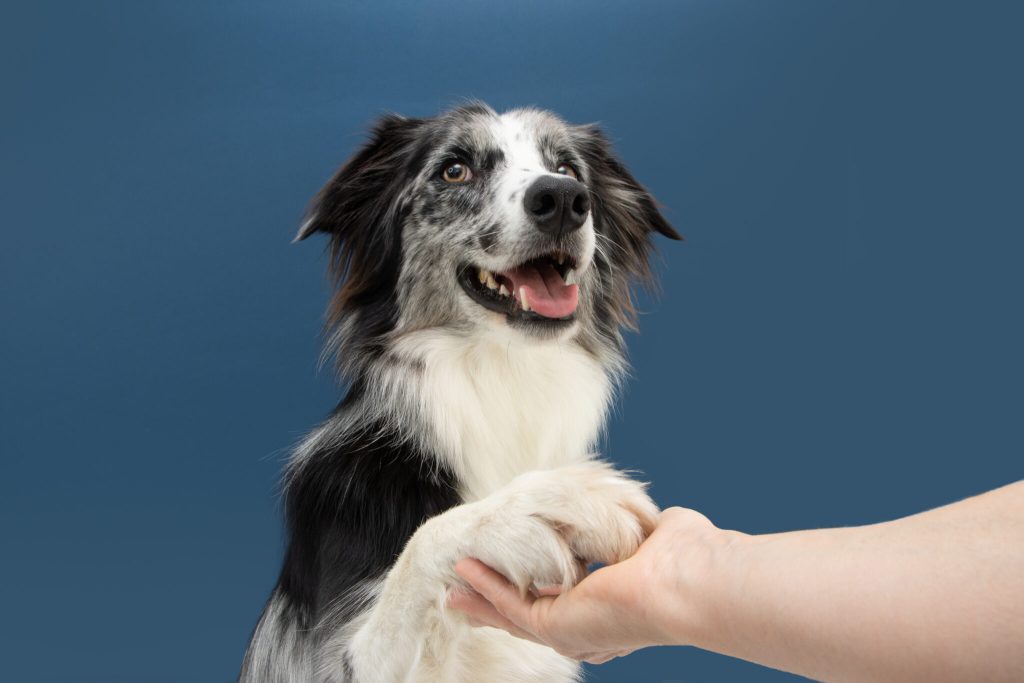
One of the cornerstones of positive training is understanding the importance of motivation. Each pet has unique preferences and motivators, which means that what works for one animal might not resonate with another. By identifying your pet’s enthusiasm—whether it’s food, play, or affection—you can structure your training sessions for optimal engagement. This bespoke approach not only boosts receptiveness but also strengthens your emotional bond during the process.
Types of Positive Reinforcement Techniques
Implementing positive reinforcement techniques forms the backbone of effective training. Here are several categories to consider:
- Food Rewards: Treats are undoubtedly one of the most popular forms of motivation. High-value items like small pieces of chicken or cheese can be beneficial for teaching new commands or behaviors. However, it is essential to control portions to prevent weight gain—a significant health concern for many pets.
- Clicker Training: Using a clicker can offer precision in timing when rewarding good behavior. Every time your pet performs the desired action, a quick “click” sound will signal to them that they’ve done something right, followed by a reward. This method enhances clarity, helping pets associate the click sound with positive outcomes.
- Physical Affection: Pets often crave closeness, and a simple stroke or cuddle can be as rewarding for them as treats. Engaging in physical affection during training creates a sense of comfort and reassurance, further cultivating trust.
- Time Together: Dedicating quality time to bond during training is crucial. Consider incorporating activities that your pet enjoys—whether it’s engaging in agility drills, going for a walk, or playing with their favorite toy—to combine fun with learning.
Engaging with your pet via these positive training methods not only accelerates their learning but also fosters a sense of confidence and security in them. Dogs, for example, thrive on the interaction, and a well-trained dog is generally happier and more well-adjusted in various scenarios. Moreover, pets that feel valued and understood are less likely to develop behavioral issues rooted in anxiety or insecurity. By focusing on creating a positive training environment, you set the stage for an enduring partnership built on respect and love.
In the realm of positive training techniques, the journey is just as important as the destination. As you embark on this rewarding experience, you will likely discover new facets of your pet’s personality while strengthening the connection you share. Whether you are teaching basic commands or tackling more complex behaviors, approaching each training session with patience and enthusiasm is crucial for success.
| Advantage | Description |
|---|---|
| Enhanced Communication | Positive training techniques foster a deeper understanding between you and your pet, allowing for clear signals and responses that strengthen your bond. |
| Increased Trust | Using positive reinforcement builds trust and encourages your pet to feel safe and respected, leading to a more harmonious relationship. |
| Better Obedience | Rewards-based training methods instill desired behaviors, making your pet more obedient while preserving their joy and enthusiasm. |
| Stress Reduction | Minimizing the use of harsh methods reduces anxiety during training sessions, leading to a happier pet and owner experience. |
Engaging in positive training techniques is more than just teaching commands; it is about fostering a strong relationship with your pet. By focusing on these aspects, not only do you enhance your pet’s behavior, but you also cultivate a sense of companionship that can last a lifetime. Exploring these various techniques and their advantages could open up new doors to understanding and appreciating your four-legged friend even more.
Enhancing Your Relationship Through Consistency and Patience
One of the fundamental principles of positive training techniques is the significance of consistency. From the moment you start a training regimen, maintaining a uniform approach in commands, cues, and reinforcement methods is crucial. This consistency helps your pet understand expectations and reduces confusion. For example, if you decide to use the word “sit” to instruct your dog, stick with that term and avoid switching to alternatives like “sit down” or “down.” Such changes can hinder their learning progress and create uncertainty, making it more challenging to build that all-important trust.
Patience goes hand-in-hand with consistency in training outcomes. Pets may not respond immediately to commands or may regress in their learning. Acknowledging that animals require time to adapt is essential to nurturing your bond. Consider the example of training a puppy to walk on a leash. At first, they may tug or refuse to move forward, displaying behavior that can test your patience. However, through gentle guidance, frequent stops for exploration, and positive reinforcement every time they walk by your side, you’ll see improvement over time, strengthening the connection you share.
The Power of Bonding Activities
Beyond traditional training methods, integrating bonding activities into your interactions further fortifies your relationship with your pet. Engaging in obedience training within the context of fun games can turn serious learning into a joyful experience. For instance, incorporating activities such as fetch, hide-and-seek, or even simple obstacle courses can transform learning sessions into exciting adventures. This enthusiastic environment cultivates a deeper connection and reveals new dimensions of your pet’s personality.
Moreover, understanding the emotional language of your pet is also a vital piece of the puzzle. Pay attention to their body language, vocalizations, and reactions during training. For example, a wagging tail can indicate excitement and eagerness, while a tucked tail or pinned ears may signal fear or discomfort. Adjust your training techniques accordingly to ensure a supportive atmosphere where your pet feels safe and encouraged to explore new skills. Recognizing these cues not only enhances training effectiveness but enriches the overall relationship.
Setting Realistic Goals
When embarking on a training journey, setting realistic goals is another key ingredient for success. Using the SMART criteria—Specific, Measurable, Achievable, Relevant, and Time-bound—can guide you in crafting realistic expectations. For example, instead of overly ambitious goals like having your pet perform five tricks in a week, break it down into smaller, manageable milestones, such as teaching one new command every few days. Celebrating each achievement, no matter how small, reinforces positive behavior and fosters a sense of accomplishment that deepens your bond.
Integrating positive training techniques into your routine doesn’t just benefit the pet but also the owner. The time you invest in these practices gives profound insights into your pet’s behavior and desires, promoting a cooperative relationship grounded in understanding. This journey enriches both lives, creating a partnership built on trust, respect, and mutual affection.
Conclusion: The Lifelong Journey of Connection
Incorporating positive training techniques into your relationship with your pet is more than just teaching obedience; it’s a pathway to creating a profound, lasting bond rooted in trust and understanding. As we’ve explored, consistency, patience, and the joy of engaging in shared activities lay a solid foundation for effective training. Recognizing your pet’s emotional cues and celebrating small victories fosters an atmosphere of support that enhances both learning and companionship.
Moreover, understanding that each pet is unique necessitates a tailored approach. The diverse personalities of pets often require customized techniques to address their individual needs and learning styles. Consider the variety of bonding activities—from agility courses to simple leash walks—that can turn routine training into memorable experiences. These shared moments not only solidify behavioral strategies but also enrich daily life, making it all the more rewarding.
As you embark on this rewarding journey, remember the importance of setting realistic goals to ensure sustainable progress. Each step you take not only leads to a well-behaved pet but also deepens the emotional connection you share. Ultimately, the investment in positive training techniques yields insights into your pet’s behavior and desires, evolving your relationship into a partnership characterized by love, respect, and joy.
As owners, embracing this holistic approach to pet training not only enriches our pets’ lives but also transforms our own, leading to a harmonious coexistence that will surely last a lifetime. Explore, connect, and enjoy the remarkable journey of training together—as your bond will only grow stronger with every step taken.