The Importance of Hydration: How Water Contributes to Pets’ Nutrition and Health
The Importance of Water in Pet Care
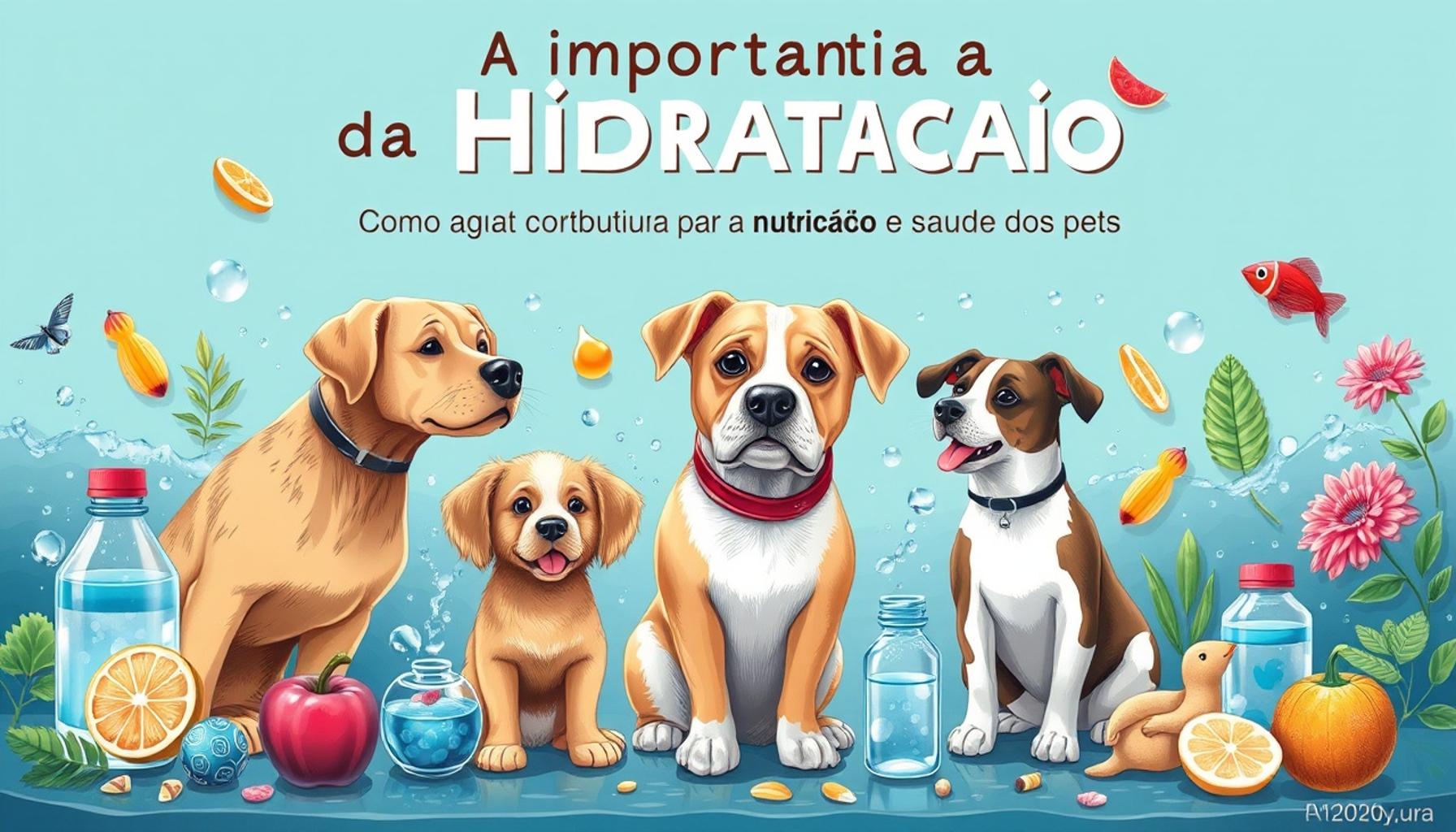
Water is an essential component for all living beings, and this holds especially true for our furry companions. Hydration plays a crucial role in maintaining pets’ overall health and optimizing their nutritional intake. Many pet owners may underestimate the significance of proper hydration in their pets’ lives. While it might seem like a simple aspect of pet care, the impact of adequate water consumption can be profound.
Physiological Functions of Water
One of the most vital aspects of hydration is its support for physiological functions. Water is essential for digestion; it aids in breaking down food, allowing nutrients to be absorbed efficiently. Without sufficient water, the body may struggle to absorb necessary nutrients, which can lead to deficiencies over time. Metabolic processes, which include everything from energy production to waste removal, also depend on an adequate supply of water.
Meteorological Regulation
Additionally, water plays a significant role in regulating body temperature. Pets, like humans, can be vulnerable to heat. During the sweltering summer months, adequate hydration helps pets maintain their internal temperature. Dehydration can lead to serious heat-related illnesses, so offering water frequently, especially during outdoor activities, is paramount. For instance, if you’re taking your dog for a hike in California’s beautiful but hot landscape, make sure to bring water along for both you and your pet.
Maintaining Healthy Skin and Coat
Another crucial benefit of sufficient water intake is its effect on skin and coat health. A well-hydrated pet typically boasts a shiny, healthy coat and is less likely to suffer from skin issues. For example, some breeds, such as Golden Retrievers and Labrador Retrievers, are prone to skin conditions; ensuring that these pets drink enough water can help mitigate some of these risks, leading to fewer vet visits and a happier pet.
Recognizing Dehydration
Despite the importance of hydration, pets can often suffer from dehydration unknowingly. Symptoms may include dry gums and tongue, loss of skin elasticity, lethargy, and reduced appetite. Understanding these signs is crucial for pet owners. Regularly monitoring your pet’s water intake and behavior can help you catch potential hydration issues before they escalate into more serious health problems.
Enhancing Pet Well-being
Understanding the importance of hydration can significantly enhance a pet’s overall well-being. Ensuring that your pet has constant access to fresh, clean water is a simple yet effective way to support their health. Consider investing in water bowls that keep water cool or pet water fountains, which can encourage more frequent drinking. Awareness of hydration not only promotes better health but can also lead to longer, happier lives for our beloved companions.
As we continue to explore the connection between water and your pet’s nutrition and overall health, it becomes clear that ensuring proper hydration is a fundamental aspect of responsible pet ownership.
The Role of Water in Nutrient Absorption
When considering the importance of hydration for pets, one cannot overlook its integral role in nutrient absorption. Water is not merely a thirst-quencher; it’s a crucial facilitator of the digestive process. For pets, especially those transitioning to a new diet, hydration influences how well they can absorb nutrients from their food. Pet owners should be aware that the consumption of high-moisture diets, such as wet food, can contribute positively to overall hydration. Conversely, dry kibble often requires a greater water intake to ensure nutrients are effectively utilized.
Water as a Vehicle for Nutrients
Water serves as a vehicle for transporting vitamins and minerals to different parts of the body. Essential nutrients, including vitamins A, D, E, and K, are fat-soluble and rely on adequate hydration to move through the bloodstream. Inadequate water intake can hinder this process, leading to nutrient imbalances that can affect a pet’s energy levels, immune function, and overall vitality.
Daily Water Requirements for Pets
So, how much water does your pet actually need? The general guideline recommends that dogs drink about 1 ounce of water per pound of body weight each day, while cats may require approximately 4.5 to 5.5 ounces for every 5 pounds. However, these recommendations can vary based on activity level, food type, weather conditions, and health status. For example, an active dog in a warmer climate will need more water than a more sedentary pet indoors. It’s essential for pet owners to adjust their pets’ water intake depending on environmental factors.
Factors Influencing Water Intake
Several factors can influence how much water a pet should consume. Understanding these factors can guide responsible pet ownership:
- Diet: Pets on dry food diets often require more water than those consuming wet food.
- Activity Level: More active pets or those exercising outdoors need additional hydration.
- Weather Conditions: Hot and humid climates can increase a pet’s need for fluids.
- Overall Health: Illness, pregnancy, and lactation can elevate hydration needs.
Monitoring hydration becomes easier when pet owners understand these factors and adjust their care accordingly. Incorporating water-rich foods, such as fruits suitable for pets like watermelon or cucumber, can further enhance hydration levels. Keep in mind that certain fruits should only be offered in moderation. Ensuring that fresh, clean water is readily available can lead to a healthier pet and can help prevent complications associated with dehydration.
In our next sections, we will delve deeper into hydration’s impact on specific aspects of pet health, from urinary function to cognitive performance, further emphasizing the critical role water plays in your pet’s nutrition and well-being.
To understand the importance of hydration in pets, it’s crucial to recognize how water acts as a fundamental component of their overall nutrition. Just as it does for humans, water plays a key role in maintaining the body’s balance and facilitating various biological processes in animals. For instance, hydration aids in digestion, ensuring that nutrients are effectively absorbed and waste is efficiently excreted. This, in turn, helps in preventing issues like constipation and other gastrointestinal disorders that might stem from dehydration.Moreover, pets that are well-hydrated are more likely to maintain healthy skin and coat conditions. Water contributes to the elasticity and integrity of the skin, preventing dryness and irritation. It’s particularly important for breeds prone to skin issues or those that live in harsher climates. Additionally, staying hydrated helps regulate body temperature, allowing pets to cope with warmer environments. This is especially vital during hot weather or after vigorous exercise, where a lack of sufficient water intake can lead to overheating and associated health risks.In terms of overall health, water supports organ function by aiding in the transport of essential nutrients to tissues. It also serves as a lubricant for joints, which is particularly important for older pets or those with arthritis. In these cases, adequate hydration can contribute significantly to their quality of life by reducing pain and improving mobility.Pet owners are encouraged to observe their furry companions and ensure they have constant access to clean, fresh water. Sometimes, pets may not drink enough, either due to a lack of thirst or because of changes in their environment or diet. Understanding the signs of dehydration—such as lethargy, dry gums, or reduced skin elasticity—can help owners take immediate action to improve their pet’s hydration status.Incorporating wet food into a pet’s diet can also enhance their water intake. These options not only contribute to their hydration needs but are often more palatable and nutritionally beneficial. Therefore, it is vital for pet owners to remain vigilant about their pets’ water consumption and educate themselves on the impacts of hydration on nutrition and health.With this in mind, let’s take a closer look at the specific advantages of proper hydration for pets through the table below.
| Advantage | Description |
|---|---|
| Enhanced Digestion | Water aids in nutrient absorption, enabling better digestion and overall nutrient intake. |
| Joint Health | Hydration lubricates joints, reducing pain and improving mobility, particularly in older pets. |
| Temperature Regulation | Adequate water intake helps maintain a stable body temperature during hot weather or exercise. |
| Skin and Coat Health | Proper hydration supports healthy skin and fur, preventing dryness and irritation. |
Hydration’s Impact on Organ Function
Beyond supporting nutrient absorption, adequate hydration is vital for the optimal functioning of various organs in pets. Water aids in regulating body temperature, flushing out toxins, and maintaining healthy physiological processes. For example, in dogs and cats, the kidneys play a crucial role in filtering waste and regulating fluid balance. When pets do not drink enough water, their kidneys must work harder, potentially leading to dehydration and subsequent kidney problems. Pet owners should recognize that hydration is a key component of preventing renal issues.
The Connection Between Water and Urinary Health
Urinary health in pets is significantly influenced by their hydration levels. Insufficient water intake can lead to concentrated urine, which increases the risk of urinary tract infections (UTIs) and the formation of kidney stones. The consequences of these issues can be severe, causing discomfort and necessitating costly veterinary treatments. For instance, the American Animal Hospital Association suggests that pets with a history of urinary issues should have constant access to fresh water and may benefit from wet food. Additionally, pet owners can encourage hydration by monitoring their pets’ bathroom habits, watching for signs of difficulty or discomfort.
Hydration and Digestive Health
The digestive system relies heavily on water to function efficiently. A well-hydrated pet is better equipped to digest food and absorb nutrients, promoting overall digestive health. When pets lack sufficient water, they may experience constipation, leading to discomfort and potentially more serious gastrointestinal issues. It is particularly important for pets consuming dry food, as the fiber in their diet requires adequate moisture for optimal breakdown. As a preventative measure, pet owners should incorporate high-fiber foods and constant access to fresh water in their pets’ diet to support a healthy digestive tract.
Effects of Dehydration on Behavior and Cognitive Function
The implications of inadequate hydration extend to pets’ neurological health as well. Water is essential for the brain to function optimally. Studies show that even slight dehydration can result in lethargy, decreased focus, and cognitive decline in pets. Behavior changes, such as increased irritability or decreased responsiveness, may indicate that a pet is not getting enough water. Understanding this connection between hydration and cognitive function can help pet owners act swiftly to address their pet’s hydration needs, thereby maintaining not only their physical health but also their mental well-being.
Tips for Ensuring Optimal Hydration
To improve hydration in pets, consider the following strategies:
- Provide Constant Access to Water: Always ensure fresh, clean water is available. Consider investing in a pet water fountain to encourage drinking.
- Incorporate Wet Food: If possible, mix wet food into their diet or choose a high-moisture diet to enhance hydration levels.
- Add Flavor: Some pets may be drawn to water with a splash of low-sodium broth or flavor enhancers designed for pets.
- Monitor Water Intake: Keep track of how much water your pet is drinking, and consult your veterinarian if you notice any significant changes.
By understanding the multifaceted role of hydration in their pets’ health, pet owners can take proactive measures to ensure their furry companions stay well-hydrated, ultimately leading to a healthier, happier life.
Conclusion: The Vital Role of Hydration in Pet Care
The significance of hydration in preserving the overall health and wellbeing of our pets cannot be overstated. From promoting optimal organ function to bolstering urinary and digestive health, adequate water intake is fundamental in preventing a myriad of health issues. As we have explored, the implications of dehydration extend beyond physical health, influencing behavior and cognitive function, which further underscores the importance of regular monitoring and proactive strategies for fluid intake.
Pet owners must recognize that hydration serves as a cornerstone of a balanced diet and is essential for nutrient absorption and delivery. By implementing practical measures—such as incorporating wet food, providing constant access to fresh water, and monitoring their pets’ drinking habits—owners can help mitigate the risks associated with dehydration. Given the growing prevalence of health issues linked to inadequate hydration, it’s crucial that we remain vigilant in ensuring our furry friends are consuming enough water.
In essence, the link between hydration and overall pet wellness is clear and demands attention. By fostering an environment that encourages proper hydration, we can contribute to our pets’ longevity and vitality, ensuring they lead healthy, fulfilling lives. Therefore, let us take the initiative to educate ourselves and others on the importance of hydration, paving the way for happier and healthier companions.