How to Choose the Ideal Toy to Stimulate the Natural Behavior of Pets

Understanding Pet Play Needs
Choosing the right toy for your pet is not just about fun; it’s about stimulating their natural behaviors. Pets engage with toys in ways that mimic their instincts, sharpening their mental and physical agility. Selecting the ideal toy can greatly enhance their quality of life and foster long-term well-being. Not only can toys provide amusement, but they can also become integral to your pet’s daily routine, serving as tools for exercise and engagement that reduce stress and anxiety.
Why Toys Matter
Toys serve multiple purposes for pets and contribute significantly to their overall happiness, including:
- Encouraging physical activity: Regular playtime keeps pets agile and healthy. For instance, interactive toys that dispense treats or balls that launch when batted can motivate pets to stay active. Particularly for dogs, a simple game of fetch can burn off excess energy, preventing behavioral issues that stem from boredom, such as chewing furniture or excessive barking.
- Providing mental stimulation: Toys designed for puzzle-solving or hiding treats can engage your pet’s cognitive abilities, preventing boredom and destructive behavior. Cats, for instance, may find great joy in puzzle feeders that challenge them to think critically before enjoying their meal. This stimulation not only sharpens their minds but also mimics the hunting behaviors they exhibit in the wild.
- Facilitating bonding time: Certain toys encourage play between pets and their owners, strengthening the relationship. Tug-of-war games with a rope toy or interactive laser pointers can create joyful moments, reinforcing the bond of trust and companionship. Through shared play, pets feel more secure and loved, essential elements for their emotional well-being.
Recognizing Natural Behaviors
Understanding your pet’s instincts helps in the selection of appropriate toys. For instance:
- Dogs: These animals typically enjoy fetching, chewing, and tugging. A sturdy chew toy can satisfy their natural urge to gnaw, contributing to dental health while providing hours of entertainment. Furthermore, dogs who love to chase can benefit from flying discs or balls designed for outdoor play, encouraging both exercise and social interaction.
- Cats: Felines often exhibit behaviors such as stalking, pouncing, and scratching. Toys that mimic prey movement, like feather wands or laser pointers, can entice them to leap and bound energetically. Scratching posts not only prevent destructive clawing of household items but also offer a necessary outlet for stretching and maintaining healthy claws.
By aligning playtime with these natural instincts, you can foster an environment where pets feel engaged and fulfilled. Moreover, investing the time to observe your pet’s preferences can lead to tailored choices in toys, ensuring they lead an enriched life. As you continue your exploration into pet enjoyment and satisfaction, consider the array of options available. The right selection could transform your pet’s playtime experience in ways you never imagined!
Identifying Your Pet’s Preferences
Choosing the ideal toy to stimulate the natural behavior of your pets begins with understanding their unique preferences and play styles. Every pet is different, and their enjoyment levels can vary significantly depending on their personality and instinctual drives. By assessing what truly appeals to your furry companions, you can make informed decisions that enhance their playtime and overall lifestyle.
Observing Play Styles
To select the perfect toy, it’s crucial to observe how your pet interacts with the world around them. Not only does this help in finding toys that align with their behavior, but it also provides insights into their mood and energy levels. Every pet exhibits distinct play styles, and recognizing these can lead to a much more enjoyable playtime experience. Here are some behaviors to monitor:
- Active Engagement: If your dog often engages in activities like running or jumping, it indicates a need for physical stimulation. Toys that encourage movement, such as squeaky balls or flirt poles, can be excellent choices. These items not only incite excitement but also promote exercise, which is essential for their wellbeing. For instance, a game of fetch with a brightly colored ball can keep your dog invigorated and mentally stimulated.
- Pouncing and Hiding: Cats are natural hunters, displaying behaviors of stalking and ambush. They thrive when given toys that allow them to exert their hunting instincts. Feather toys or small, plush mice cater perfectly to these instincts, allowing for hours of entertainment as your feline friend engages in playful pouncing. You might also consider puzzle feeders, which add an element of challenge by encouraging your cat to “hunt” for treats, engaging both their mind and body.
- Chewing and Gnawing: For pets that enjoy chewing, selecting durable toys specifically designed for this purpose can be beneficial. Tough rubber toys or dental chews can satisfy this need, promoting healthy teeth and gums particularly for dogs. Specialty toys like Nylabone or Kong products are great examples, as they not only withstand strong jaws but also come in enticing flavors that appeal to your pet’s taste buds.
Prioritizing Safety and Quality
Another critical aspect when choosing toys is safety. It’s imperative to select options specifically designed for your pet’s size and chewing strength. Larger breeds might require more robust toys to avoid choking hazards, while smaller breeds may benefit from toys tailored to their petite jaws. Look for toys made from high-quality materials that are free from harmful chemicals. Brands that prioritize pet safety provide detailed ingredient lists and manufacturing standards.
Checking for certifications, such as those from the American Society for the Prevention of Cruelty to Animals (ASPCA) or the Humane Society, can offer added assurance of a product’s safety. Additionally, regularly inspecting toys for wear and tear, replacing them when necessary, ensures your pet’s safety during playtime. A torn toy could pose risks such as choking or ingestion of foreign materials.
By identifying your pet’s play style and prioritizing safety, you lay the groundwork for a fulfilling toy selection process. Engaging with your pet’s natural behaviors through tailored toys can lead to healthier, happier companions. The exploration of their preferences not only enhances playtime but also strengthens the bond between you and your pet. Each experience shared paves the way for meaningful memories that extend beyond mere entertainment, enriching both lives in the process.
When selecting the ideal toy to stimulate the natural behavior of your pets, it is crucial to consider their unique instincts and needs. Different animals exhibit various innate behaviors: dogs may require toys that encourage fetching and chewing, while cats might thrive with toys that mimic hunting activities. Understanding these distinctions is key in promoting physical and mental stimulation.Pet toys come in various forms, each targeting specific behaviors. For instance, interactive toys incentivize problem-solving skills, keeping your pet engaged while enhancing their cognitive functions. These toys often dispense treats as pets figure out how to manipulate them, rewarding natural scavenging instincts. Furthermore, toys that encourage play-fighting or ‘prey’ activities can satisfy a cat’s instinctual need to stalk and pounce.Consider the material of the toys as well, opting for durable and safe options that resist wear and tear. The size of the toy is also critical; it should be appropriate for your pet’s size and play style to prevent choking hazards and ensure they can enjoy their playtime without fear.Additionally, introducing a rotation of toys can prevent boredom, keeping your pets excited and engaged. Rotating toys can replicate the novelty of new experiences, which is vital for maintaining their interest. Always observe your pet’s interactions with different toys, allowing you to tailor selections that cater to their unique preferences and behaviors.Investing time in understanding the right toys for your pet not only enriches their playtime but also enhances their overall well-being. Choosing toys that resonate with their natural instincts can lead to happier and healthier pets, fostering closer bonds between you and your furry friends.
Diversifying Your Toy Selection
After identifying your pet’s preferences and ensuring safety measures are in place, the next step is to diversify your toy selection. A broad assortment of toys not only caters to changing moods and energy levels but also prevents boredom and encourages continuous play. Pets thrive on variety, and offering a range of options allows them to engage in multiple behaviors.
Types of Toys to Consider
Here are several categories of toys to consider that can resonate well with your pet’s natural instincts:
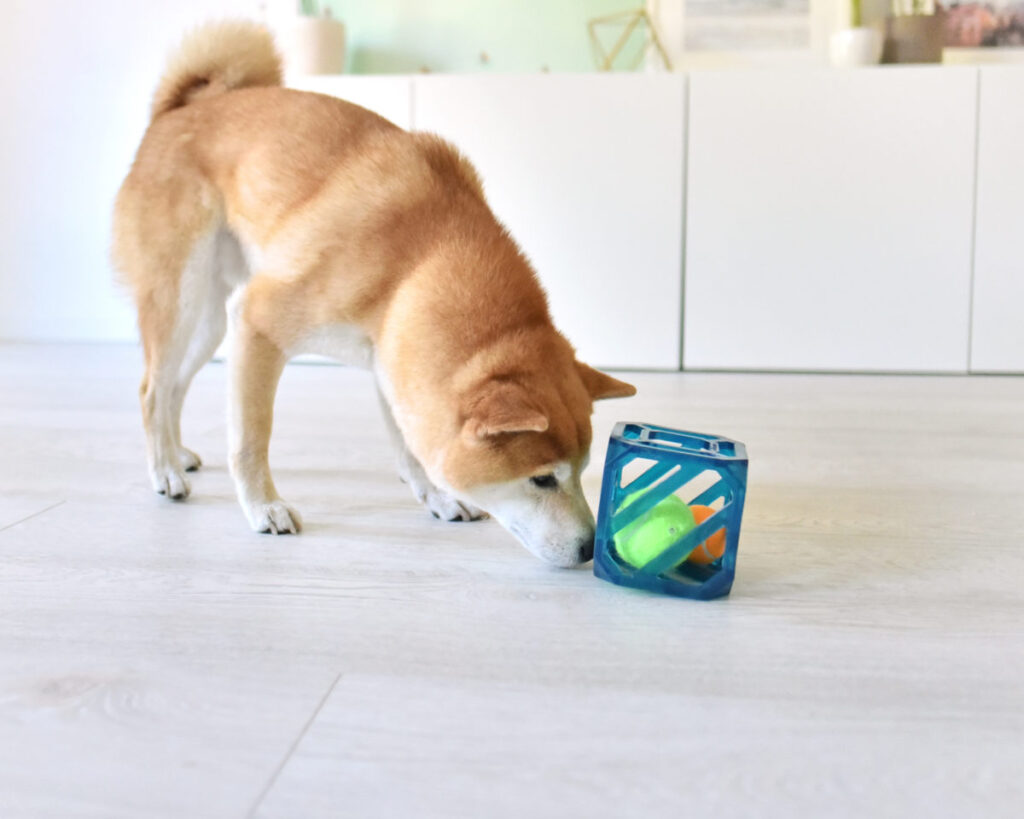
- Interactive Toys: These toys promote active participation from your pet, which is essential for keeping their minds engaged. Look for toys that can be filled with treats or that have moving parts to stimulate curiosity. Examples include toys like automatic laser pointers for cats or treat-dispensing balls for dogs, which require your pet to solve problems to access their rewards.
- Fetch and Retrieve Toys: The instinct to chase is strong in many breeds, making fetch toys highly beneficial. Toys like aerodynamic frisbees or glowing balls not only provide a great exercise outlet but also foster a bond between you and your pet as you engage in games together. Using fetch toys specifically designed for visibility outdoors can enhance the fun, especially in low-light conditions.
- Enrichment Toys: To cater to your pet’s cognitive skills, consider toys designed for mental stimulation. Puzzle toys, where pets must figure out how to unlock the treats inside, mimic challenges they might face in the wild. These toys can reduce anxiety and prevent destructive behavior, particularly for pets that spend long hours alone at home.
- Comfort Toys: While stimulating play is crucial, it’s also important to provide comfort. Soft toys or plush companions can offer solace and help alleviate loneliness. Many dogs and cats find comfort in cuddly toys that mimic the size and texture of prey, helping them engage in nurturing behavior. Look for toys that are machine-washable for easy cleanup.
Incorporating Age Appropriateness
Another critical factor in your toy selection is your pet’s age. Just as we transition from toys suited for toddlers to educational games for teens, pets also have varying needs at different life stages.
- Puppies and Kittens: These younger pets require toys that are not only engaging but also safe for their developing teeth. Chew toys that provide some resistance can help alleviate teething pain while still piquing their curiosity.
- Adult Pets: Adult pets benefit from toys that complement their established play styles. Engaging with them through fetch toys or puzzle games can contribute to muscle tone and mental sharpness, while also providing critical social interaction.
- Senior Pets: Older pets may benefit from softer toys or gentle play that accommodates their physical limitations. Opt for toys that require less vigorous activity but still stimulate their minds, such as slow feeder bowls or light plush toys that require minimal effort to engage with.
By diversifying your toy selection and considering age appropriateness, you provide your pet with a rich play environment that fosters both physical and mental well-being. Understanding the intricate details of your pet’s behavior and needs enables you to choose toys tailored specifically for them, paving the way for an enriched, engaging, and joyful life.
Conclusion
Choosing the ideal toy to stimulate the natural behavior of pets is not merely about selection; it’s an art that combines understanding your pet’s instincts, preferences, and lifestyle stages. By diversifying your toy selection, you enable your furry friends to engage in a myriad of activities that fulfill their physical and mental needs. Different toy categories—such as interactive, fetch, enrichment, and comfort toys—cater to various behaviors, ensuring that your pets remain stimulated and happy.
Moreover, considering the age appropriateness of these toys ensures that each of your pets, from lively puppies to gentle senior companions, can enjoy constructive playtime that accommodates their specific needs. This personalized approach can significantly enhance their overall well-being, reducing anxiety and preventing undesirable behaviors while fostering a deeper connection between you and your pet.
Ultimately, a thoughtful choice in toys can lead to a dynamic environment that encourages exploring, learning, and bonding. As pet owners, it is our responsibility to provide an enriching atmosphere that respects and stimulates our pets’ inherent behaviors. So, embark on the journey of understanding your pet better and invest in toys that not only amuse but also contribute meaningfully to their lives. The right toy is more than just a plaything; it’s a pathway to a happier, healthier pet.