The Importance of a Balanced Diet for the Health of Pets in Nigeria
The Impact of Balanced Nutrition on Pets
Every pet owner recognizes the importance of nutrition in fostering the health and longevity of their beloved animal companions. In Nigeria, where pets are often considered integral members of the family, providing a wholesome diet is not just a responsibility but also a commitment to their well-being. Unfortunately, a concerning number of pet owners may overlook the profound effects that a balanced diet can have on their pets’ overall health, leading to a host of preventable issues.
One alarming consequence of inadequate nutrition is obesity, which is increasingly prevalent among pets in urban areas. This condition doesn’t just affect appearance—it raises the risk of serious ailments like diabetes and heart disease. For instance, a pet owner may unknowingly overfeed their dog with table scraps or high-calorie treats, leading to weight gain. It’s crucial to understand that a dog’s energy requirements are based on its breed, age, and activity level, and adjusting the diet accordingly is vital for maintaining healthy weight.
Similarly, malnutrition can be detrimental, manifesting as poor immune function or stunted growth in puppies. In Nigeria, where access to diverse commercial pet foods might be limited, many pet owners rely on local foods that are not always nutritionally adequate. For example, a diet consisting mainly of starches without sufficient proteins and vitamins can hinder a pet’s development and health.
Moreover, dental problems are often overlooked in pet care. An unbalanced diet can lead to the accumulation of plaque, resulting in gum disease and other dental issues. Just like humans, pets require proper oral hygiene that can be supported through their diet. Crunchy kibble or dental chews can help maintain their dental health while providing essential nutrients.
Given Nigeria’s diverse cultural landscape and varying socio-economic conditions, it is essential for pet owners to understand the components of a nutritious meal for their pets. Factors such as affordability and availability significantly influence pet diets. Yet, pet owners can creatively incorporate local ingredients into meals. Below are suggestions for a balanced pet diet:
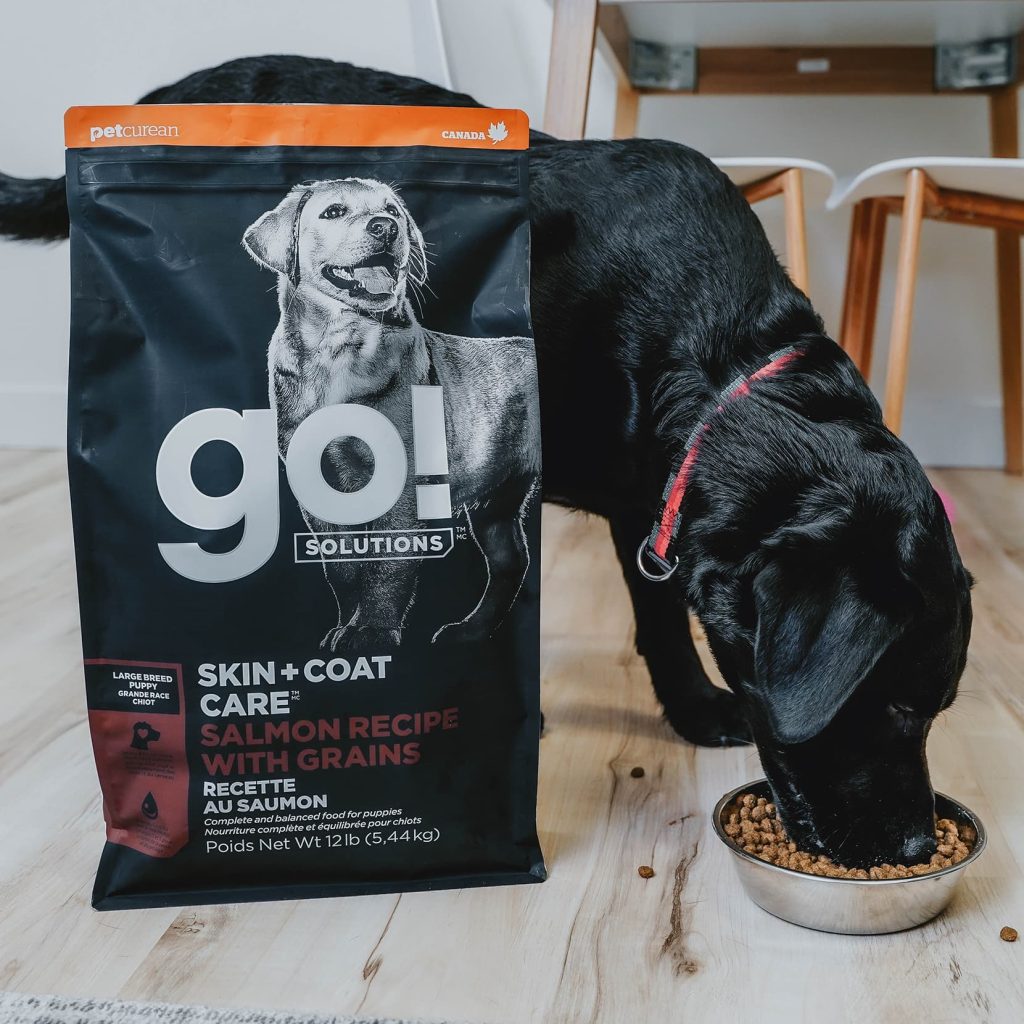
- High-quality proteins: Incorporating accessible sources like chicken, beef, or fish can provide the essential amino acids needed for muscle development and overall health.
- Fruits and vegetables: Items such as carrots, spinach, and bananas are not only healthy but also affordable options that can enhance the nutritional profile of a pet’s meal.
- Grains: Staple foods like rice or oats can serve as energy sources, helping pets stay active and engaged.
In conclusion, the importance of a balanced diet cannot be overstated. As we explore this topic further, it becomes clear that educating pet owners on nutritional needs and accessible dietary options is essential for improving pet health across Nigeria. The journey towards healthier pets begins with informed choices in their nutrition, ultimately fostering happier, longer lives alongside their human families.
SEE ALSO: Click here to read another article
Navigating Nutritional Needs: A Blueprint for Pet Owners
In a country as vibrant and diverse as Nigeria, the nutritional needs of pets can vary greatly. Understanding these needs is essential for every pet owner who desires to provide their furry friends with a holistic and balanced diet. The right combination of nutrients not only supports the daily health of pets but also fortifies their bodies against diseases, fosters a robust immune system, and enhances their overall quality of life.
Animal welfare experts emphasize that a balanced diet for pets encompasses a well-rounded mix of proteins, carbohydrates, fats, vitamins, and minerals. Each of these components plays a unique role in maintaining health and vitality. For instance, proteins, derived from sources like fish, chicken, or local meats, are crucial for muscle building and repair. Without adequate protein, pets may experience muscle atrophy and prolonged recovery times from injuries.
Moreover, carbohydrates are not just fillers; they are essential sources of energy. Simple carbohydrates, like rice or yam, can be easily digested, while complex carbohydrates, such as beans and lentils, provide lasting energy. This is vital for dogs that need stamina for activities like herding or playing. Interestingly, certain Nigerian grains such as maize and cassava can be utilized to create balanced meals that cater to specific energy needs while remaining cost-effective.
Fats are often overlooked in pet diets, yet they are essential for healthy skin and a shiny coat. Healthy fats, found in fish oil or flaxseed, promote hydration and can help reduce common skin problems, particularly in hot climates. For instance, many Nigerian pet owners have observed that breeds with thicker coats, such as the Nigerian Dog (local breed) or the Shih Tzu, require additional attention to fat intake to maintain skin health especially in warmer months.
Adding a variety of fruits and vegetables can enhance a pet’s diet significantly. Items such as pumpkin, carrots, and pawpaw can be excellent supplements that provide necessary vitamins without breaking the bank. These natural foods are rich in antioxidants, which help combat oxidative stress and can improve longevity and vitality. Moreover, pet owners should remain cautious, as not all fruits and vegetables are safe for pets. For instance, grapes and onions can be toxic, making it crucial for owners to educate themselves on safe food choices.
Creating a nutritious meal plan tailored to an individual pet’s needs requires a thoughtful approach that considers age, breed, health conditions, and activity levels. For effective meal planning, pet owners can keep a few basic guidelines in mind:
- Research breeds: Understand the specific dietary requirements of your pet’s breed.
- Portion control: Measure food according to weight and active lifestyle.
- Regular vet check-ups: Consult with a veterinarian for tailored dietary advice.
Integrating these various elements into a cohesive diet can transform a pet’s health. Pet owners need to be proactive in exploring nutritional options and making informed choices, which subsequently lays the groundwork for healthier, happier companions amidst the geographical and economic diversity of Nigeria.
| Nutrition Source | Health Benefits |
|---|---|
| High-Quality Protein | Supports muscle development and energy levels. |
| Fruits and Vegetables | Boosts immunity and provides essential vitamins. |
| Healthy Fats | Promotes healthy skin and a shiny coat, while supporting heart health. |
| Whole Grains | Provide energy and aid in digestion, ensuring a healthy gut. |
| Supplements | Can enhance bone health and joint mobility, especially for older pets. |
In Nigeria, where pet ownership is on the rise, understanding the importance of a balanced diet for the health of pets is crucial. Educating pet owners about the right nutritional choices can lead to improved quality of life for their animals. For instance, adding high-quality protein to their meals can significantly support muscle development in dogs and cats, while fruits and vegetables can be a vital source of essential vitamins, boosting pets’ immunity against diseases. Healthy fats not only promote shiny coats but also contribute to cardiovascular well-being, which is often overlooked. Whole grains can provide the needed energy and facilitate digestion, essential for the active lifestyle many pets enjoy. Furthermore, as pets age, the incorporation of specialized supplements may play a role in enhancing bone health, allowing pets to maintain their mobility. Awareness of these nutritional aspects can spark interest among pet owners to explore more about maintaining their pets’ diets, leading to healthier, happier lives for their beloved companions in Nigeria.
ADDITIONAL INSIGHTS: Expand your understanding here
Tailoring Diets for Diverse Breeds and Lifestyles
In Nigeria, where the diversity in pet ownership is as rich as its culture, tailoring diets to meet the unique requirements of various breeds and lifestyles is crucial. With an increasing number of households adopting pets, ensuring that these animals receive the proper nutrition has gained prominence. This is especially significant for indigenous breeds like the local Nigerian Dog, which may have different dietary needs compared to imported breeds such as Labrador Retrievers or French Bulldogs.
Understanding the metabolic differences among pets can be vital when designing their meals. For instance, larger breeds often have slower metabolism rates, meaning they require more calories to maintain their body weight. Conversely, smaller breeds might need high-energy foods to fuel their often more active lifestyles. In urban areas of Nigeria, where pets may not engage in as much physical activity, it’s important for owners to adapt their feeding habits accordingly to prevent obesity, a growing concern affecting many pets.
Another layer to consider is the age of pets. Puppies and kittens have distinct nutritional needs compared to adult and senior pets. The growing bodies of young animals demand higher protein content for optimal development, while elderly pets might benefit from diets lower in calories but higher in vital nutrients like omega-3 fatty acids for joint health. Local resources, such as readily available livestock by-products and common grains, can be utilized effectively to craft nutritious meals that cater explicitly to both young and aging pets.
The shift towards recognizing the importance of nutrition has also led to a burgeoning pet food market in Nigeria. Many manufacturers are beginning to offer locally produced pet food options that combine traditional ingredients with essential nutrients. However, owners should remain vigilant, as not all commercial pet foods are created equal. Prompted by the rising awareness of pet nutrition, many savvy pet owners are choosing to make homemade meals. This brings the advantage of controlling ingredients, thereby avoiding fillers and preservatives common in mass-produced options.
Seasonality can also impact the availability and suitability of pet diets. Different regions in Nigeria have varying seasonal crops that can be incorporated into pet diets. During the harvest season, ingredients like fresh vegetables or fruits become more accessible and cost-effective. Pet owners are encouraged to use this bounty to create seasonal meals that not only benefit their pets but also reflect the country’s agricultural richness. Meal preparations incorporating sweet potatoes, yams, or leafy greens during certain months can be both nutritious and economical.
Additionally, many Nigerian households incorporate table scraps into pet diets, which may lead to nutritional imbalance if not properly managed. While sharing a meal can deepen the bond between pets and owners, it’s imperative that pet owners educate themselves on which human foods can safely be given to pets. Foods including chicken bones, chocolate, and certain spices, for example, should be strictly avoided.
Moreover, educating pet owners on understanding food allergies or intolerances is equally important in Nigeria’s pet food landscape. Symptoms like itching, digestive issues, or lethargy can often stem from food-related sensitivities. Regular consultations with veterinarians can empower pet owners to understand these issues better and adjust their pets’ diets accordingly.
Finally, engaging in community discussions about shared pet care, from local experiences to exchanging nutritious recipes, can foster a healthier environment for pets in Nigeria. Utilizing social platforms or local pet clubs can also help spread knowledge on nutritional strategies amongst pet owners, ensuring more pets across the nation thrive with the balanced diets they deserve.
SEE ALSO: Click here to read another article
Conclusion
In conclusion, the importance of a balanced diet for the health of pets in Nigeria cannot be overstated. As pet ownership continues to grow, so does the necessity for understanding and implementing appropriate nutritional practices tailored to the diverse breeds, ages, and lifestyles of pets. An emphasis on species-specific dietary needs—including the differentiation between local and imported breeds—plays a crucial role in promoting overall health and longevity.
The rise of local pet food manufacturers and the trend towards homemade meals reflect a growing awareness of the impact of diet on pet well-being. By leveraging local ingredients and seasonal produce, pet owners can create nourishing meals that rely less on imported products, promoting both health and sustainability within the community. Moreover, recognizing the signs of food allergies and intolerances allows pet owners to take proactive steps in managing their pet’s health.
Ultimately, the journey towards better pet nutrition in Nigeria requires a collective effort. As pet owners engage in educational exchanges and share experiences, they can foster a supportive environment that emphasizes the significance of diet in pet health. By adopting these practices and striving for an informed approach to pet nutrition, we can ensure a healthier and more vibrant life for our beloved companions. This is not just about feeding pets; it is about nurturing their overall well-being and happiness in our homes.