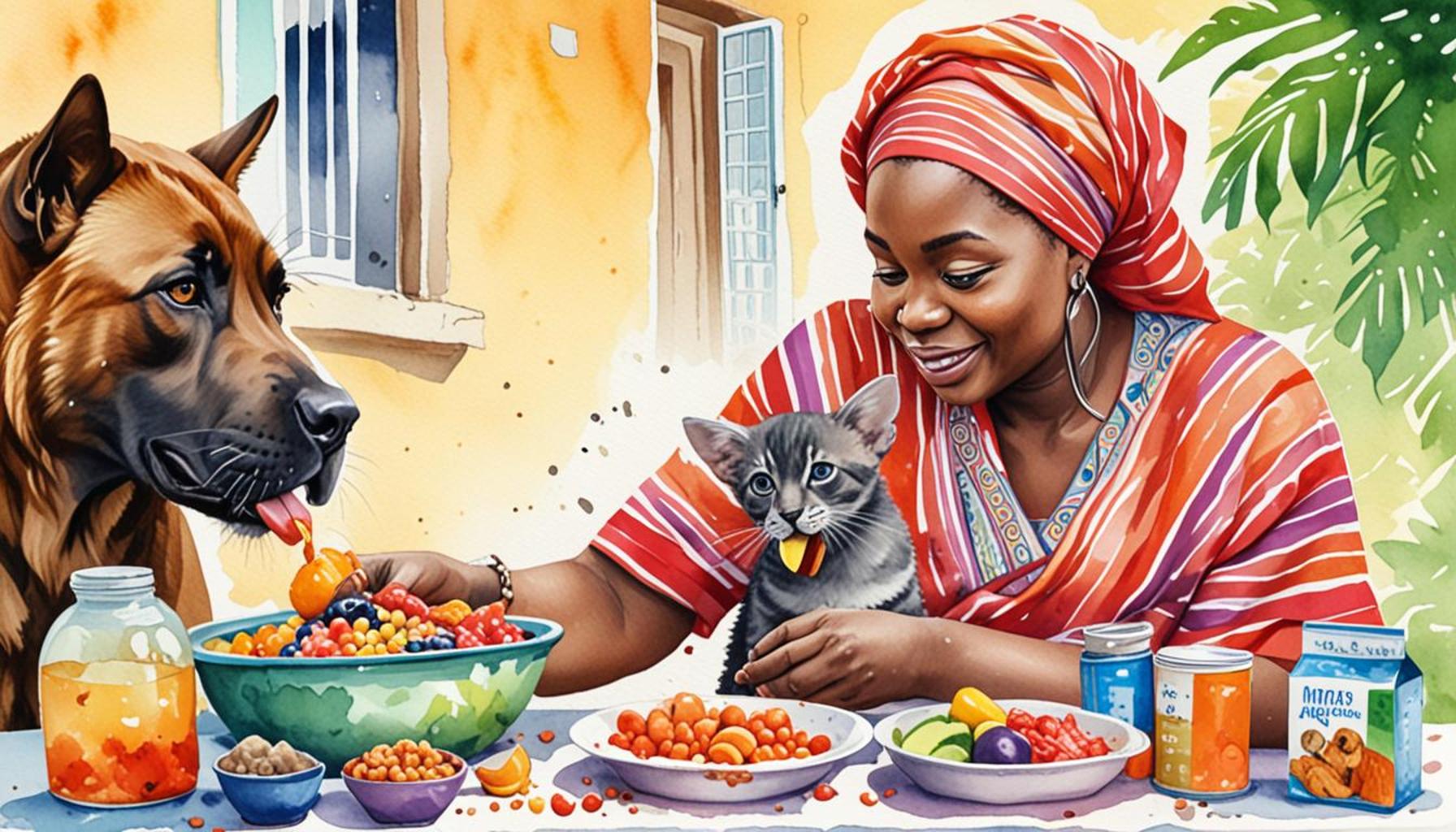
Natural Foods vs. Industrial Feed: What is Better for Your Pet in Nigeria?
Understanding Your Options
The choice of what to feed your pet can shape their health and well-being significantly. In Nigeria, pet owners are increasingly torn between natural foods and industrial feed. Each option comes with its own sets of advantages and challenges. The growing pet culture in Nigeria has prompted discussions among pet owners about the best dietary choices for their furry companions. As the pet food industry evolves, it is important to examine the implications of these choices on our pets’ overall health.
What is Natural Food?
- Consists of whole ingredients: Natural food encompasses a range of minimally processed ingredients that are free from artificial additives and preservatives. This means that your pet’s meals may include fresh meats, vegetables, fruits, and grains, all of which can provide wholesome nutrition.
- Can include fruits, vegetables, meats, and grains: Common natural food ingredients include rice, chicken, carrots, fish, and liver. In many Nigerian households, pet owners may even incorporate local delicacies like goat meat and yams, ensuring that meals are both nutritious and familiar.
- Often considered more nutritious by proponents: Advocates of natural feeding assert that it closely mimics a pet’s ancestral diet, which may lead to healthier skin, shiny coats, and increased energy levels.
The Appeal of Industrial Feed
- Convenient and readily available: Industrial feeds have gained popularity due to their accessibility, often found in local pet shops and supermarkets across Nigeria. This convenience allows for a quick and easy solution for busy pet owners.
- Formulated to meet basic nutritional needs: Many commercial pet foods are fortified with essential vitamins and minerals to meet AAFCO (Association of American Feed Control Officials) standards. This formulation can simplify the process for pet owners, ensuring their pets receive appropriate nutrients.
- Variety in flavors and types, catering to different pets: The industrial pet food market offers an impressive range of flavors, textures, and formulations designed for various life stages and dietary needs. From puppy to senior formulas, there’s something to suit every pet’s unique requirements.
In Nigeria’s bustling markets, pet owners can discover a rich array of both food types. However, as concerns about pet health and nutrition continue to rise, it is crucial to explore what truly benefits our pets. Are we making the right choices based on our pet’s specific needs? This inquiry leads many to investigate further into the impact of nutrition on their pets’ health, considering factors such as allergies, gastrointestinal issues, and overall longevity.
Whether you choose natural foods or industrial feed, it is essential to be informed. Thorough research and consultation with veterinarians can assist in forming a diet plan tailored to your pet’s needs, ensuring a healthier and happier life. The right choice not only affects your pet’s daily energy levels but can also have a lasting impact on their longevity and quality of life. Ultimately, understanding your options is the first step towards making informed decisions for your beloved pets.
ADDITIONAL INSIGHTS: Expand your understanding here
Exploring Natural Foods for Pets
When considering what constitutes natural foods for pets, we delve into options that prioritize whole, unprocessed ingredients. This dietary approach aligns with a growing trend among Nigerian pet owners who seek to provide their pets with wholesome nutrition reminiscent of a more ancestral diet. Utilizing ingredients that are readily available in local markets, pet owners can create meals that not only nourish their furry friends but also appeal to their tastes.
- Local ingredients play a key role: In Nigeria, common natural food offerings might include a variety of locally sourced ingredients such as chicken, goat meat, cassava, and yams. These foods not only reflect the cultural culinary practices but can also provide balanced nutrition.
- Health benefits: Advocates of natural feeding often highlight benefits like improved digestion, lower risks of allergies, and overall vitality. The fresh, unprocessed nature of these foods is believed to lead to shinier coats and better skin health due to the absence of artificial additives.
- Preparation can be labor-intensive: One of the notable challenges that come with natural feeding is the time and effort required for preparation. Pet owners not only need to ensure they are providing a balanced diet but must also devote time to cook meals and avoid harmful ingredients that could pose risks to their pets.
As the pet ownership landscape evolves in Nigeria, many have started to incorporate a mix of natural foods into their pets’ meals, inspired by the belief that fresh food can enhance their pets’ quality of life. Furthermore, this transition towards natural feeding may also stem from rising awareness about the nutritional content in mass-produced industrial feeds.
The Rise of Industrial Feed
Industrial feed has become increasingly appealing to pet owners due to its convenience and formulation designed to meet basic nutritional needs. Available in an array of flavors and types, these feeds cater to the unique requirements of pets at different life stages. In Nigeria, pet supply stores and supermarkets are teeming with options that claim to be complete and balanced.
- Ease of access: With industrial feeds readily available across cities in Nigeria, busy pet owners find it easier to grab a bag during their routine shopping trips. This accessibility is often a significant factor driving the choice toward commercial pet food.
- Quality assurance: Many reputable brands adhere to regulations set forth by international bodies, ensuring their products provide essential vitamins and minerals as per AAFCO standards. This assurance simplifies feeding for pet parents concerned about nutritional balance.
- A wide variety of choices: From grain-free formulas to specialized diets for allergies, the industrial feed market boasts a rich selection. This variety allows pet owners to select foods tailored to their pet’s specific needs, which can be particularly beneficial for pets requiring specialized nutrition.
While industrial feed offers a plethora of options paired with significant convenience, the debate over its long-term health implications often lingers in discussions among pet enthusiasts in Nigeria. As pet owners navigate through the myriad of marketing claims, discerning the real value of these feeds against a backdrop of traditional diets becomes increasingly vital.
| Natural Foods | Industrial Feed |
|---|---|
| Higher Nutritional Value | Convenience |
| Natural foods offer rich vitamins and minerals important for your pet’s health, reducing the likelihood of diseases. | Industrial feed is often easier to source and store, providing consistency in feeding. |
| Allergen-Free Options | Cost-Effective |
| Natural diets can be tailored to avoid allergens, promoting better overall health for sensitive pets. | Industrial feed typically comes at a lower price point, making it easier for pet owners on a budget. |
| Environmental Impact | Clinical Validation |
| Choosing natural options can contribute to a lessened carbon footprint, appealing to eco-conscious pet owners. | Many industrial feeds are backed by scientific research regarding their health benefits. |
As pet owners in Nigeria weigh the decision between natural foods and industrial feed, they must consider numerous factors including health benefits and convenience. Many who favor natural foods argue that they not only provide superior nutrition but also allow owners to control ingredients, ensuring that their pets do not ingest harmful additives typically found in mass-produced feeds. In contrast, proponents of industrial feed stress the practicality and accessibility that these products offer, especially for urban dwellers with time constraints.It is also essential to recognize that the choice can impact the environment. Natural foods tend to support sustainable farming practices, minimizing the carbon footprint associated with pet food production. Still, thanks to the rigorous testing and validation processes, many industrial feeds offer well-rounded diets that can be just as beneficial for pets, making the debate even more compelling. Ultimately, pet owners must assess what aligns best with their lifestyle, their pet’s dietary needs, and their values towards sustainability and health. Exploring options with informed diligence can pave the way for healthier and happier pets in Nigeria.
RECOMMENDED: Check out this similar article
Understanding the Nutritional Landscape
As Nigerian pet owners navigate the complex choices of natural foods versus industrial feed, it is crucial to understand the nutritional landscape of these two options. While both can provide essential nutrients, the sources and processing methods differ significantly, impacting the overall health and well-being of pets.
The Nutritional Content of Natural Foods
Natural foods often boast higher levels of bioavailable nutrients, meaning that pets can absorb and utilize these nutrients more efficiently. For instance, fresh meats such as chicken or goat are rich in high-quality protein and essential amino acids necessary for muscle development and overall vitality. Vegetables like pumpkin, leafy greens, and carrots found in local markets can provide vital vitamins and antioxidants that support the immune system.
- Enzymatic benefits: The fresh produce in natural meals contains natural enzymes that can aid in digestion. For pets suffering from digestive issues, introducing natural foods might serve as a remedy.
- Adaptability to dietary needs: Pet owners can easily customize meals based on their pets’ specific health conditions. If a dog is showing signs of gluten intolerance, switching to a natural diet with local grains or cassava can serve as a tailored approach.
The Science Behind Industrial Feed
On the flip side, industrial feeds are meticulously engineered to meet a pet’s nutritional requirements across various life stages. Scientific research backs many formulations, highlighting the inclusion of specific nutrients that may not be present in home-prepared meals. For example, the addition of omega-3 fatty acids and certain probiotics is designed to promote optimal skin health and gut function.
- Stability and preservation: Industrial feeds are generally stable and have a longer shelf life due to added preservatives, making them a convenient choice for busy households.
- Research-backed formulations: Originally developed by animal nutritionists, many commercial pet foods undergo rigorous testing to ensure they fulfill essential dietary needs and minimize health risks.
Assessing the Impact on Pet Health
While both feeding approaches have unique benefits, it’s essential to assess their impact on pet health within the Nigerian context. There’s a growing concern among pet owners regarding the long-term effects of consuming processed foods rich in additives and fillers. In contrast, natural diets, though requiring more preparation, offer a simpler and more organic alternative that aligns with Nigeria’s traditional food culture.
Furthermore, the shift toward more natural feeding practices may reflect broader health trends observed globally. With increased awareness around the importance of nutrition, Nigerian pet owners are more inclined to scrutinize the ingredients list on commercial pet foods, often questioning the supremacy of industrial feed over their traditional alternatives.
Ultimately, understanding the benefits and drawbacks of each option requires thorough research and education. By weighing factors such as cost, convenience, nutritional value, and pet-specific needs, Nigerian pet owners can make informed decisions that best suit their pets’ health and lifestyle.
YOU MAY ALSO LIKE: Read read another article
Conclusion
The ongoing debate between natural foods and industrial feed for pets in Nigeria underscores the necessity of a thoughtful approach to pet nutrition. As we dissect the various facets of both options, it becomes evident that there is no one-size-fits-all solution. Each choice presents distinct advantages that cater to different needs, lifestyles, and values of pet owners.
Natural foods offer an enticing appeal with their fresher ingredients and potential health benefits, particularly the ability to customize diets based on individual pet needs. This option aligns well with the traditional Nigerian food culture, encouraging the use of readily available, nutritious local produce and meats. However, this route demands more planning and preparation, which may not suit every household.
Conversely, industrial feeds bring the convenience of well-balanced meals that are formulated by nutritionists to meet health standards. With added stability and longer shelf-life, they fit seamlessly into the busy lives of modern pet owners. Yet, questions surrounding the long-term impacts of processed ingredients linger, prompting deeper inquiries into what truly constitutes optimal pet nutrition.
Ultimately, the decision between natural foods and industrial feed hinges on a comprehensive understanding of your pet’s unique health requirements, lifestyle, and your own capacity to provide either option. As pet owners in Nigeria continue to cultivate a more informed perspective on pet care, exploring the advantages and limitations of both feeding approaches will empower them to make the most suitable choice for their beloved companions. For those seeking further insights, ongoing education and consultation with pet nutritionists can serve as invaluable resources in this essential aspect of pet ownership.