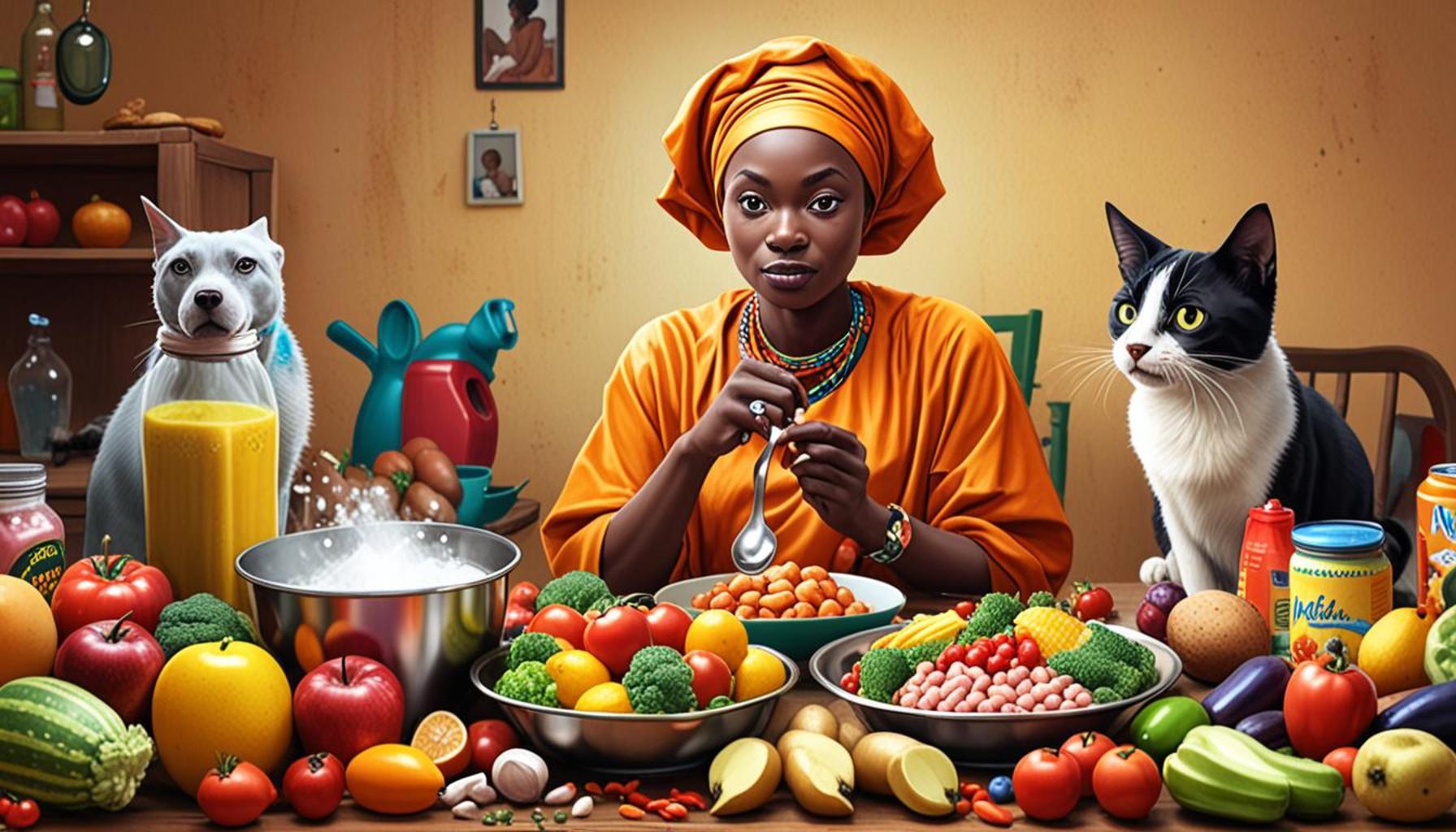
The Importance of Balanced Nutrition for Pets in Nigeria
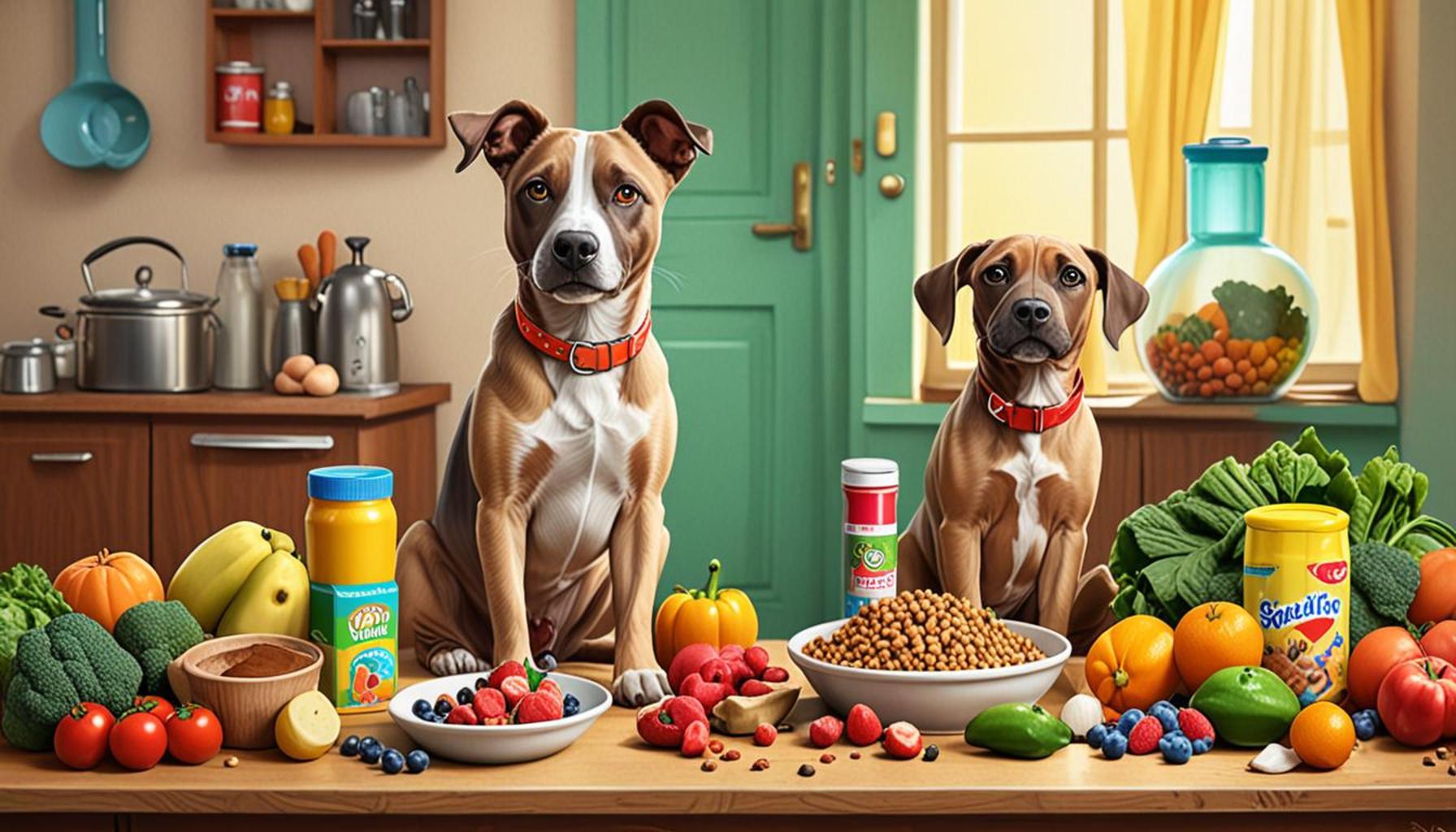
The Importance of Balanced Nutrition for Pets
In the ever-evolving landscape of pet ownership in Nigeria, the focus on pet nutrition has gained paramount importance. With the increasing number of households welcoming pets as part of the family, understanding the intricacies of providing proper nutrition is essential. Balanced nutrition is not merely a consideration; it is a cornerstone of health that directly influences pets’ vitality and longevity. Yet, this begs the question: how well do pet owners comprehend what defines a balanced diet for their cherished companions?
To unravel this complexity, it is crucial to delve into the myriad reasons why balanced nutrition holds significance for pets. For starters, a well-rounded diet is pivotal for their overall health. Just as humans require a blend of nutrients to fend off illnesses, animals necessitate similar care. For instance, dogs and cats that consume a nutrient-rich diet are significantly less susceptible to conditions such as obesity, diabetes, and skin disorders, which are prevalent in improperly fed pets.
Moreover, a balanced diet plays a vital role in maintaining optimal energy levels. Pets that receive the right nutrients tend to exhibit heightened energy, facilitating an active lifestyle characterized by playfulness and agility. This is particularly crucial for working breeds, such as the Nigerian Shepherd, which require stamina for herding duties.
Weight management is another critical aspect influenced by pet nutrition. With the increasing rates of obesity among pets, understanding portion control and the significance of a balanced caloric intake is essential. Pet owners should consider the unique dietary needs of their animals, customizing food quantities based on age, size, and breed. A commitment to maintaining a healthy weight can mitigate a range of associated health complications.
The influence of nutrition extends beyond health metrics—it directly impacts coat and skin quality. Pets fed with foods rich in essential fatty acids tend to have shinier coats and less skin irritation. For instance, diets that incorporate Omega-3 and Omega-6 fatty acids can foster healthier skin and fur, making a noticeable difference in local breeds like the Nigerian Local Dog.

Lastly, as pets age, their nutritional needs evolve. The milestones of pet growth—from puppyhood to adulthood to seniority—bring about varying dietary requirements that owners must adapt to for optimal health and longevity. Understanding these shifts is vital to extend their lifespan and enhance their quality of life.
Yet, the challenge in Nigeria lies in the uniqueness of its environment. Factors such as the local availability of quality pet food, cultural attitudes towards animal care, and economic constraints can complicate efforts to provide balanced nutrition. For instance, while premium pet food brands are gaining traction in urban centers like Lagos, many rural households still rely on homemade diets or locally sourced ingredients that may lack essential vitamins and minerals.
By acknowledging these challenges and the importance of balanced nutrition, pet owners in Nigeria can better navigate the complexities of pet care. It is imperative to engage with local veterinarians and nutritionists to craft dietary plans that align with both local resources and the pets’ specific needs. In doing so, not only can pet owners ensure healthier companions, but they can also enrich the pet ownership experience, celebrating the joy and companionship that comes from their furry friends.
RECOMMENDED: Check out this similar article
The Nutritional Foundations of Pet Health
Understanding what constitutes balanced nutrition for pets is crucial for every responsible pet owner. Just like humans, pets thrive on a mixture of essential nutrients that contribute to their overall health and well-being. In Nigeria, where cultural attitudes and dietary practices influence how pets are fed, it becomes vital to delineate what a proper diet should include.
A balanced diet for pets generally comprises the following key components:
- Proteins: Proteins serve as the building blocks for growth, repair, and overall maintenance of body tissues. Quality sources include meat, fish, and legumes, which are particularly important for the muscular development of active breeds like the Nigerian Shepherd.
- Carbohydrates: Essential for energy, carbohydrates should not be overlooked. Whole grains, tubers, and vegetables contribute both energy and nutrients. In Nigeria, rice and yam can be nutritious staples for homemade diets.
- Fats: Healthy fats are crucial for maintaining skin health, coat quality, and even cognitive functions. Foods rich in Omega fatty acids, such as fish oil, should be a part of every pet’s diet.
- Vitamins and Minerals: These micronutrients boost immune function and support various bodily processes. Pet owners should ensure that their pets receive a variety of fruits and vegetables to fulfill these needs.
Moreover, the balance of these nutrients can significantly impact a pet’s behavior and mental health. For instance, nutrient deficiencies can lead to lethargy or behavioral issues, which can later manifest as aggression or anxiety. Maintaining balanced nutrition can enhance a pet’s mood, making them more sociable and playful.
In addition to the basics, pet owners must also consider specific dietary needs based on their pets’ age, breed, and activity level. Puppies require higher protein and fat levels for growth, while older dogs might benefit from diets lower in calories but rich in fiber to aid digestion. Tailoring pet diets according to these factors not only helps in managing weight but also promotes healthier aging. Thankfully, local veterinarians are becoming more accessible in urban areas, providing guidance that is crucial for implementing these necessary changes in diet.
Another key aspect of balanced nutrition is ensuring that pets have access to clean, fresh water at all times. In Nigeria’s heat, proper hydration often gets overlooked, yet it is as vital as the food itself. Dehydration can lead to severe health issues, including kidney disorders, emphasizing the need for constant vigilance on part of pet owners.
As the pet ownership culture grows in Nigeria, bridging the knowledge gap regarding balanced nutrition is essential. Engaging with local communities and pet care resources helps foster a more informed perspective on how to nourish pets effectively. By doing so, pet owners can ensure healthier, happier lives for their furry companions, amplifying the bond they share.
| Category | Advantages |
|---|---|
| Essential Nutrients | Complete diets ensure that pets receive necessary vitamins and minerals, promoting overall health. |
| Disease Prevention | Adequate nutrition can mitigate the risk of common health issues like obesity and diabetes. |
In Nigeria, the demand for well-balanced pet nutrition is gaining momentum as pet owners become increasingly aware of the importance of quality diets. Balanced nutrition doesn’t just mean feeding pets every day; it involves understanding their specific dietary requirements based on their breed, age, and health conditions. The right balance of proteins, fats, carbohydrates, vitamins, and minerals can make a significant difference in a pet’s vitality and longevity.Moreover, with an increase in the availability of premium pet food brands, Nigerian pet owners are better equipped to make informed choices that align with their pets’ dietary needs. These products often come fortified with essential nutrients designed to boost the immune system and enhance energy levels.Furthermore, educating pet owners about the significance of hydration alongside balanced nutrition can lead to better health outcomes. Proper hydration often gets overlooked, yet it plays a crucial role in digestion and the overall functionality of a pet’s body. By combining appropriate nutrition with adequate water intake, pet owners can ensure their furry friends lead longer, healthier lives.
LEARN MORE: This related article may interest you
Challenges in Achieving Balanced Nutrition
Despite the clear benefits of balanced nutrition, many pet owners in Nigeria grapple with significant challenges in providing their pets with a wholesome diet. Economic factors often play a crucial role; fluctuating food prices can limit access to high-quality pet food and fresh ingredients. With many families dealing with financial constraints, they may resort to cheaper alternatives that may not meet the nutritional needs of their pets. This is especially true in rural areas where access to specialized pet food is limited, leading to a reliance on leftover human food that may be lacking in key nutrients.
The growing popularity of commercial pet food has not been without its complications. While some products claim to offer complete nutrition, the quality varies greatly, and many are laden with artificial additives and fillers that can harm pets in the long run. Without proper knowledge, pet owners might be misled by flashy marketing. Thus, familiarizing oneself with ingredient lists and understanding what constitutes proper nutrition becomes imperative. Advocacy for transparency in pet food production is more critical now than ever, urging manufacturers to prioritize product quality over profit margins.
Additionally, cultural beliefs and norms can hinder the proper feeding of pets. A common misconception exists that dogs can eat any human food, regardless of its balance or nutritional value. Some owners may even share meals thought to be good for their pets without assessing the potential dangers of certain ingredients. For example, onions, chocolate, and certain spices found in traditional Nigerian dishes can be toxic to pets. This lack of understanding contributes to health issues, from obesity to more serious conditions like kidney failure or gastrointestinal distress.
The Role of Education in Pet Nutrition
Educating pet owners is fundamental to enhancing the wellness of pets across Nigeria. Health campaigns, local pet workshops, and informational resources can provide critical insights into nutrition. Increasing awareness about how to read pet food labels, the importance of portion control, and preparing balanced homemade meals can unleash a wave of healthier choices for pets nationwide. Local veterinarians can be instrumental in this regard, offering tailored advice based on specific breeds and health conditions. Education also extends to understanding the life stages of pets, where puppy and kitten diets differ vastly from those required for senior pets.
Furthermore, community engagement initiatives emphasizing the significance of nutrition can help encourage responsible pet ownership. Events like pet nutrition fairs, where owners can interact with experts and other pet lovers, highlight the importance of proper nutrition and facilitate the exchange of ideas and tips. Such activities can dispel myths and promote evidence-based dietary practices, thereby fostering a community that prioritizes their pets’ health and happiness.
Lastly, technology has made strides in the realm of pet nutrition, with various apps and websites available to assist owners in meal planning and tracking their pets’ health. These digital tools can play an essential role in enabling informed decisions, showcasing the positive impact of balanced nutrition tailored to individual pet needs. Exploring the intersection of nutrition, technology, and veterinary advice can help pet owners create balanced diets that lead to vibrant, healthful lives for their companions.
SEE ALSO: Click here to read another article
Conclusion
In conclusion, balanced nutrition is not just important; it is essential for the health and longevity of pets across Nigeria. The myriad challenges pet owners face, including economic limitations, cultural misconceptions, and misinformation about commercial pet food, underscore the urgent need for education and community engagement. As outlined, understanding what constitutes a balanced diet can directly impact the well-being of our furry companions, preventing health issues that can arise from poor dietary choices. Knowledge is power, and by educating ourselves and others about pet nutrition, we can elevate the care our pets receive.
Pets are not merely animals; they are part of our families, and their health deserves our priority. Initiatives such as community workshops, collaborative seminars with veterinarians, and accessible informational resources can profoundly influence pet ownership in Nigeria. Additionally, leveraging technology through apps and online platforms for meal planning can empower pet owners to provide their pets with optimal balanced nutrition.
Ultimately, fostering a culture that values the well-being of pets can create healthier, happier households. As we continue this journey towards informed pet ownership, let us remember that investing in proper nutrition today means nurturing our pets’ health for a brighter tomorrow. Together, we can build a community that prioritizes balanced nutrition to ensure that our beloved pets live vibrant, fulfilling lives.